

Published: July 28, 2025 | Last Updated: August 26, 2025

What is A cult classic? Definition & Meaning
A cult classic is a film that gains a dedicated, often passionate following over time, usually outside mainstream popularity or success. These movies often flop in theaters or confuse critics, but they connect with viewers in a lasting way. Fans quote the lines, rewatch them, and share them with others. Some cult films gain critical respect later. Others stay small but are loved by tight fan communities.
What Makes a Film a Cult Classic?

Many cult classics start off as failures. Some were ignored when they came out. Others were too strange to market. But over time, fans bring them back. People trade DVDs, share clips online, or host screenings.
In this way, the films gain meaning for new viewers, and interest spreads. Changing moods in society or new streaming platforms can also help older films get noticed again.
Genres like horror, science fiction, surreal comedy, and low-budget drama often produce cult films. The movies take risks that most mainstream movies avoid. They might have odd characters, strange editing, or confusing plots. That weirdness either pushes people away or pulls them in.
True fans continue to watch and invite others to join them. In other words, whether or not a movie becomes a cult classic is up to a sometimes small group of hardcore fans.
Midnight Screenings and Early Examples
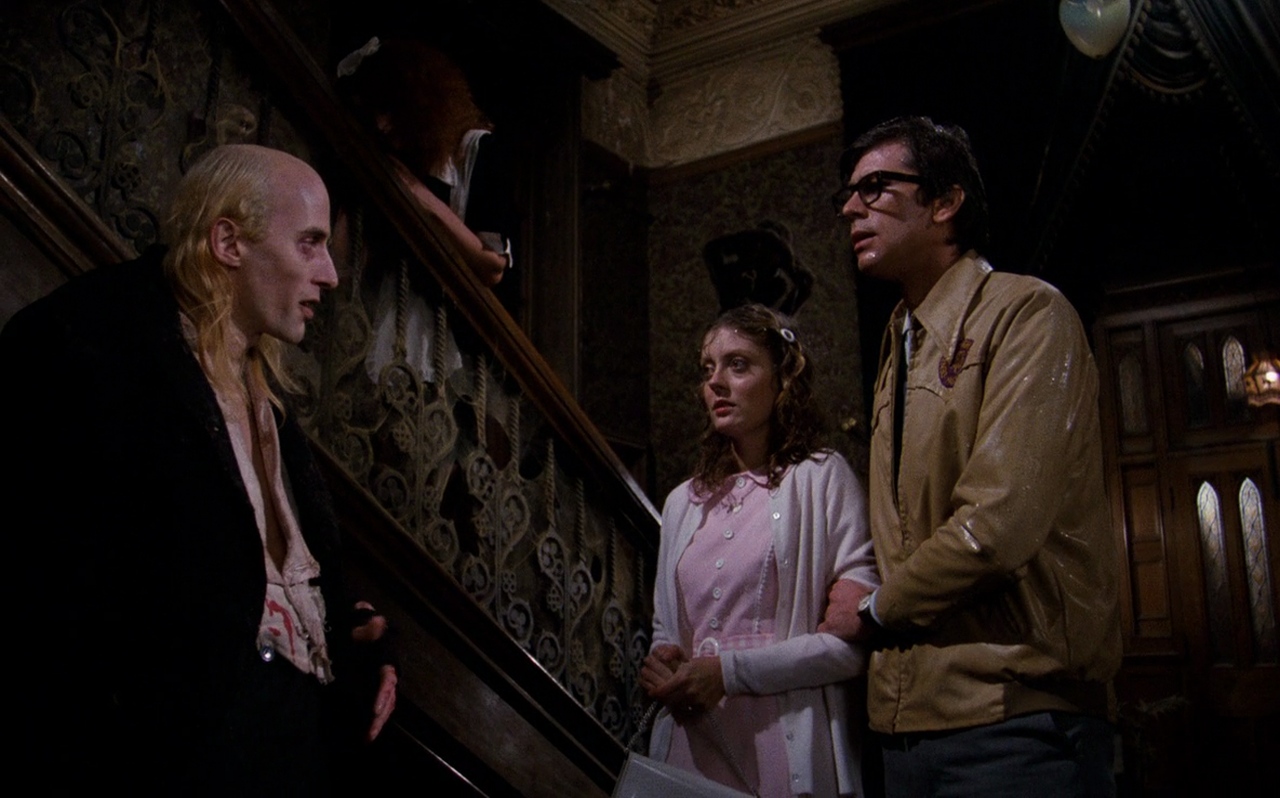
Many cult films became popular through midnight screenings in the 1970s. Movies like El Topo (1970, ABKCO) and The Rocky Horror Picture Show (1975, 20th Century Fox) attracted fans late at night in big cities.
The screenings have become events, where people dress up, shout lines, and sing along (pro tip: Remember to bring at least a newspaper (preferably also toast, and a water pistol) if you ever are going to watch The Rocky Horror Picture Show in the theatre – you’ll quickly learn why).

But the idea of a cult film goes back even earlier. Films like Nosferatu (1922, Film Arts Guild) and The Night of the Hunter (1955, United Artists) were initially failures, but were rediscovered and celebrated years later.
Controversial or Taboo Content

Some films gain cult status by pushing limits. They might show violence, sex, or taboo topics that keep them out of the mainstream. A Serbian Film (2010, Contra Film) was banned in several countries for extreme content, but horror fans still pass it around as a kind of challenge.
Showgirls (1995, United Artists) was a big failure when it came out, but later became a cult favorite for its over-the-top style and camp value. People who love these films often feel like they’re part of a group that “gets it.” Fans keep the film alive by sharing it, debating it, and watching it again.
Exploitation movies and subgenres
Some cult classics come from exploitation movies. The films were made on low budgets and tried to grab attention with violence, sex, or shocking stories.
A smaller group of these films, called sexploitation, focused on nudity and adult themes. They played in drive-ins and late-night theaters, and fans liked them because they felt wild and different from regular Hollywood movies.

Women-in-prison movies were a big part of this trend. These films usually took place in rough jails and showed women fighting, escaping, or standing up to cruel guards.
One of the best-known is The Big Doll House (1971, New World Pictures). It stars Pam Grier and shows a group of women trying to survive and escape a violent prison. The movie became a cult classic because of its mix of action, attitude, and bold style.
How Fans Help Cult Films Survive
Fans are the reason cult films last. They memorize scenes, make fan art, and attend events. Their love keeps the film relevant long after it leaves theaters.
Word of mouth, social media, and video sharing give these films new life. Viewers pass them around, and new fans form new communities. Some create online groups or host festivals. That’s how cult films grow: through people, not through studio marketing.
Fan Identity and Community
Cult films often become part of a fan’s identity. Viewers might share quotes, wear costumes, or post inside jokes online. They feel connected to others who love the same film.
That bond helps the movie grow. The film becomes a shared experience. For fans, knowing and loving the film shows their taste, their values, or even their sense of humor.
Examples of Famous Cult Classics

The Rocky Horror Picture Show (1975, 20th Century Fox) is the best-known cult classic. It started small but became a hit through midnight screenings, where fans acted out the scenes.
Donnie Darko (2001, Newmarket Films) failed in theaters but gained a huge following through DVD and streaming. Clerks (1994, Miramax), made for almost no money, became popular for its honest dialogue and weird humor.
Other cult films include:
- Blade Runner (1982, Warner Bros.) – slow-paced sci-fi with a dark future setting
- Eraserhead (1977, Libra Films) – surreal and disturbing, with strange visuals
- Harold and Maude (1971, Paramount) – an odd romance between a young man and an older woman
- Repo Man (1984, Universal) – punk sci-fi about aliens, cars, and rebellion
Can Books or Music Be Cult Classics?
The term “cult classic” also applies to music and books, though it’s most common in film. Albums like Nick Drake’s Pink Moon or The Velvet Underground & Nico didn’t sell well when first released. Over time, fans and artists praised them for their sound and ideas.
Books like Dune by Frank Herbert or Fear and Loathing in Las Vegas by Hunter S. Thompson were first seen as too weird or hard to follow. Today, they have loyal fans and are often adapted into films.
Summing Up
A cult classic is more than a movie. It’s a film that people return to again and again. Even if it failed early on, fans keep it alive. These movies stand out because they take risks. They’re bold, strange, or honest in ways mainstream films often avoid. If you want to explore film history from the edges, cult classics are a good place to begin.
Read Next: Curious how art movements shaped film?
Explore our full Visual Art Timeline to see how styles like Surrealism, Cubism, and Suprematism influenced cinema’s most experimental moments.
Or keep browsing our Film Movements & World Cinema section for more on the histories that shaped screen culture around the globe.
