

Published: June 12, 2024 | Last Updated: February 20, 2026

Overview
Definition: A tritagonist is the third character with the most influence over the main plot, after the protagonist and the deuteragonist.
What you’ve seen before: You have seen this when two characters push the main goal forward, but a third person keeps changing what happens next by controlling information, access, or risk.

Example: In Jaws (1975, Universal), Chief Brody drives the goal of stopping the shark. Hooper backs the mission with knowledge and pressure. Quint keeps changing the hunt through choices about equipment, danger, and control, so he often reads as the tritagonist.
Why it matters: Naming the tritagonist helps you plan clean cause and effect. You can decide when that character enters a sequence, what decision they force, and what cost they add that the top two characters cannot add on their own.
- Key takeaway 1: The tritagonist changes outcomes through repeated, trackable choices.
- Key takeaway 2: The tritagonist usually controls a recurring pressure point like access, proof, time, safety, or loyalty.
- Key takeaway 3: If removing the character barely changes the outline, the role is support, not tritagonist.
Next, the guide breaks the role into page tests you can use while outlining, rewriting, or shot planning.
Tritagonist Definition & meaning inside a bigger story framework
Tritagonist is a story rank label, not a personality type. It tells you who carries the third-heaviest load in the story’s main dramatic line.
This sits next to other rank labels like protagonist vs. main character. Rank is about who keeps moving the core problem forward through choices and consequences.
After you know rank, you can describe function with tools like archetype, foil character, or actantial model. A tritagonist can function as an ally, a skeptic, a liability, or even a secondary threat.
If you want the full map of rank and function terms in one place, see our guide to character roles.
Where the term comes from
The word comes from ancient Greek theatre. In many theatre history accounts, the shift to a “third actor” is linked to Sophocles, and that production change allowed more complex scene setups with three active roles on stage.
Modern film uses the same practical idea. A third major role gives you more scene geometry. Alliances shift. Private agendas collide. A decision can land differently depending on who is present.
Tritagonist vs. deuteragonist vs. supporting character
These labels stay clean when you tie them to questions you can answer from the page. Who drives the core goal. Who stays closest to that goal. Who keeps changing what the top two can do.
- Protagonist: The character who drives the main goal and keeps the central conflict active scene by scene.
- Deuteragonist: The character who stays closest to the protagonist’s line and keeps influencing it across the whole story.
- Tritagonist: The third character who keeps changing the plan by adding new cost, new access, or new information across multiple major beats.
A supporting character can be essential without holding tritagonist rank. A mentor can be crucial early. A boss can control one lane of pressure. A friend can anchor a subplot. Rank only rises when the character keeps affecting the main dramatic line again and again.
What the tritagonist does inside scenes
Most tritagonists earn their rank through scene work you can point to. They do something that changes the decision space for the protagonist and deuteragonist.
They turn a two-person push into a triangle
The triangle effect is the simplest test. The protagonist wants one thing. The deuteragonist pushes or pulls on that want. The tritagonist adds a third force, so agreement becomes harder and compromise becomes visible on the page.
This triangle can be emotional, tactical, or moral. The key is that the third person changes what “winning” costs in that moment.
They control a repeating pressure point
A tritagonist often matters because they control something the plot needs more than once. That can be access to a place, proof that changes beliefs, resources that make a plan possible, or risk that raises the price of a decision.
If that pressure point moves, the story turns with it. That is what makes the role feel structural instead of optional.
They make the theme easier to prove through contrast
The theme becomes clearer when you can compare choices under the same pressure. A tritagonist often creates that comparison by choosing a third option that the top two characters refuse.
If you want a quick refresher on how theme shows up through decisions, see our guide to theme in film.
How to spot a tritagonist on the page
You do not need to count scenes or lines. Use tests that stay true in outline form, in a draft, and in an edit.
- Mark your major turns. Identify the Act One break, midpoint, and late Act Two collapse. If you use beats, you can also check your Save the Cat beat sheet moments.
- Name what changes. Write one line for each turn: new problem, new cost, or new information.
- Write who caused it. If the same character keeps triggering those shifts, you are seeing tritagonist leverage.
- Run the removal test. Imagine the story without that character. If you must rebuild several major beats, the rank is real.
This is separate from the character arc. A tritagonist can be static or dynamic. Rank comes from leverage over outcomes, not from how much the person changes inside.
How to write a tritagonist
Writing a strong tritagonist means giving the character a recurring job in the story machine. The job must change decisions, not just fill space.
- Give them a goal that can collide with the main goal. The collision can happen even when they stay on the same side.
- Pick a recurring pressure point. Choose one thing they provide or threaten more than once: access, proof, time, safety, credibility, or money.
- Design two decision scenes. Build at least two moments where the top two must choose between their plan and the tritagonist’s terms.
- Control their information role. Decide what they know early, what they hide, and what changes when the truth becomes action.
- Check scene pair coverage. Make sure each pair in the triangle gets at least one scene where the dynamic changes the plan.
If the character only exists to explain, you get flat exposition. If the character only exists for jokes, you get flavor without leverage. Keep pulling the role back toward choices, consequences, and cost.
Common tritagonist role patterns
These patterns help you draft fast. The pattern only “counts” when it keeps affecting turning points.
- The specialist: The one person who can do the job, so the plan depends on them.
- The skeptic: The one who forces risk talk in the open, so the plan gets tested under pressure.
- The wildcard: The one who acts for personal reasons, so timing and trust keep breaking.
- The moral line: The one who refuses a compromise, so the leads must choose what they will sacrifice.
- The insider: The one with access to the system, so the plan gains entry and also gains exposure.
If you want to separate these patterns from rank terms, compare them to character tropes and stock character design.
Examples of tritagonists in film
These examples show how to label the triangle, then point to concrete turns where the third role changes what the leads can do.
Jaws (1975, Universal)

Brody drives the goal, so he reads as the protagonist. Hooper stays close to that line, so he often reads as a deuteragonist. Quint keeps changing the hunt through decisions about tools, danger, and control, so he often reads as the tritagonist once the story moves to the boat.
The Matrix (1999, Warner Bros.)

Neo drives the central line of choice and transformation. Morpheus frames the mission and belief system that Neo must face, so he often reads as the deuteragonist. Trinity keeps changing Neo’s access, safety, and commitment through repeated choices during escapes and rescues, so she can be read as the tritagonist.
Star Wars (1977, Lucasfilm)
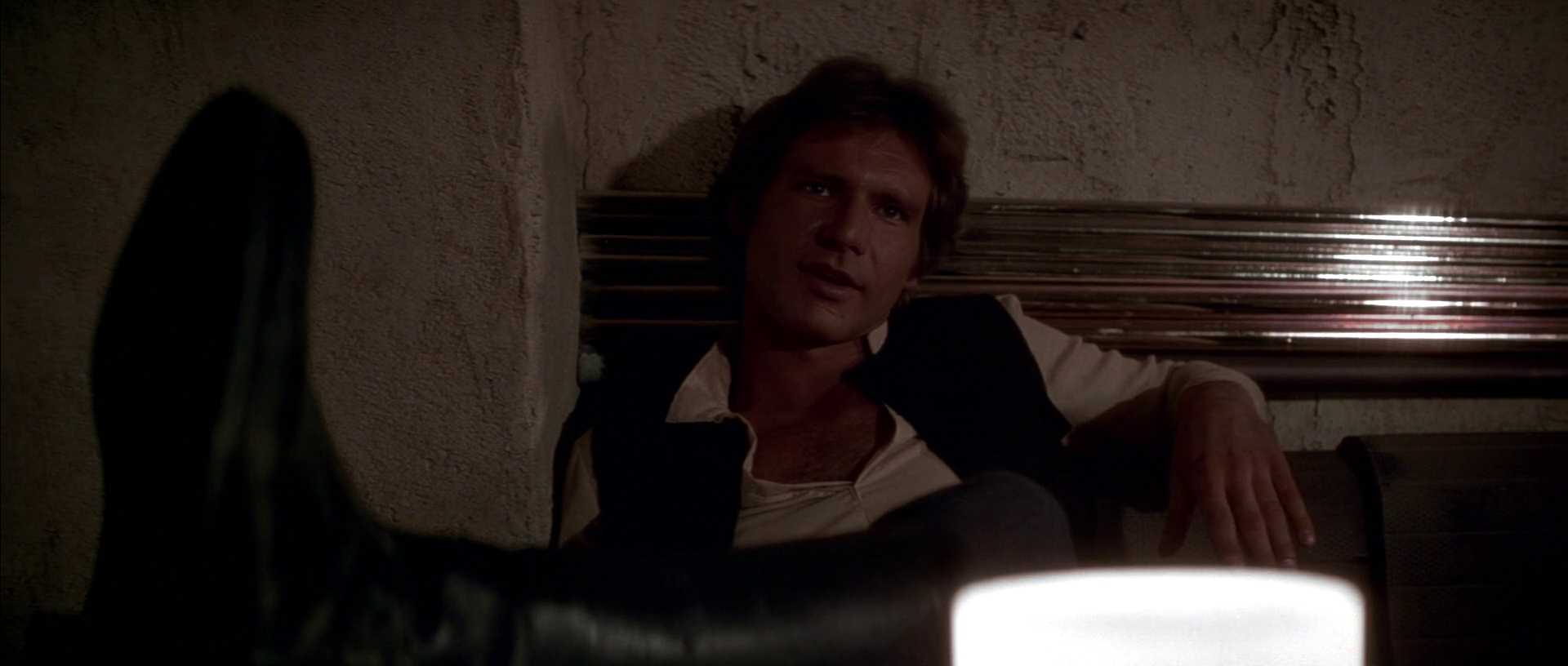
Luke drives the main goal. Obi-Wan carries heavy weight early through training and direction. Han keeps changing the team’s options through mobility, firepower, and his decisions about staying or leaving, so he often reads as a tritagonist in the core triangle.
A long-series case study: using Harry Potter without mislabeling the role
A long series can shift character rank from film to film. The safest move is to use the same tests each time: turning points, removal test, and decision scenes.
Dumbledore is a good first stop because he shows how easy it is to confuse “major character” with “third slot.” In some films, his control of the plan and the information puts him closer to the second-most central role. That is why the rank test has to follow turning points, not screen presence or respect.

Snape is the next useful test because the story frames him as suspicious, which can make him feel structurally central. Suspicion can raise tension without changing the outline. The key question is simple: do Snape’s choices keep forcing new decisions in the main line, or does the film mostly use him to steer what you believe?

Neville helps you separate “one huge moment” from “repeat leverage.” A character can trigger a decisive outcome late in the story and still not control the main dramatic line for most of the runtime. This is where the removal test matters. If you can replace the action without rebuilding earlier turning points, the rank is still support.
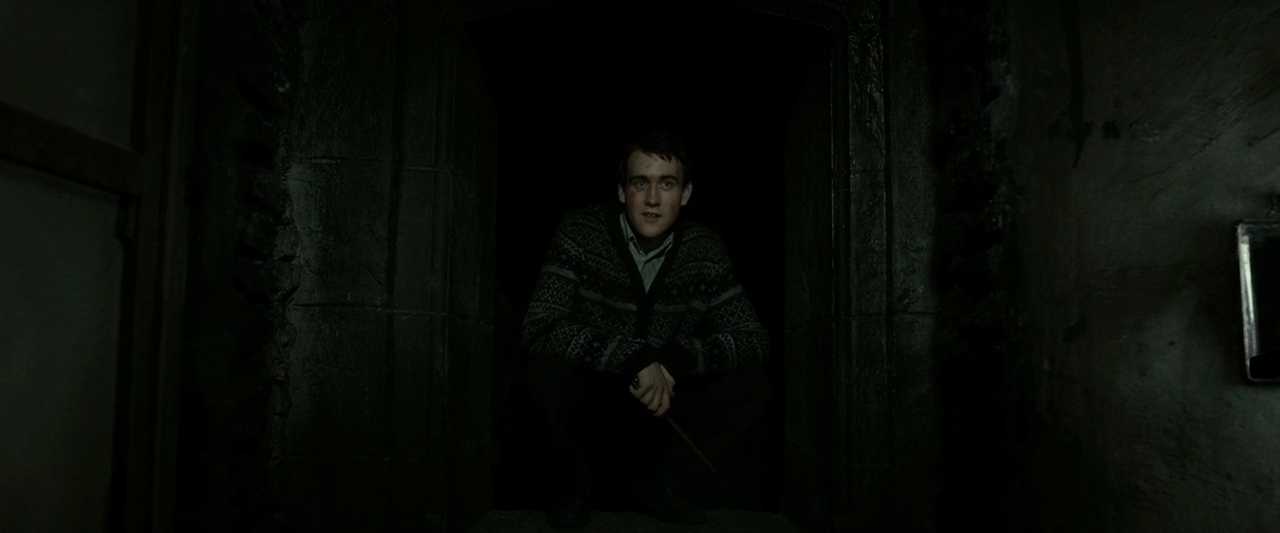
Draco makes the difference between pressure and plot control easier to see. He can push Harry into reactions, and he can sharpen Harry’s values through rivalry. That is real story work. The tritagonist label only fits when that pressure also reshapes major beats, not only school conflicts that sit beside the main goal.

Sirius is a strong final example because he can change what the story is actually about in the last stretch. A truth reveal can flip the goal, flip trust, and flip what the next choice must be. When that shift forces several scenes to be rebuilt without the character, you are closer to tritagonist-level influence for that installment.

Common misunderstandings and limits
The biggest mistake is treating tritagonist like a popularity badge. The role is about repeatable leverage over the main line, not “third favorite character.”
Ensemble stories can also blur strict ranking. When three or more characters carry near-equal story weight, it can be clearer to describe function and pressure instead, then explain how each role pushes the main goal within the narrative.
Summing Up
A tritagonist is the third character with the most influence over the main plot, measured by repeated leverage over decisions and turning points. The term comes from Greek theatre practice, and it still points to a practical story truth: a third major role creates a triangle that changes cost, access, and outcome. If you track turning points, run the removal test, and design decision scenes, you can label the role accurately and write it with intent.
Read Next: Want to write characters that feel real on the page?
Start with our Free Screenwriting Course — a complete foundation in structure, dialogue, and building compelling characters.
Then browse all character development articles — from internal conflict and arcs to ensemble design and protagonist logic.
Or return to the Screenwriting section for formatting, story structure, and writing tools.
