

Published: October 6, 2025 | Last Updated: January 19, 2026

What is a Damsel in Distress? Definition & Meaning
A damsel in distress is a storytelling trope where a (typically female) character is placed in danger or captivity and becomes a key motivation for the hero, often positioning her as someone who must be saved rather than someone who drives the action.
In practice, the trope often includes one or more of these elements:
- The character is threatened, trapped, or powerless within the scene
- The danger exists to motivate the protagonist’s quest
- The character has limited agency compared to the rescuer
- The “reward” of rescue can imply romance, ownership, or status
TL;DR
- “Damsel in distress” = a character (often a woman) put in danger to motivate a hero’s rescue.
- The trope feels dated when the endangered character has no agency and exists only as a prize.
- Better versions keep the peril but give the character choices, competence, and consequences.
- Modern subversions focus on agency and power dynamics, not just swapping who rescues whom.
Origins and Etymology
The word “damsel” comes from Old French, meaning “young lady.” The full phrase, damsel in distress, became popular in English to describe stories where a woman is in danger and needs saving. The idea has been used since ancient myths, medieval romances, and Renaissance tales, where knights saved noblewomen from harm.
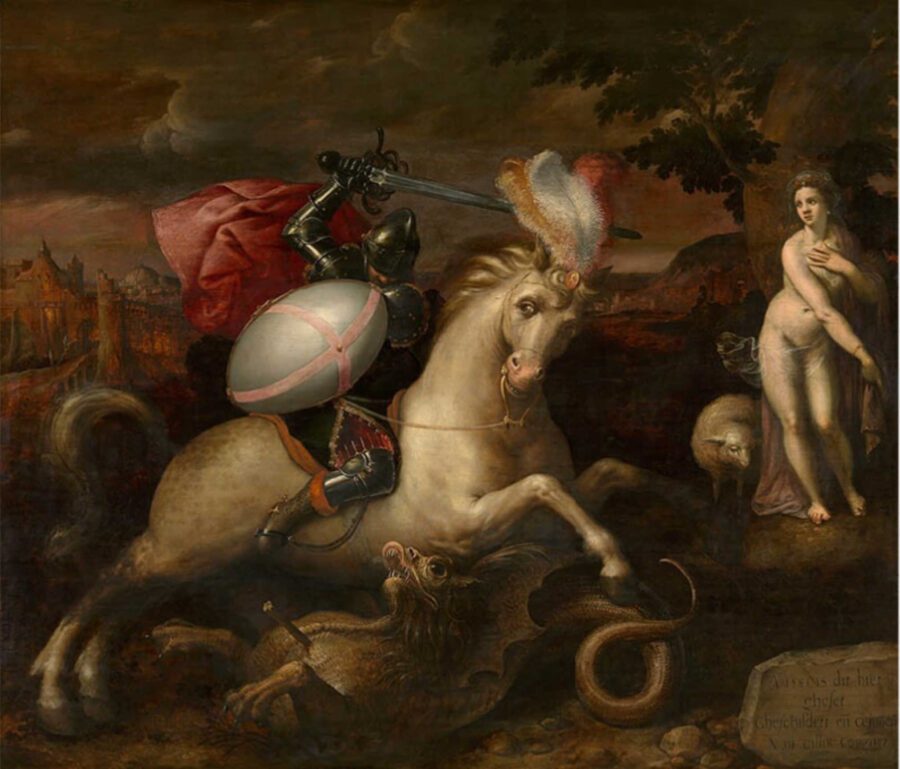
Greek myths like Andromeda’s rescue by Perseus follow this pattern. So do medieval stories about knights and dragons, like Saint George’s slaying of the Dragon. Later, the same idea appears in fairy tales, melodramas, and early silent films.
How the Trope Works (and Where It Fails)
In most versions, the damsel is threatened, kidnapped, or trapped. She cannot escape on her own. Her situation motivates the male hero to act. The story often rewards the hero with her safety or love. The damsel is usually portrayed as pure, beautiful, and innocent.
This setup creates clear stakes and a simple conflict. But it weakens the female character by stripping her of agency. She becomes a goal, not a person.
Over time, critics have argued that this reinforces stereotypes about women being weak, passive, or secondary. The trope often flattens the character’s arc and keeps her from shaping her own story.
Classic and Modern Examples
The damsel in distress appears across many genres and time periods. From ancient myths to video games, she’s often used to raise the stakes and give the hero a reason to act. But how the trope is used (and how much power the woman has) changes over time.
Traditional Uses
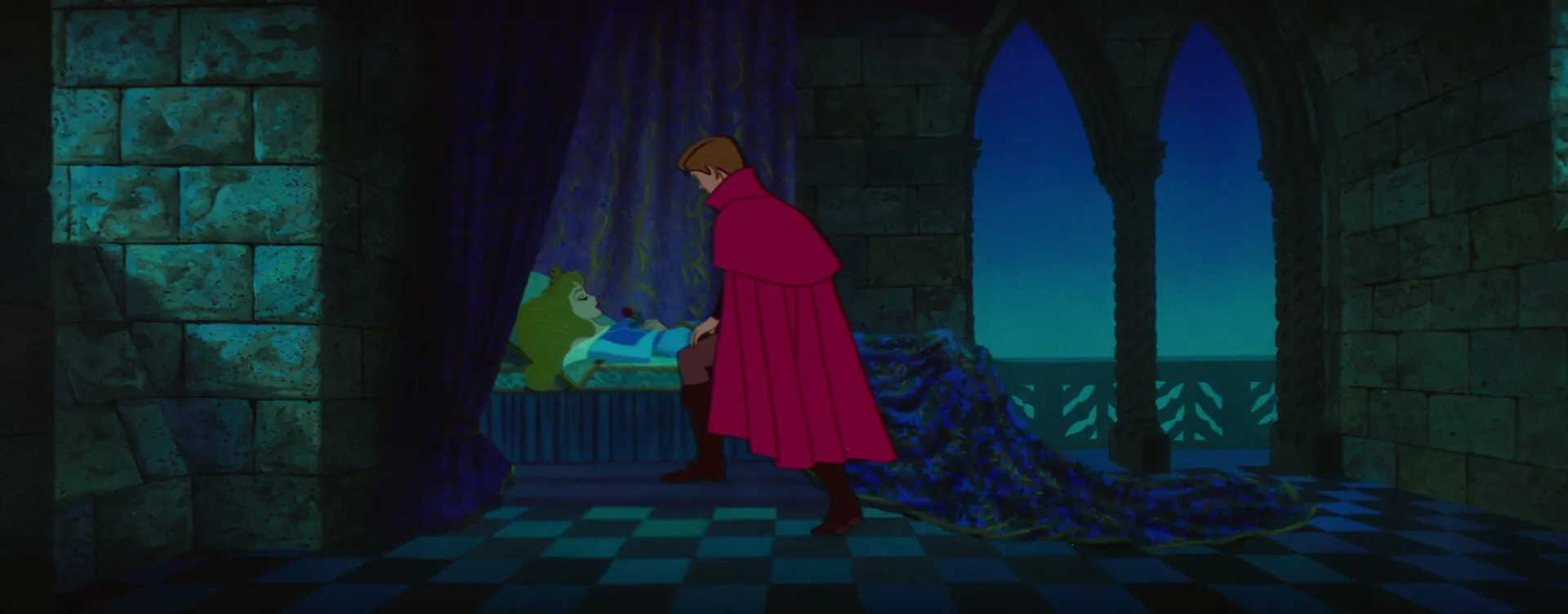
Classic fairy tales often follow this pattern. In Sleeping Beauty, the princess lies under a curse until a prince wakes her. In Rapunzel, she is trapped in a tower.
In King Kong (1933), Ann Darrow is captured and carried off, with the male characters racing to save her.

Early video games use the trope frequently. In the Mario series, Princess Peach is kidnapped again and again. In the original Donkey Kong, Mario climbs to rescue Pauline. Some Zelda games also show Princess Zelda as a figure to be saved.
Modern Reversals
Newer stories have challenged the trope or turned it inside out. A modern “damsel-in-distress” subversion isn’t automatically progressive just because the rescuer is female. The more meaningful reversals change agency, choice, and power dynamics, for example, when the “damsel” sets the plan, controls the stakes, or refuses the role entirely.
Frozen (2013)
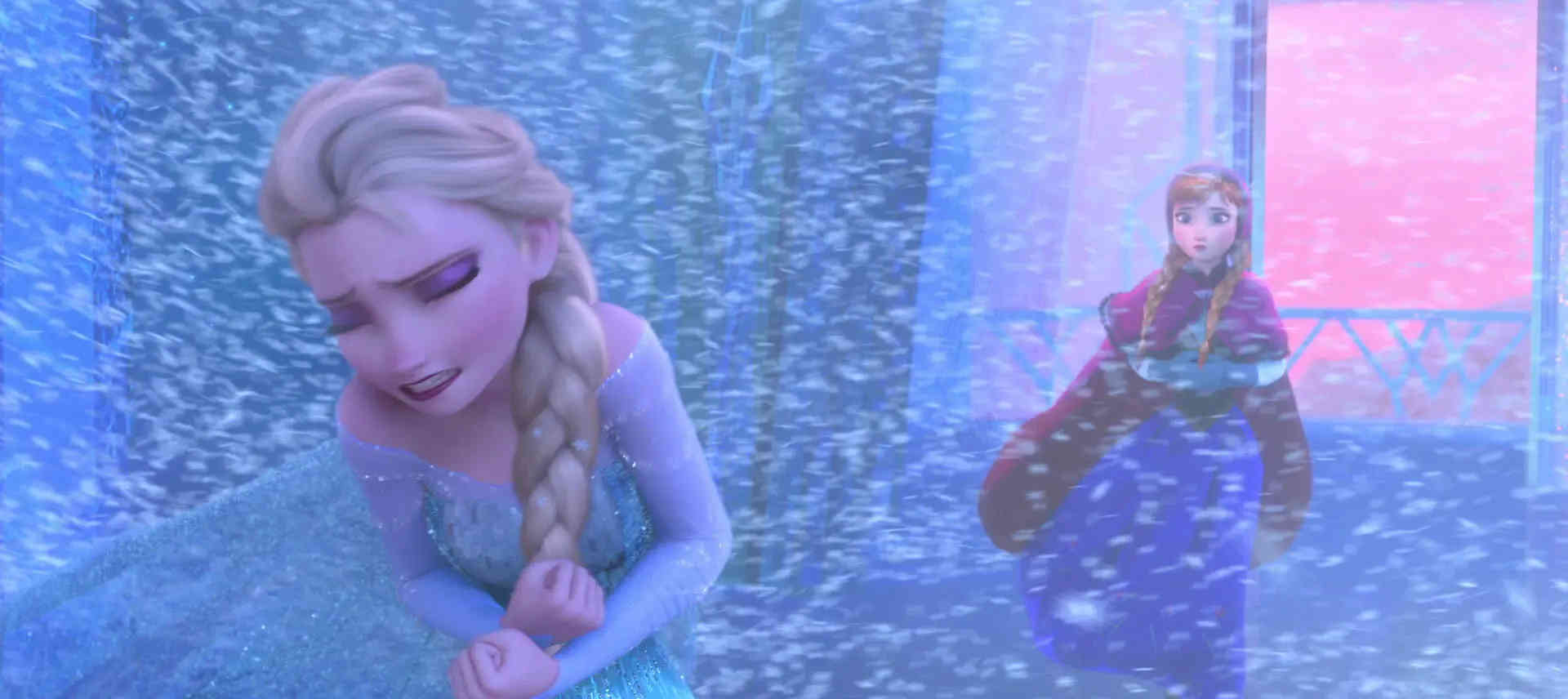
At first glance, Frozen appears to set up a traditional damsel narrative: Elsa’s powers isolate her, she flees into self-imposed exile, and Anna embarks on a dangerous journey to “save” her. The subversion comes in how that rescue is defined. The film explicitly rejects romantic love as the ultimate solution and instead frames sisterly love as the act that breaks the curse.
In other words, Anna’s sacrifice is not about claiming Elsa or restoring social order through marriage; it’s about choice and empathy. Anna isn’t rescuing Elsa from a villain or a tower; she’s rescuing her from fear and self-rejection. At the same time, Elsa is not a passive captive. Her emotional state drives the central conflict, and the resolution requires her own realization and growth, not simply Anna’s intervention.
By shifting “true love” away from a prince and toward familial bonds and self-acceptance, Frozen keeps the emotional stakes of the damsel-in-distress trope while removing its most dated assumption: that a woman’s salvation must come from romantic rescue. The danger still matters, the sacrifice still counts, but agency is shared rather than transferred.
Mad Max: Fury Road (2015)

In Mad Max: Fury Road (2015), Furiosa leads the rescue and controls the mission. Example: Mad Max: Fury Road (Australia/US, action) — “The ‘damsel’ becomes the mission leader.” Imperator Furiosa initially appears to be transporting “helpless” women, but the story quickly turns the people at risk into active decision-makers.
The Wives and Furiosa aren’t props motivating Max; they have a goal (escape), a strategy, and a willingness to fight for it. Max supports the plan rather than owning it, which flips the traditional dynamic where the hero’s desire drives the rescue.
Enchanted (2007)

In Enchanted (2007), the film plays with traditional roles. Giselle first falls into a classic poisoned sleep and is awakened by Robert’s kiss. But later, she flips the script by rescuing him from the dragon, turning the fairy tale ending on its head.
Some stories give the damsel more agency. She may begin in danger but escape on her own or help turn the tide. Others make the rescue emotional or symbolic instead of physical.
Shrek (2001)
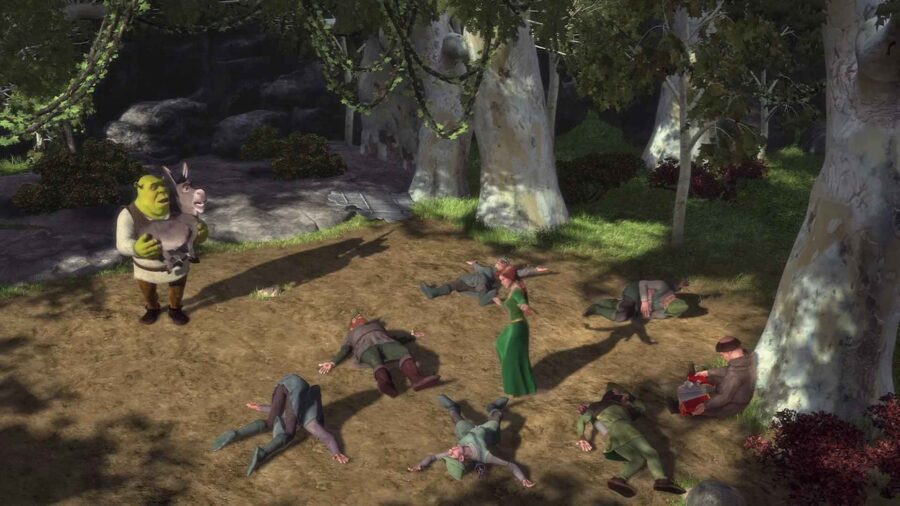
In Shrek (2001), Princess Fiona appears as a traditional damsel in distress (trapped in a tower guarded by a dragon) but quickly subverts it. Unlike classic damsels who are unaware of their role, Fiona in Shrek knows exactly how the story is supposed to go and chooses to play along before rewriting it on her own terms.
Spirited Away (2001)
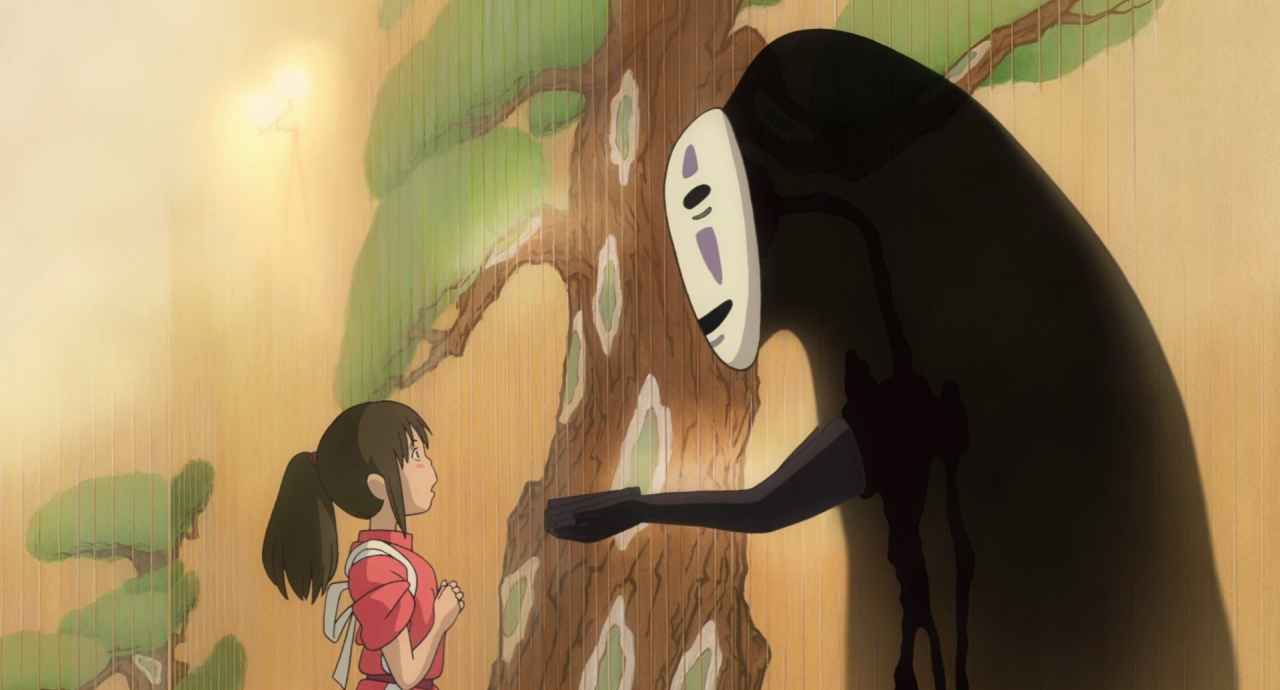
In the Studio Ghibli anime Spirited Away, Chihiro isn’t saved from danger so much as she grows into the person who can navigate it. She is frightened and vulnerable at first (read: classic “distress” ingredients), but the plot rewards adaptation, courage, and problem-solving, not being “chosen” by a hero.
Even when allies help, her progress is earned through her own actions. That’s a major subversion: the narrative treats agency as character development, not a trait bestowed by a rescuer.
The Legend of Zelda: Breath of the Wild (2017)
In The Legend of Zelda: Breath of the Wild, Zelda’s role is not passive captivity. For most of the story, she is actively containing Calamity Ganon, buying time through sustained effort and sacrifice. Link’s “rescue” is less about saving a helpless princess and more about relieving an exhausted frontline defender. It reframes rescue from “ownership of the woman” to “tagging in so she doesn’t have to carry the burden alone.”
Pan’s Labyrinth (2006)

Pan’s Labyrinth weaponizes fairytale expectations and then breaks them: the girl’s choices matter, but the world doesn’t reward them in a neat “hero saves her” way. The subversion is that the trope’s promise—“suffering will be redeemed by rescue”—is intentionally challenged, making the viewer question why we expect that payoff.
Shifts like these help restore balance and make the characters feel more real.
Why This Matters
Understanding the damsel in distress trope helps you see when a female character is underwritten. If she exists only to motivate a man, her story is limited from the start. Recognizing the pattern also helps you notice when it’s being challenged, flipped, or broken, and whether those changes feel earned.
Also relevant to women’s representation and agency in film is the Bechdel Test.
How to Write the Trope Well (Without Reducing a Character to a Prize)
Use these as a quick checklist:
- Give the character agency before the danger happens. Show what they want, what they’re good at, and what choices they make independent of the rescuer.
- Let them influence the rescue. Even if they can’t escape alone, they can hide evidence, pass information, sabotage a guard, negotiate, or create a moral dilemma.
- Make the stakes personal for them, not just for the hero. The best “rescue” stories don’t treat the endangered person as a plot coupon; their fear, goals, and consequences should be on-screen.
- Avoid objectification framing. If the camera (or prose) lingers on the character’s body while they’re powerless, it can signal “this is for the audience’s pleasure,” not empathy.
- Don’t confuse incompetence with vulnerability. People can be trapped by circumstance without being foolish, naive, or incapable.
- Offer alternatives to kidnapping. Consider: political leverage, moral blackmail, a time-sensitive illness, a disaster scenario, a missing-person mystery, or the hero needing to earn trust rather than “retrieve” someone.
- Let the aftermath matter. Trauma, anger, gratitude, or changed relationships make the character feel real, and prevent the rescue from being a reset button.
A simple rule: If the character could be swapped for an object (a key, a briefcase) and the plot barely changes, the trope is probably being used lazily.
Summing Up
The damsel in distress is a long-standing trope where a woman is placed in danger and must be rescued. While it offers clear stakes, it often limits female characters and reinforces gender stereotypes. Today, more stories are challenging the trope and giving women more power, choice, and purpose.
Read Next: Want to write characters that feel real on the page?
Start with our Free Screenwriting Course — a complete foundation in structure, dialogue, and building compelling characters.
Then browse all character development articles — from internal conflict and arcs to ensemble design and protagonist logic.
Or return to the Screenwriting section for formatting, story structure, and writing tools.
