

Published: June 12, 2019 | Last Updated: November 13, 2025

What is The Renaissance? Definition & Meaning
The Renaissance was a cultural and intellectual movement that began in 14th-century Italy and spread across Europe, marked by a revival of classical Greek and Roman ideas in art, science, literature, and philosophy. The word “Renaissance” comes from the French term for “rebirth,” rooted in the Latin renasci. It gained prominence in the 19th century through historian Jules Michelet but was already in use by Giorgio Vasari, who used the Italian word rinascita around 1550 to describe the revival of ancient art and learning.
Where and When It Happened
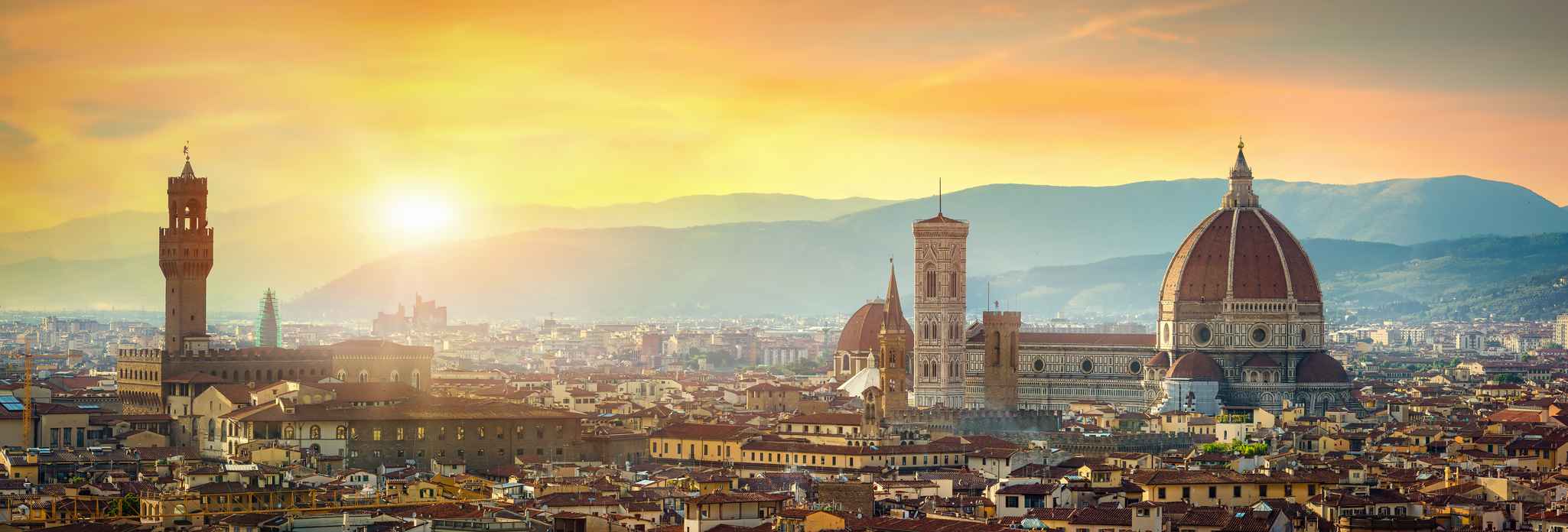
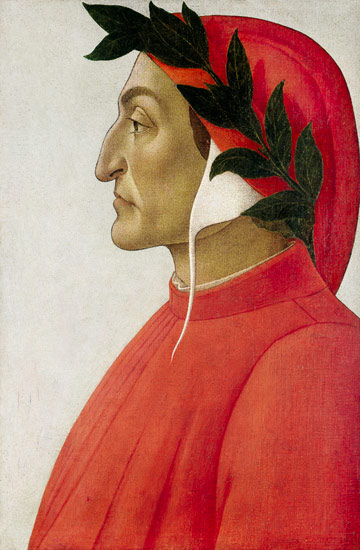
The Renaissance began in Florence in the late 1300s, led by writers like Petrarch and Dante and supported by wealthy patrons such as the Medici family. It grew from a renewed interest in classical antiquity, especially Greek and Roman literature, art, and philosophy.
From Italy, the movement spread to Venice, Milan, and Rome, then outward to France, Germany, England, and the Low Countries during the 15th and 16th centuries. Its expansion was uneven. Mountain ranges like the Alps slowed overland travel, while maritime trade routes helped ideas move faster.
After the fall of Constantinople in 1453, Greek scholars arrived in Italy with ancient texts, which deepened humanist study. The printing press made it possible to copy and distribute these ideas across Europe. Schools, universities, and royal courts began to reflect Renaissance thinking.
Humanism and Intellectual Shifts
The movement centered on humanism, a worldview that focused on classical learning, individual potential, and secular reasoning. Scholars recovered Greek and Roman texts and brought them into classrooms. This shift encouraged historical awareness, critical debate, and civic ethics. Neoplatonism, which joined Plato’s philosophy with Christian doctrine, shaped both theology and visual art.

By the early 1600s, Renaissance ideas had reshaped institutions across Europe. Royal courts hired Italian artists and scholars, who brought classical models into local culture. The period set the groundwork for the scientific method, secular government, and modern education. Its influence remains visible in museums, academic traditions, and the cultural values of the West.
Scientific Developments

Renaissance science challenged medieval authority through observation and experimentation.
In 1543, Nicolaus Copernicus published his heliocentric theory, arguing that the Earth revolved around the sun.
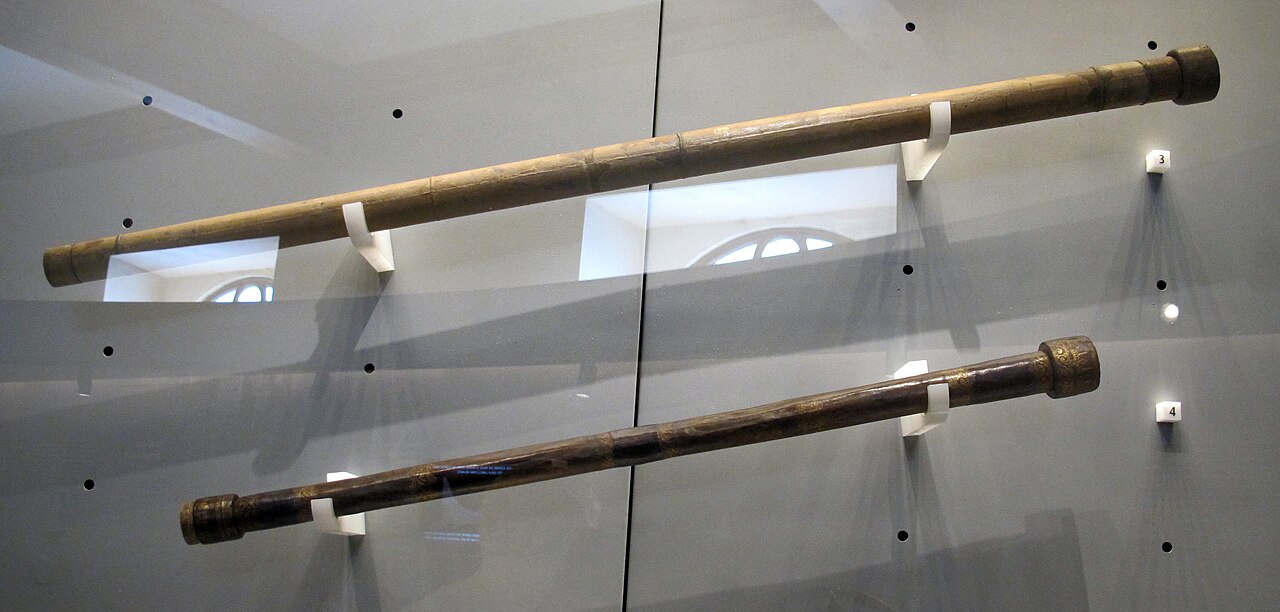
Galileo Galilei later confirmed this through telescope observations, including Jupiter’s moons.
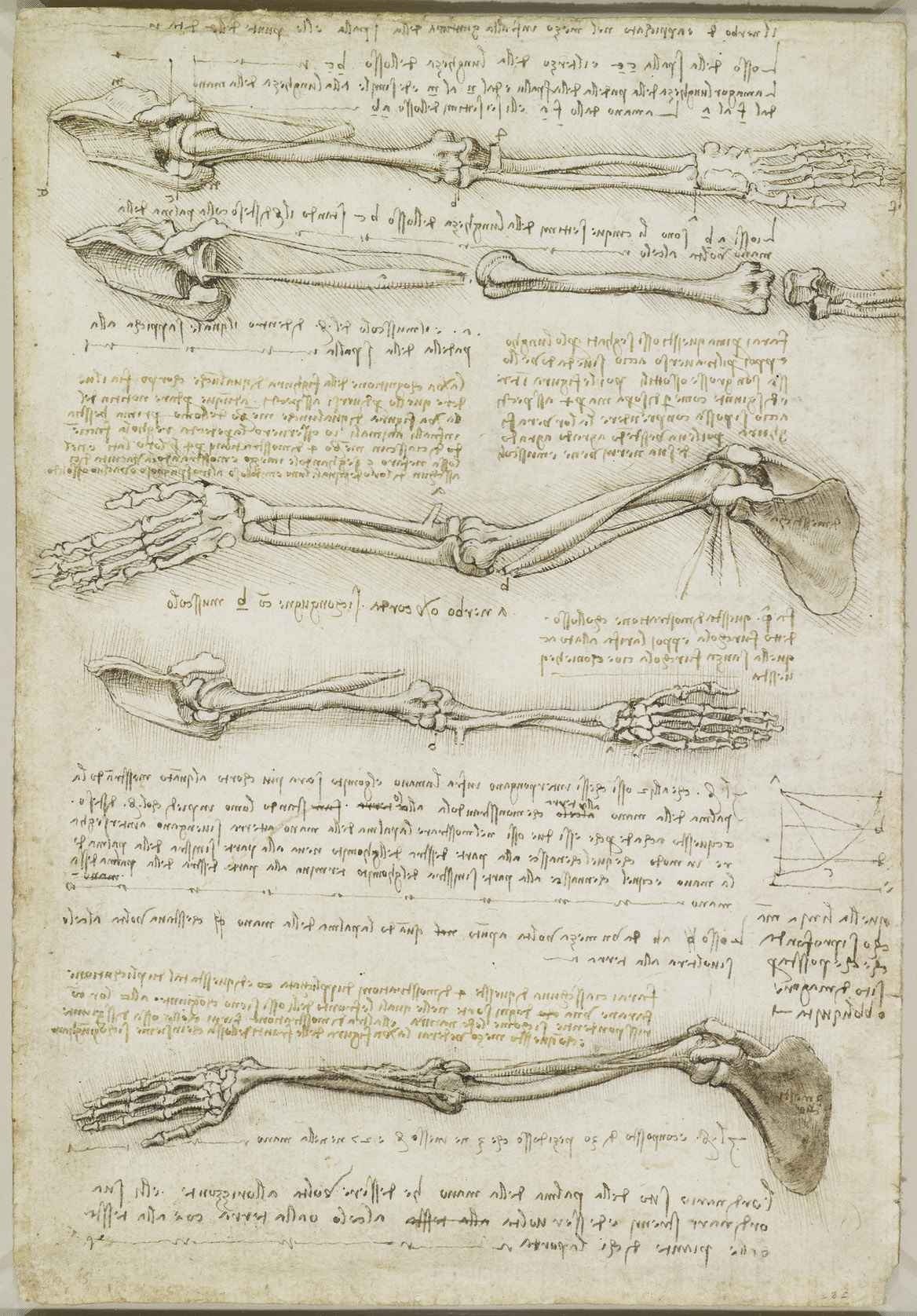
Anatomists such as Andreas Vesalius and Leonardo da Vinci (yes, he was a student of many fields) produced detailed studies of the human body, correcting centuries of inaccuracies.
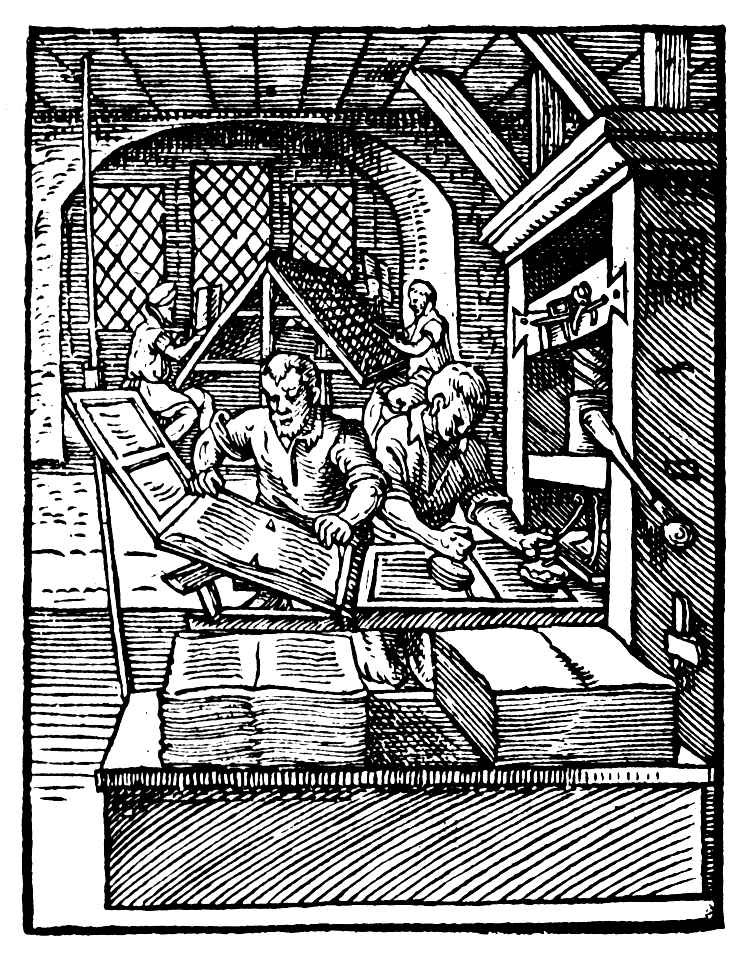
Printing technology, invented by Johannes Gutenberg around 1450, accelerated the spread of scientific and philosophical ideas across Europe.
Renaissance Artists and Innovations
Art from the Renaissance period focused on realism, anatomy, and spatial accuracy. Painters and sculptors mastered techniques such as perspective, proportion, and chiaroscuro, which involves modeling light and shadow.
Here are some key artists and works you should know:
Leonardo da Vinci
Leonardo da Vinci was an Italian painter, engineer, and scientist active during the High Renaissance. His work combined technical precision with philosophical depth.
In Mona Lisa (c. 1503–1506), he used sfumato, that is, soft transitions between light and shadow without visible outlines, to create subtle modeling and a sense of inner life.

In The Last Supper, he applied single-point perspective anchored on Christ’s head and aligned the apostles along receding architectural lines (leading lines), creating a structured yet emotionally expressive composition.

Michelangelo Buonarroti
Michelangelo was a Florentine sculptor, painter, and architect known for his mastery of the human form. His statue of David shows exaggerated muscle definition and a contrapposto stance, capturing idealized strength and psychological tension.
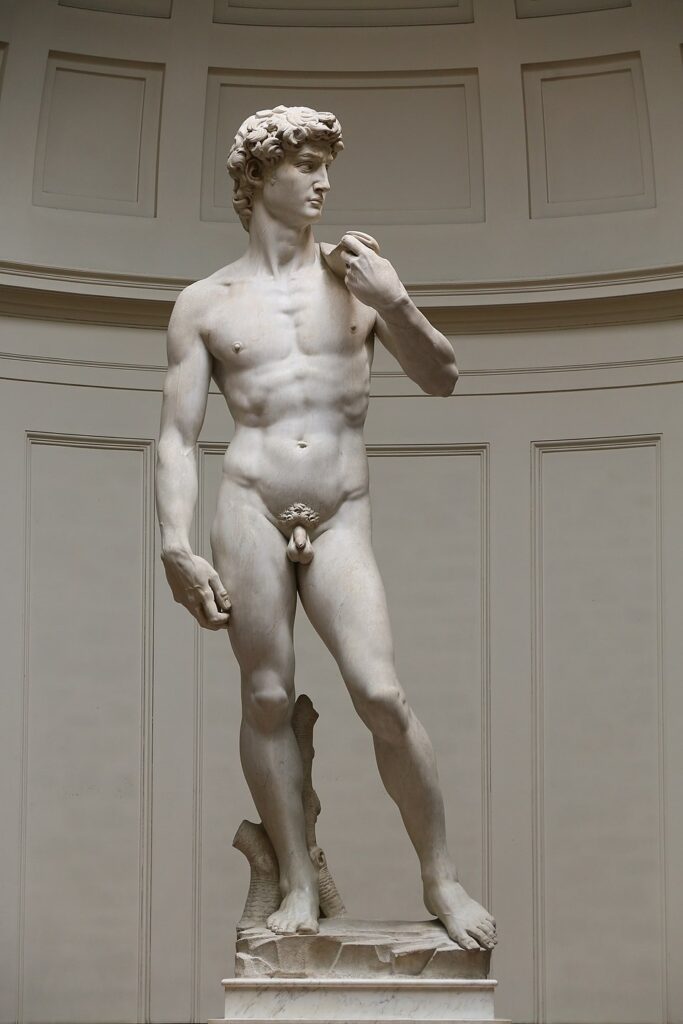
Michelangelo designed David with viewer perspective in mind, exaggerating the size of the head and hands to compensate for the intended high placement on Florence Cathedral. These proportions would appear more natural when viewed from below.
Though the statue was eventually installed at ground level, the distortion remains. This adjustment relates to the sculptural equivalent of foreshortening (anyone familiar with drawing, for example, a hand punching towards you in a comic book panel, knows how difficult this is), distorting proportions so that they appear correct from a specific viewpoint.
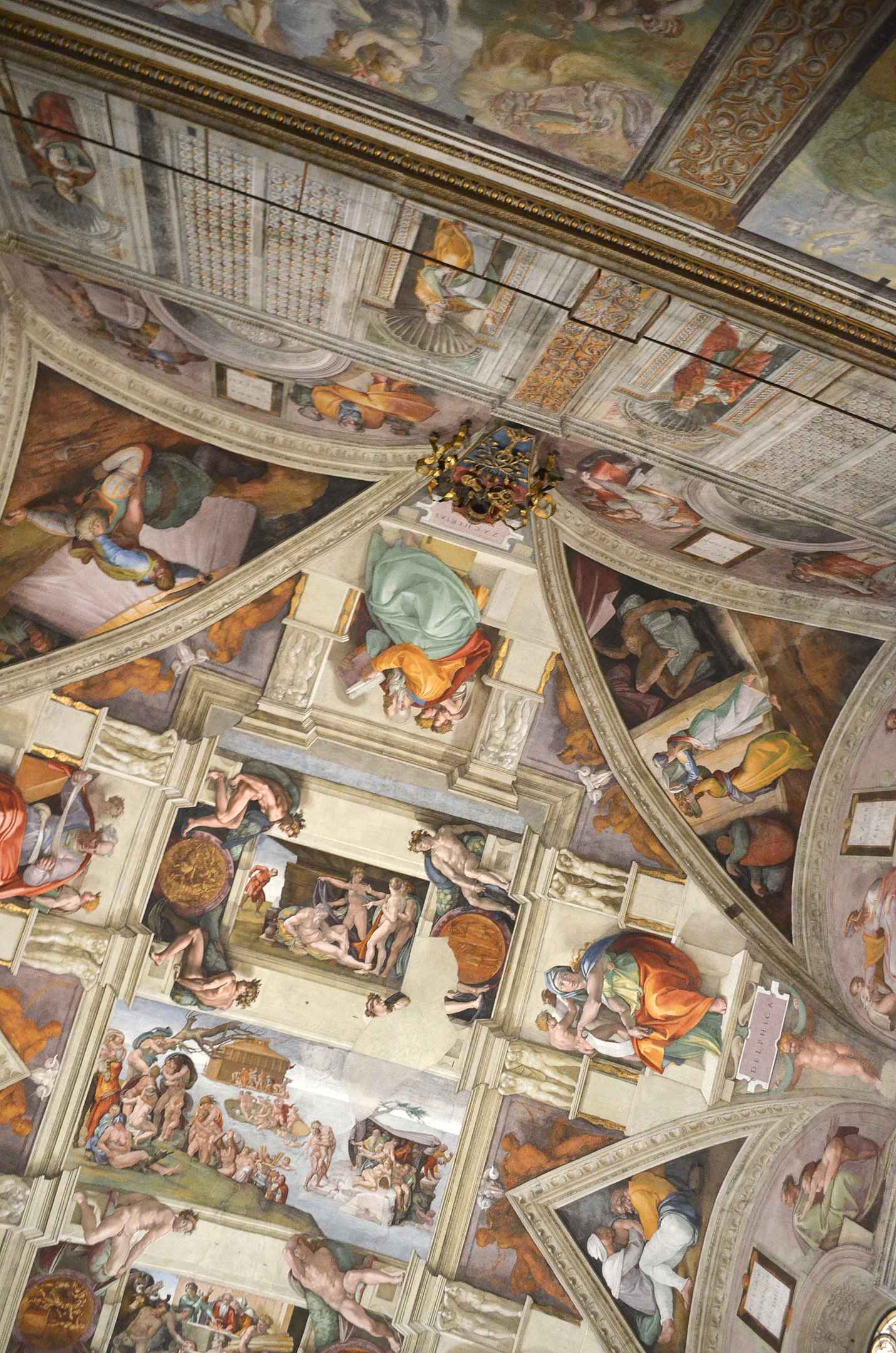
On the Sistine Chapel ceiling, he painted more than 300 figures with complex poses and anatomical precision drawn from cadaver studies. The scale, variety, and dynamic foreshortening established a new standard for visual storytelling in Western art.
Raphael (Raffaello Sanzio)
Raphael was an Italian painter and architect celebrated for his balanced compositions and graceful figures.
In The School of Athens, he used linear perspective and classical architecture to frame a gathering of ancient philosophers, placing them in idealized harmony with Renaissance thought.
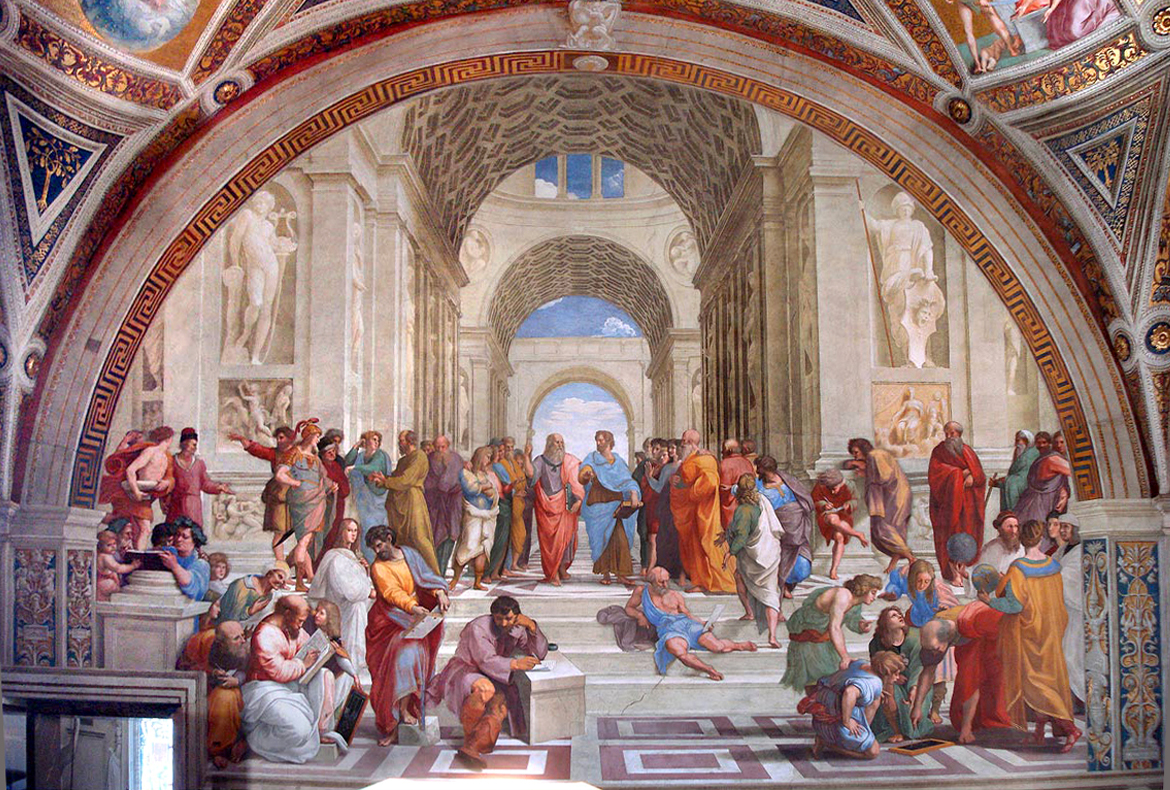
The careful spatial arrangement and clear gestures express both intellectual clarity and visual unity.
Sandro Botticelli
Botticelli was a Florentine painter known for his lyrical style and mythological themes. In The Birth of Venus, he drew on ancient sculpture to shape Venus’s pose, using flowing lines and stylized anatomy rather than deep modeling.
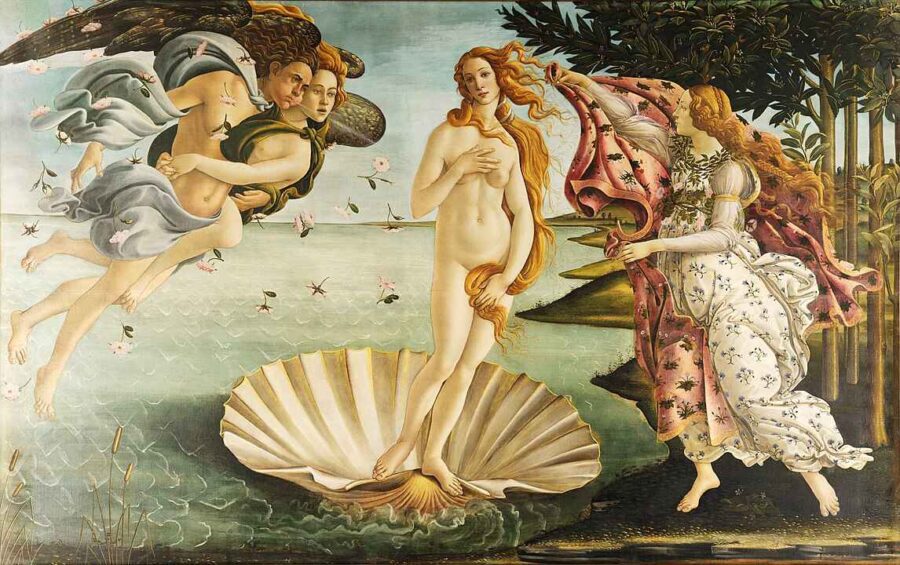
The painting reflects Neoplatonic philosophy by presenting physical beauty as a path to spiritual understanding, combining classical references with symbolic meaning.
Jan van Eyck
Jan van Eyck was a Flemish painter active in the early Northern Renaissance. He developed advanced oil painting techniques that allowed for meticulous detail and texture.

In The Arnolfini Portrait (1434), he used thin layers of translucent glazes to show the textures of fur, polished wood, brass, and fabric with near-microscopic clarity.
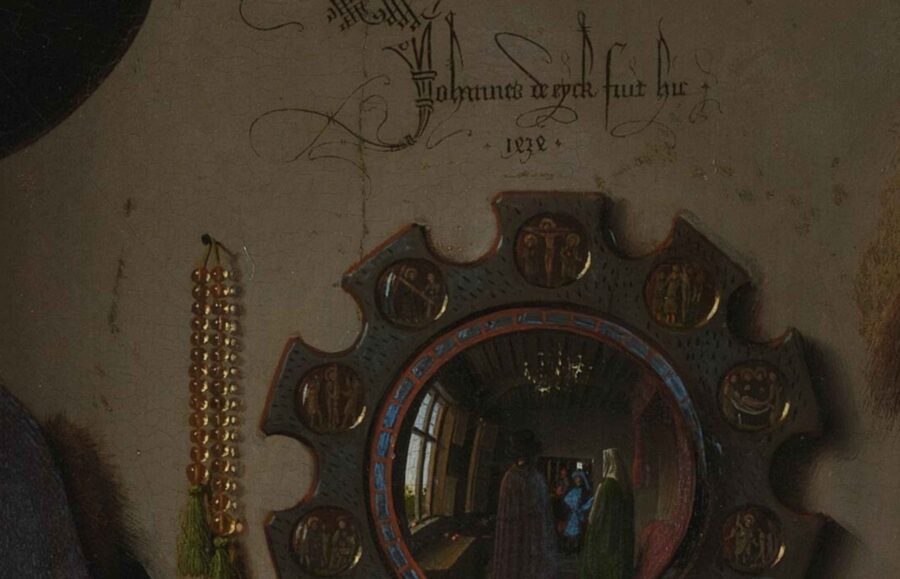
Details like the convex mirror, single lit candle, and oranges are not just decorative. They show wealth through imported fruit, religious belief through the candle as a symbol of divine presence, and marriage through the mirror’s reflected witnesses. Each object is painted with precision to reinforce the couple’s social role and moral standing.
Legacy in Film
While many films borrow the surface look of Renaissance art, few engage with its ideas directly. Some, however, use Renaissance works or figures as central to their plot or structure.
Artemisia (1997, Miramax) is a biographical drama about Artemisia Gentileschi, one of the few recognized female painters of the early 17th century. The film explores her struggles with censorship, anatomy, and artistic credibility in a patriarchal culture shaped by Renaissance ideals.
Agora (2009, Focus Features), though set in Roman Egypt, dramatizes the clash between classical reason and religious dogma through the figure of Hypatia. Its themes—scientific inquiry, humanism, and intellectual persecution—anticipate the Renaissance shift toward secular learning.
The Da Vinci Code (2006, Columbia) uses Renaissance art as coded language. Leonardo’s The Last Supper and Vitruvian Man are reinterpreted as puzzles, turning Renaissance symbolism into a framework for a modern mystery plot.
If you want to dig deeper, documentary films like Botticelli’s Primavera (2025, BBC) and Raphael: A Portrait (2024) offer detailed visual studies of major Renaissance works. These films go beyond biographical storytelling and focus on how the structure, symbolism, and philosophy behind the paintings still shape visual culture today.
Summing Up
The Renaissance reshaped European civilization by reviving classical knowledge and encouraging critical thought across art, science, and society. It produced some of the most influential works and figures in Western history. For filmmakers, the Renaissance offers not just visuals but a legacy of structure, realism, and inquiry that continues to shape creative expression today.
Read Next: Curious how art movements shaped film?
Explore our full Visual Art Timeline to see how styles like Surrealism, Cubism, and Suprematism influenced cinema’s most experimental moments.
Or keep browsing our Film Movements & World Cinema section for more on the histories that shaped screen culture around the globe.
