

Published: July 29, 2025 | Last Updated: November 25, 2025

What’s the difference between sci-fi and fantasy? Quick Summary:
Science fiction and fantasy are both genres that take us to amazing worlds, but they do it in different ways. Science fiction is based on real science and technology, while both low and high fantasy uses magic and mythical creatures. Both genres explore big ideas, but in sci-fi, everything is possible because of science, while fantasy focuses on the impossible with magic.
Any sufficiently advanced technology is indistinguishable from magic.
– Arthur C. Clarke
Similarities Between Science Fiction and Fantasy
Both fantasy and sci-fi are about adventure and exploring new worlds. They feature extraordinary characters who can do amazing things, whether it’s using technology or magic.
In both genres, the main character often goes on a hero’s quest, faces challenges, and learns something important by the end of the story. In many ways, they share the same core story (e.g., the hero’s journey), and the technology in sci-fi serves the same function as magic does in fantasy, and vice versa.
Differences Between Science Fiction and Fantasy
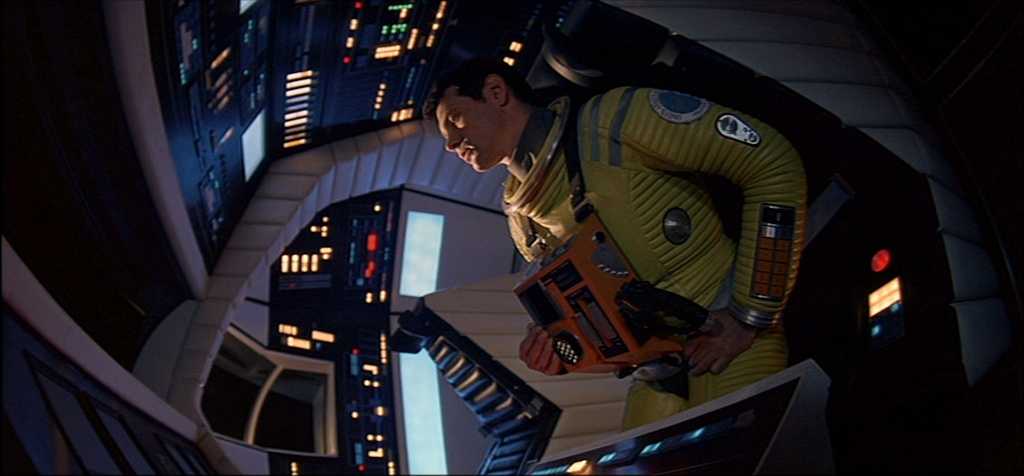
Science fiction is based on science and technology. It imagines what the future might be like, how technology could change the world, or what it might be like to meet aliens.
For example, in 2001: A Space Odyssey (1968, MGM), the story is about space travel and artificial intelligence, all explained with science.
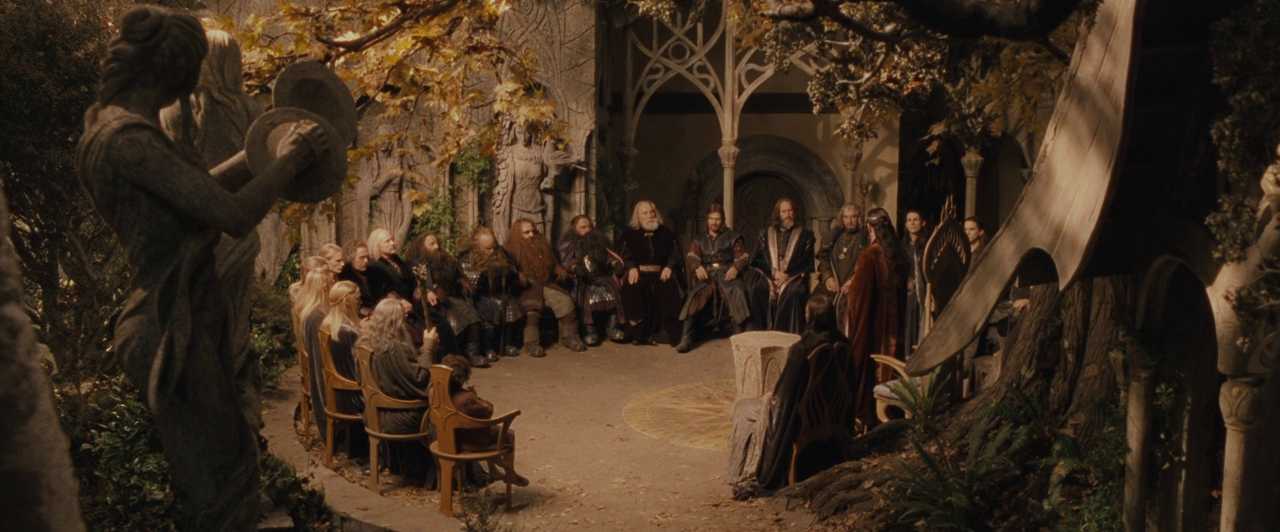
Fantasy, on the other hand, is all about the impossible. It uses magic, mythical creatures, and supernatural powers. There’s no scientific explanation for how things work in fantasy; it just happens because magic exists.
In The Lord of the Rings: The Fellowship of the Ring (2001, New Line), for example, we see wizards, elves, and magic rings that shape the world, with no scientific reason for how they exist.
World-Building: Technology vs Magic
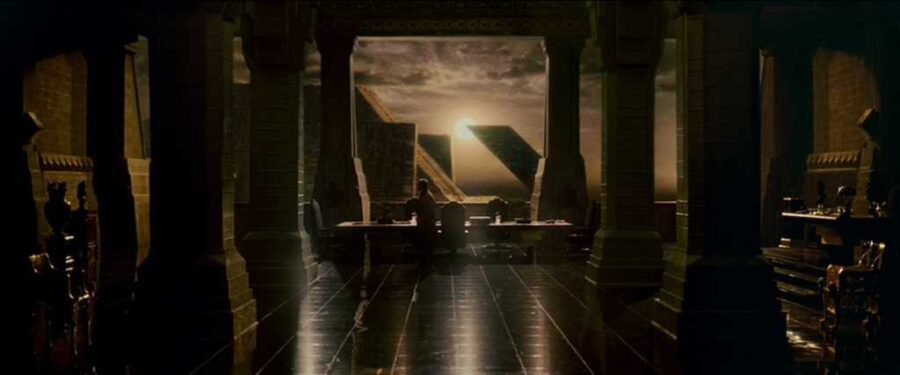
In sci-fi, the world is usually built around technology. Think of futuristic cities, space travel, or robots. The settings feel like they could exist one day because they are based on real scientific ideas. Movies like the tech-noir Blade Runner (1982, Warner Bros.) or The Expanse (2015, Syfy) show us worlds that could be possible in the future.
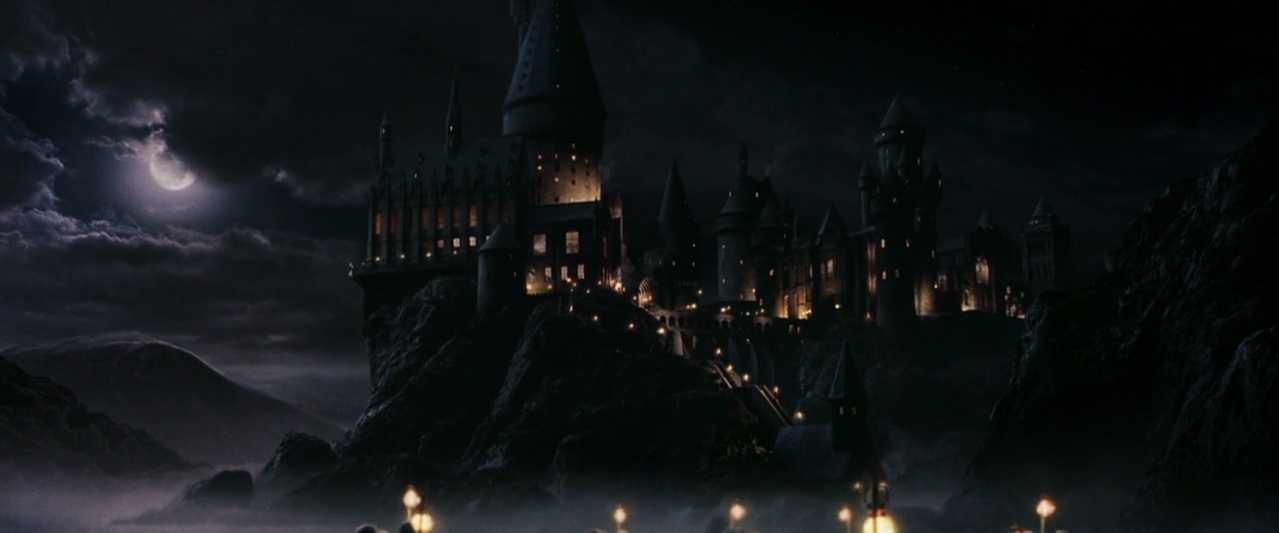
Fantasy worlds, however, are built on magic. These worlds often have castles, forests, and dragons, with things that can’t happen in real life. Movies like The Lord of the Rings (2001, New Line) or Harry Potter (2001, Warner Bros.) create worlds full of magic, where everything follows the rules of magic, not science.
Plot Devices: Technology vs Magic
In science fiction, the story often revolves around technology. It could be a time machine, a spaceship, or even robots. In Back to the Future (1985, Universal), time travel is made possible by a machine built by Doc Brown.
In fantasy, the story is driven by magic. Characters use spells or magical items to help them on their journey. In Harry Potter and the Sorcerer’s Stone (2001, Warner Bros.), magic is used to solve problems and make the story exciting.
Character Archetypes
Both genres feature familiar archetypal characters, such as the hero, the villain, and the mentor. In sci-fi, the hero might be a scientist, explorer, or someone dealing with futuristic technology.

For example, in Star Wars: A New Hope (1977, 20th Century Fox), Luke Skywalker becomes a hero with the help of technology and the Force, Darth Vader is the villain, and Obi-Wan Kenobi serves as Luke’s mentor.
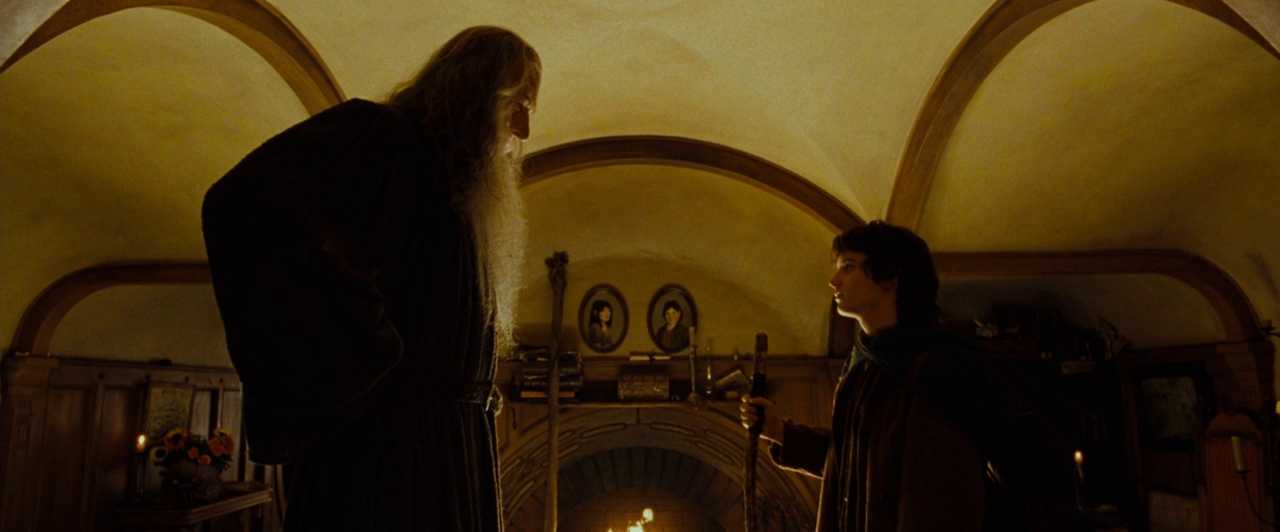
In fantasy, the hero might be a wizard, warrior, or someone with magical powers. In The Lord of the Rings (2001, New Line), Gandalf the wizard guides Frodo on his journey, much like a mentor in a sci-fi movie might guide a hero in a futuristic world.
Themes and Tone
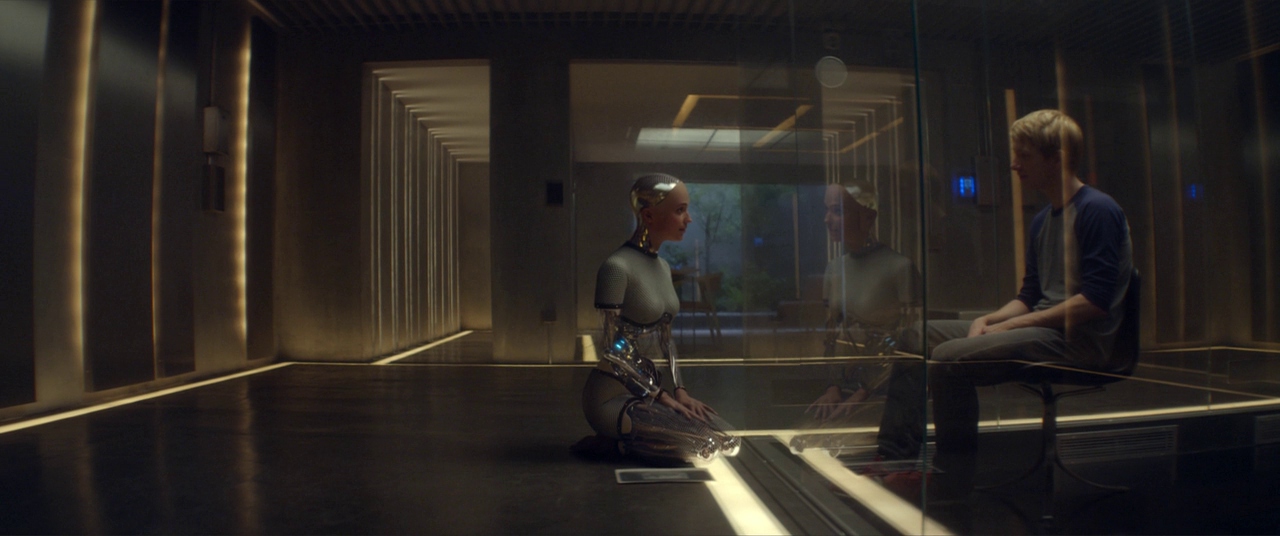
Science fiction often deals with the future and questions about how technology will change our lives. It explores ideas like artificial intelligence, space exploration, and what it means to be human. For example, Ex Machina (2014, A24) looks at robots and artificial intelligence and asks if they can be considered human.
Fantasy focuses on big moral questions, like good vs. evil, personal sacrifice, and the idea of destiny. For example, in The Lord of the Rings (2001, New Line), Frodo must resist the corrupting power of the One Ring and protect his world from evil forces.
Read more on themes in film.
Blurring the Boundaries: Science Fantasy, and Crossovers
Some stories mix both sci-fi and fantasy, creating a science fantasy world. These films use both technology and magic. A great example is Star Wars (1977, 20th Century Fox), where we see futuristic spaceships and robots, but also the mystical Force that works like magic.
TV shows like Doctor Who (1963–present, BBC) also mix the two genres, with stories about both alien technology and magical or mysterious forces. These crossovers show that sometimes the lines between sci-fi and fantasy aren’t so clear, and fans can enjoy both elements in one story.
Adapting Sci-Fi and Fantasy to Film
Turning science fiction and fantasy stories into films can be challenging. Sci-fi adaptations often need to show complex scientific ideas in a way that’s easy to understand. For example, 2001: A Space Odyssey shows space travel and futuristic technology in a way that feels realistic, even though it’s not something we can experience right now.
Fantasy adaptations, however, need to bring magic and mythical creatures to life. Films like The Lord of the Rings (2001, New Line) used cutting-edge special effects to create a world filled with dragons and magic spells, making the impossible feel real.
Summing Up
Science fiction and fantasy both create amazing worlds, but in different ways. Sci-fi is based on the possibilities of science and technology, while fantasy relies on magic and the supernatural. While both genres allow us to explore new ideas and ask big questions, they do it in their own unique ways.
However, in many ways, they share the same core story (fx, the hero’s journey), and the technology shares the same function as magic and vice versa. Below I’ve summarized this in a table for easy comparison:
| Category | Science Fiction | Fantasy |
|---|---|---|
| Archetypes | Scientists, explorers, robots, AI, tech-driven heroes | Wizards, knights, warriors, mythical creatures, chosen ones |
| Plot Devices | Time machines, space travel, robots, advanced technology | Magic items, spells, prophecies, mythical creatures |
| Inciting Incidents | First contact with aliens, scientific experiment gone wrong, technological disasters | Magical discovery, prophecy, ancient curse or quest |
| Setting | Futuristic cities, space stations, alien worlds, post-apocalyptic Earth | Medieval kingdoms, enchanted forests, magical realms |
| Conflict | Humanity vs. technology, aliens vs. humans, survival, societal collapse | Good vs. evil, destiny, magical forces, personal growth |
| Themes | Ethics of technology, identity, AI, space exploration, dystopian futures | Honor, sacrifice, fate vs. free will, good vs. evil, morality |
| World-Building | Advanced tech, futuristic cities, space travel, scientific logic | Magic systems, mythical creatures, medieval or otherworldly settings |
| Tropes | Time travel, dystopian societies, space operas, artificial intelligence, alien invasions | The hero’s journey, magic swords, chosen one, epic quests, mythical beasts |
Read Next: Curious how film theory shapes the way we watch movies?
Start with the Film Theory section to break down realism, formalism, structuralism, and more — with examples from iconic films.
If you want studying film theory I recommend starting with The FilmDaft overview of film theory discourses to break down realism, formalism, structuralism, and more — with examples from iconic films.
Then explore the full Film History, Theory & Genre collection to see how movements, styles, and storytelling traditions have evolved.
Whether you’re into Soviet montage or 2000s genre mashups, there’s something here to sharpen your understanding.
