

Published: June 12, 2020 | Last Updated: June 14, 2025

What is Naturalism in film? Definition & Meaning
Naturalism in film is a style that aims to depict life as it is, through realistic dialogue, natural lighting, and unpolished storytelling that avoids narrative manipulation or stylistic artifice.
Key Takeaways
- Naturalist films use observational techniques to present everyday life with minimal interference.
- They often feature handheld cameras, ambient sound, non-professional actors, and flat lighting.
- Unlike Realism, which still allows narrative shaping, Naturalism removes emotional cues and lets scenes play out neutrally.
- Directors like Robert Bresson, the Dardenne brothers, and Mike Leigh helped define the approach.
- Modern examples include The Rider (2017), The Zone of Interest (2023), and The Florida Project (2017).
Visual and Narrative Principles of Naturalist Film

Naturalism doesn’t just mean “realistic,” it means unfiltered. Scenes often use minimal editing. Shots run long. Characters talk over each other or pause awkwardly. Color grading stays flat, reflecting how the eye sees rather than how the audience is meant to feel.
Color Grading
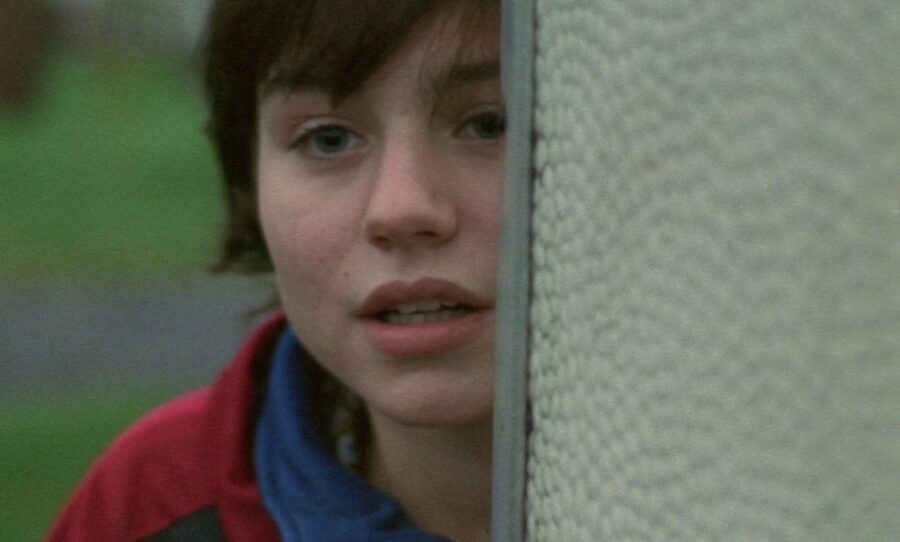
Naturalistic color grading avoids high contrast or stylized tones. Instead, it reflects the actual color and light of the space. This style is often mistaken for a lack of visual intention, especially when compared to more dramatic grading used in fantasy or noir films.
Lighting and Composition
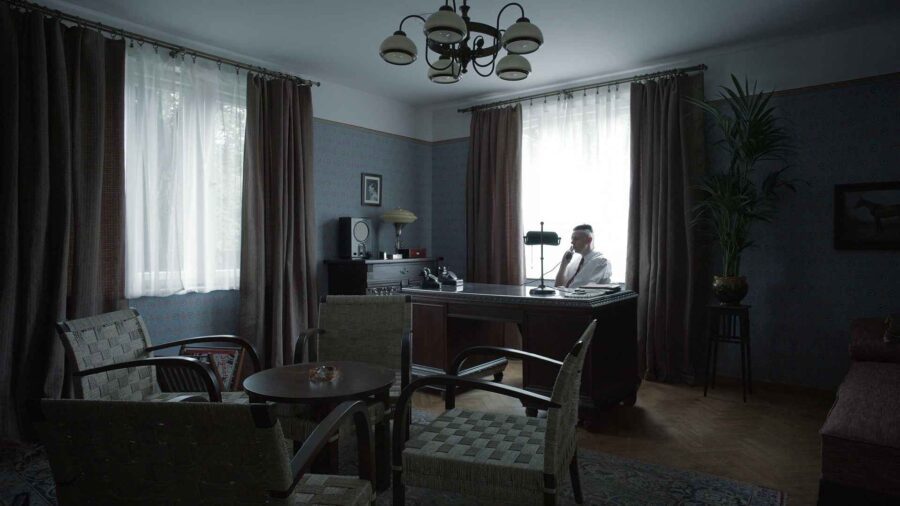
Most naturalist filmmakers rely on natural light or practicals. Scenes are not lit for beauty. They’re lit the way a room would look if no camera were present. This can make some shots appear “flat” or even “student-like,” especially when compared to standard cinematic lighting setups.
Dialogue and Performance
Naturalistic dialogue is often improvised or written to sound unpolished. It reflects how people actually speak, e.g., stopping, correcting themselves, and mumbling. Acting style leans into realism without emotional exaggeration. Even scripted lines are delivered in a way that avoids theatricality.
Plot and Structure
Naturalist plots avoid dramatic buildup or formulaic tension. Stories unfold slowly, often without resolution. The point is to watch life play out, not to reach a clear ending. This gives naturalist film its observational tone, even when dealing with major themes.
Essential Naturalist Films
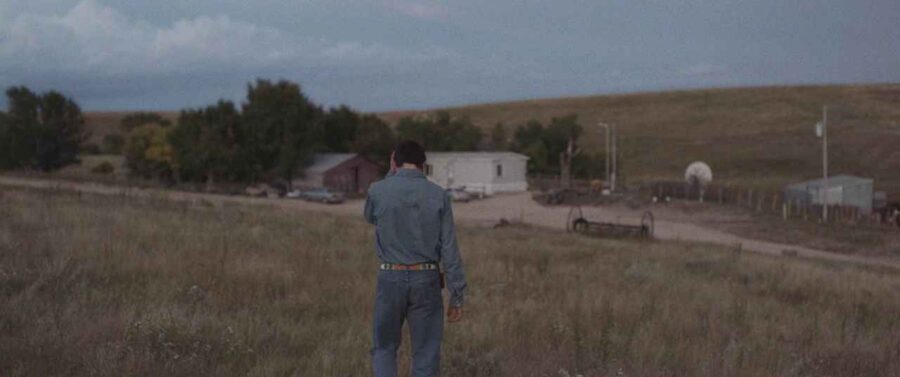
- The Rider (2017) – Chloé Zhao used real-life rodeo riders playing themselves, shot with natural light and minimal crew.
- Rosetta (1999) – The Dardenne brothers followed a teenage girl with a handheld camera, no score, and raw sound design.
- The Zone of Interest (2023) – Jonathan Glazer kept the camera distant and ambient, showing a Nazi officer’s family in mundane routine beside Auschwitz.
- A Woman Under the Influence (1974) – John Cassavetes let Gena Rowlands push the boundaries of emotional realism within long takes and loose blocking.
- Nil by Mouth (1997) – Gary Oldman’s directorial debut used aggressive realism and authentic London dialogue to depict addiction and family violence.
Dogme 95 and the Naturalist Extreme
Dogme 95 was a filmmaking manifesto created in 1995 by Lars von Trier and Thomas Vinterberg. Its rules rejected all artificial devices: no lighting, no props, no extra-diegetic music, no genre conventions. While few films followed these rules strictly, Dogme influenced a generation of filmmakers who wanted to return to realism through radical minimalism.
Unlike standard naturalist films, Dogme projects banned historical settings entirely, since no camera could authentically capture the past. But the manifesto helped push naturalism from a style into a philosophy, one that treated artificiality as deception.
Challenges of Naturalism in Modern Filmmaking
Naturalism has always struggled with perception. If you’re used to dramatic pacing, stylized color, and clear emotional cues, you might dismiss naturalist films as “boring” or “unfinished.” Flat lighting and unstructured dialogue can feel amateurish, even when intentional. Realistic color grading may resemble the log footage before color correction.
Historical naturalism presents another problem. A film like The Zone of Interest attempts to make the 1940s feel unfiltered, but it still has to use modern actors, reconstructed settings, and post-war assumptions. There’s always a tension between authenticity and recreation.
Naturalistic Acting Explained
Naturalistic acting aims to disappear. The audience shouldn’t notice the performance (read: it should feel like life.) This often involves method techniques, improvisation, and minimal rehearsal. The goal is to let actors behave as people would when unaware of a camera.
Mike Leigh develops his scripts through extended workshops with actors, crafting character psychology before writing a single scene. In Meantime (1983), this led to subtle, ambiguous performances that refused to make a clear political or emotional statement.
When naturalism works, the effect is immersive without spectacle. The viewer forgets the camera, the actor, and even the story. What’s left is behavior, quiet, unscripted, real.
Summing Up
Naturalism in film doesn’t chase perfection. It avoids polish and embraces imperfection. Through flat color, slow pacing, unstructured acting, and observational technique, it shows life on its own terms.
Whether used to explore class, identity, trauma, or time itself, naturalism remains one of the most honest (and most misunderstood) tools in a filmmaker’s toolbox.
Read Next: Curious how visual styles define film genres?
Explore our breakdown of Genre & Visual Style to see how movements like naturalism, noir, and surrealism shape what we watch.
Looking for the big picture? Visit our Film History, Theory & Genre page to connect techniques with the eras and ideas that shaped them.
