

Published: May 7, 2024 | Last Updated: October 6, 2025

What is a Trope? Definition & Meaning
A trope is a common theme, motif, or pattern that recurs across various creative works. It is often used to show particular concepts or narrative elements in ways familiar to the audience. Directors and screenwriters also use movie tropes to provide us with familiar experiences or subvert expectations. For example, a ‘Love Triangle’ is a common trope in rom-coms that adds complexity and drama to the plot.
Common Tropes in Cinema
There are many tropes in cinema, and it is impossible to include them here. So, below, I’ve curated a list of some of the most common ones and included a movie example.
The Chosen One
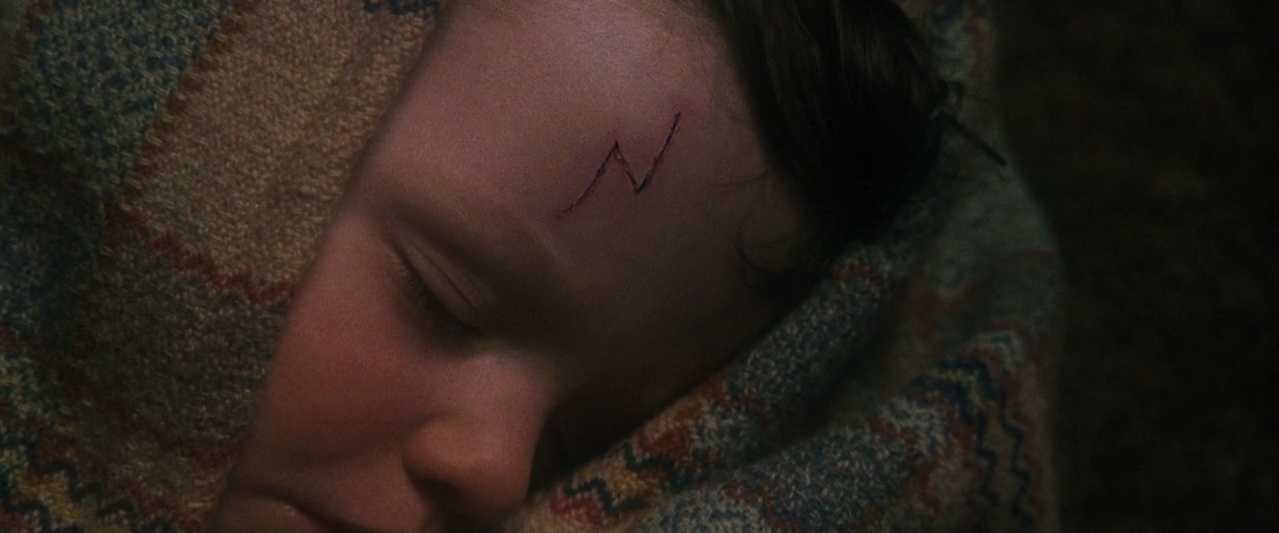
Image Source: Film-Grab
This trope involves a character destined to achieve greatness or overcome significant obstacles. Often, this character possesses unique abilities or traits that set them apart from others, marking them as special or “chosen” by some prophecy or legacy.
Example: In Harry Potter and the Sorcerer’s Stone (2001), Harry is “the boy who lived,” destined to face Voldemort.
Mentor Figure
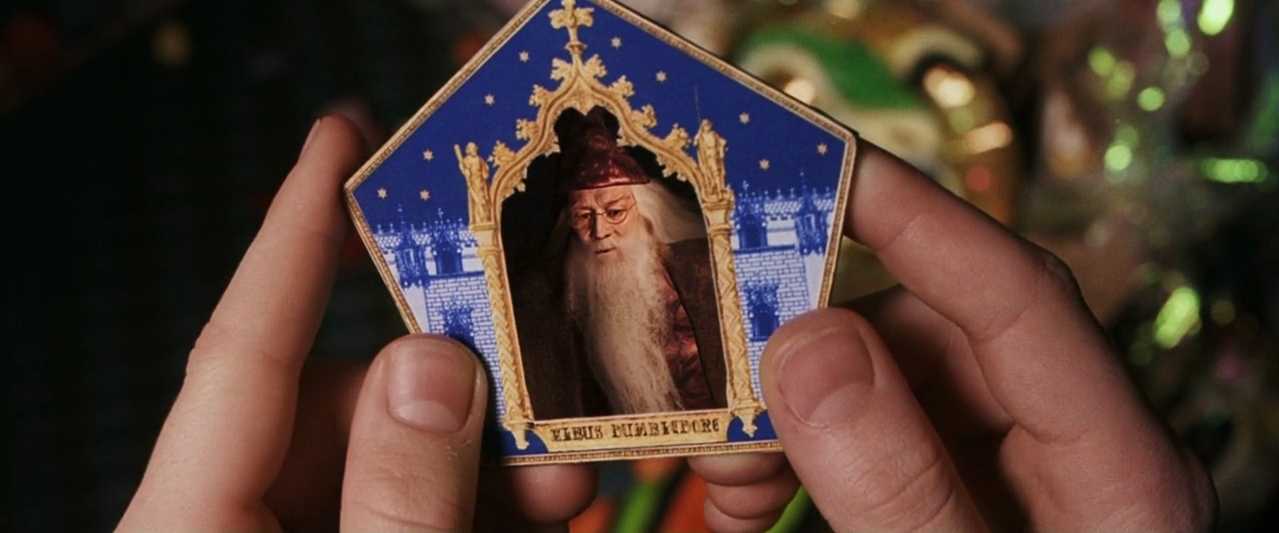
Image Source: Film-Grab
In many films, a wise and experienced character guides the protagonist. This mentor often provides knowledge and training to face the challenges ahead. They usually have a past deeply intertwined with the same issues the protagonist faces.
Example: Staying in the Harry Potter universe, Dumbledore is a great example of a mentor figure trope.
Read more on character tropes in film.
The Love Triangle
A love triangle is a classic narrative element involving three characters in a romantic entanglement. It adds drama, conflict, and tension to the storyline.
Example: Twilight (2008) explores the tense romantic triangle between Bella, Edward, and Jacob.
Read more about romance tropes in film.
Redemption Arc
This trope involves a character, typically presented as a villain or flawed individual, who ultimately transforms to seek redemption. Their journey is marked by significant personal growth and atonement for past misdeeds.
Example: Iron Man (2008) follows Tony Stark’s transformation from an indifferent arms dealer to a hero committed to saving lives.
Read more on character arcs in film.
The Final Girl

Image Source: Film-Grab
In horror films, “The Final Girl” is a trope where one woman typically survives the ordeal and confronts the antagonist, often prevailing. She represents purity and resilience, and her survival symbolizes good triumphing over evil.
Example: Scream (1996) features Sidney Prescott as the final girl who ultimately confronts and overcomes the killer.
Fish Out of Water
This trope plays on the humor and drama of a character in a situation or world entirely unfamiliar to them. Their naivety and often clumsy attempts to fit in drive the plot and character interactions.
Example: Crocodile Dundee (1986) doubles up on the fish-out-of-water trope. First, the New York City news reporter Sue (Linda Kozlowski) becomes a fish out of water (and damsel in distress stock character) in the Australian outback. Later, safari guide/crocodile hunter Mick Dundee (Paul Hogan) becomes a fish-out-of-water when he travels back to New York City with Sue.
The Unlikely Hero

Image Source: Film-Grab
An ordinary character is often thrown into extraordinary circumstances and must rise to the occasion, which they typically do through courage and ingenuity. This trope is celebrated for its emphasis on the potential within every individual.
Example: Shaun in Shaun of the Dead is an unambitious electronics store employee who rises to the occasion to save his friends and family during a zombie apocalypse.
Subverting Tropes
Filmmakers often subvert tropes to surprise the audience or comment on the trope itself.

Image Source: Film-Grab.
The ‘Damsel in Distress’ trope, traditionally used to depict female characters as needing rescue by male heroes, gets a creative twist in more recent films like Mad Max: Fury Road (2015). This film presents Imperator Furiosa as a strong, capable heroine central to her rescue and the rescue of others.
Another great example is Princess Fiona from Shrek (2001), who appears at first to be a damsel in distress but is, in fact, a powerhouse.

Image Source: Film-Grab
Lastly, I want to mention Jordan Peele’s subversion of the white savior trope in Get Out (2017). The white savior trope is a narrative where a white character rescues non-white characters from their plight, often reinforcing racial hierarchies and overshadowing the agency and contributions of the non-white characters. But in Get Out, Rose – who at first glance seems to embody the white savior role – is quite the opposite.
The difference between a cliché and a trope.
A trope and a cliche are not the same, though they often overlap in discussions about cinema and storytelling.
Tropes are not inherently negative; they become tools that help structure narratives and develop characters. For example, the “Mentor” trope, seen in characters like Obi-Wan Kenobi in Star Wars or Mr. Miyagi in The Karate Kid, guides the hero and shares knowledge.
On the other hand, a cliche refers to a trope or an element of a story that has become overused to the point of losing its original impact or novelty. It often carries a negative connotation because it suggests a lack of originality or creativity.
For instance, the “damsel in distress” trope was once popular but has become a cliche as audiences grew tired of seeing women in roles that require them to be saved by male heroes without agency.
So, while all cliches are tropes, not all tropes are cliches. A trope becomes a cliché when it’s overused and lacks freshness or originality. Filmmakers can use tropes effectively by giving them unique twists or deeper contexts, thus avoiding the pitfall of movie clichés.
Summing Up
A trope is a common or recurring cinematic or literary device, theme, or motif that filmmakers use to convey a concept to the audience quickly and efficiently.
Tropes are not inherently negative but an effective way to provide audiences with familiar experiences and subvert expectations. However, filmmakers risk veering into clichés when they use these tropes too predictably or without innovation.
Read Next: What are the archetypes in film?
