

Published: September 24, 2025 | Last Updated: July 4, 2026

What is Historical irony? Definition & Meaning
Historical irony is when outcomes of past events contradict what people expected at the time, and we perceive that contradiction in hindsight. In other words, people in the past held beliefs or made predictions, and those beliefs proved false or were reversed when viewed later.
Because historical irony relies on hindsight, it depends on knowing more than people did at the time. That knowledge gap is what produces the ironic tension. You see their confidence or prediction, and you see how wrong it turned out.
How Historical Irony Differs from Other Ironies
There are three common types of irony in literature and film:
- Verbal irony: Saying one thing but meaning the opposite. (For example, calling a disaster “a great success.”)
- Situational irony: When the actual result is the opposite of what is expected. (For example, a fire station burning down.)
- Dramatic irony: When the viewer knows something a character does not.
Historical irony is not exactly one of those three. Instead, it is contextual: it emerges when we look back on real events and see how expectations failed. It is closer to situational irony in that the outcome reverses expectations, but historical irony always involves real people, real beliefs, and real consequences across time.
Why Historical Irony Matters
Historical irony does more than surprise. It can:
- Reveal how flawed assumptions or blind spots shaped past decisions. (For example, people believed the Titanic was unsinkable.)
- Expose myths, propaganda, or official narratives by highlighting how they diverged from reality.
- Encourage reflection about the present: if past mistakes were predictable, maybe we repeat similar errors now.
- Allow filmmakers to play with time, memory, and public perception. Some films deliberately include anachronisms to strengthen the ironic contrast.
Examples of Historical Irony in Film
Historical irony shows up in many films that deal with real people, past events, or well-known time periods. These stories often highlight how public beliefs or confident predictions were completely wrong. We already know what happened, which creates tension or reflection as characters act on false assumptions. Below, I’ve picked some good examples
Dr. Strangelove (1964)
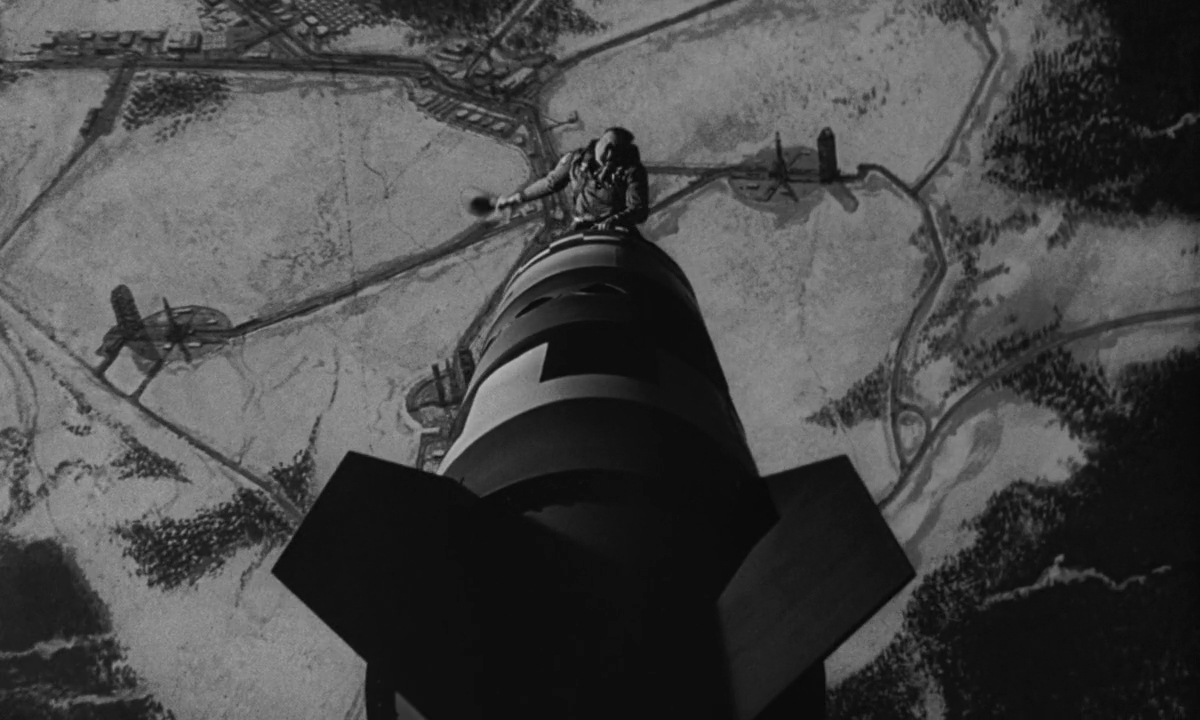
The military and political leaders believe they can contain nuclear escalation. Yet their own systems and logic push towards annihilation. The irony is that efforts intended to prevent war almost guarantee it.
Titanic (1997)

Everyone in the film treats the ship as unsinkable. Knowing the true historical outcome (it sank on its maiden voyage) casts all those assurances in both dramatic and tragic irony. The disaster undercuts every moment of hubris.
The Social Network (2010)
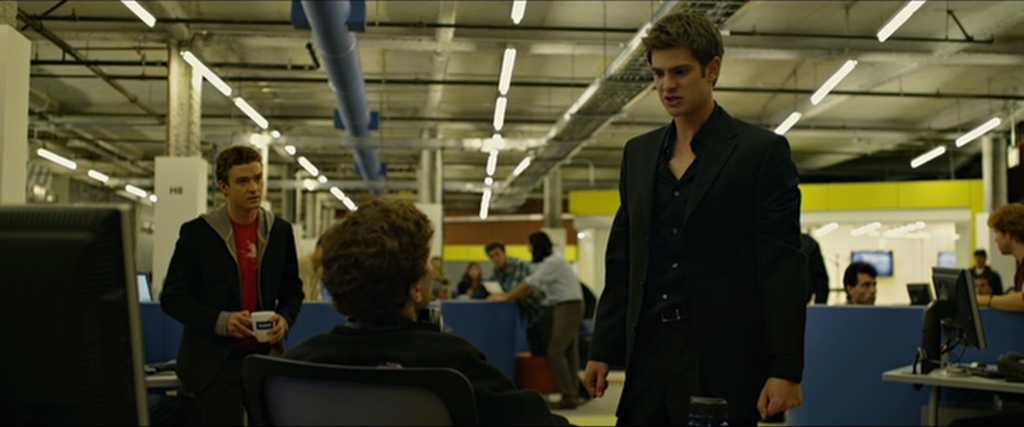
In the film, founders talk as if Facebook will be a friendly, egalitarian platform for college students. Years later, real controversies (data misuse, privacy, polarization) show how far those early expectations failed. The irony is woven into every portrayal of ambition and conflict.
Jojo Rabbit (2019)
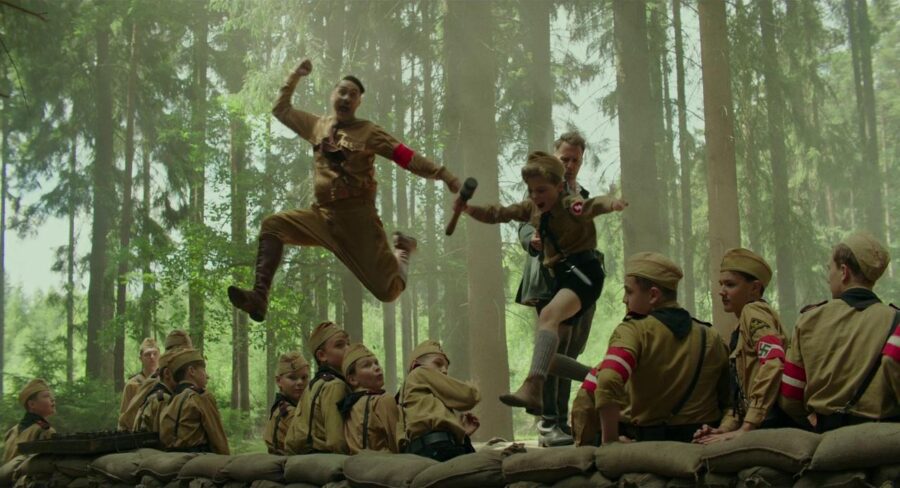
The film shows a child idolizing Hitler, believing in the fiction of Nazi ideology. Historical irony emerges as the viewer knows more: the regime’s horror, its collapse, the truth behind the lies. The film contrasts the child’s naive hope with harsh reality.
Presentist Irony, Visual Gaps, and Subtlety
You can use historical irony to add depth to your story, but it only works when you handle it precisely. You’re not just showing the past. You’re showing how people misunderstood the future, and how we now see their beliefs in a different light.
One common technique is using anachronisms. That includes modern language, music, or behavior placed in a historical setting. This is called presentist irony. It highlights how outdated or harmful ideas once felt normal. You use modern cues to contrast what people believed with what we know now.
Irony works best when it’s subtle. If it’s too obvious, the story can feel cold or smug. It shouldn’t replace the emotion of the scene. It should add to it.
Filmic irony is often harder to spot than it is in books. In film, irony often lives in the gap between what you show and what the viewer already knows. That gap could come from dialogue, visuals, period detail, or cultural references. If it’s not clear or well-timed, the irony gets lost.
How to Spot Strong Historical Irony in Films You Watch
If you’re watching for historical irony, or trying to use it in your own film, look for signs that the past is being shown through a sharper lens. Here are key things to look for.
- The story is set in a real historical period or clearly references real people or events.
- Characters express strong beliefs about the future that match what people believed at the time.
- You already know what really happened, and it’s very different from what the characters expect.
- The difference between belief and outcome adds weight. It can feel tragic, funny, or thoughtful depending on the tone of the film.
- The director may include modern touches like music, language, or camera style to signal how the story should feel today.
Summing Up
Historical irony highlights the gap between what people in the past expected and what later turned out to be true. It draws power from hindsight, real-world events, and the weight of broken assumptions. In film, it lets you see deeper truths, question myths, and feel how fragile confidence is across time.
Historical Irony FAQ
What is historical irony?
When hindsight reveals a sharp contrast between what people intended or predicted and what actually happened — a past statement or action that later looks ironic.
What is an example of historical irony?
Calling World War I “the war to end all wars,” or confident predictions that a new technology would fail that later became world-changing.
How is historical irony different from other types of irony?
It depends on the passage of real time: the irony only appears once later events reveal how wrong an earlier expectation was.
How is historical irony used in film?
Historical dramas exploit the audience’s knowledge of what came next — we wince at a character’s confident prediction because we know how history actually unfolded.
What is presentist irony?
Framing past events using present-day knowledge or values, which can create irony but risks unfairly reading the past through modern eyes.
Read Next: Want to dig deeper into screenwriting?
Start with the Screenwriter’s Toolkit on literary devices vs. elements – a deep resource covering every major literary device and element used in writing.
Then explore our collection of practical writing techniques covering dialogue, structure, and pacing.
Or jump into the free screenwriting course to start your first draft today.
You can also head back to the Screenwriting section for more tools, theory, and breakdowns.
