
Published: May 31, 2024 | Last Updated: October 28, 2025

What is A static shot in film? Definition & Meaning
A static shot (also known as a fixed shot) is when the camera stays completely still, usually locked on a tripod. It doesn’t pan, tilt, or move. The meaning comes from both the stillness of the shot and what’s inside the frame, i.e., the actors, the setting, and the mise-en-scène. Static shots can show calm, control, or make us sit with a moment.
Importance and Uses
One advantage of a static shot is that it creates a sense of stability in the scene. By keeping the camera fixed, the audience’s attention is drawn to the action within the frame without distraction.
A static shot is often given an “objective” status compared to motivated camera movements like tilts and pans. That’s because it acts as a static observer, whereas camera movements give the impression that the camera is actively interacting with and part of a scene.
Whereas a pan shot, for example, can draw attention to a moving character by following him from left to right, the static shot lets us find the most important thing ourselves, although our vision is still guided by framing and blocking.
This can be particularly effective in dramatic scenes where the focus needs to be on the actors’ performances or specific elements in the frame.
Emphasizing Composition
Since the camera does not move, the composition becomes central. This means you must pay special attention to the arrangement (mise-en-scène) of elements within the frame, including the positioning of actors, props, and background details. These elements carry important information and help create the mood. If it’s not important to the scene, it should be there.
Read more on set dressing.
Emotional Impact
A static shot can also be used to create a specific emotional tone. For instance, it can communicate a sense of calm and tranquility or heighten tension by focusing on a character’s reaction.
Things to Consider when Setting up a Static Shot
Since no fancy camera movements occur in a static shot, you must pay extra attention to the framing and composition.
Camera Placement and Perspective
The placement of the camera is key. It determines the perspective from which we see a scene and influences the shot’s impact on how it makes us feel. Fx, high-angle shots can make characters appear vulnerable, while low-angle shots can make them look powerful or imposing.
Read more about camera angles and their effects.
Framing and Composition
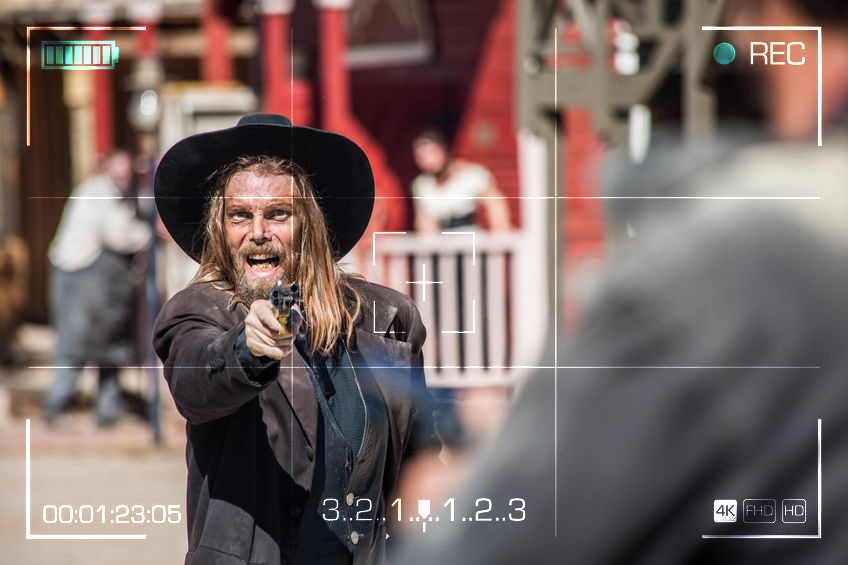
The framing of a static shot is paramount. Consider the rule of thirds, leading lines, and balance within the frame. The placement of actors and objects should always guide the viewer’s eye to the most important elements of the scene first.
Consider:
- Rule of Thirds: Dividing the frame into nine equal parts and positioning the subject along these lines creates a balanced and engaging composition.
- Symmetry: Symmetrical compositions can evoke a sense of order and stability.
- Leading Lines: Lines within the scene that guide the viewer’s eye toward the subject can enhance focus and depth.
Lens Choice
The lens choice can affect the static shot in terms of depth of field and field of view. Fx, wide-angle lenses can capture more of the environment, making them suitable for establishing shots, while telephoto lenses can isolate a subject, emphasizing their emotional state.
See the most used types of cinema lenses and focal lengths in Hollywood.
Lighting
Lighting plays a crucial role in static shots. Since the camera is not moving, changes in lighting can help convey shifts in mood or time. Consistent lighting is essential to maintain continuity within the scene.
Read more on basic lighting setups.
Static Shot Examples in Film
Below are five examples of static shots in movies and how they can create anything from calmness to loneliness to dehumanization.
Drive (2011)
Nicolas Winding Refn’s Drive features static shots to build tension and highlight the protagonist’s cool, detached demeanor (fx, we get static shots of him in the car, but much more dramatic shots of the car outside during car chases).
The shot of the Driver and Standard waiting in the car before a heist is static, creating a sense of calm before the storm. Also, when Standard gets out of the pawn shop, we get a static shot and a false sense that everything went well before he suddenly gets shot.
Her (2013)
Spike Jonze’s Her uses static shots to create a sense of loneliness and intimacy. Fx when we see Theodore lying on his bed, standing among strangers, busy looking at their phones in the subway, or sitting still, talking to OS1/Samantha.
For example, in the scene above, notice how we get a static shot when the AI is installed and Theodore begins interacting with it.
A Clockwork Orange (1971)
Stanley Kubrick’s A Clockwork Orange is filled with static shots and symmetry. Take, for instance, the scenes from the prison sequence. These shots emphasize the clinical and oppressive nature of the environment and contribute to the sense of inescapable control and dehumanization.
No Country for Old Men (2007)
The Coen Brothers’ No Country for Old Men utilizes static shots in multiple ways to build tension and establish the setting of each scene.
Take, for instance, the opening sequence of exterior establishing shots of vast, bare, desolate plains. This setting, with its foreground fields, mid-ground foothills, and background mountains, looks like something from an old Western movie. It implies stories of vengeance, lawlessness, and the lone cowboy. You sure can feel alone and lost here.
2001: A Space Odyssey (1968)
Here’s another Kubrick classic because he’s the master of static shots. Stanley Kubrick’s 2001: A Space Odyssey features numerous static shots contributing to the film’s contemplative and otherworldly atmosphere.
For example, the shot of the monolith on the moon is static, emphasizing the monolith’s mysterious and imposing presence.
Summing Up
The static shot is by no means boring if used in the right way and for the right reasons. By keeping the camera fixed, you can create a sense of stability, focus on composition, and trigger specific emotional responses.
Camera Movement List
Read Next: Want to master how camera movement affects tone and pacing?
New to camera language? Start with our Camera Shots & Angles FAQ for quick answers and visual breakdowns.
Then explore all camera movement techniques — from tracking shots and whip pans to handheld, Steadicam, and crane setups.
Or return to the Cinematography section to dive into lenses, lighting, and visual composition.