

Published: November 2, 2020 | Last Updated: July 3, 2026

What Are the Rhetorical Appeals? Definition & Meaning
Ethos, Pathos, and Logos are three rhetorical appeals used to persuade an audience through credibility, emotion, and logic. You can use them to build character traits, write persuasive dialogue, and design conflicts that feel clear and human. You can also use them in advertising to build trust, trigger feeling, or prove a claim with evidence.
Origins and The Rhetorical Appeals Triangle
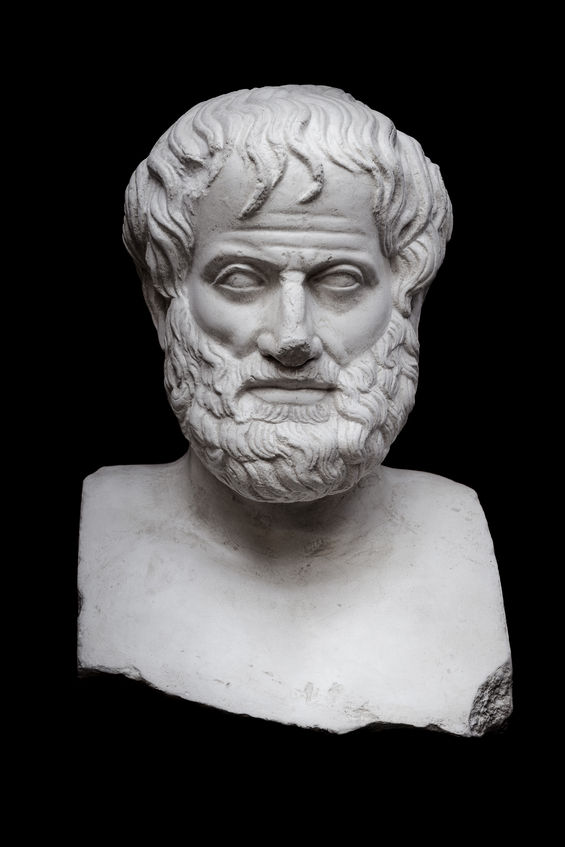
Aristotle, an ancient Greek philosopher, coined the terms Ethos, Logos, and Pathos. Together, they form the rhetorical triangle.
Understanding these concepts helps you break down or create strong arguments, whether in a blockbuster movie’s big climax or in a sharp commercial pitch.
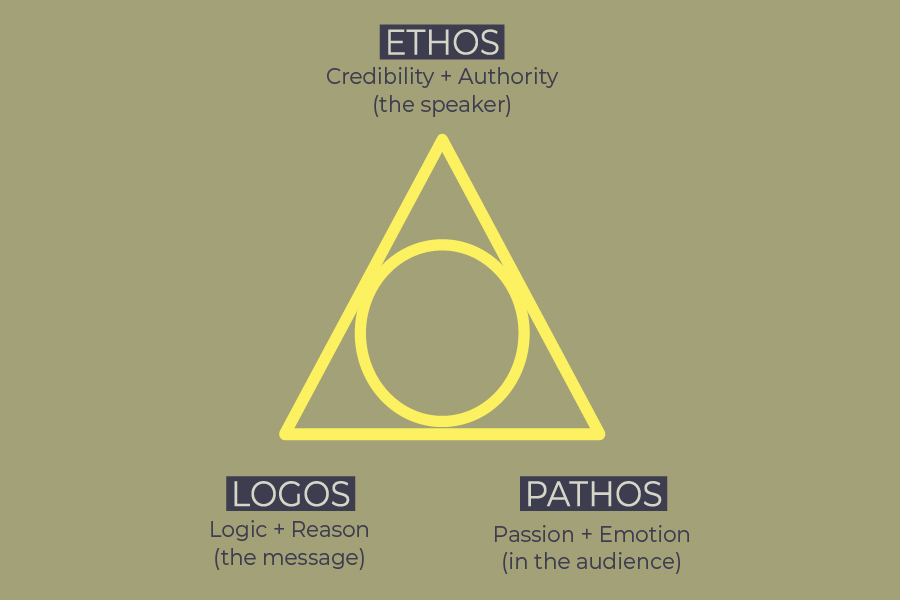
If you’re a screenwriter, you can use these appeals to build character traits and drive conflict. You can also use them to write sharp, persuasive monologues that land at key moments.
In advertising and communication, Ethos builds trust by pointing to credentials or reputation. Pathos works through emotion, like humor, fear, or nostalgia. Logos appeals to reason by offering facts, numbers, or step-by-step arguments. Most strong messages mix all three.
Ethos
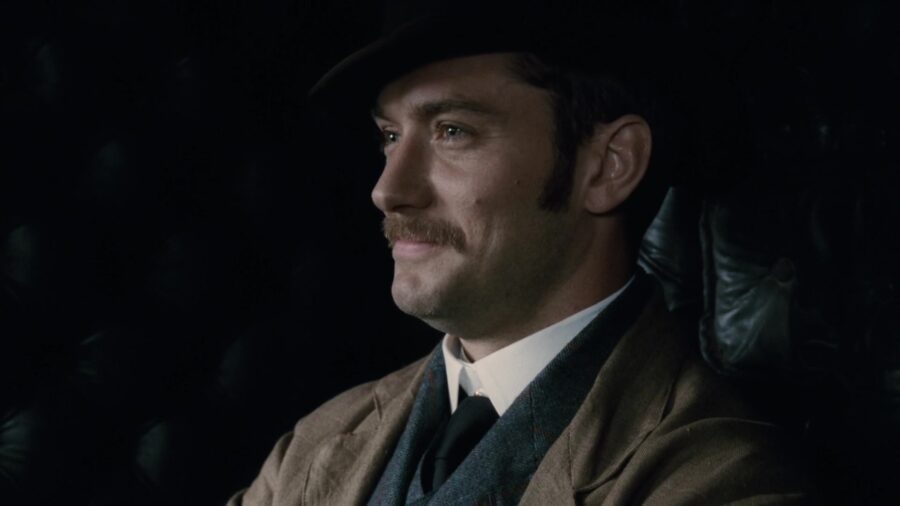
Ethos is the appeal to credibility. It shows why you should be trusted to speak on a subject. This can come from outside proof, like experience or reputation (extrinsic), or from the way you argue in the moment (intrinsic). When you use Ethos, you convince us that you are qualified to be heard.
Ethos examples in marketing or communication
Advertising often uses Ethos by borrowing credibility from a trusted figure, like a celebrity or expert.
For example, when LeBron James endorses a sports drink, his reputation as an athlete signals that the product supports high performance. The ad does not need to prove everything with data. His status does a big part of the persuasive work.
Celebrity Ethos: LeBron’s athletic credibility transfers to the drink. His presence signals high performance and makes the claim feel trustworthy.
Ethos can also appear in infomercials with trusted hosts or in documentaries where respected experts guide the message.
Ethos may change over time
Ethos depends on how the speaker’s character is judged, and that judgment can shift across groups or over time. A political figure can be seen as credible by one audience and rejected by another.
Celebrities can also lose Ethos when scandals break. Public perception can change quickly, which can weaken endorsements and slow career momentum. This is where another Greek rhetorical concept comes into play: Kairos.
Ethos examples in movies
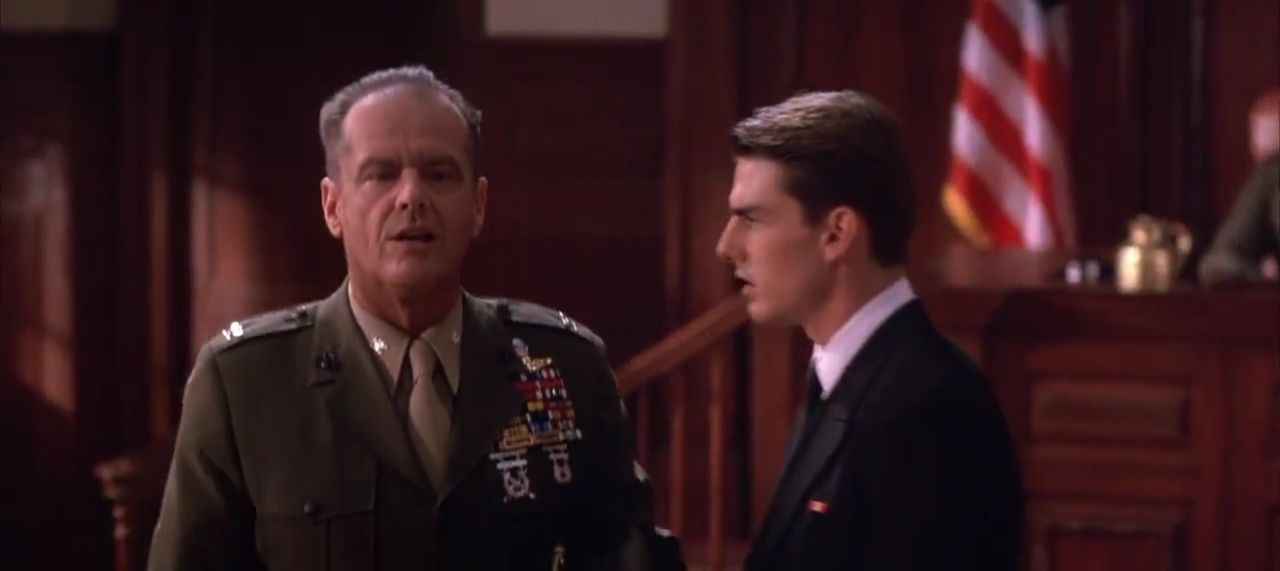
In feature films, Ethos often shows how well a story earns your trust in a character. A character’s backstory can build credibility by proving skill, sacrifice, or moral intent.
Courtroom dramas highlight this clearly, since the outcome often depends on who the jury, and we as viewers, believe is trustworthy.
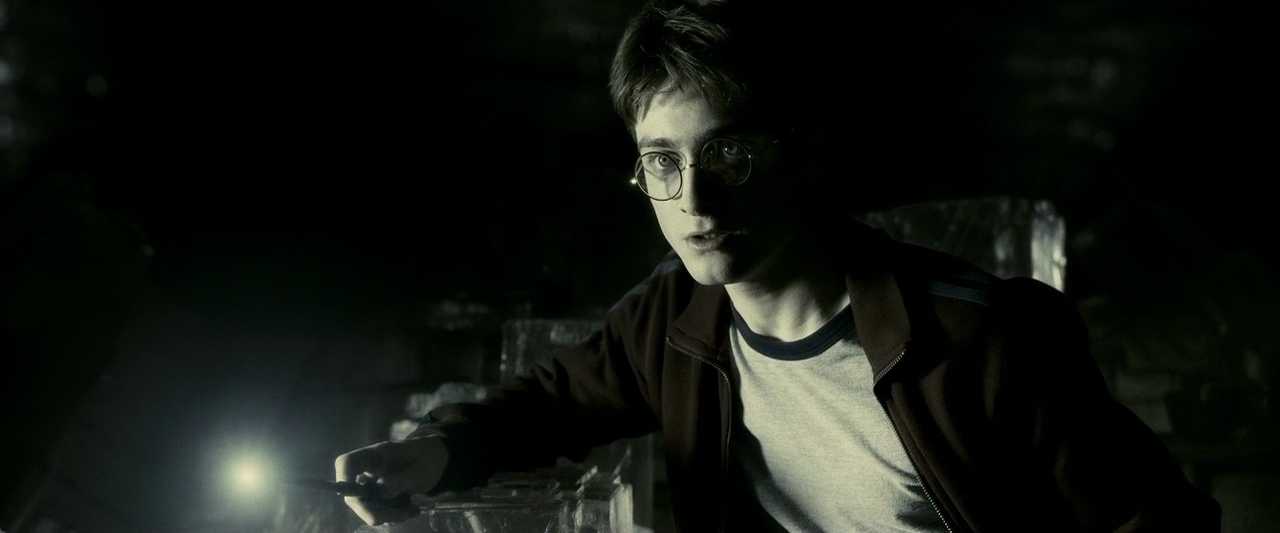
Harry’s Ethos does not come only from his lineage. The series strengthens his credibility through repeated moral choices. He accepts risk, protects others, and keeps acting with conviction even when fear would be easier.
Logos
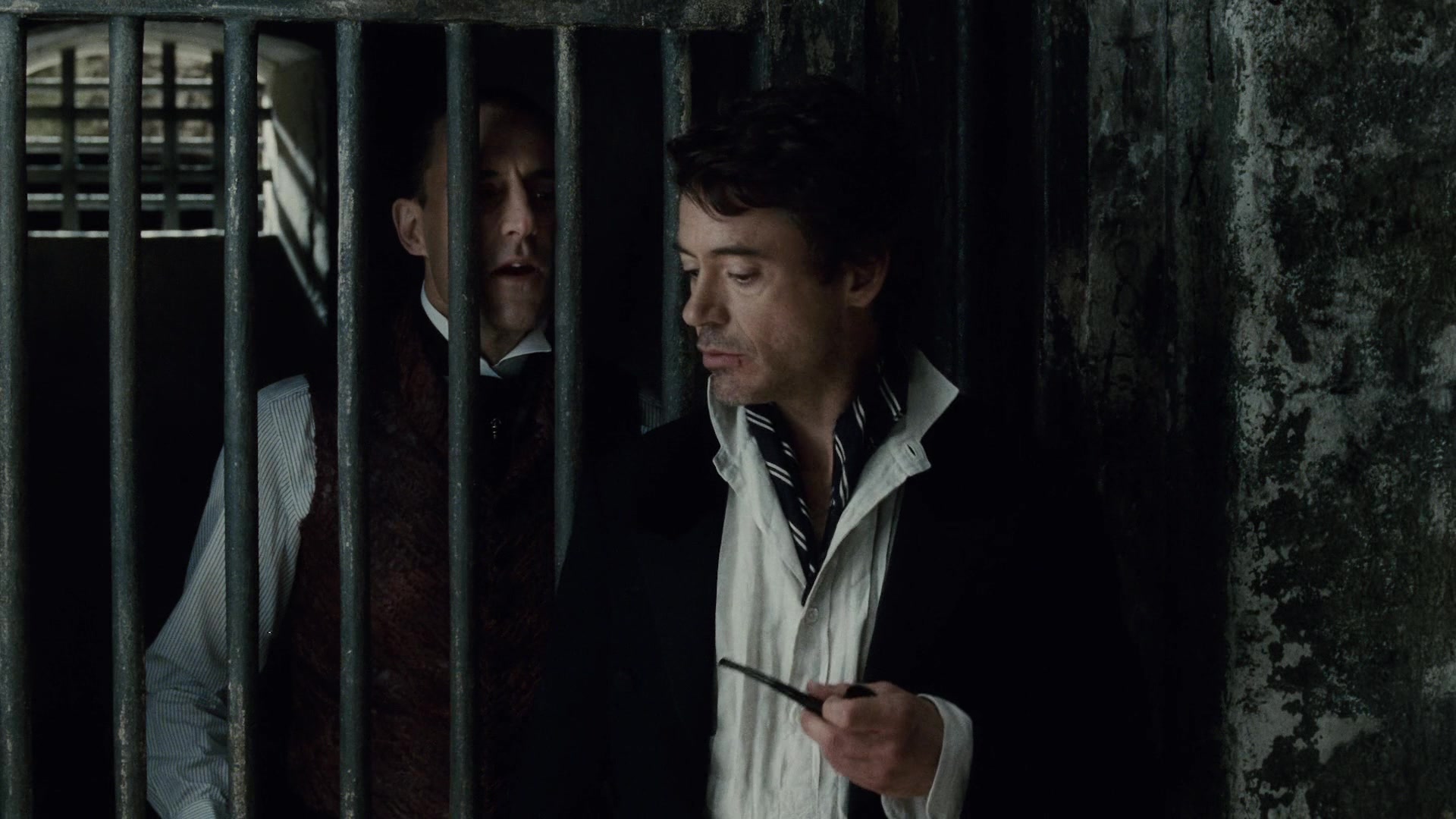
Logos is the appeal to logic. It builds arguments with clear reasoning, using evidence, facts, or step-by-step deduction. Strong Logos avoids obvious fallacies and leads the listener to a conclusion that makes sense.
In film, Logos appears in two ways. Characters use it in dialogue when they argue with evidence. Films also rely on it in plot logic, where each beat connects in a believable chain of cause and effect.
Logos examples in marketing or communication
Logos in advertising relies on data and rational arguments to prove a product’s value. This matters most when the audience needs measurable results.
Corporate Logos: the ad argues with facts and demonstrations, showing measurable gains from digital tools to persuade decision-makers.
Ads for medications also lean on Logos by explaining outcomes and presenting required data.
Pharma Logos: on-screen data and plain explanations of outcomes make a rational case for effectiveness, backed by required disclaimers.
If you are selling a new gadget with better specs than the competition, raw data can be decisive. The pitch becomes a logical comparison of features and performance.
Logos examples in movies

Logos in a narrative can also describe how well the story’s logic holds up. When each event follows the rules of the world, the argument of the plot feels trustworthy. This connects well with the idea of each beat of the story flowing into the next.
Some films also use Logos through literal argument structures. The narrative can guide us toward a conclusion by using analogies, tests of evidence, or ethical dilemmas that demand reasoning.
Pathos

Pathos is the appeal to emotion. It targets feelings such as fear, hope, grief, pride, humor, or belonging. The word Pathos relates to suffering or experience, which is why empathy often sits at the center of this appeal.
Pathos in ads links products to feelings like happiness, love, or identity. A commercial might show friends laughing over dinner to make you connect the brand with warmth.
Pathos works through what you see and hear, such as a touching story, a sad song, or images that create empathy.
Examples of Pathos in marketing or communication
Modern commercials use Pathos to connect emotion with a brand. They tell short stories that trigger joy, sadness, or tenderness so the message stays with you.
Story-driven Pathos: a lifelong pet bond creates sadness and warmth, linking the brand to care, loyalty, and memory.
Brands also use humor and cute imagery to build positive association and recall.
Joyful Pathos: humor and charming visuals build a positive feeling that makes the brand easy to remember.
Examples of Pathos in Movies

Pathos drives many films by building emotional stakes through character bonds and loss. Documentaries on climate change may also use striking images of floods, fires, or melting ice to create fear and urgency.
Pathos + Logos: urgent climate visuals create fear and concern, while scientific framing adds reasoning to the call to act.
Combining Ethos, Logos, and Pathos in marketing and communication
Many campaigns work best when the three appeals support the same goal. A trusted sender establishes Ethos. A vivid scenario triggers Pathos. A clear cause-and-effect message supports Logos.
This message combines all three appeals. A public authority carries Ethos. The crash scenario triggers Pathos. The implied risk calculation supports Logos. The result is a persuasive push toward safer choices.
Combining Ethos, Logos, and Pathos in Film
Writers and directors can build clean character friction by assigning different persuasive instincts to different roles. One character argues from emotion. Another argues from evidence. A third has the standing that can settle or intensify the conflict.
The Harry Potter trio often follows this structure. Ron reacts from feeling, Hermione argues from reason, and Harry’s moral standing gives him group authority. The pattern is not rigid, but it helps the conflicts feel consistent with who they are.
Take the dispute over Scabbers and Crookshanks.
Trio conflict with Ethos/Logos/Pathos: Ron argues from emotion, Hermione answers with reasons, and Harry’s standing helps mediate the dispute.
Ron accuses Hermione’s cat Crookshanks of a place of fear and loyalty. Hermione argues logically and downplays the emotional stakes. Harry tries to mediate because his standing gives him the best chance to restore balance in the group.
See more examples of the rhetorical appeals being used in advertising (case study).
Limitations and Criticism
The rhetorical appeals are useful, but they are not the only way to understand persuasion in film and advertising. Real scenes often blend many tools at once. The point is not to reduce a movie to three labels. The point is to notice how credibility, emotion, and logic compete inside specific moments.
Trade-offs Between Ethos, Pathos, and Logos
Ethos, Pathos, and Logos can support each other, but they can also clash. When you lean too hard on one appeal, you may weaken the others.
- Pathos overload can feel manipulative. A scene that pushes grief or fear without earned context can make you pull away.
- Logos overload can flatten emotion. If a character explains everything too rationally, the scene may lose urgency or intimacy.
- Ethos problems can break the argument early. If we do not believe the speaker’s character or competence, the best logic and emotion will not land.
These trade-offs matter in both ads and film scenes. The balance is part of the craft.
Genre Changes the Balance
Different genres tend to reward different mixes of the appeals.
- Horror often leans into Pathos through fear and dread. It can still use Logos, but logic often serves the emotional tension rather than leading the scene.
- Crime and detective films often foreground Logos. The emotional payoff usually hits harder when the reasoning chain holds up.
- Courtroom dramas frequently depend on all three. The lawyer’s credibility, the emotional stakes, and the evidence must pull in the same direction.
- Satire can invert the triangle. A character may present strong Ethos on the surface, while the film signals that we should doubt them.
Genre does not lock you into one path. It sets expectations you can follow or challenge.
Ethics of Persuasion in Advertising
Ethical note: Persuasion is not value-neutral. Ethos, Pathos, and Logos can help you communicate responsibly, but they can also be used to mislead.
Advertising raises the biggest ethical questions because it often targets vulnerable emotions and quick decisions. Pathos can be used to sell fear or shame. Ethos can be borrowed from celebrities who do not have real expertise. Logos can be shaped through selective statistics that hide important context.
A responsible approach keeps the emotional hook connected to truthful claims. It also avoids arguments that exploit grief, panic, or social pressure without giving the audience real information or control.
The Rhetorical Triangle Is One Lens, Not the Whole Film
Real films persuade you through more than dialogue and character traits. Visual style, acting choices, sound design, and editing can carry persuasion even when no one speaks.
A camera move can build Ethos by framing authority. A music cue can intensify Pathos. A reveal structure can strengthen Logos by making the chain of cause and effect feel earned.
This is why the triangle works best as a scene-level tool. It helps you diagnose why a specific argument lands, not why a whole film succeeds.
Subtle and Subversive Uses in Film
Many films complicate these appeals instead of presenting clean archetypes.
- Unreliable narrators can weaponize Ethos. The film builds trust in the voice, then reveals gaps that force you to reassess everything you accepted. A good example is Fight Club (1999, 20th Century Fox), which uses voice and perspective to build credibility before undercutting it.
- Anti-heroes can earn Ethos through competence while failing morally. This creates tension between trust in skill and doubt about values. You can see this kind of split in Nightcrawler (2014, Open Road Films), where ambition and manipulation complicate credibility.
- Competing truths can create dueling appeals. Another strong example is Gone Girl (2014, 20th Century Fox), which plays with public image, emotional narratives, and strategic logic to show how persuasion can be staged and performed.
These examples show that persuasion in film often involves misdirection, role-play, and shifting power, not just honest argument.
Summing Up
Ethos, Pathos, and Logos remain core tools for persuasion in film and advertising. You see them in character credibility, emotional stakes, and arguments built on evidence. When you understand how each appeal works, you can write more convincing scenes, build sharper conflicts, and craft marketing messages that feel clear rather than noisy.
Rhetorical Appeals FAQ
What are ethos, pathos, and logos?
The three rhetorical appeals defined by Aristotle: ethos (credibility), pathos (emotion), and logos (logic and reasoning). Persuasion is strongest when all three work together.
Who came up with ethos, pathos, and logos?
The Greek philosopher Aristotle, in his Rhetoric (4th century BCE). The framework has remained the foundation of persuasion ever since.
How are ethos, pathos, and logos used in film?
Characters and stories build credibility (ethos), stir emotion (pathos), and present logical arguments (logos) to persuade both other characters and the audience — think of a courtroom speech or a rousing call to arms.
What is the difference between ethos and pathos?
Ethos persuades through the speaker’s credibility and character, while pathos persuades by stirring the audience’s emotions. One is about trust; the other is about feeling.
What is kairos?
A fourth appeal sometimes added to the three: kairos is the right timing or opportune moment that makes a message land.
Read Next: Curious how film theory shapes the way we watch movies?
Start with the Film Theory section to break down realism, formalism, structuralism, and more — with examples from iconic films.
If you want studying film theory I recommend starting with The FilmDaft overview of film theory discourses to break down realism, formalism, structuralism, and more — with examples from iconic films.
Then explore the full Film History, Theory & Genre collection to see how movements, styles, and storytelling traditions have evolved.
Whether you’re into Soviet montage or 2000s genre mashups, there’s something here to sharpen your understanding.

This is verrry useful and helpful for I havent a clue how to work my film analysis around this trio. Thanks heaps.
Hi Badrul.
We’re glad to hear you found it useful. Good luck with the analysis 🙂
Best, Jan
It was somewhat helpful, but I still learning the data
Is there something, you want me to elaborate on to help you?
This was very helpful however; I felt as though the choice of film used as an example is an easy one is there any way you can explain one of the methods using what you would feel is a more complicated or less obvious example or the three.
Sure. Are you interested in an analysis example of a movie or a commercial?