

Published: July 10, 2024 | Last Updated: February 17, 2026

Overview
Definition: A static character stays the same throughout the whole story, even when the plot hits them with major pressure.
What you’ve seen before: You’ve seen this when a character faces danger, loss, or temptation, and they still choose based on the same core belief you saw at the start.

Example: In Star Wars (1977, Lucasfilm), Obi-Wan Kenobi acts as a steady mentor as the situation escalates. He guides Luke toward the Force, stays calm under threat, and holds the same worldview in his early scenes and his final scenes.
Why it matters: A static character can give your cast a stable point of reference. That helps you show another character’s growth more clearly, because one person stays steady while the other changes. It also affects structure. You do not need to spend extra screen time on “change beats” for the static character, so you can focus on action, obstacles, and consequences.
- Key takeaway 1: Track the character’s core belief and choice pattern, then check whether it stays consistent from the start to the end.
- Key takeaway 2: Put a static character next to a changing character, so the change shows up through conflict and decisions.
- Key takeaway 3: If the story works better with the character staying steady, do not force a late “lesson learned” moment.
Static characters often work well as foil characters because their consistency makes another character’s movement easier to see. Static characters also show up as mentors, rivals, and authority figures who add context and keep the plot moving.
A static character can also be the protagonist. A story can stay gripping through escalating tests and rising stakes, even when the lead’s inner rule stays the same.
The rest of this guide shows how to spot a static character with scene evidence, how to write one on purpose, and how to avoid common mislabels.
Static character: definition and meaning in film
In screenwriting and film analysis, the label static character is a tool for mapping how change is distributed across a cast. You track who changes their inner rule, who stays stable, and who causes the pressure that forces change in someone else.
This sits inside a bigger character framework that includes character arcs, foils, and theme. A static character can hold the theme steady while the plot tests it in tougher and tougher situations. A static character can also act as the fixed force that makes another character’s transformation easier to prove on screen.
When you outline a story, it helps to mark the lead’s “inner rule” in one sentence, then mark the main tests that challenge that rule. If the rule holds through the ending, you are looking at a static character design, even if the plot around them changes a lot.
The core idea: internal stability under pressure
A static character can live through huge external change. The key question stays simple. When the story squeezes them, do they update their inner rule, or do they hold it?
Inner rule is the belief or value that decides how the character chooses when there is risk. It is the part of them that stays the same, even when everything around them shifts.
External change is what happens to the character. The plot can bring new dangers, new relationships, new information, and higher stakes.
Internal change is what happens inside the character. Internal change shows up as a new belief, a new moral line, or a new way of coping that still holds true at the end.
Why static characters matter in screenwriting and film analysis
Static characters matter because they change what the story proves at the character level. Some stories prove transformation. Other stories prove endurance, commitment, or refusal to compromise, and the world around the character becomes the thing that shifts.
Static characters can carry theme through consistency
Static characters can carry a theme because the story can ask the same value question in harder forms. The character keeps answering with the same priority, and the cost keeps rising.
A good value question sounds like this: “Do I protect people even when it costs me?” If the character keeps paying that cost, the film can explore what that value demands.
Static characters can drive plot by forcing reactions
Static characters can drive plot because they refuse to bend. Other characters must adapt, escalate, or reveal their real priorities because the static character does not give them an easy outcome.
This is one reason a static character often works well as a foil character. Their steadiness makes another character’s change easier to spot scene by scene.
Static characters can fit cleanly inside strong genre engines
Static characters can fit well in genre engines that run on problem-solving and tests of skill. This is common in action films, detective stories, procedural stories, and survival thrillers.
In those stories, the plot becomes a sequence of escalating tests. The character’s inner stability keeps the story focused on choices under pressure, not on a changing identity.
How to tell if a character is static
You can diagnose a static character without guessing the writer’s intent. Treat it like evidence work. Compare what the character values and how they choose at the start versus the end.
- Write the starting inner rule in one sentence. Choose something you can prove in scenes, such as “I do the right thing even when it costs me,” or “I only trust myself.”
- Find an early pressure test. This shows the baseline choice pattern.
- Find a late pressure test. This shows what the story did to the character.
- Compare choices more than dialogue. Choices reveal values under risk. Dialogue can be masking or performance.
- Check the ending for a lasting update. A one-scene tactic change is not enough. Look for a new inner rule that still holds at the end.
Track repeated decision patterns
Repeated decision patterns are the fastest proof. Pick two or three scenes where the character must decide fast, and look for the same priority showing up in different contexts.

Paddington in Paddington (2014, StudioCanal) is a clean example of steady values under chaos. He keeps choosing politeness and trust, even when people misunderstand him. The change lands on the Brown family and the people around them, because they move from suspicion to protection.
Separate competence arcs from character arcs
Competence arcs can look like character change, so it helps to separate them. A character can learn facts, gain allies, or improve at a skill, and the inner rule can still stay the same.
If you keep notes split into “skills and tactics” versus “beliefs and values,” your analysis stays clearer.
Check where the story’s main transformation landed
If the lead stayed stable, ask where the emotional shift landed instead. In many static-character stories, the ally, the family unit, the community, or the moral state of the world carries the main transformation.
This also connects to characterization. A static character still needs on-screen proof through what they say, do, and choose.
Static vs dynamic characters
A static character stays consistent at the level that matters for an arc. A dynamic character ends with a different inner rule than the one they started with, and the story builds that change step by step.
If you want the companion term, see dynamic character, then compare what “change” means in each case.
Static vs flat vs round
Static is about change across time. Flat and round are about depth in the present. These labels answer different questions, so they often get mixed up.
If you want quick depth definitions, see flat character and round character.
- Flat + static: The character has a small trait set and stays stable. This often fits a “job” character who reacts the same way in every scene.
- Flat + dynamic: The character has simple traits, and the story still flips their core belief by the end. This often shows up in tight morality stories.
- Round + static: The character has layers you can prove in scenes, and their inner rule still holds at the end. The interest comes from how they apply that rule under different pressures.
- Round + dynamic: The character has depth and also transforms. Many lead roles aim for this because it supports both plot turns and emotional change.
If you want a one-page comparison of these labels, see character types explained.
Common narrative functions of static characters
Static characters often do a specific job in the story’s system. When you name the job, you can write the character with more control, and you can avoid forcing an arc that the story does not need.
The moral anchor
The moral anchor stays steady so the film can explore the cost of staying decent under pressure. The plot keeps attacking the same moral line, and you track what it costs the character socially and emotionally.
Atticus Finch in To Kill a Mockingbird (1962, Universal-International Pictures) stays committed to fairness as backlash rises. The town’s behavior escalates through intimidation and social pressure, and the biggest internal shift lands on the children’s view of their community.
The catalyst
The catalyst triggers change in other people without changing in a lasting way. This fits stories where the main subject is a family, a group, or a community.
Mary Poppins in Mary Poppins (1964, Walt Disney Productions) enters with a firm worldview and a clear method. The family’s habits and priorities shift around her, and she leaves with the same inner rule she arrived with.
The foil
The foil stays stable, so another character’s movement reads more clearly. The foil’s consistent choices create contrast in scene after scene, which makes growth easier to prove.
If you want a focused definition, see foil character.
The negative constant
The negative constant stays stable in a destructive way. The character refuses to update, even when the story offers evidence that should change them. This can support tragedy, satire, or horror, depending on the genre.
Anton Chigurh in No Country for Old Men (2007, Miramax) is often read this way. His personal logic stays fixed, and the tension comes from watching other characters collide with that fixed logic.
How to write a compelling static character
Writing a static character still takes design. You choose what stays stable, how the plot attacks it, and how you prove consistency without repeating the same scene in a loop.
1) Pick an inner rule that can cost something
Start with a rule that creates conflict. A rule that never costs anything will not hold a feature-length story.
2) Build escalating tests that target the same rule from different angles
Escalation keeps a static character from feeling repetitive. Each test can raise the price, change the context, or threaten something the character protects.
3) Prove the rule through choices under pressure
A static character feels convincing when you can point to decisions that carry risk. Values stated in dialogue matter less than values proven through action.
4) Put the character next to someone who can change
A static protagonist often works best with a dynamic ally, partner, or antagonist. The stable character becomes the constant force, and the other person becomes the movement.
If you want to map change cleanly, see character arc.
- Write a baseline scene. Put the character in a small pressure moment early, and let their default choice show.
- Write a compromise temptation. Offer an easier path that breaks their rule, and make it feel attractive.
- Write a higher-stakes repeat. Bring back the same value choice later, and raise the cost or the danger.
- Write an ending proof. End on a decision that confirms the rule survived the story’s hardest test.
Common misunderstandings and limits
Most bad “static character” calls happen when the word becomes a vague insult, or when it replaces a more precise label. If you keep the definition tied to scene evidence, the term stays useful.
- Static is not a quality rating. The label only describes internal change across time. A static character can still be gripping.
- Static is separate from depth. A character can stay stable and still feel layered. That is where “round” becomes useful.
- Big events change the plot, not the inner rule. A character changed when later choices prove a new belief.
- Static can still have an arc shape. A story can test the same belief under escalating pressure, and that escalation can still feel like an arc.
Static characters also have limits. If a story’s main promise is inner transformation, a static lead can feel like a mismatch. If the genre promise is problem-solving, pursuit, survival, or investigation, a static lead can fit well as long as the tests keep escalating and relationships keep shifting.
In long-running series, the label can get messy. Many episodic heroes stay stable by design, so new episodes can start clean. When you analyze a single film, judge the character inside that one narrative.
Examples of static characters in film and literature
Examples help because you can test the label against scenes. The question stays the same in every case. Does the inner rule at the end match the inner rule you saw at the start?
Examples from movies
Below are three great examples of static characters from film:
Hannibal Lecter in The Silence of the Lambs (1991, Orion Pictures)
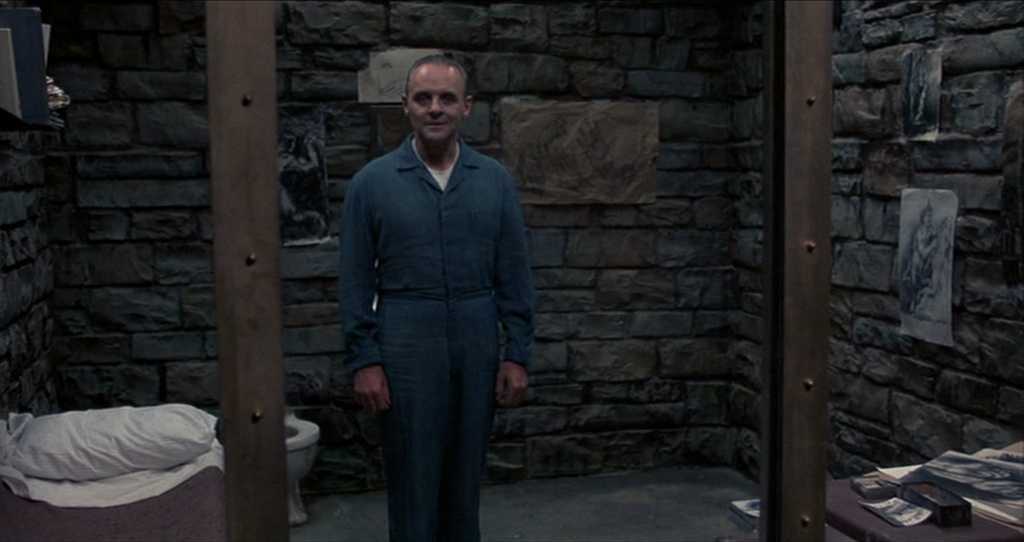
Lecter stays controlled, manipulative, and intellectually dominant. The film tests how others react to him more than it changes him.
Terence Fletcher in Whiplash (2014, Sony Pictures Classics)

Fletcher stays committed to a harsh teaching philosophy built on pressure and humiliation. The consequences build around him, and his core method stays the same.
Superman in Superman (1978, Warner Bros.)
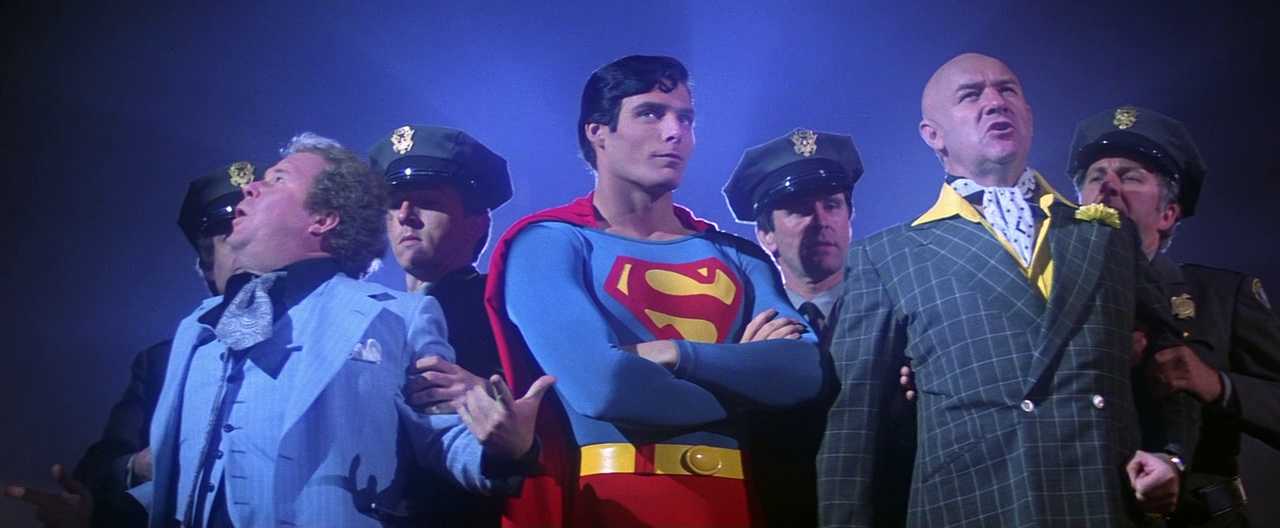
Superman stays anchored by responsibility and restraint. The plot tests what that commitment costs, and the tension comes from whether the world will accept the kind of hero he chooses to be. For a wider genre frame, see superhero.
Examples from literature
Sherlock Holmes in Arthur Conan Doyle’s stories: Holmes stays driven by logic and deduction across case after case. The mysteries change, and his method stays steady.
Gandalf in The Lord of the Rings: Gandalf stays focused on resisting Sauron and protecting Middle-earth. His role shifts as the war grows, and his purpose remains consistent.
Captain Ahab in Moby-Dick by Herman Melville: Ahab stays obsessed with hunting the white whale. His inner rule does not soften, and the story turns that stability into tragedy.
Summing Up
A static character stays internally stable across the whole story. The plot can still hit them with high stakes, hard decisions, and real danger. The proof is that their inner rule still matches what you saw at the beginning.
Static measures internal change across time. Flat and round measure depth in the present. When you keep those measurements separate, your analysis gets cleaner, and your character design choices get clearer.
To write a strong static character, pick an inner rule that can cost something, build escalating tests that attack that rule from different angles, and prove the rule through choices under pressure. Then let the story’s biggest internal shift land where the narrative needs it, which is often in other characters or in the world around the lead.
Read Next: Want to write characters that feel real on the page?
Start with our Free Screenwriting Course — a complete foundation in structure, dialogue, and building compelling characters.
Then browse all character development articles — from internal conflict and arcs to ensemble design and protagonist logic.
Or return to the Screenwriting section for formatting, story structure, and writing tools.
