

Published: July 3, 2024 | Last Updated: February 4, 2026

Overview
Definition: Characterization is the deliberate way you show who a character is through what they say, do, and choose in specific moments.
What you’ve seen before: You have felt this when a character’s small decision early on tells you how they will handle the main crisis later.
Example: In Alien (1979, 20th Century Fox), Ripley refuses to open the airlock after the crew brings an infected crewmate back to the ship, because she follows quarantine protocol even when others get emotional. That single choice tells you she is disciplined, cautious, and willing to be disliked to keep people alive.
Why it matters: Characterization keeps scenes from feeling interchangeable because each beat can reveal a value, a fear, or a coping habit. It also keeps departments aligned. Performance direction, blocking, props, and coverage should all support the same idea of who this person is. When that pattern stays consistent, you believe the next decision even when the plot pressure spikes.
- Key takeaway 1: Build characterization through choices under pressure, not descriptions on the page.
- Key takeaway 2: Track patterns (how they react, what they avoid, what they want) so each scene stays consistent.
- Key takeaway 3: Use specific behavior (actions, wording, routines) that the camera can actually show.
Next, you’ll see how characterization works at three levels: what the script states, what the character does under pressure, and what the film’s craft choices quietly prove on screen.
What is Characterization in Film? Definition & Deeper Meaning
Characterization is how a story makes you understand who a character is, using what they do, what they say, and what they refuse to do. Some films state traits directly (“She never misses”). Stronger moments prove traits through behavior, so you can point to a choice and say, “That is who this person is.”
Characterization vs. Character Development and Character Arc
These three terms get mixed up a lot, so it helps to separate what the viewer learns right now from what changes over time.
Characterization is how the film shows you who a character seems to be in the moment. You pick it up through habits, values, status, contradictions, and the impression they leave on other people.
Character development is what shifts across the film. A character’s mindset, behavior, or relationships can change, or the film can reveal a side of them you did not see at first.
Character arc is the pattern of that change. The arc can move in a positive direction, a negative direction, or stay flat, where the character stays consistent and pushes change onto others.
Rule of thumb: If it answers “Who is this right now?”, it is characterization. If it answers “Who are they becoming?”, it is character development. The mapped direction of that change is the character arc.
Types of Characterization
Film usually characterizes in two main ways. The movie can tell you something directly, or it can show you enough evidence that you infer the trait yourself. Most films mix both.
Direct Characterization in Movies
Direct characterization is when the film gives you information outright. You get it through dialogue, voice-over, on-screen text, or a moment where one character describes another.
- A detective reads a case file that states a suspect’s history and reputation.
- A narrator states a character’s traits (common in films with voice-over narration).
- Another character claims a trait (“She never misses”), and the film later proves it true or false.
Film examples (scene-level pointers):
- The Grand Budapest Hotel (2014): the framing narrative and older Zero’s recollections push M. Gustave’s reputation early (opening framing and early hotel stories).
- Goodfellas (1990): Henry’s voice-over lays out his wants and values right away, which steers how you read what comes next (opening voice-over and early neighborhood sequences).
Indirect Characterization in Movies
Indirect characterization is what you infer from what the character does and how the film presents them. You learn through choices, reactions, appearance, and the way other people respond. The film gives you clues, then you connect the dots.
- A character stays calm under pressure while others panic.
- An apartment, wardrobe, and posture signal class, taste, and self-image before the character speaks.
- The way someone treats strangers reveals values faster than an explanation does.
Film examples (scene-level pointers):
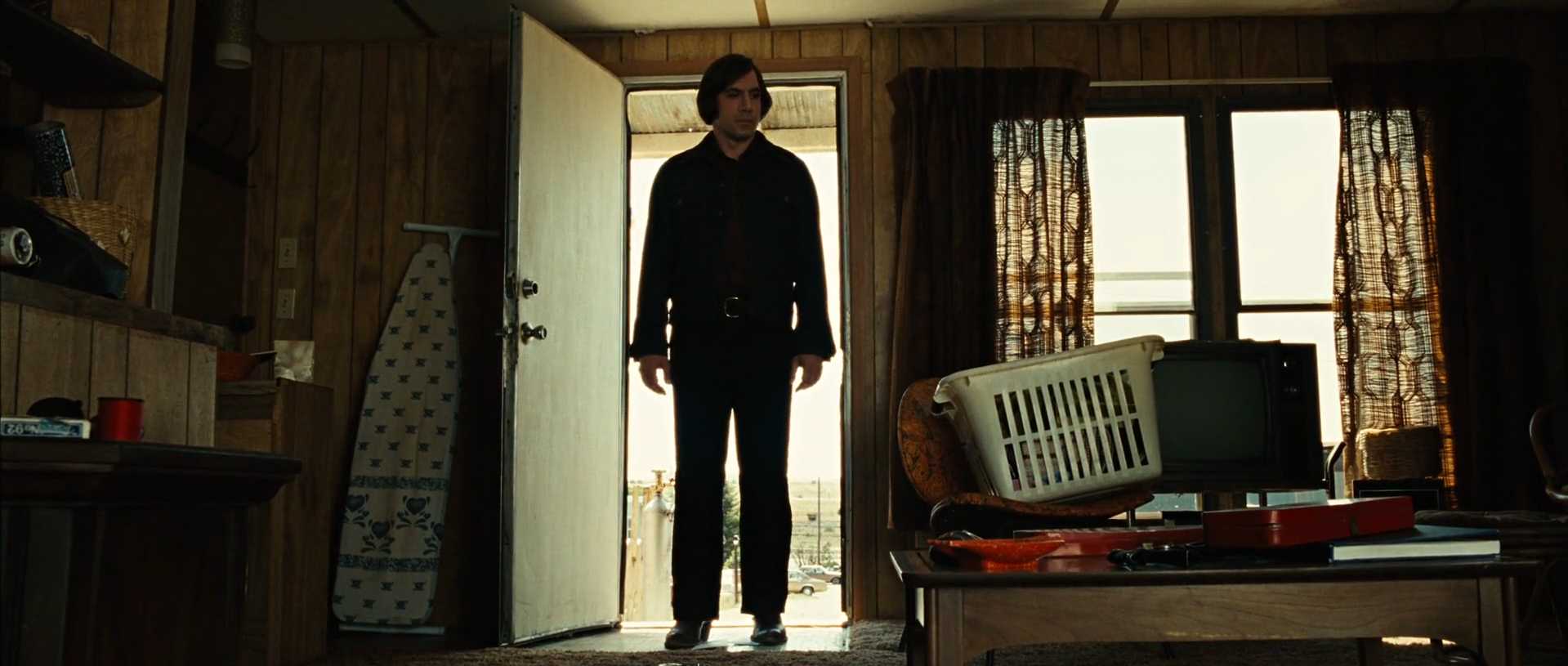
- No Country for Old Men (2007): Chigurh’s stillness, timing, and ritual-like choices communicate danger without a biography speech (the gas-station coin-toss scene).
- Mad Max: Fury Road (2015): Furiosa’s competence shows up in decision speed, follow-through, and control under chaos (the War Rig escape and pursuit beats).
Characterization on the Page vs. on the Screen
The medium changes what the writer can put on the surface. A novel can tell you what a character thinks. A film has to make the most of what is readable through what you can see and hear.
How Novels Characterize
A novel can place character information inside the narration itself, so you can learn traits without watching behavior first.
- Inner monologue and direct thoughts
- Narrator commentary (omniscient or limited)
- Narrative voice (tone, diction, rhythm)
- Backstory delivered as text
How Films Characterize
Film usually externalizes character through craft. You learn the person from patterns in performance, staging, image, and sound.
- Performance: timing, expression, movement, micro-reactions
- Blocking: where the actor stands, who they face, who they avoid
- Wardrobe, hair, and makeup: status, self-image, transformation
- Production design and props: what they keep, repair, display, or hide
- Cinematography: framing, camera distance, lens feel, movement
- Sound and music: environments, motifs, noise versus silence
- Editing: emphasis through selection and repetition
This is why film characterization can land fast. A single glance, a habit, or a choice under pressure can tell you who someone is before they explain anything.
Writing Elements of Characterization
Writing elements of characterization are the building blocks you can plan in a script. They are the pieces that make a character readable through choices, habits, and pressure, even before you think about camera style.
You can write these elements as actions and decision points, then the director and departments translate them into performance, blocking, props, and coverage. The writing still has to carry the core logic first.
How many details you need depends on the job the character does in the film. A stock character usually needs fewer specific traits than a character who carries the main plot, drives a subplot, or changes across the story.
Here are key elements you can use in film and screenplays, plus what each one actually does for the viewer.
Physical Description
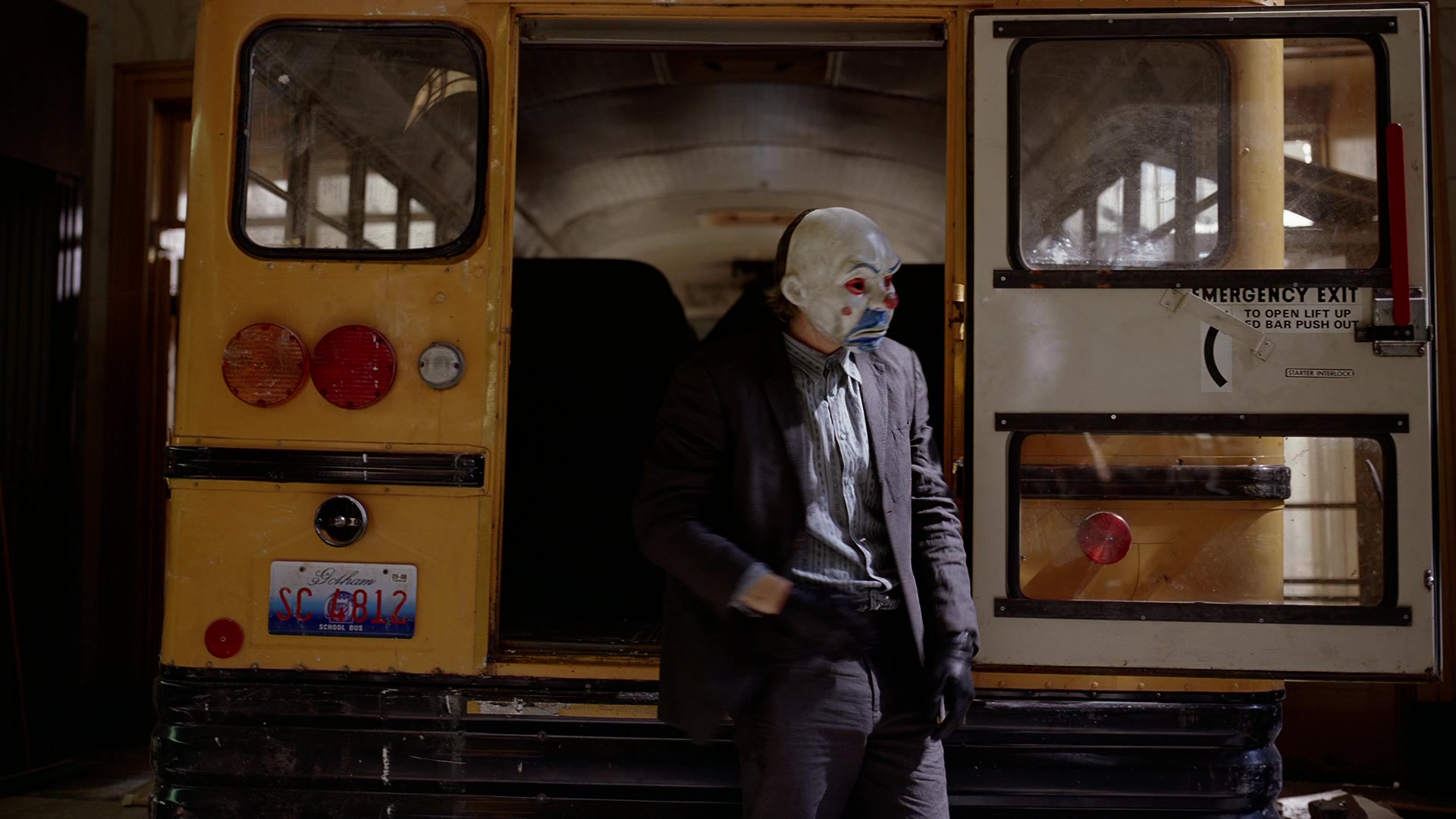
Physical description is what you show about a character’s body, clothes, grooming, and presence. In film, you do not need to describe everything in words. You can communicate a lot through wardrobe, props, and how the character moves in the frame.
Use this to signal status, self-image, stress, or control. A clean, careful look suggests one kind of life. Wear, neglect, or mismatch suggests another.
Film examples
- The Dark Knight (2008): the Joker’s smeared makeup, scars, and careless presentation signal threat before anyone explains him (early robber/heist introduction and first public appearances).
- Black Swan (2010): Nina’s makeup, breath, and posture shift as pressure rises, which makes her identity conflict visible in the body (rehearsal and backstage sequences as stress builds).
Personality Traits
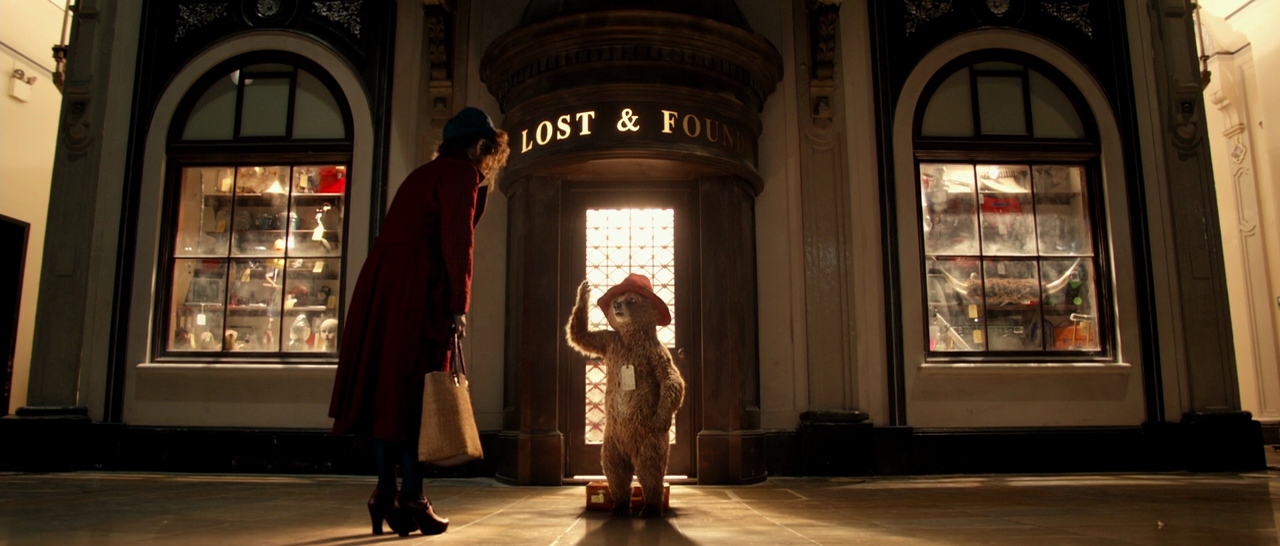
Personality traits are the tendencies you can predict. The viewer should be able to say, “Of course they reacted like that,” because the film has shown a pattern.
Pick traits you can express through behavior. “Ambitious” means they chase opportunities and accept costs. “Kind” means they help without leverage. “Insecure” means they seek approval or dodge risk.
Film examples
- Paddington (2014): the anthropomorphic, cute bear is full of politeness and optimism, which show up in small decisions, such as apologizing, staying gentle, and trying again after rejection (early arrival and first household interactions).
- Erin Brockovich (2000): confidence and relentlessness show up in how Erin challenges authority and keeps pushing after dismissal (early office meetings and first client outreach).
Background and History
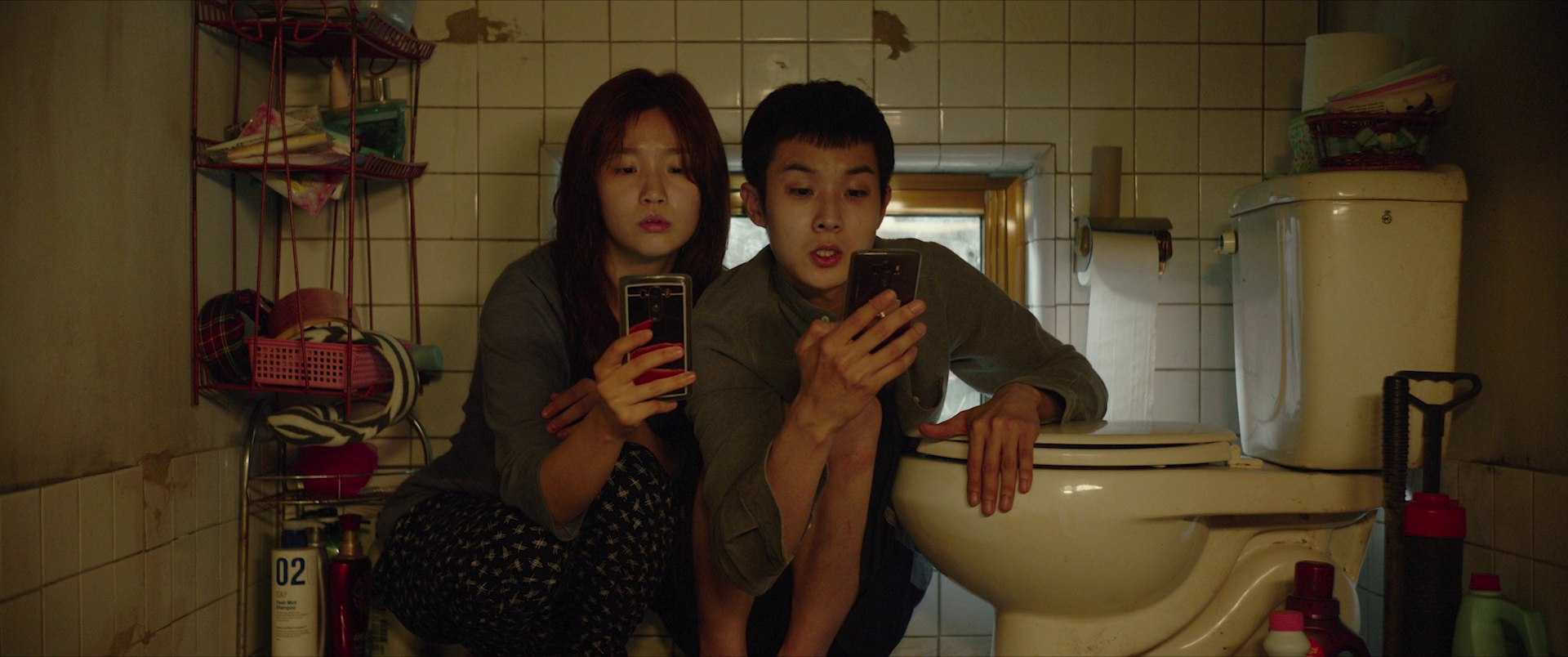
Background is what happened before the plot, and history is what still affects the character now. You can communicate this through environment, routine, and the way other people treat the character.
Films can also reveal background through flashbacks, targeted exposition, and carefully placed backstory. The goal is clarity, not a biography speech.
Film examples
- Parasite (2019): the family’s semi-basement routines and constraints communicate class pressure before anyone states it directly (opening home and neighborhood scenes).
- Rocky (1976): environment and routine imply history through where Rocky goes, who knows him, and how he fits into the neighborhood (early street and gym sequences).
Actions
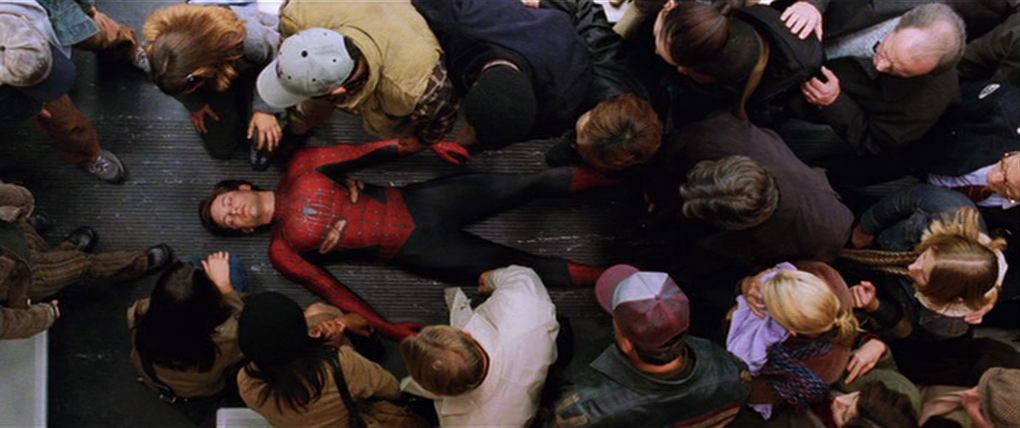
Actions are the fastest way to characterize in film, because you see choices play out in real time.
Focus on moments where the character could do multiple things, then watch what they choose. That choice tells you their values and their priority under pressure.
Film examples
- Spider-Man 2 (2004): Peter’s decisions under stress show duty over comfort, and the cost lands when those choices wreck his personal life (rescue beats that disrupt his plans).
- A Quiet Place (2018): split-second decisions show what the family values most, because protection comes first even when it risks everything (crisis beats where choices have immediate consequences).
Motivations and Goals
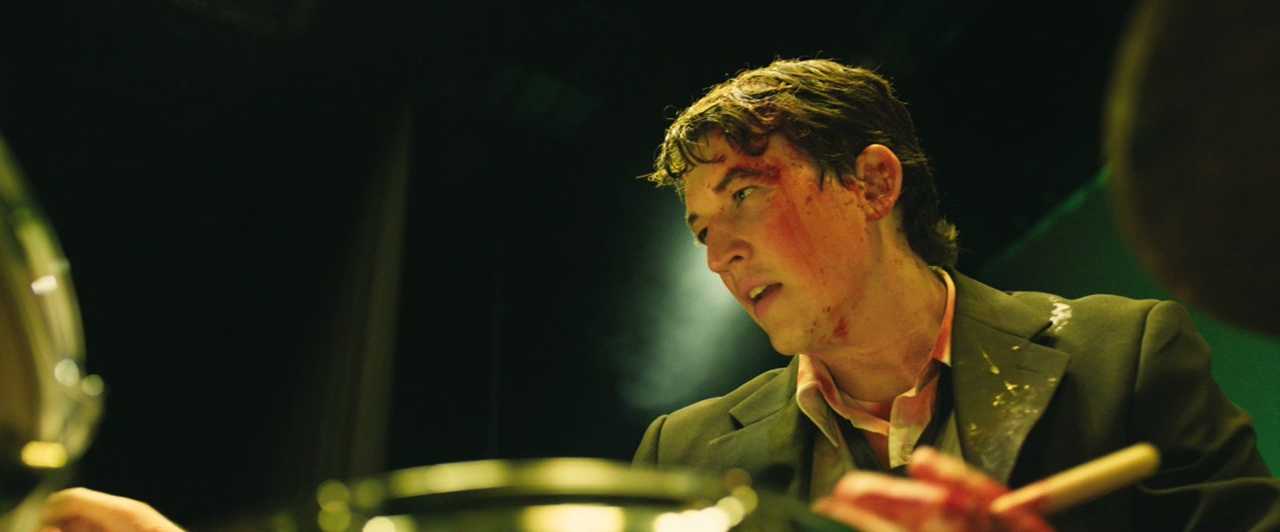
Motivation is why a character acts, and goal is what they try to get. When you know both, the character’s behavior stops feeling random.
Make the goal concrete, then make the motivation personal. A clear want gives the plot direction, and a clear why explains the character’s risks, lies, and sacrifices.
Film examples
- Whiplash (2014): ambition shows up through repetition, escalation, and refusal to stop, even when the body breaks down (practice sequences and confrontations with Fletcher).
- Finding Nemo (2003): Marlin’s goal stays simple (get Nemo back), and fear of loss drives many of his choices on the way (early ocean transitions and reactions to risk).
Relationships
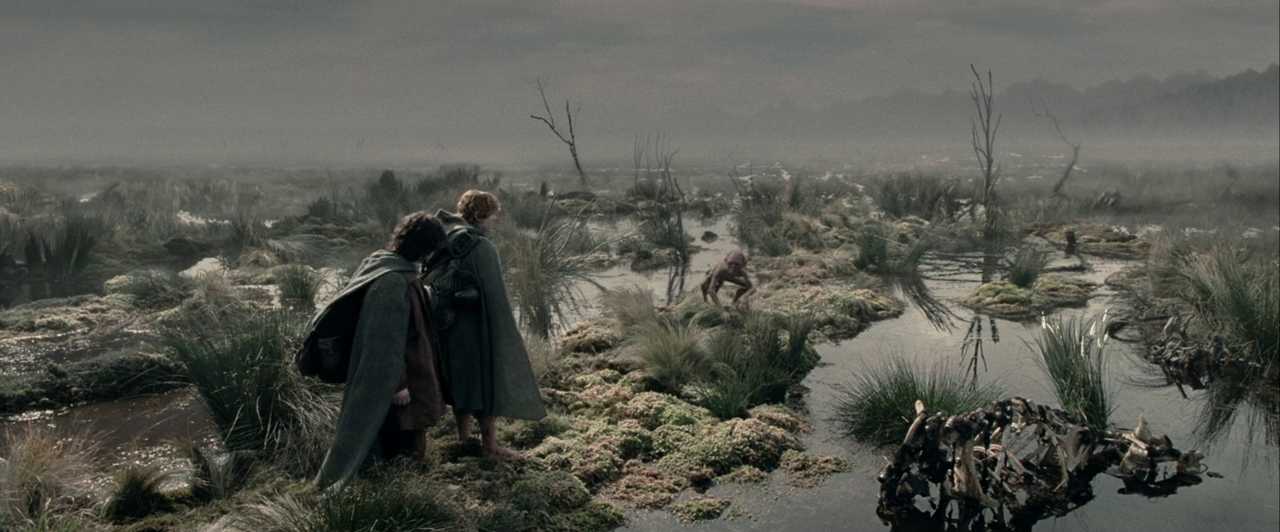
Relationships characterize because they reveal what a person gives, demands, tolerates, and avoids.
Watch how a character behaves with different people. A character often shows one self to a boss, another self to family, and another self to a stranger.
Film examples
- The Lord of the Rings: The Two Towers (2002): Sam’s loyalty shows up through practical support and constant presence when Frodo weakens (journey beats with Gollum and moments of exhaustion).
- Before Sunrise (1995): openness and curiosity build through conversational rhythm, especially how each person listens, challenges, and risks vulnerability (walking-and-talking scenes that turn personal).
Inner Thoughts and Emotions

Inner thoughts and emotion are harder to show on screen than on the page, so film often translates them into visible behavior.
Look for what the character does when they feel something they do not want to admit. Silence, avoidance, over-control, and sudden aggression can all function as emotional evidence.
Film examples
- Taxi Driver (1976): voice-over and behavior clash, and the gap becomes the point. Travis describes one version of himself while his choices show another (diary-style narration over escalating actions).
- Manchester by the Sea (2016): grief shows up through restraint, avoidance, and small breaks in composure instead of long explanations (reunions and moments where emotion almost surfaces).
Symbolism and Metaphor
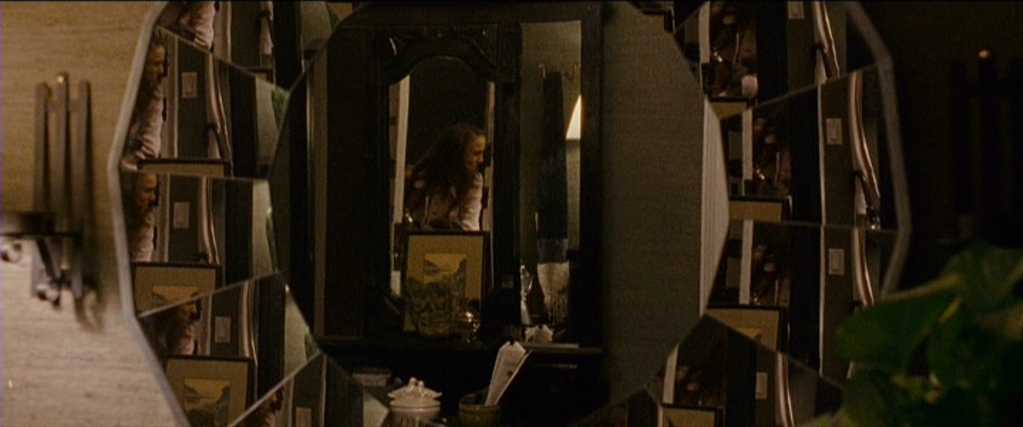
Symbolism and metaphor can add a second layer to characterization. The film links a character to objects, spaces, or repeated actions, so you feel what the character carries inside.
If you want a deeper breakdown, read this guide to metaphor in movies, and this guide to symbolism in film.
Film examples
- The Godfather (1972): rituals and repeated gatherings link identity to power, so family image and private decisions feel tied together (wedding and formal meeting beats).
- Black Swan (2010): mirrors and doubles repeat as a visual pattern, which reinforces identity conflict and self-perception (rehearsal rooms, backstage corridors, reflection-heavy compositions).
Character Arc
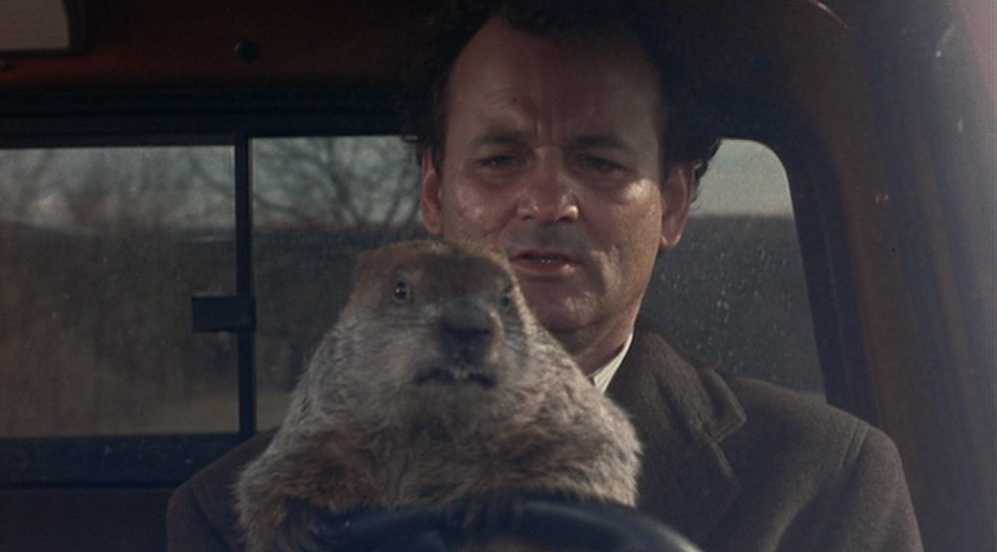
Character arc is how change shows up across the film. You do not need speeches to prove it. You can show change through different choices in similar situations.
If you want a deeper definition and examples, see this guide to character arcs.
Film examples
- Groundhog Day (1993): the arc becomes visible because the same setup repeats, and Phil reacts differently each time (recurring encounters that shift across loops).
- Toy Story (1995): Woody’s jealousy turns into responsibility, and the shift shows up through actions that move from sabotage to cooperation (rivalry beats that become teamwork).
Conflict and Struggle
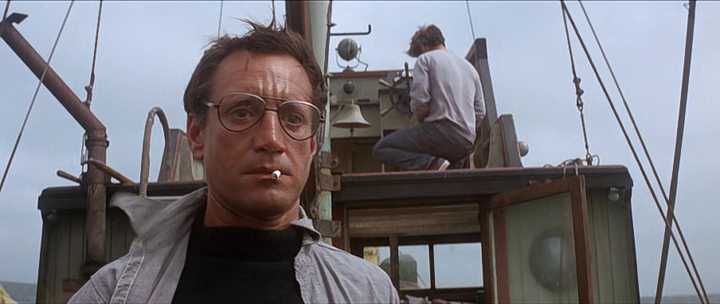
Conflict forces decisions, and decisions reveal character. External obstacles test skills and values. Internal obstacles test self-control, fear, pride, and shame.
If you want more on the categories, read The Types of Conflicts in Film.
Film examples
- The King’s Speech (2010): internal struggle turns physical through breath, tension, and performance rhythms, especially during practice and public pressure moments.
- Jaws (1975): Brody’s fear and duty collide, and the film shows it through his hesitation near water and how scenes place him against the sea (beach patrol and boat sequences).
Techniques of Characterization in Cinema
This is where characterization becomes cinematic. You already know who the character is from the script. Now the film proves it through performance, staging, image design, sound, and editing emphasis.
- Casting and performance: screen presence, timing, micro-expressions
- Blocking and staging: who takes space, who yields it, who avoids eye contact
- Wardrobe, hair, and makeup: status cues, aspiration, self-image, transformation
- Props: what they carry, touch, repair, display, hide, obsess over
- Production design: order versus chaos, taste, class cues, personal history
- Cinematography: framing, distance, movement (intimate versus detached)
- Lighting and color: warmth versus coldness, comfort versus threat, stability versus instability
- Sound and music: environments, motifs, noise versus silence around the character
- Editing: emphasis through what repeats, what delays, and what the film withholds
If you want characterization that feels cinematic, ask one question: What can you show or let us hear, so you do not need to explain it?
Visual Characterization in Film
Visual characterization is when image design carries meaning. You learn the character from framing, light, color, and the spaces they live in.
Framing and Camera Distance
Framing tells you what the film wants you to notice, and camera distance changes how close you feel to the character.
- Close framing can suggest pressure, intimacy, or confinement.
- Wide framing can suggest isolation, vulnerability, or lack of control.
- Status cues often show up in who gets space, who gets cut off, and who stays centered.
Lighting, Color, and Contrast
Light and color can support character mood and stability, especially when the film repeats the same visual idea around the character.
- High contrast can suggest tension or inner friction.
- Soft light can suggest safety, nostalgia, or exposure.
- Recurring colors can signal belonging, difference, or a persona the character performs.
Production Design as Biography

Rooms and objects can function like backstory, because they show what the character keeps close and what they hide.
A bedroom, workspace, or car can reveal:
- taste, income cues, and priorities
- what they display proudly versus what they conceal
- what past version of themselves still controls their daily life
Film examples (scene-level pointers):
- Her (2013): soft design choices and intimate framing support Theodore’s need for connection (early office and commute scenes, plus private apartment moments).
- The Graduate (1967): composition often boxes Benjamin in, which supports his disconnection and drift (party scenes and pool-centered sequences).
How Costume and Makeup Contribute to Characterization
Costume and makeup work like character decisions you can see. They show status, self-image, and what the character tries to project.
Costume Can Communicate
Costume design can express identity fast, especially when it repeats a pattern across multiple scenes.
- Status and profession: uniforms, fit, quality, wear-and-tear
- Self-image: trying hard versus projecting ease, hiding versus showing
- Transformation: shifts in silhouette and grooming that change how you read confidence
Makeup and Hair Can Communicate
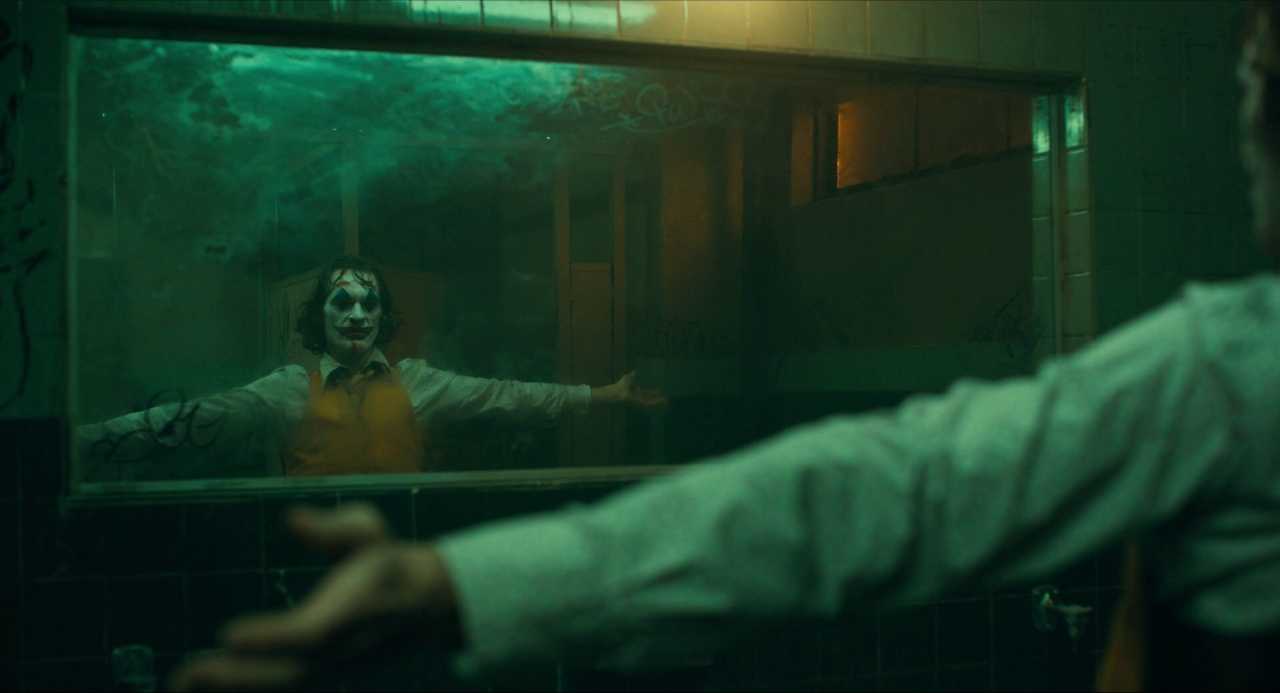
Makeup and hair can signal control, stress, and persona. Timing matters too, since the character may look one way in public and another way alone.
- Control versus chaos: precision, smudging, deterioration
- Social presentation: the version someone performs for other people
- Time and stress: fatigue cues, neglect, ritual grooming
Film examples (scene-level pointers):
- The Devil Wears Prada (2006): wardrobe marks identity shifts before the character explains them (makeover montage, early office scenes, later office scenes).
- Joker (2019): makeup works as persona and signal, and the moments when it appears matter as much as the design (performance beats and aftermath scenes).
Characterization Through Dialogue and Acting in Movies
In film, dialogue characterizes through voice, i.e., word choice, rhythm, subtext, and power. Acting characterizes through timing, control, and reaction. Facts matter less than how the character speaks and listens.
How Dialogue Characterizes
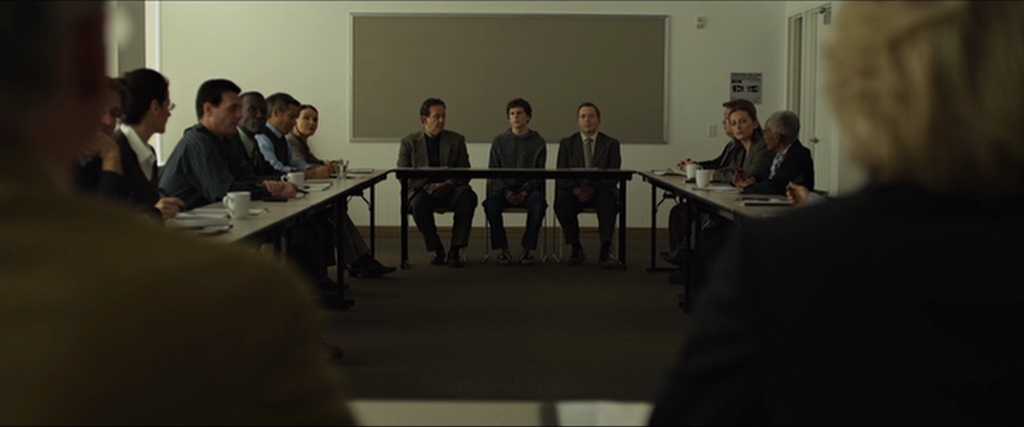
Dialogue can reveal identity through patterns, not just information.
- Word choice: formal versus casual, precise versus vague
- Rhythm: fast, interrupting, hesitant, rehearsed, overly controlled
- Subtext: what they dodge, what they reframe, what they refuse to say
- Power cues: who asks, who answers, who changes the topic
How Acting Characterizes
Acting can tell you what a character thinks without stating it.
- Micro-reactions: half-smiles, delayed blinks, swallowed responses
- Physical habits: fidgeting, stillness, touch-avoidance, posture shifts
- Listening: how they receive information can reveal more than their lines do
Film examples (scene-level pointers):
- The Social Network (2010): speed and sharpness in dialogue show competition for control through interruptions and last-word fights (deposition scenes and dorm-room confrontations).
- No Country for Old Men (2007): calm delivery and minimal phrasing create certainty and control, which turns ordinary exchanges into a threat (gas-station coin-toss scene and other sparse conversations).
Show, Don’t Tell: Characterization in Film
“Show, don’t tell” does not mean “no dialogue.” It means the film should prove traits through choice, reaction, and consequence, so you do not have to accept an explanation on faith.
If you want a character trait to land, prove it through a decision:
- Brave: show a costly choice under pressure, even when fear stays visible.
- Kind: show help given to someone who cannot reward them.
- Intelligent: show specific questions, pattern noticing, and quick adaptation.
- Dangerous: show how other people behave around them, or show how they break social rules without hesitation.
A quick test: If you remove the line that explains the character, does the scene still prove the trait through what happens?
If the scene stops working, externalize the idea through a choice, a habit, a prop, or a reaction shot that communicates the same point.
Practical “show” moves:
- Let values show up in a small decision that nobody forces.
- Use a comparison beat: everyone panics, one person stays calm, or the calm person breaks.
- Put the character in a dilemma where they must choose between immediate relief and long-term need.
A Practical Process for Strong Characterization
This process helps you keep characterization specific across scenes and helps you avoid generic trait lists.
1) Define the character in one sentence without leaning on adjectives
Replace labels with behavior in context. The viewer cannot see “smart,” but the viewer can see what “smart” looks like in a decision.
- “She controls a room by managing attention, directing decisions, and cutting in when it counts.”
- “He avoids conflict by smoothing tension with jokes, flattery, and agreement.”
- “They protect other people because guilt controls their choices.”
2) Pick 3 to 5 signature details you can repeat
Repetition builds recognition. If the film repeats a habit or a prop across scenes, you start to read it as part of the person.
- A habit: checking locks, smoothing clothing, over-explaining
- A prop: notebook, tool, charm, medication
- A social pattern: interrupts, over-apologizes, never asks for help
3) Add one contradiction that creates tension
A contradiction makes a character feel human, since real people rarely stay consistent across every situation.
- confident in public, insecure in private
- generous with friends, cruel to strangers
- moral in theory, compromised in practice
4) Break the “expected” choice in one key moment
If the obvious version of the character does one thing, try the less expected option, then make the consequences real.
- The intimidating person turns gentle with animals.
- The funny person hates being laughed at.
- The competent leader fails in one-on-one conversations.
Clichés usually come from familiar combinations. Specific choices, consequences, and context solve that problem.
5) Run a continuity check after major scenes
After each turning point, ask questions that keep character consistent without making them rigid.
- What did you learn about them in this scene?
- Does it contradict earlier scenes, and does the film earn that contradiction?
- Did a clear motivation drive the choice, or did the plot force it?
A character can surprise you, but the surprise should feel earned.
Film Analysis: Characterization Examples
These quick mini-breakdowns show how characterization can live inside film craft choices.
Mad Max: Fury Road (2015) Competence as Characterization

- Action choices establish identity fast through initiative, problem-solving under pressure, and willingness to take responsibility (escape and pursuit beats).
- Blocking makes leadership visible through who takes position, who follows, and who hesitates during chaos.
- Costume and props imply lived experience through wear, repairs, and practical gear instead of explanation.
The Godfather (1972) Identity Built Through Ritual and Environment
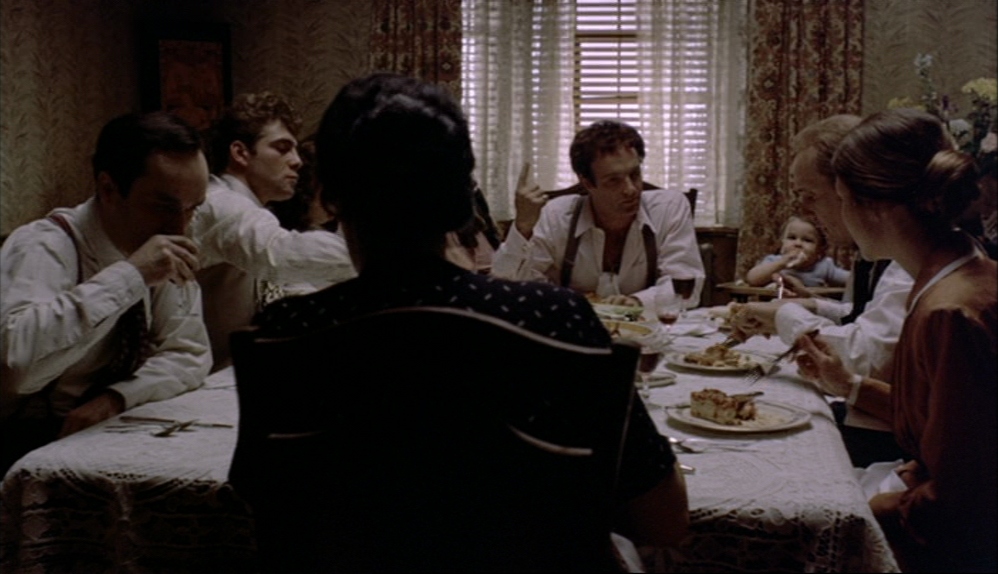
- Production design and ceremony link identity to tradition and power (wedding and formal gathering beats).
- Silence and reaction shots communicate calculation without relying on dialogue.
- Repeated patterns make “family” feel like a system, shown through access, seating, and who waits outside the room.
Whiplash (2014) Obsession Shown Through Repetition

- Rhythm (no pun intended) and repetition build characterization through practice cycles, escalation, and refusal to stop.
- Sound design makes effort feel physical through intensity, fatigue cues, and the way the mix pushes the body forward.
- Performance detail shows the cost through control, collapse, self-justification, and recommitment.
Summing Up
Characterization is how a film shows you who a character is through repeated patterns, choices, and the impression they create. Character development is what changes across the film, and a character arc is the pattern of that change.
Film characterization often lands fastest when it lives inside craft choices, such as performance, blocking, wardrobe, production design, camera choices, sound, and editing. When those choices stay consistent, you can feel who the person is before anyone explains them.
Read Next: Want to write characters that feel real on the page?
Start with our Free Screenwriting Course — a complete foundation in structure, dialogue, and building compelling characters.
Then browse all character development articles — from internal conflict and arcs to ensemble design and protagonist logic.
Or return to the Screenwriting section for formatting, story structure, and writing tools.
