

Published: July 18, 2024 | Last Updated: July 2, 2026

Overview
Definition: Verisimilitude is the sense that what you are seeing feels believable inside the film’s world, based on the rules the film has shown you.
What you’ve seen before: You have felt this when a strange idea still plays as real because characters react as real people would react under pressure, and the details stay consistent from scene to scene.

Example: In Jurassic Park (1993, Universal Pictures), you accept the dinosaurs fast because the film treats them like dangerous animals. The park has staff routines, safety briefings, warning signs, controlled access, and visible barriers like electric fences. Those practical details make the threat feel earned.
Why it matters: Verisimilitude decides whether you lean in or start questioning the setup. When it holds, you track character choices and consequences. When it breaks, you start scanning for holes instead of feeling the tension in the scene.
- Key takeaway 1: Set clear rules early, then keep behavior and consequences consistent with those rules.
- Key takeaway 2: Use ordinary details (props, routines, locations) that make the world feel lived-in.
- Key takeaway 3: When you introduce something unusual, anchor it with realistic reactions and practical limits.
Next, we’ll place verisimilitude inside a bigger film framework, so you can see what creates it and what breaks it.
What is Verisimilitude within film? Definition & Meaning
In film, verisimilitude is the agreement between the world’s rules, the genre’s rules, and the scene’s cause-and-effect. Film form supports that agreement by showing the rules through concrete details and by making consequences feel real.
In other words, verisimilitude is how a film stays believable while it tells an invented story. It is the system that lets you judge what is plausible from moment to moment.
A film builds that believability through story rules, genre expectations, and the cause-and-effect inside each scene. Film form also matters. Cinematography, production design, performance, editing, and sound all help “sell” the rules and the consequences.
Origin of the word verisimilitude
Verisimilitude comes from Latin roots that mean “likeness to truth.” The word is built from verus (true) and similis (similar). English picks it up around the early 1600s through French and Latin usage.
The roots point to the core idea. Verisimilitude is a feeling of truth inside a made-up world. A film can be realistic or fantastic and still feel believable when its rules and consequences add up.
Verisimilitude and immersion
Immersion is the feeling that you are inside the film’s world while a scene plays. Verisimilitude is one of the main reasons immersion happens because consistent rules and visible consequences keep you from stopping to question the setup.
When verisimilitude is strong, you spend your attention on choices, risks, and outcomes. When it slips, you start noticing gaps. Your focus moves from the conflict to the film’s construction.
Immersion does not require realism. A stylized world can still pull you in when character behavior stays consistent and cause-and-effect keeps working the same way from scene to scene.
Two kinds of believability
When you talk about verisimilitude, it helps to separate two kinds of believability. One kind is about what feels “right” inside a genre. The other kind is about what feels plausible compared to shared culture and real-world knowledge.
Film theorist Steve Neale writes about genre and believability in “Questions of Genre” (1990) and Genre and Hollywood (2000). A common way to summarize this discussion is generic verisimilitude and social or cultural verisimilitude.
Generic verisimilitude is about the genre conventions a story follows, so the premise feels acceptable within that genre.
Social or cultural verisimilitude is about whether something feels plausible compared to shared knowledge about how life works. That includes social norms, history, institutions, and basic cause and effect.
Literary theorist Tzvetan Todorov (1939–2017) is often discussed alongside genre theory because genre rules help decide what counts as “believable” in the first place. The practical takeaway stays simple. A film can bend real-world accuracy, and it still needs consistency inside its genre and inside its own setup.
Generic verisimilitude in film genres
Generic verisimilitude is why you accept impossible things in the right genre. In a musical, characters can sing their feelings, and it still plays as normal. In a superhero film, physics can bend, and you still follow the conflict, as long as the film stays consistent about what powers can and cannot do.
Genre mistakes can break believability fast. If a film sets up one rule system, then it solves a problem with a new rule that has not been earned in that world, the moment can feel like a cheat.
Social or cultural verisimilitude
Social or cultural verisimilitude is what makes behavior and institutions feel recognizable. A grounded crime film can heighten drama, and the police work still needs to feel close enough to reality that you buy the risks. A historical film can compress time, and motives and consequences still need to feel human.
This is also where a film can lose you, even when it follows genre rules. If characters ignore obvious danger, ignore social pressure, or ignore basic cause and effect, the world can start to feel fake.
Verisimilitude vs realism
Realism is a style that tries to represent the world in an everyday, recognizable way. You often see realism through location shooting, natural light, ordinary behavior, and scenes that avoid flashy spectacle.
Verisimilitude is broader than realism. A stylized film can have strong verisimilitude. A film can also look realistic and still feel fake when choices and consequences do not track.
When something feels off, ask two separate questions:
- Realism question: Does this look and behave like real life?
- Verisimilitude question: Does this choice make sense inside the film’s established rules and character logic?
Read more on realism in film.
Verisimilitude vs plausibility
Plausibility is a moment-by-moment check. You ask, “Does this choice make sense right now, given what the film has shown me?”
Verisimilitude is the bigger system that makes those moments feel believable across the whole film. It comes from consistent rules, consistent character logic, and consequences that keep working the same way from scene to scene.
A scene can have a plausibility problem without breaking the whole film. For example, one character might act strangely, or one escape might feel too easy. Verisimilitude breaks when the film keeps changing its rules, or when consequences stop sticking, so you can no longer predict what actions will cost.
If you want a quick test, ask this: is the issue one “why did that happen?” moment, or is the film training you not to trust its rules anymore?
Why film can feel real
Film often feels real because the camera records real surfaces, spaces, and performances. That link to photographed reality is one reason realism is a major topic in film theory. Three common reference points are André Bazin, Siegfried Kracauer, and Christian Metz.
André Bazin on recorded reality
André Bazin (a French critic and theorist, 1918–1958) argues that photography and film have a special kind of realism because the camera records the world automatically.
Bazin is often linked to deep focus, long takes, and staging that lets you explore a scene without constant cutting. Those choices can support verisimilitude because you see continuous space and time. Actions can feel earned when you can track what happens in one shared moment.
Siegfried Kracauer on physical reality
Siegfried Kracauer (a German critic and theorist, 1889–1966) also emphasizes cinema’s link to the physical world. He argues that film has a strong affinity for movement, faces, crowds, and environments.
For writing and directing, this points to a simple lesson. Concrete details can sell the world better than long explanations. Physical limits, routines, and real textures can make a scene feel true inside the story.
Christian Metz on the “impression of reality”
Christian Metz (a French film theorist, 1931–1993) is strongly linked to film semiotics, which studies how films create meaning through codes and signs. Metz also writes about cinema’s impression of reality.
This idea explains a common viewing experience. Film can feel transparent, as if you are looking into a world. That feeling can support realism and verisimilitude, even though a film is still built from framing, editing, sound, and performance.
Metz also gives you a warning. When a film calls attention to its construction at the wrong moment, the illusion can drop. When that drop clashes with the film’s promises, verisimilitude can collapse.
Breaking verisimilitude on purpose
Some films break verisimilitude on purpose. The key is clear intent and follow-through. The film needs to signal the new rule, then keep using it so you understand how to watch.
- Distance on purpose: A film can keep you aware of the construction, so you judge ideas as much as feelings. For example, a staged or theatrical presentation can remind you that you are watching a designed argument.
- Stylization as meaning: A film can push color, performance, or editing into an unreal style so the world plays like a nightmare or a fable. The style still needs internal consistency so you know what rules apply.
- Direct address: A character can speak to the camera and change what “reality” means inside a scene. In Ferris Bueller’s Day Off (1986, Paramount Pictures), Ferris talks to you directly, and the film treats that as part of its normal language. See also breaking the fourth wall.
Accidental breaks feel different. Accidental breaks read like mistakes because they have no setup, no pattern, and no consequence.
How to build verisimilitude in scripts and scenes
Strong verisimilitude usually comes from repeatable writing habits. These habits keep your world consistent while the plot gets more intense.
Write rules as limits
Believable worlds start with constraints. Constraints tell you what cannot happen. That is what makes choices meaningful.
- Define limits early: Show what the world prevents, then show what it costs when someone tries anyway.
- Track resources: Money, time, distance, injury, ammo, oxygen, reputation.
- Control coincidence: Coincidence can create trouble early. Coincidence that solves trouble late often feels like cheating.
Make consequences visible
Consequences teach the audience what rules are real. A rule feels real when breaking it creates a clear result on-screen.
- Show a boundary in a small scene: Let a character hit a limit with low stakes.
- Pressure-test the same boundary later: Bring the limit back when the stakes are high.
- Let the rule decide the outcome: Even if it hurts the protagonist, the world needs to stay consistent.
Keep character logic consistent
Character logic supports verisimilitude when choices follow a readable pattern. A character can change, and the film still needs to show what caused the shift.
- Goals: A clear want drives consistent behavior.
- Limits: Skills, fear, pride, money, and social pressure define what the character can do.
- Contradictions: Many believable characters carry an inner conflict that shows up in their choices.
- Turning points: Change lands when a decision has a cost, and the character absorbs it.
Use dialogue that supports the scene
Dialogue supports verisimilitude when it fits the speaker’s background and the power dynamic in the scene. Realistic talk is optional. Scene logic is required.
- Give characters a speech style: Keep rhythm, vocabulary, and bluntness consistent for each major character.
- Use specificity: Specific nouns and concrete references feel lived-in.
- Let people dodge: Evasion can feel more believable than perfect honesty.
- Let status drive lines: Power changes what a person says and what they refuse to say.
Case study: verisimilitude in The Matrix – a brief analysis
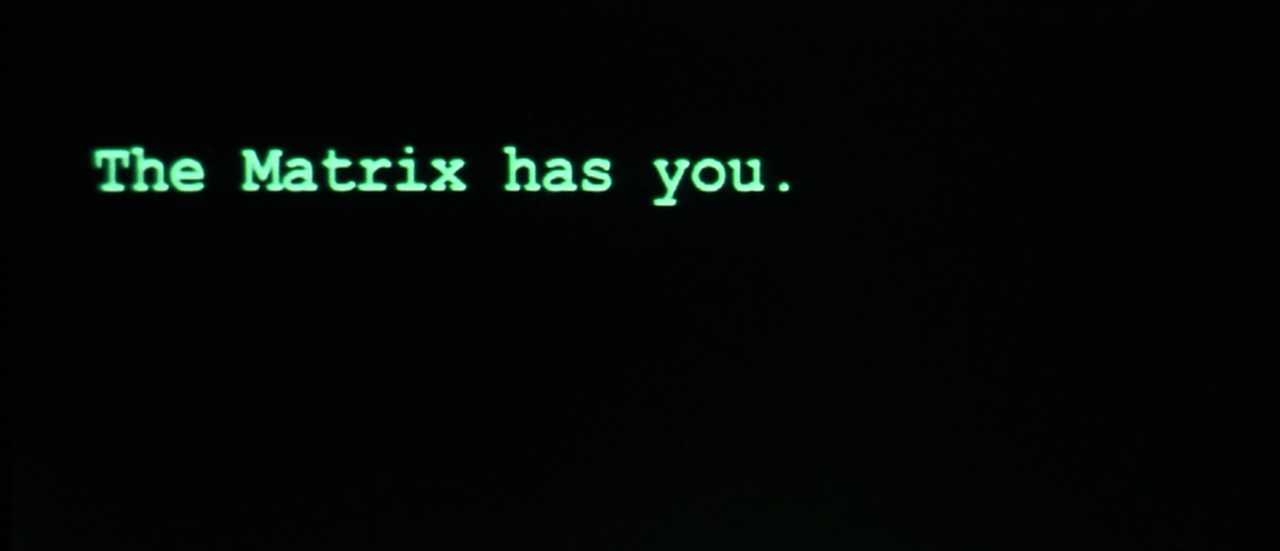
The Matrix (1999, Warner Bros.) is a strong teaching example because it asks you to accept a huge premise, and then it teaches rules through consequences.
The film starts with a familiar routine
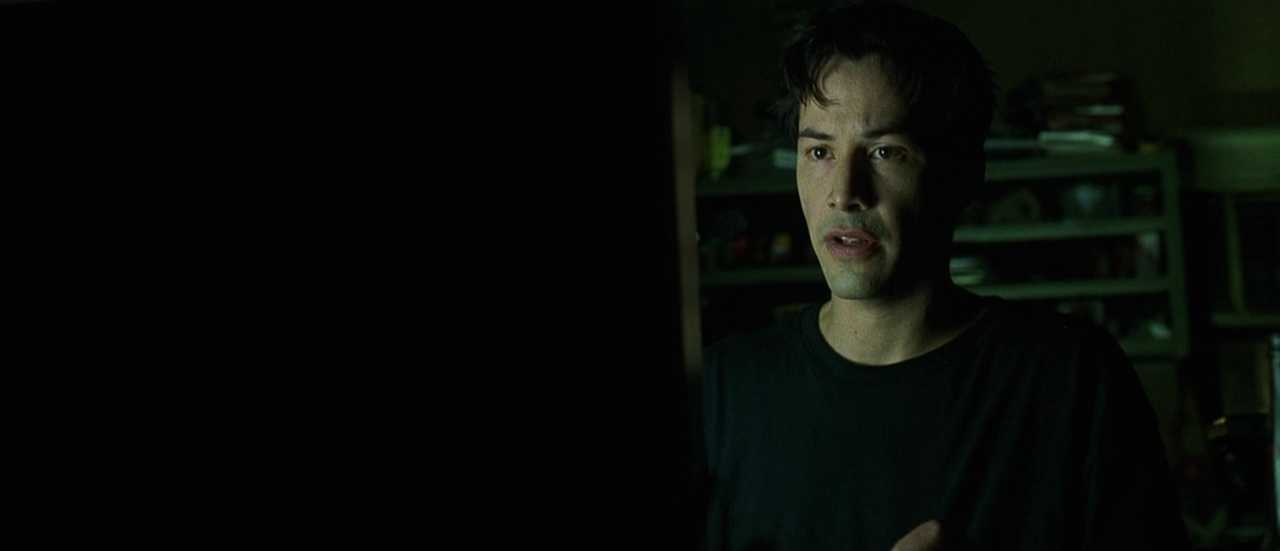
Early scenes sit inside a recognizable reality. You see Neo’s job, his apartment, and his daily patterns. That grounded start helps you accept later rule changes because you have a stable baseline first.
The rules are taught through consequences
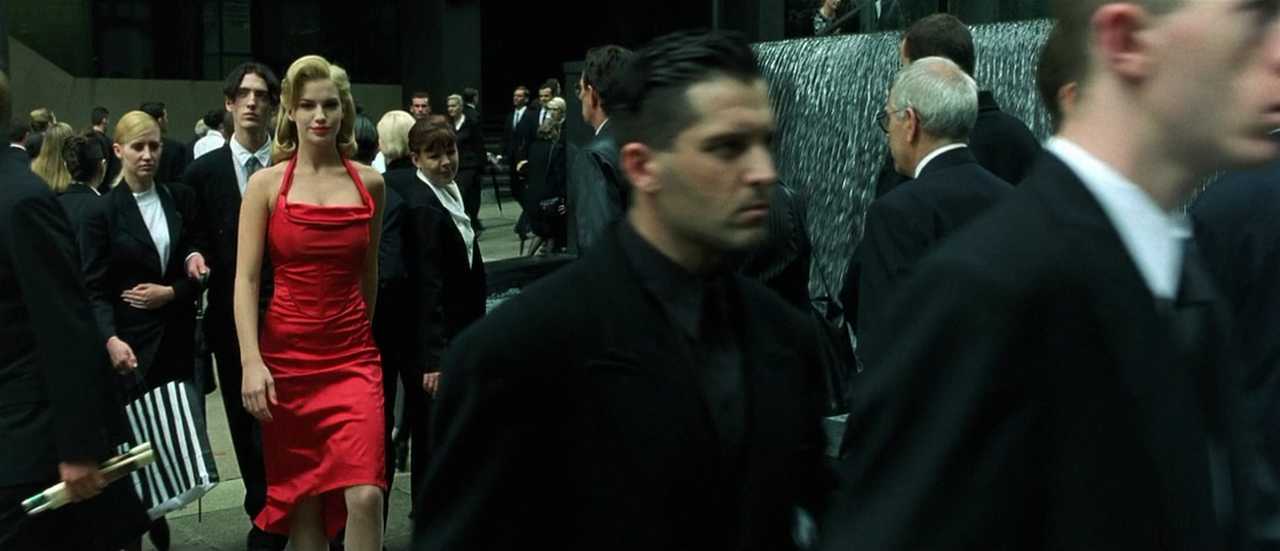
Once the simulation is revealed, the film keeps teaching rules through outcomes. Most characters cannot beat Agents head-on. Escape and strategy become the logic. Training scenes show what can change, and what stays dangerous.
Constraints keep returning in action scenes
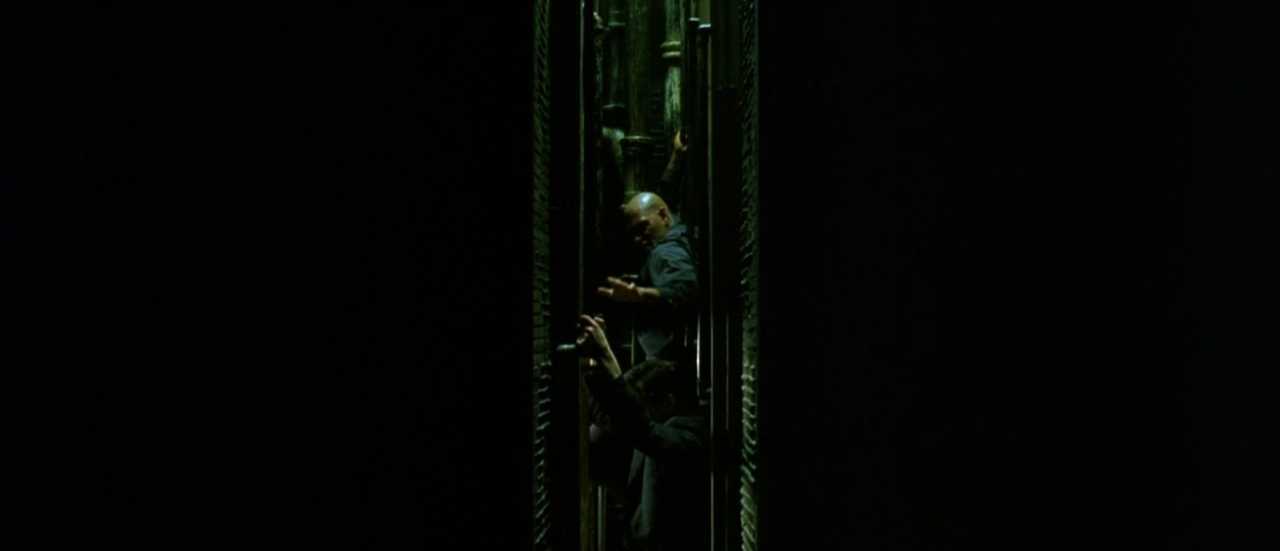
The action stays readable because constraints repeat. Characters need exits. They need phone lines. They can get trapped. They can get injured. And if you die in The Matrix, you die in real life. Those repeating limits make the world feel consistent even when the stunts look impossible.
Genre details support the world rules
The film uses cyberpunk details that fit the premise. You see hacker culture cues, coded language, industrial locations, and screens full of data. Those details support generic verisimilitude. The film also anchors its stakes in bodily risk and fear, so consequences still feel human.
The difference between verisimilitude and authenticity
Verisimilitude is believability within a story’s rules. Authenticity is accuracy to real-world facts, lived experiences, or documented sources.
Quick test: Authentic details can support verisimilitude. Authentic details do not guarantee it. A film can be factually accurate and still feel fake when character choices and consequences do not add up.
Read more on authenticity in film.
Frequently Asked Questions
What is verisimilitude in simple terms?
Verisimilitude is the quality of seeming real or believable within the world of a story.
How do you pronounce verisimilitude?
Roughly “ver-uh-si-MIL-i-tood.”
What is an example of verisimilitude?
A science-fiction film with consistent internal rules that make its impossible world feel believable, such as the logic of The Matrix.
What is the difference between verisimilitude and realism?
Realism aims to mirror the real world, while verisimilitude only requires internal consistency and believability, even in a fantastical setting.
Where does the word verisimilitude come from?
From the Latin verisimilitudo, combining verus (“true”) and similis (“like”), meaning “likeness to truth.”
Summing Up
Verisimilitude is what makes you accept a film’s world long enough to care about the conflict inside it.
Realism can support verisimilitude, and realism is optional. Genre rules, consistent character logic, and visible consequences often do the core work.
If a scene starts to feel fake, go back to the framework in the definition box. Check the world rules, the genre rules, and the scene’s cause-and-effect. When one of those fails, believability often fails with it.
Read Next: Want to dig deeper into screenwriting?
Start with the Screenwriter’s Toolkit on literary devices vs. elements – a deep resource covering every major literary device and element used in writing.
Then explore our collection of practical writing techniques covering dialogue, structure, and pacing.
Or jump into the free screenwriting course to start your first draft today.
You can also head back to the Screenwriting section for more tools, theory, and breakdowns.
Further Reading
- André Bazin, What Is Cinema? (University of California Press editions).
- André Bazin, “The Ontology of the Photographic Image” (essay, often collected in What Is Cinema?).
- Siegfried Kracauer, Theory of Film: The Redemption of Physical Reality (Princeton University Press editions).
- Christian Metz, Film Language: A Semiotics of the Cinema (University of Chicago Press).
- Christian Metz, “On the Impression of Reality in the Cinema” (essay, commonly printed in collected theory readers).
- Steve Neale, “Questions of Genre” (Screen, 1990).
- Steve Neale, Genre and Hollywood (Routledge, 2000).
- Tzvetan Todorov, Poetics of Prose (Cornell University Press / Blackwell editions).
- David Bordwell, Narration in the Fiction Film (University of Wisconsin Press).
- David Bordwell and Kristin Thompson, Film Art: An Introduction (multiple editions).
- Birger Langkjær, “Making Fictions Sound Real: On Film Sound, Perceptual Realism and Genre” (MedieKultur, 2010).
