

Published: August 25, 2025 | Last Updated: January 5, 2026

What is Set design in film? Definition & Meaning
Set design is the process of creating the physical environment where a film’s scenes take place, using space, structure, materials, and visual details to support the script. A well‑designed set makes the world believable. It reflects the period, location, and mood and hints at characters and theme. This work is led by a set designer working under the production designer, and it involves collaboration with the director, cinematographer, and other departments.
Why Set Design Matters
Good set design informs the viewer about time and place, social class, and character psychology.
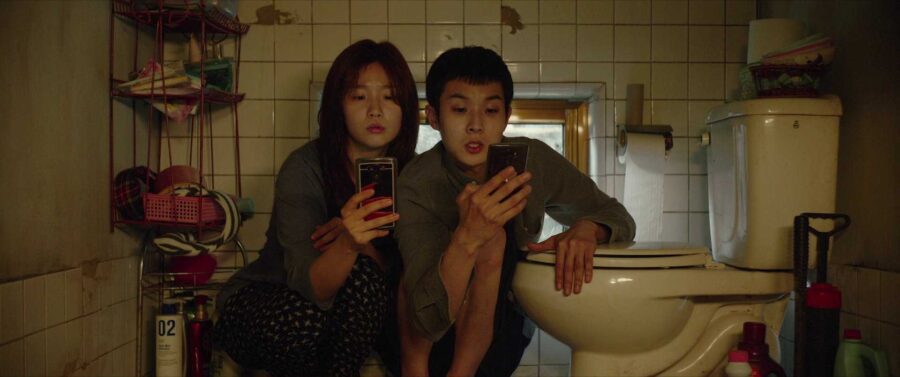
Take Parasite (2019) for example, the Kim family’s semi-basement apartment is small, dark, and cluttered, lit by a single high window that opens to a noisy street. The walls are stained, the ceilings are low, and the layout feels tight and cramped. It reflects their financial struggles and social standing.
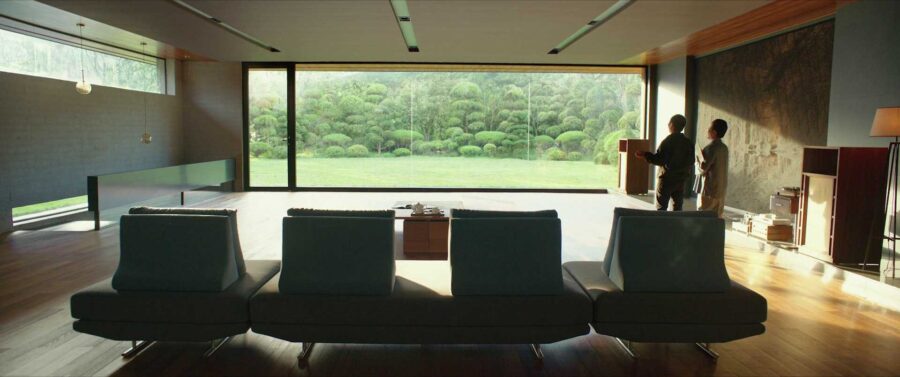
In contrast, the Park family’s home is open, modern, and elevated. The layout is wide and symmetrical, with floor-to-ceiling windows, soft wood textures, and polished surfaces. Sunlight pours into the living room, and every space feels calm and carefully placed.
The house was designed specifically for the film to reflect wealth, detachment, and clean control. The contrast between these two environments drives the story’s core themes of class and inequality.
Set Design: From Script to Final Build
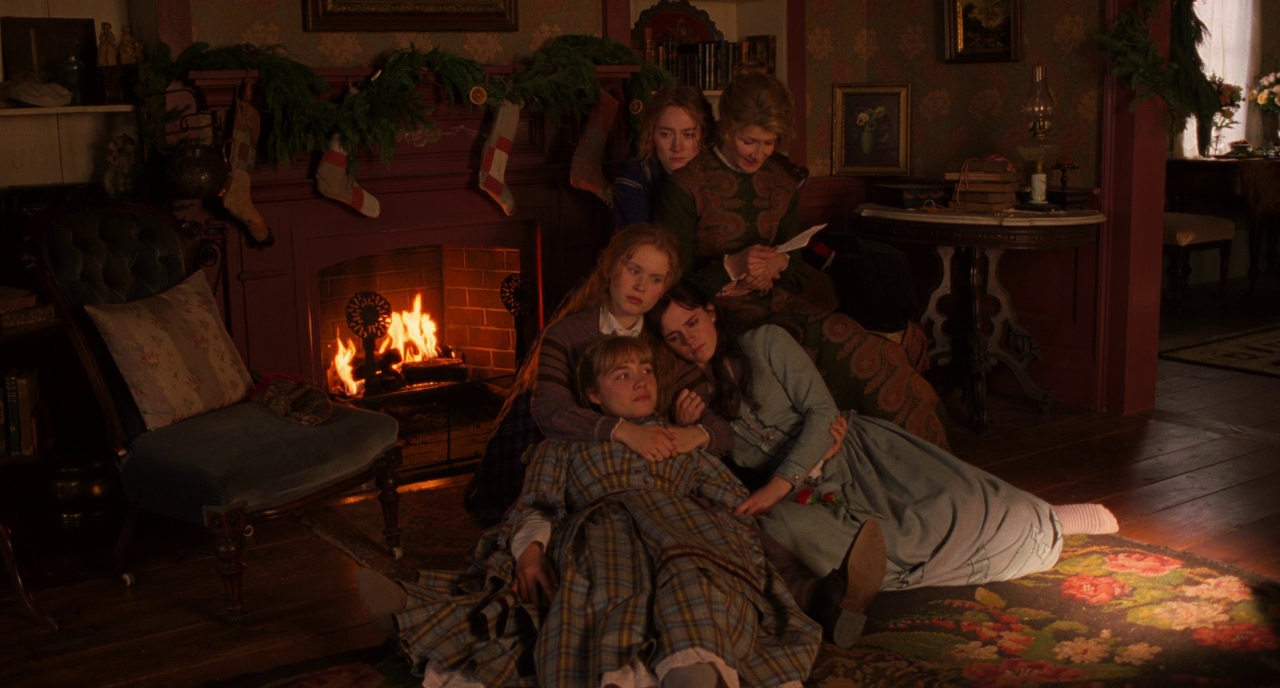
Designing a set starts with a script read. You analyze the locations, time periods, and tone. Then you research architecture, furniture, and color theory to match the story’s world.
For Little Women (2019), for example, set designers studied 1860s New England interiors to get the details right.
Art Direction & Planning
Once the concept is set, you develop floor plans, color palettes, and set elevations. Digital tools like SketchUp or AutoCAD help you build accurate 3D models. You also make scale models or virtual walkthroughs to test camera movement and blocking before construction begins.
Build and Dress
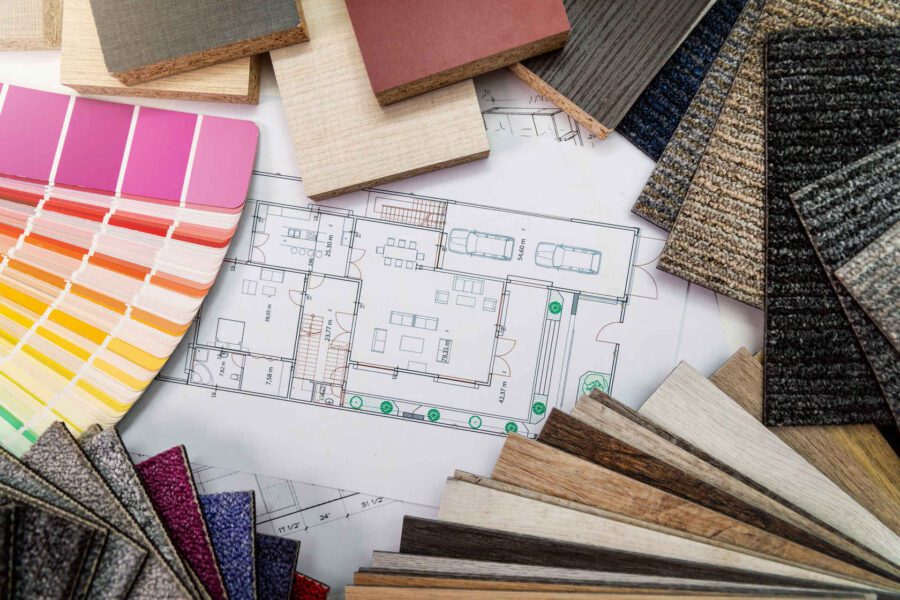
Construction crews build walls, floors, windows, and doors according to the approved plans. Here, material choice matters. For example, a Western town might call for weathered wood, while a sci-fi lab might use steel and glass.
You choose materials that look real and hold up under production lights. After building, set dressers add props and furniture to make the space feel lived-in. A coffee cup left on a desk or worn wallpaper in a hallway can add a story without dialogue.
Scale and proportion are key; rooms must allow actors and cameras to move naturally without breaking immersion.
Skills and Tools for Set Designers

Set designers need more than creative talent. They must manage budgets and schedules, communicate with the crew, and handle multiple tasks at once. On large productions, strong management skills are needed to keep the design process on track from pre‑production through filming.
Technical skills include drafting software like AutoCAD and rendering programs like SketchUp or Photoshop. Designers also need a sense of style and the ability to adapt to different genres and periods.
Collaboration and Atmosphere
Set design is highly collaborative. Designers coordinate with the director, director of photography, costume designer, and prop master to make sure the visual tone stays consistent across departments.
Lighting is a key part of this process. You plan practical light sources like windows or lamps, and work with the DP to shape shadows, reflections, and exposure.
Designers also draw inspiration from architecture, history, and art movements. Wes Anderson often references mid-century interior design to create symmetrical, nostalgic environments. The choices you make in texture, color, and layout carry emotional weight.
Set Design vs. Production Design
Set design focuses on the physical space where action unfolds, while production design oversees all visual elements of a film.
The production designer leads the art department and coordinates locations, costumes, props, and visual effects. The set designer reports to the production designer and turns the visual concept into buildable plans.
There are also the art directors, who manage crews and budgets, ensuring designs are executed correctly.
Modern Technology and Future Trends
New technologies are reshaping how film sets are designed and built, but not everything described as “the future” is equally proven or widely adopted. Understanding what is already standard practice versus what is still emerging helps filmmakers make informed creative and budgetary decisions.
What’s Already Established in Modern Set Design
These approaches are widely used in professional film and television production today:
- LED Volume & Virtual Production Sets
Large LED walls are now commonly used to create real-time digital environments around physical sets. This allows for accurate lighting, in-camera visual effects, and reduced reliance on green screens, particularly in high-budget productions. - Hybrid Sets (Physical + Digital Extensions)
Many sets are built partially on stage and then digitally extended in post-production. This method keeps actors grounded in a physical space while allowing productions to scale environments beyond practical constraints. - Advanced Previsualization (Previs) & 3D Modeling
Set designers regularly use 3D software to plan layouts, camera movement, lighting interactions, and sightlines before construction begins. This improves communication between departments and reduces costly revisions. - Sustainable Set Design Practices
Reusing flats, modular builds, recycled materials, and digital assets has become increasingly common, driven by budget efficiency and environmental responsibility.
Emerging Trends Still Gaining Adoption
These technologies are promising but not yet industry-standard, often limited by cost, infrastructure, or workflow complexity:
- AI-Assisted Concept Design
Artificial intelligence tools are beginning to support early-stage ideation—generating reference images or mood boards—but final design decisions still rely heavily on human interpretation and collaboration. - Fully Digital or “Virtual-Only” Sets
While technically possible, productions that rely entirely on digital environments without physical builds are still rare outside animation-heavy projects. Most filmmakers continue to favor hybrid approaches for performance realism. - Real-Time Set Adjustments Using Game Engines
Live changes to environments during shooting are improving, but they currently require specialized crews and pipelines, making them more common in large-scale productions than indie films.
Why This Distinction Matters
Separating established practices from emerging trends helps filmmakers:
- Avoid overestimating what’s practical for a given budget or schedule
- Make smarter design choices early in pre-production
- Communicate more clearly with producers, directors, and VFX teams
Set design continues to evolve, but its core purpose remains the same: to create believable, story-driven environments that support performance, cinematography, and narrative tone, regardless of the tools used.
Challenges Set Designers Face
Designers often work with limited budgets and tight schedules (but who doesn’t!?). You might need to replicate expensive materials with cheaper substitutes or design sets that can be quickly reconfigured for multiple scenes.
Space constraints on sound stages demand creative layouts that allow cameras to move freely. These practical limits test a designer’s ability to solve problems while keeping the look consistent.
Recommended Next: Expand Your Understanding of Film Set Design
Set design doesn’t exist in isolation. These guides explore the connected roles, departments, and concepts that shape how sets are designed, built, dressed, and used on camera.
1. Production Design (The Big Picture)
- Production Design in Film (Definition & Examples)
Understand how set design fits into the film’s overall visual identity, alongside color palettes, textures, props, and architectural style.
https://filmdaft.com/what-is-production-design-in-film-definition-examples/
2. The Art Department (Who Does What)
- The Art Department in Film (Roles, Positions & Duties)
A breakdown of the art department hierarchy, including production designers, art directors, set designers, and construction teams.
https://filmdaft.com/what-is-the-art-department-in-film-job-roles-positions-and-duties/
3. Set Decoration & Dressing (Making Sets Feel Lived-In)
- What Does a Set Decorator Do?
Learn how furniture, artwork, textures, and objects are chosen to support story and character.
https://filmdaft.com/what-does-a-set-decorator-do-duties-skills-career-path-how-to-start/ - What Is Set Dressing?
A closer look at the practical process of dressing and maintaining sets during production.
https://filmdaft.com/what-is-set-dressing-the-key-responsibilities-of-set-dressers/
4. Props vs. Sets (What Actors Interact With)
- What Is a Prop Master?
Explore how the prop department differs from set decoration and how props are tracked and managed.
https://filmdaft.com/what-is-a-prop-master-job-description-skills-salary/
5. Visual Storytelling in the Frame
- Mise-en-scène Explained
See how set design works together with lighting, costume, blocking, and composition to create meaning on screen.
https://filmdaft.com/mise-en-scene-explained-an-illustrated-guide/
Summing Up
Set design in film means creating spaces that support the story visually. From historical research to modern technology, designers plan, build, and dress sets that set the mood, reveal character, and make the world of the film feel real. They manage budgets and teams, choose materials wisely, and collaborate across departments. A well‑designed set guides your eye and deepens your understanding of the story, proving that every wall, window, and prop matters.
Read Next: How do you design the look of a film?
Visit our Production Design section to learn how sets, props, and color palettes support story, character, and tone from the start.
Want the full picture? Explore the Pre-Production archive for everything that happens before cameras roll—from visual planning to script breakdowns.
