

Published: May 16, 2024 | Last Updated: December 9, 2025

Featured image: A detail of a theatrical teaser poster for Bonnie and Clyde (1967). English: Distributed by Warner Bros.-Seven Arts., Public domain, via Wikimedia Commons
What is the New Hollywood movement? Definition & Meaning
New Hollywood, also known as the American New Wave or Hollywood Renaissance, is a period in American cinema from the late 1960s to the early 1980s. This movement marked a shift in which young filmmakers gained unprecedented creative control (auteurs). They addressed social issues, experimented with narrative techniques, and often featured antiheroes. Iconic films include Easy Rider (1969), The Godfather (1972), and Taxi Driver (1976).
The New Hollywood era emerged as a response to declining box office revenues and the changing social landscape of the 1960s. Major studios faced financial difficulties, leading to a willingness to experiment with new ideas and young directors. This period saw a break from the traditional studio system, giving rise to more director-driven projects.
New Hollywood drew inspiration from French New Wave and Italian Neorealism. These influences encouraged a more realistic portrayal of life and a focus on character development over plot.
Auteur Directors
One of the defining features of New Hollywood is the auteur theory, which emphasizes the director’s vision and style. Directors like Martin Scorsese, Francis Ford Coppola, and Steven Spielberg gained significant creative control over their films.
Innovative Narratives and Techniques
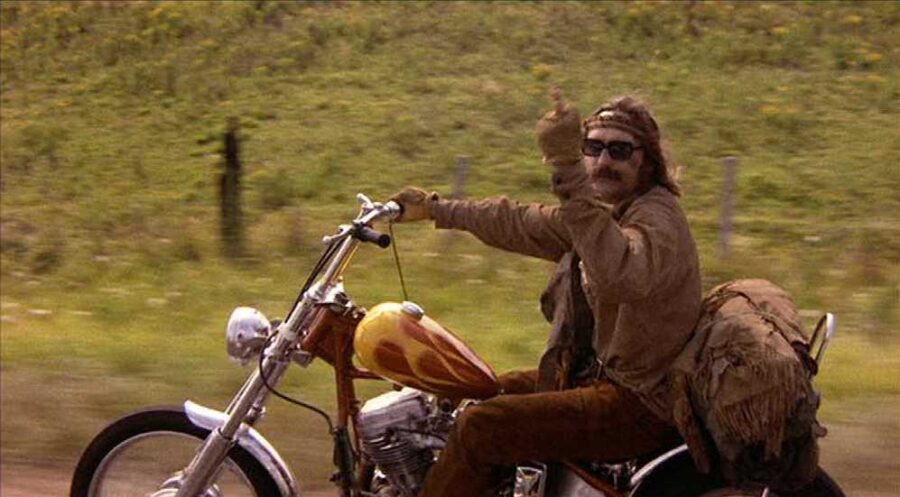
New Hollywood films often featured unconventional narratives, complex characters, and ambiguous endings. They also tackled controversial social issues such as the Vietnam War, civil rights, and sexual freedom.
For instance, Dennis Hopper’s Easy Rider (1969) has a non-linear storyline and addresses issues like drug use and the counterculture movement. Similarly, Martin Scorsese’s Taxi Driver (1976) explored themes of urban decay and mental instability, rarely depicted with such intensity before.
Directors also experimented with editing techniques, camera work (dynamic shooting techniques like the dolly zoom and on-location filming), and sound design, which were partly made possible by introducing lighter cameras and portable sound equipment. Also, the widescreen CinemaScope and anamorphic lens system are part of this era.
Prominent Films of the New Hollywood Era
Below, I’ve curated a list of movies central to the movement. Each movie is picked because it adds something new to the movement.
The Graduate (1967) – Directed by Mike Nichols

The Graduate explored themes of alienation and the generation gap. Its satirical take on suburban life and the pressures facing young adults found fans in the counterculture movement, making it a must-watch from the era.
Bonnie and Clyde (1967) – Directed by Arthur Penn
Bonnie and Clyde broke taboos with its graphic violence and portrayal of anti-heroes. The film’s realism and moral ambiguity captured the disillusionment of the 1960s.
Chinatown (1974) – Directed by Roman Polanski
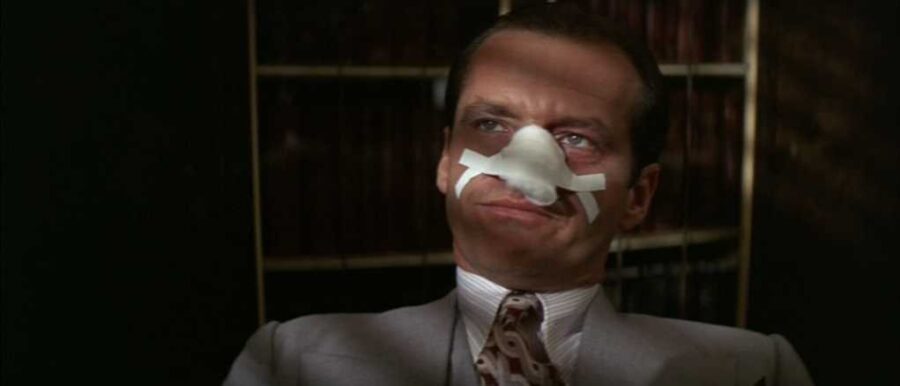
Chinatown revived the neo-noir genre with its intricate plot and dark themes of corruption. The film’s atmosphere and intricate mystery set the standard for neo-noir and is a great example of the genre’s complex, morally ambiguous stories.
Easy Rider (1969) – Directed by Dennis Hopper
As already mentioned, Easy Rider became an anthem for the counterculture. The film celebrated freedom and the open road, epitomizing the spirit of rebellion against traditional norms. Its success proved that low-budget, independent films could be commercially viable.
The Godfather (1972) – Directed by Francis Ford Coppola

The Godfather elevated the crime genre with its sophisticated narrative and complex characters. The film’s exploration of family and power dynamics influenced countless subsequent films and solidified its place as a cornerstone of New Hollywood.
Midnight Cowboy (1969) – Directed by John Schlesinger
Midnight Cowboy introduced gritty realism and unflinching portrayals of urban life. The film’s focus on the unlikely friendship between two marginalized characters underscored the era’s shift towards more nuanced and humanistic storytelling.
Jaws (1975) – Directed by Steven Spielberg

Jaws became the first modern blockbuster, setting the standard for high-stakes, high-reward filmmaking. Its masterful suspense-building and unprecedented commercial success showed the financial potential of New Hollywood films—even with a shark as the antagonist. It’s also a master class in extra-diegetic musical motifs and probably the most famous use of the dolly zoom effect.
Star Wars (1977) – Directed by George Lucas
Yup, Star Wars is also part of the New Hollywood movement. Star Wars revolutionized sci-fi with groundbreaking special effects and epic storytelling. The film launched a massive franchise, proving New Hollywood could blend artistic innovation with mass appeal.
Cultural Impact
New Hollywood films have had a lasting impact on the industry. They paved the way for the late 1970s and 1980s blockbuster era when movies like Jaws (1975) and Star Wars dominated box office sales. This period also saw the rise of independent filmmaking as more directors sought creative freedom outside the studio system.
Summing Up
New Hollywood represents a transformative American cinema era characterized by innovative storytelling, auteur-driven projects, and cultural relevance.
Its legacy continues to influence contemporary filmmakers and the broader film industry.
Read Next: Want a deeper look at global film history?
Start with our Film History, Theory & Genre hub to see how early studios, national movements, and major shifts shaped the language of cinema.
Then explore our full Film Movements & World Cinema section for guides on movements like German Expressionism, French New Wave, Italian Neorealism, and more.
You can also check out our Visual Art Timeline to see how global art movements shaped the look, tone, and rhythm of film across decades.
