

Published: February 27, 2026 | Last Updated: July 4, 2026

Overview
Genre theory is a way of analyzing film that treats genre as a working system, not a label placed on a finished movie. Its key thinkers include Rick Altman, whose semantic/syntactic approach reframed genre as a dynamic system, and Steve Neale, who stressed genre as a process shaped by industry and audience expectation. The approach asks how a film uses genre conventions to guide the spectator’s expectations scene by scene, then uses those expectations to create suspense, comedy, emotion, or surprise (Neale 2000; Altman 1999).
The central question stays practical: what does the film teach the spectator to expect, and how does the film reward or frustrate that expectation? In an essay or close reading, genre theory helps because it ties interpretation to evidence you can point to, such as repeated plot moves, recurring character roles, and the film’s pattern of setup and payoff. For a broader map of where genre fits among other approaches, see film theory.
Definition & Meaning
Everyday genre talk tends to sound like sorting. A student says “this is horror,” then moves on. Genre theory pushes further because it treats genre as a set of rules and expectations that the spectator uses while watching. The category becomes part of how the film communicates, not just how the film gets marketed (Altman 1999; Mittell 2001).
This section positions genre theory inside a larger film studies toolkit. It explains what genre theory is trying to explain, what it leaves for other frameworks, and what counts as evidence when a genre claim is being made.
What is Genre theory in film studies? Definition & Meaning
In genre theory, genre is a shared category that links films through repeated forms and repeated expectations. Those repetitions operate at two levels. One level is the film’s recognizable building blocks, such as settings, props, character roles, and recurring situations. Another level is the film’s recurring relationships, such as what conflicts drive the plot, what moral order the ending restores, and what kinds of outcomes feel “earned” inside the category (Altman 1984; Neale 2000).
Position in a larger framework: Genre theory overlaps with semiotics because both approaches study how repeated cues become meaningful. Semiotics often focuses on signs and meanings at the level of image and sound. Genre theory focuses on how those cues combine into an expectation system that organizes the film’s structure and payoffs. A sign can carry meaning in one shot, while a genre expectation can govern how the spectator interprets many scenes in sequence (Altman 1999; Mittell 2001).
Scope and limits: Genre theory works best when it explains how a film builds a category experience. It becomes weak when it turns into naming. A genre label on its own does not count as analysis. The method needs to show how the film teaches expectations, then tests them across scenes (Neale 2000).
What counts as evidence: Evidence includes (1) repeated narrative moves, such as the kinds of obstacles the plot uses and the timing of revelations, (2) repeated formal patterns, such as how framing, cutting, and sound cue danger or humor, and (3) repeated values, such as what the film rewards, punishes, or treats as normal by the end (Schatz 1981; Altman 1999).
Genre theory also matters because genres change. A category stays legible through repetition, then shifts as new films adjust the rules, blend categories, or respond to new audiences. That process is one reason genre theory is used across media, including literature, music, and games, where the “rules” can involve performance practice or player goals, not only story form (Todorov and Berrong 1976; Fabbri 1981; Wolf 2001).
Historical Background
Genre theory has roots in literary studies, where scholars treated genre as a historical system rather than a timeless box. Tzvetan Todorov argues that genres become visible through use and transformation. When works bend or pressure genre expectations, the rules become easier to see, and new patterns can take hold (Todorov and Berrong 1976).
Film studies developed genre criticism in part because Hollywood production leaned on recognizable categories, and those categories shaped both storytelling and marketing. Thomas Schatz’s account of Hollywood genres connects studio-era filmmaking to repeatable formulas that audiences learn over time (Schatz 1981). That kind of work made genre criticism more than a list of traits. It turned genre into a way of explaining how films circulate between industry practice and audience expectation.
Rick Altman’s writing is central because it treats genre as a problem of method. In his semantic and syntactic model, genre analysis separates a genre’s familiar “vocabulary” of elements from its “grammar” of relationships and plot logic (Altman 1984). Later, Altman also stresses genre as a process that involves critics, institutions, and audience interpretation, not just textual features (Altman 1999).
Steve Neale’s work helps explain why genres remain recognizable even when they change. Genres depend on repetition because repetition teaches recognition. Genres also depend on variation because variation keeps the system from turning into pure predictability (Neale 2000). A related shift comes from Jason Mittell’s cultural approach, which argues that genres operate as cultural categories across industry, audience practices, and discourse, not only inside texts (Mittell 2001).
Core Mechanism: How the Theory Works
Genre theory becomes usable when it turns into a step-by-step method. The method starts with recognition. The spectator picks up cues that point toward a category, such as a threat pattern, a romance obstacle, a detective setup, or a set-piece rhythm. Those cues form a prediction model, which means the spectator begins to anticipate what kinds of events and outcomes fit the category (Altman 1999; Neale 2000).
After recognition comes expectation management. The film sets up a promise, then pays it off or reshapes it. In practical terms, genre expectations often show up as repeated scene jobs. A horror scene teaches scanning, delay, and the timing of threat. A romantic comedy scene teaches misrecognition, embarrassment, and repair. An action scene teaches geography, escalation, and physical problem-solving. These are not themes. They are repeatable scene structures that guide how the spectator reads the next beat.
Altman’s semantic/syntactic framework helps you separate what the film is showing from how the film is structuring it. The semantic layer includes iconography and surface cues. The syntactic layer includes relationship patterns, conflict logic, and typical resolutions. Genre hybridity often appears when a film borrows the semantic layer from one category but runs the syntactic engine of another (Altman 1984; Neale 2000).
Genre theory also connects to form. The expectation system shows up in the film’s timing, framing, editing rhythm, and sound design. That is why genre analysis often benefits from the distinction between film form vs film style. Form helps you track setup and payoff across the whole film, while style helps you track the moment-by-moment technique that makes a scene feel like horror, comedy, noir, or melodrama (Schatz 1981; Neale 2000).
What to Look For (Checklist Section)
The checklist below is designed for scene-level notes. Use it while watching a specific sequence. The goal is to capture observable cues that can support a genre claim without relying on broad labels.
- Category cues: props, settings, character roles, or situation types that point toward a recognizable genre vocabulary.
- Scene job: what the scene is doing in genre terms, such as building threat, building romantic tension, delivering clues, or staging escalation.
- Expectation timing: what the film sets up early in the scene and what it delays, hides, or reveals later.
- Conflict logic: what kinds of obstacles the category tends to use and how the scene repeats or adjusts that logic.
- Payoff rules: what counts as a satisfying resolution in the moment, such as a scare release, a comic reversal, or a clue that changes the case.
- Tone cues: music, reaction shots, pacing, and performance timing that signal how the viewer should frame the beat.
- Formal pattern: framing distance, cutting speed, sound texture, and spatial clarity that match a genre’s typical scene design.
- Hybridity signals: sustained mixing of two expectation systems, where the scene keeps borrowing rules from both categories.
After you take notes, turn them into two or three claims about expectation. Then test each claim against the scene’s setup and payoff. A strong genre paragraph makes the mechanism visible: cue, expectation, payoff, and the meaning that payoff produces for the spectator.
Micro-Analysis
A micro-analysis shows genre theory working where it matters, inside a scene. The goal is not to prove a label. The goal is to show how the film’s cues train expectation and guide interpretation across the scene’s beats.
The hypnosis sequence in Get Out (2017) is a useful case because it concentrates genre cues in sound, framing, and pacing. The sequence also helps explain genre hybridity in a precise way. The scene’s surface cues draw on a familiar “session” situation, while the scene’s structure functions as a trap that removes agency in a controlled rhythm (Altman 1984; Neale 2000).
At the semantic level, the scene offers a calm domestic space, polite conversation, and a repeated sound trigger. The teacup and spoon function as an attention anchor. The sound is small, steady, and easy to track, which makes it feel like a tool for controlling the scene’s tempo. The film’s staging keeps the encounter focused on voice, pauses, and facial reactions, which encourages the spectator to read the moment as interpersonal before it reads as overt danger.
At the syntactic level, the scene uses a coercion pattern. Questions narrow the character’s options. Pauses place pressure on response. The authority figure controls when the subject may speak, when the subject must listen, and when the topic shifts. That control creates a genre shift in the spectator’s expectations. The scene starts by promising social unease and psychological tension. It then reorganizes the scene around a threat mechanism, where the trigger produces loss of agency.
Form carries the change. The sound cue behaves like a reset that returns the spectator to the same point of tension, even as the content changes. The framing and cutting emphasize restriction rather than exploration. The scene’s attention stays locked to faces, voice, and the sound trigger, which reduces the sense of spatial escape. When the “Sunken Place” image arrives, the film turns loss of control into a visible structure. The spectator sees distance and helplessness as a spatial condition, which matches horror’s tendency to turn vulnerability into a concrete viewing experience.
Genre theory helps explain why this scene supports more than one category of experience. The scene keeps a social-satire layer in the surface politeness and everyday setting, while the threat pattern follows horror logic through trigger, escalation, and control. The hybridity is sustained because the scene continues to use both systems as it unfolds, rather than switching categories in a single gesture (Neale 2000; Altman 1999).
Additional Film Examples
The same method works across very different films. The point is to show how genre cues combine into expectations, then how those expectations guide the spectator’s reading of scenes and outcomes.
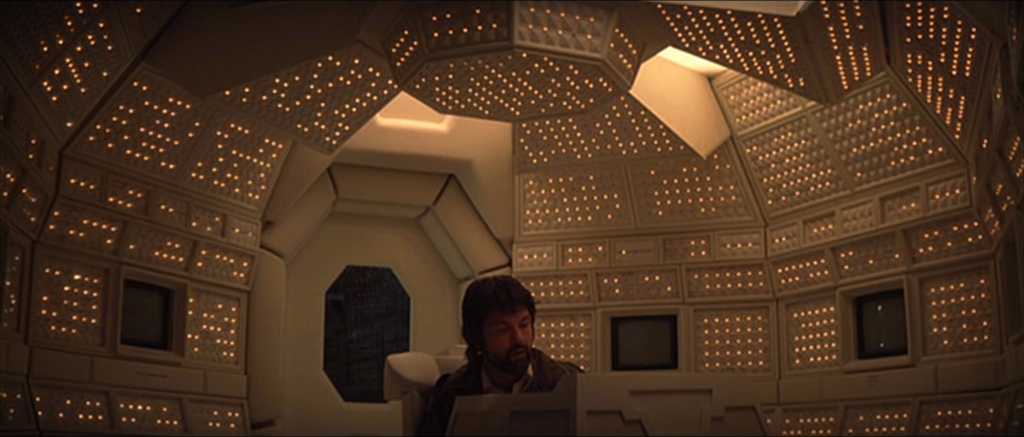
Alien (1979) is a classic hybridity case because the semantic layer reads as science fiction, while the syntactic engine runs as horror. The spaceship setting, corporate mission language, and technology cues establish a future-world vocabulary. The scene logic then follows horror patterns: isolation, stalking, delayed revelation, and sudden shifts from relative safety to threat. The genre experience comes from the structure of vulnerability and pursuit, not just from the setting.
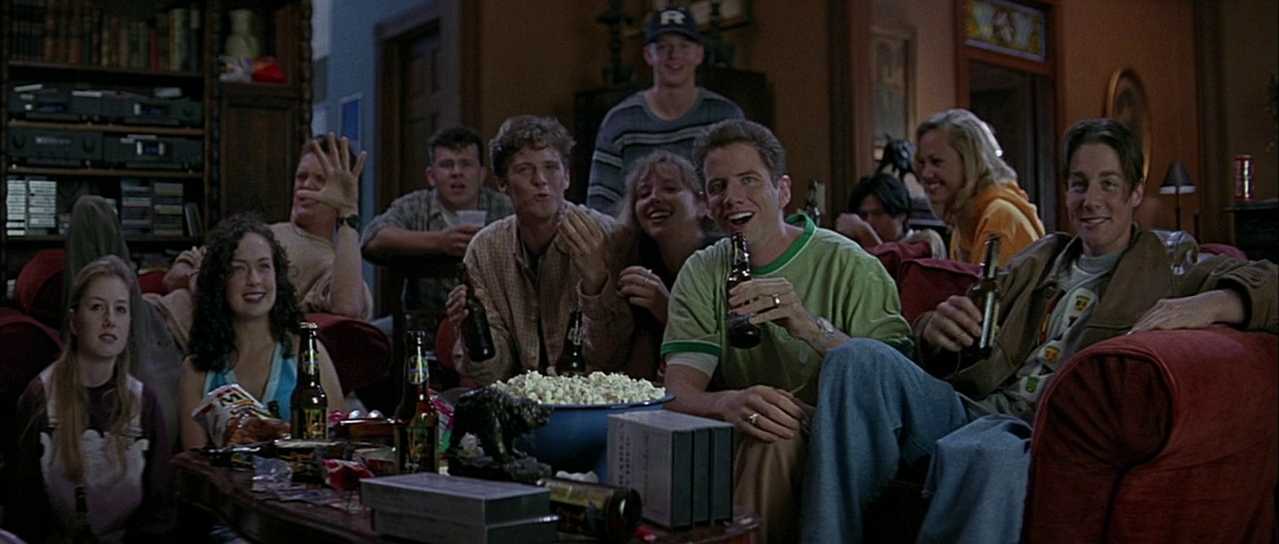
Scream (1996) shows how a film can foreground genre knowledge and still rely on genre mechanics. The dialogue about horror rules becomes another cue system that trains attention and suspicion. The suspense still depends on timing, misdirection, concealment, and payoff. Genre theory helps here because it explains how self-awareness can become part of the expectation design, rather than interrupting it.

Parasite (2019) is often described as shifting between dark comedy, thriller, and melodrama. Genre theory can specify what the shift is doing. The film changes the spectator’s prediction model by altering consequence logic and pacing. Scenes that once promise embarrassment and social friction begin to promise danger and irreversible fallout. The category experience changes because the rules of payoff change.
Common Misconceptions
Genre theory often goes wrong in student writing for a simple reason. The essay names a genre, then treats the name as an explanation. The method becomes useful when the label becomes the start of analysis, not the end.
Misconception 1: Genre is a marketing label, so genre analysis is about posters and trailers. Marketing can be evidence in a cultural approach, but genre theory also works at the level of film form. A scene can teach expectation through pacing, framing, and payoff logic even when the marketing label is unknown. The analysis should show how the film itself builds the category experience (Altman 1999; Neale 2000).
Misconception 2: Genre works like a checklist of traits. A checklist can help with observation, but genre theory cares about how traits function together. A single trope does not establish a genre. A genre claim needs a network of cues that repeat across scenes and organize expectations across setup and payoff (Altman 1984).
Misconception 3: A genre is the same thing as a theme. Theme describes what a film is about at the level of ideas. Genre describes how the film organizes experience through conventions and expectation. A theme can sit inside many genres. A genre can carry many themes. A genre paragraph needs to show mechanism, not only meaning.
Key Debates and Scholarly Criticism
Genre theory has a long debate over where genre “lives.” One approach treats genre as a set of textual patterns, so the film’s repeated structures become the main evidence. Another approach treats genre as a cultural category shaped through industry practices, criticism, and audience discourse (Altman 1999; Mittell 2001). The difference matters because it changes what evidence counts. A cultural approach can treat paratexts, reception, and institutional labeling as part of the genre system.
A second debate concerns ideology and social function. Genre conventions can carry values, including who gets framed as normal, who gets framed as dangerous, and what kinds of endings restore order. Critics disagree about how directly genre analysis should move from formal patterns to social power. A careful approach keeps the steps visible. It shows how a convention structures sympathy, access to information, and moral evaluation before it makes a larger claim (Schatz 1981; Grant 2012).
A third debate focuses on hybridity and genre mixing. Some scholars treat hybridity as a standard way genres renew themselves, especially in periods of rapid industrial change. Others warn that “hybridity” can become a vague label that replaces analysis. The method has to specify what is mixing. Is the film mixing surface iconography, plot logic, emotional payoff rules, or all three (Altman 1984; Neale 2000)?
Genre studies also faces a recurring criticism about scale. Genre categories formed around Hollywood do not always travel cleanly across national cinemas or across media. The solution is not to abandon genre theory. The solution is to treat genre labels as historical and local, then show how specific audiences and institutions use them in specific contexts (Mittell 2001).
Quick Contrast With Related Theories
A useful contrast is film semiotics, because both approaches care about repeated cues. Semiotics asks how images and sounds function as signs and how those signs produce meaning. Genre theory asks how repeated signs and scene patterns build an expectation system that structures prediction and payoff across time.
In practice, semiotics often operates at the level of a moment, such as a gesture, a color, a sound cue, or a symbolic object. Genre theory operates at the level of scene jobs and structural payoffs. A semiotic reading might explain what a sign connotes in one shot. A genre reading explains how a set of cues trains the spectator to anticipate a certain kind of event and evaluate it in a certain way. If you want a bridge concept between the two, connotation helps because it shows how meaning builds through repeated cues.
Why It Still Matters
Genre theory still matters because genre remains one of the main ways spectators organize viewing choices and interpret what they see. Streaming platforms sort libraries through category systems, critics review films through genre frames, and audiences discuss films through expectation language. That ongoing genre talk affects how films get understood and what kinds of experiences viewers seek out (Altman 1999; Mittell 2001).
Genre theory also travels across media, and that travel clarifies what genre is. In music studies, Franco Fabbri describes genres as systems of rules accepted by specific communities, which means genre is tied to shared practice and shared listening habits, not only to sound traits (Fabbri 1981). Simon Frith connects genre talk to value judgments and identity claims, which helps explain why genre debates often feel personal (Frith 1998). In video game studies, genre analysis has to account for mechanics and player goals, because the category experience involves what the player does as well as what the player sees (Wolf 2001).
The method still has limits. Genre theory can slip into classification, especially when the writing stays at the label level. The strongest use of genre theory keeps the mechanism visible. It names cues, explains what they teach the spectator to expect, and shows how the film rewards or reshapes that expectation through payoff.
Summing Up
Genre theory explains how films use conventions to build expectation and meaning over time. It treats genre as a system that spectators learn through repeated cues, repeated scene jobs, and repeated payoff rules (Altman 1999; Neale 2000).
As an analysis method, genre theory stays accountable when it remains evidence-first. The argument should move from observable cues to expectation to payoff. When that chain is explicit, genre becomes more than a label. It becomes a way to explain how a film’s structure and style organize the viewing experience.
Read Next: Curious how film theory shapes the way we watch movies?
Start with the Film Theory section to break down realism, formalism, structuralism, and more — with examples from iconic films.
If you want studying film theory I recommend starting with The FilmDaft overview of film theory discourses to break down realism, formalism, structuralism, and more — with examples from iconic films.
Then explore the full Film History, Theory & Genre collection to see how movements, styles, and storytelling traditions have evolved.
Whether you’re into Soviet montage or 2000s genre mashups, there’s something here to sharpen your understanding.
Genre Theory FAQ
What is genre theory?
An approach that treats genre not as a fixed label but as a living system of conventions — iconography, characters, and narrative patterns — that filmmakers and audiences negotiate together.
What is Rick Altman’s semantic/syntactic approach?
Altman’s model defines a genre by its semantic elements (recurring building blocks like settings, costumes, and iconography) and its syntactic structures (how those elements are arranged into meaning). A film can share one without the other.
What did Steve Neale contribute to genre theory?
Neale reframed genre as a process rather than a fixed category, stressing how industry economics and audience expectation continually shape and reshape genres.
What is genre hybridity?
When a film blends the conventions of two or more genres — a horror-comedy, a sci-fi western. Hybridity shows that genres are flexible and evolving rather than pure.
Why does genre matter in film?
Genre sets audience expectations, guides marketing and production, and gives filmmakers a shared language to fulfil, subvert, or play with. See our guide to film genre for more.
References
- Altman, Rick. 1984. “A Semantic/Syntactic Approach to Film Genre.” Cinema Journal 23 (3): 6–18.
- Altman, Rick. 1999. Film/Genre. London: BFI Publishing.
- Fabbri, Franco. 1981. “A Theory of Musical Genres: Two Applications.” In Popular Music Perspectives, edited by David Horn and Philip Tagg, 52–81. Göteborg and Exeter: International Association for the Study of Popular Music.
- Frith, Simon. 1998. Performing Rites: On the Value of Popular Music. Cambridge, MA: Harvard University Press.
- Grant, Barry Keith, ed. 2012. Film Genre Reader IV. Austin: University of Texas Press.
- Mittell, Jason. 2001. “A Cultural Approach to Television Genre Theory.” Cinema Journal 40 (3): 3–24.
- Neale, Steve. 2000. Genre and Hollywood. London: Routledge.
- Schatz, Thomas. 1981. Hollywood Genres: Formulas, Filmmaking, and the Studio System. New York: McGraw-Hill.
- Todorov, Tzvetan, and Richard M. Berrong. 1976. “The Origin of Genres.” New Literary History 8 (1): 159–170.
- Wolf, Mark J. P., ed. 2001. The Medium of the Video Game. Austin: University of Texas Press.
Academic starting points:
