

Published: January 3, 2026

What is A legend? Definition & Meaning
A legend is a story people pass around over time about a person, place, or event that people treat as real, or possibly real.
A legend happens in a world like ours. People tell it like it might be true, often with witnesses, locations, and “I heard it from…” details. Over time, retelling adds drama and sometimes supernatural twists.
In everyday speech, “legend” can also mean a famous person. This guide uses the folklore and film meaning: a story that feels real enough that people argue about whether it happened.
A Legend Always has One Foot in Reality
A legend borrows from history, but it is told with uncertainty and embellishment. It often starts with something concrete: a real person, a real place, or a real event. Retelling trims facts, adds punchy details, and turns the story into something people can repeat fast.
- One foot in reality: Specific names, places, dates, and local rules make it feel possible.
- Meaning outruns evidence: People repeat it because it explains fear, pride, shame, or “who we are” as a group.
- Belief tension: The drama comes from “Did it happen?” and “Why does this group need it to feel true?”
How legends work
Legends use a few repeatable moves. When you know them, you can write legend material with control.
Plausibility signals are the “this could be real” cues. A teller points to a witness, a specific road, a local landmark, or “my uncle knew the guy” connections. In film, you can build plausibility with casual dialogue, ordinary props like maps, flyers, and news clippings, familiar routines, and small local details.
Conversation drives the genre. Legends often get told like a discussion, not like a finished text. One person claims something, someone else doubts it, and the details mutate through that argument. If you want that feel on screen, write competing accounts and let characters argue about the evidence.
Variants keep legends alive. Multiple versions can exist at the same time, often tied to different places. If you want the “one version among many” feeling, use point of view, conflicting witnesses, or an ending that admits uncertainty.
Reputation beats records. A legend’s “truth” is what people repeat. Official records might exist, but the popular version often grows beyond what the records actually show.
Legend vs. myth vs. folktale vs. fairy tale vs. rumor
These categories overlap in real life. The cleanest way to separate them is to ask what the story treats as real, and whether it asks you to believe it happened.
| Type | What it claims | How it usually works in film |
|---|---|---|
| Legend | “This happened,” or “This could have happened.” | You sell it with witnesses, place, and incomplete proof. Doubt stays on the table. |
| Urban legend | “This happened recently, not far from here.” | You sell it with a modern fear, a specific setting, and a believable chain of who told who. |
| Rumor | “I heard that…” | You get a claim without a full narrative. Rumor becomes legend when it grows into a repeatable story with scenes. |
| Myth | “This explains the world,” or “This is the law beneath reality.” | Gods, monsters, and fate act as real forces. The impossible is part of cause-and-effect. |
| Folktale | “Here is a tale.” | You do not need proof. You rely on clear beats, repetition, and a lesson. |
| Fairy tale | “Magic is normal here.” | You rely on transformation, curses, and emotional logic more than plausibility. |
Myth example: The Odyssey (2026)
The Odyssey (2026) adapts Homer’s epic poem about Odysseus, a war hero who struggles to get home after the Trojan War.
The Odyssey fits under myth and epic, not under legend. The story treats gods, monsters, and fate as real forces, so it uses myth logic, not local, witness-based legend logic. Here is the IMAX trailer:
If you want a structure template, compare the journey to Campbell’s monomyth. Odysseus is a classic “long road home” hero. You can also compare the film’s scope to epic poem tradition, which uses long journeys, repeated trials, and larger-than-life stakes.
Folktale example: The Tale of the Princess Kaguya (2013, Studio Ghibli)
The Tale of the Princess Kaguya is a folktale adaptation of The Tale of the Bamboo Cutter (late 800s or early 900s). The film treats moon origins and magical turns as normal parts of the world. That is folktale logic.
The plot uses repeatable beats, like discovery, growth, court pressure, impossible demands, then departure. That beat pattern is one reason the story travels so well across versions.
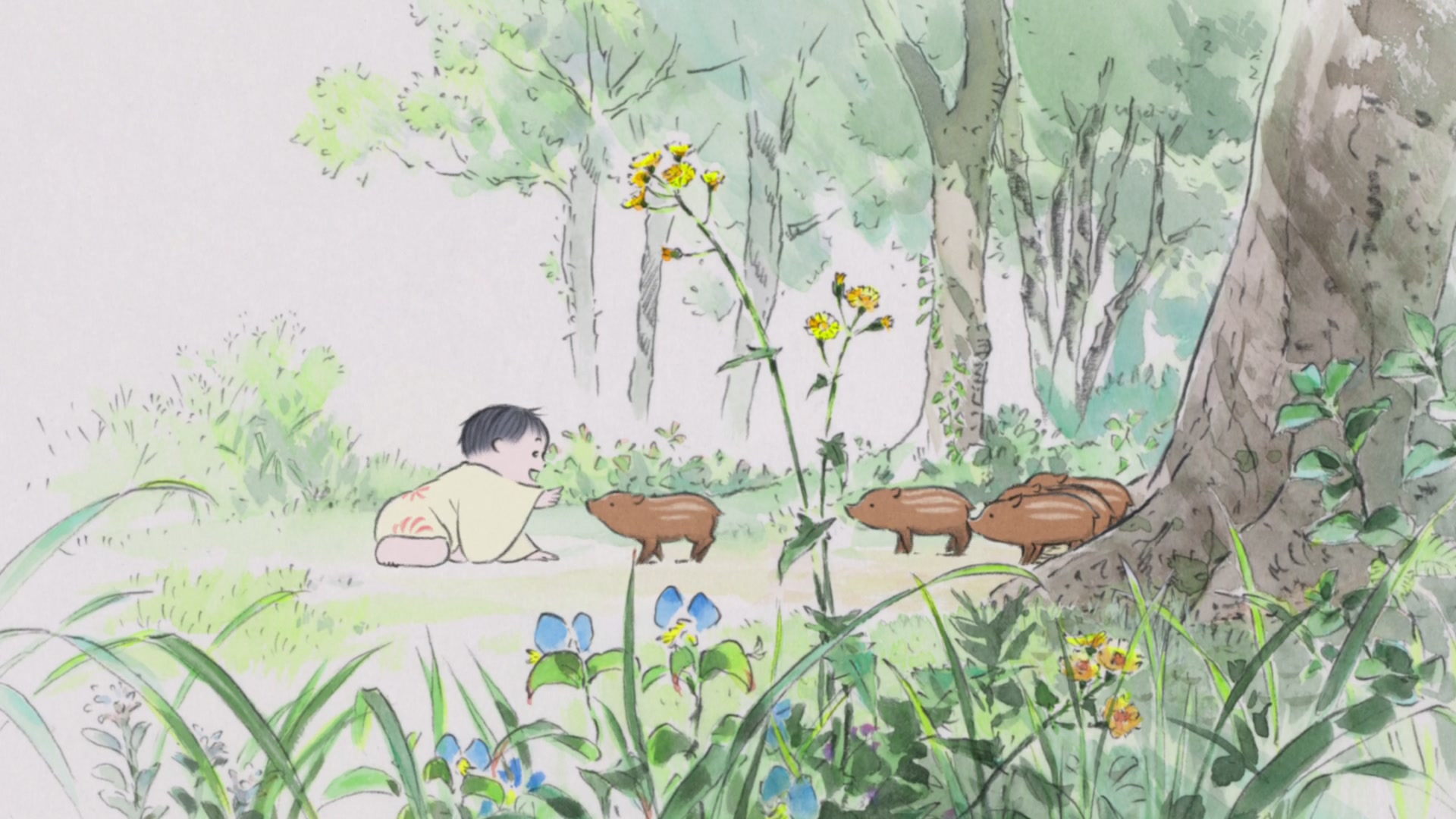
Folktales often rely on repetition and simple cause-and-effect. If you want a nearby form, a fable is usually shorter and ends with a blunt lesson.
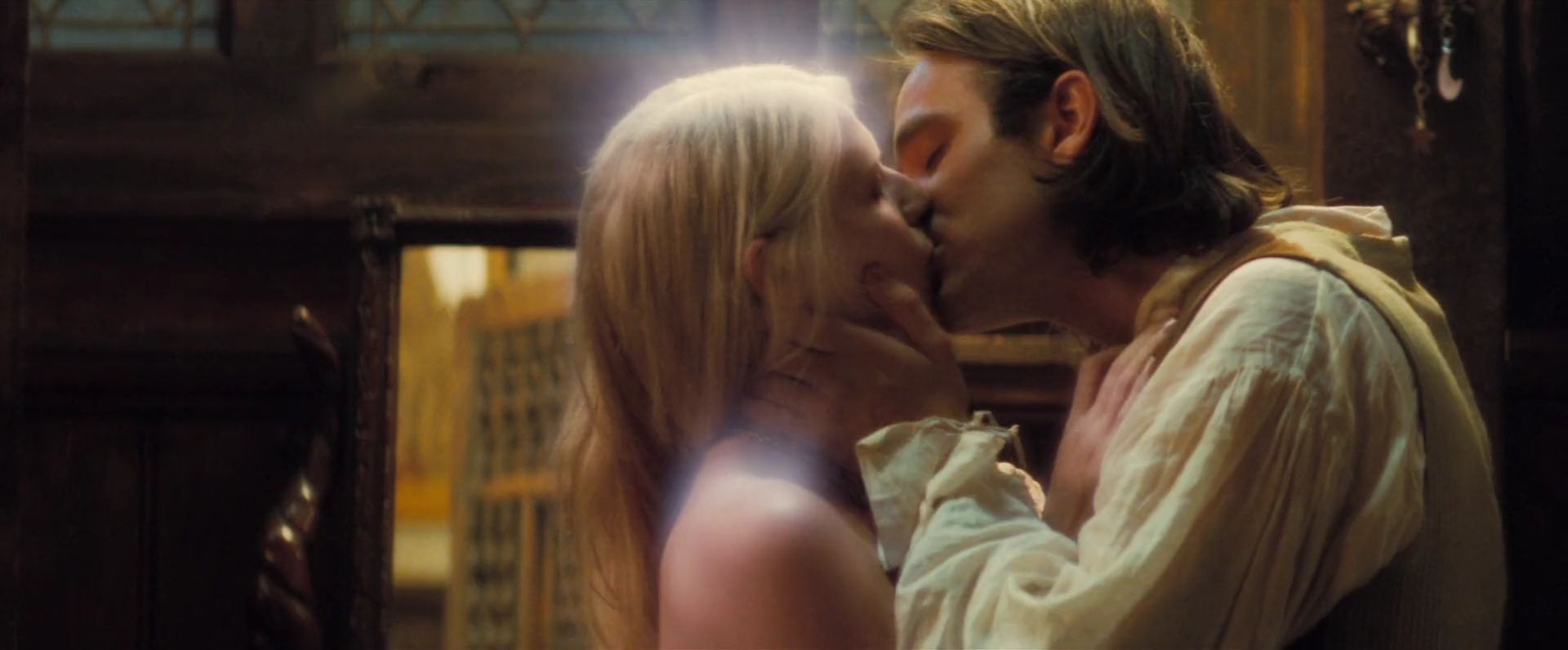
Fairy tale example: Stardust (2007, Paramount Pictures)
Stardust is a live-action, fairy-tale-style fantasy where magic is part of the everyday rules. The plot runs on classic fairy tale beats: a boundary you should not cross, a simple quest, witches, curses, and romance where feelings matter more than realism.
How legends form (and why film speeds it up)
Legends form because people keep repeating a story that helps them explain fear, pride, shame, or rules. Film and TV can speed this up because images look like proof, especially when you use documentary cues like interviews, handheld footage, and “found” media.
- A kernel appears: A mystery, injustice, disaster, or an unusually famous person gives people something concrete to point at.
- Retelling edits the material: Each teller trims, simplifies, and heightens the most dramatic moment.
- Motifs lock in: Repeating units show up, like “the cursed place” or “the last stand.” See motifs in film.
- Place becomes proof: A house, a road, a hill, or a battlefield turns into the location people point to as “where it happened.”
- A signature version spreads: A popular telling becomes the default because people quote it, share it, and copy it, even when older variants still exist.
Legend tripping is when people visit the “real” location to test the story. People go to dare each other, prove it, or “see for themselves.” Horror loves this because it forces characters into the location, which creates danger on screen.
Legends across cultures (and why many are hybrids)
Many famous “legends” mix legend, myth, and later literature. What matters for your script is one practical question: which parts do you treat as real-world events, and which parts do you treat as symbolic?
- King Arthur: Real places plus centuries of new versions that changed the tone and the message, from warlord realism to full fantasy.
- Robin Hood: Outlaw traditions that shift with politics and class.
- El Cid: A real medieval military leader whose later reputation goes beyond what surviving records can confirm.
- Hua Mulan: A heroic tradition with versions that change by era and values.
- Sundiata (Mali): Epic tradition tied to lineage and national memory.
If you want a structure guide, connect the material to archetypes or the monomyth. Those frameworks help you manage expectations without forcing one “official” version.
Film examples (and what they are doing)
Films can take a debated story and make one version feel like the version everyone knows. Your job is to decide what you want viewers to believe, then build scenes that support that belief with proof, doubt, and consequences.
Braveheart (1995, Paramount Pictures / 20th Century Fox)
Braveheart treats William Wallace as a man whose reputation grows into legend. The film focuses on repeatable signature scenes, so Wallace becomes an idea other people follow.
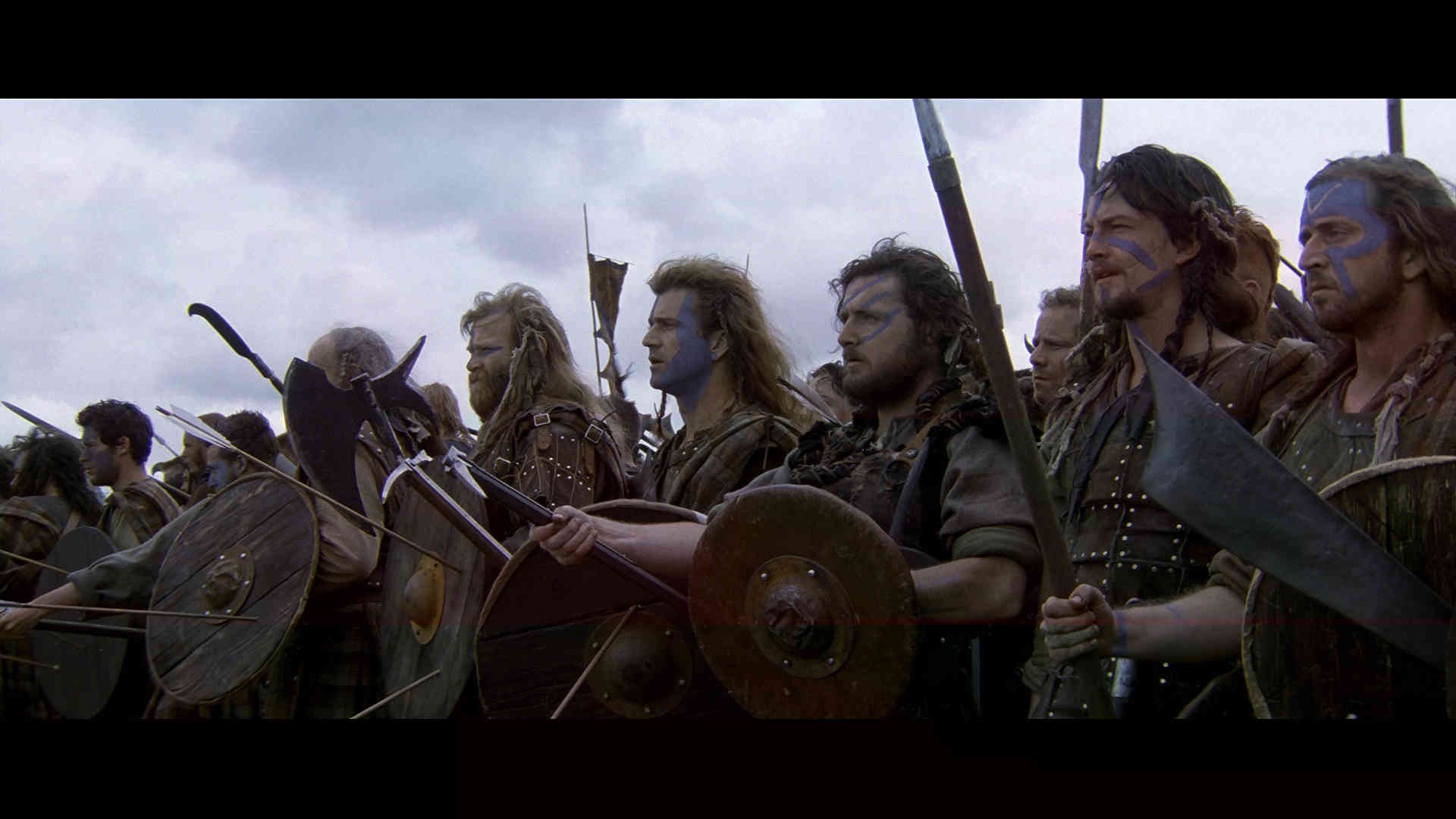
- Real-world anchors: Named conflict, political stakes, recognizable medieval power structures.
- Legend move: The script centers moments people can repeat in one sentence, like the rallying speech and the execution.
- Craft takeaway: Pick one claim about reputation, then build signature scenes that keep proving it.
Mulan (1998, Walt Disney Pictures)
Mulan adapts a heroic tradition and locks one version into pop culture. It turns a flexible legend into a single character arc with clear turning points.
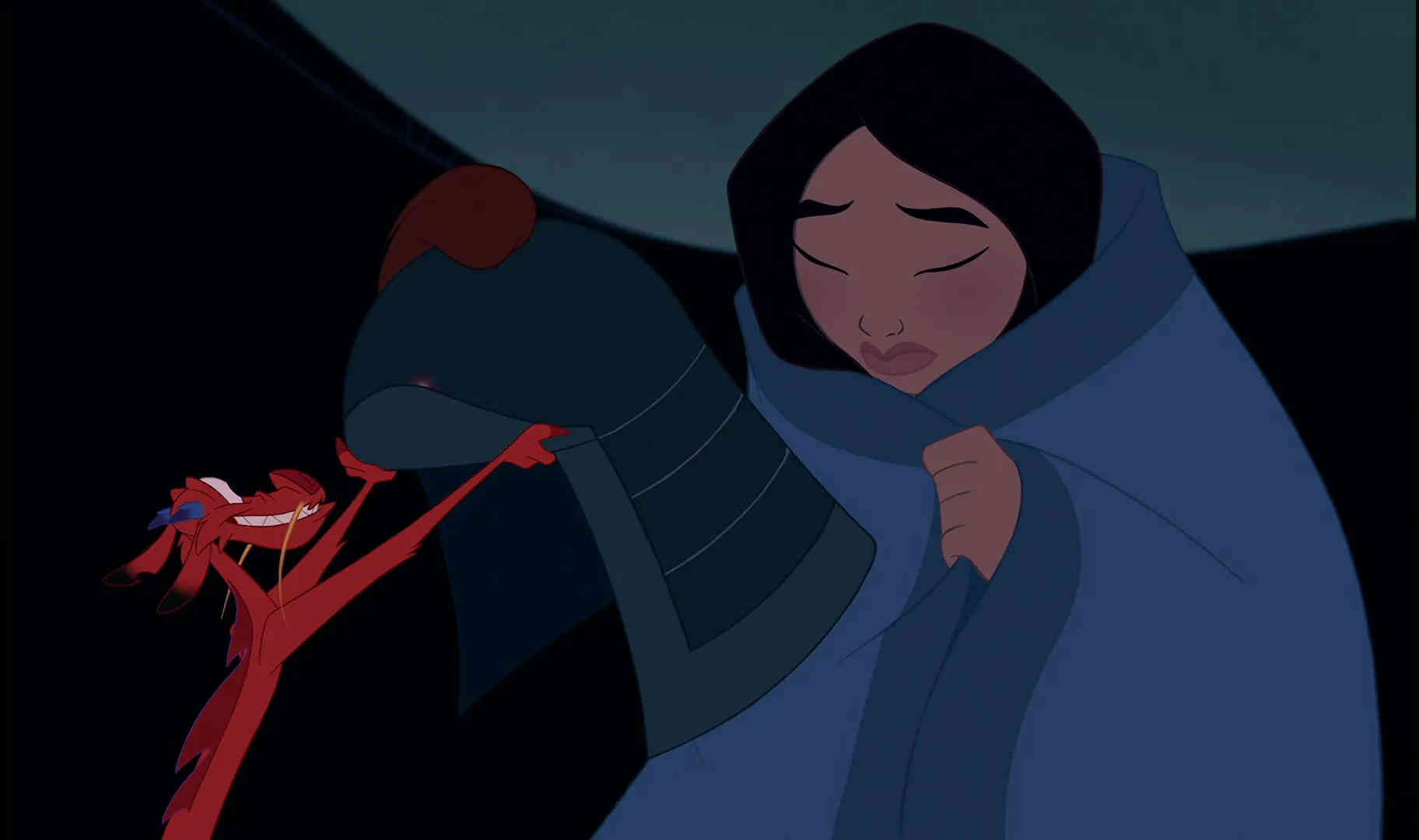
- Real-world anchors: War duty, family pressure, social roles, imperial structure.
- Legend move: The film highlights repeatable turning points, like the identity reveal and the shift from trainee to soldier.
- Craft takeaway: Decide which values drive your version, then let every choice lead back to those values.
The Blair Witch Project (1999, Artisan Entertainment)
The Blair Witch Project sells a local legend by treating the film as evidence. It borrows documentary techniques like interviews and handheld footage, so you supply belief in the gaps.

If you want grounded realism for legend material, start with verisimilitude. Treat the camera as a witness, not as a narrator.
- Real-world anchors: Named location, interviews, local history snippets, handheld footage that feels “found.”
- Legend move: The film treats the legend like community knowledge, then turns the search into the plot.
- Craft takeaway: Build an evidence chain that stays incomplete, then show the cost of chasing it.
How to plan a legend-based film
Legend writing works best when you treat belief as a design problem. Decide what your version claims, decide what it hides, then build scenes that force choices.
1) Start with a belief question
A legend runs on what people argue about. Define the argument first, then turn it into scene pressure.
- Pick one debate: “Did it happen?” “Did the person deserve the reputation?” “Is the place cursed, or is the curse a cover story?”
- Write the cost: Show what a character loses when they believe, and what they lose when they refuse.
2) Choose your grounding level
Your grounding level controls what feels possible. Set the rules early, then keep them consistent.
- Historical-leaning: Minimal supernatural material. Politics and survival drive the plot. Use a period piece mindset.
- Legend-leaning: A mostly plausible world with rumors, disputed sightings, and events that could be chance or could be supernatural.
- Myth or fantasy-leaning: Open magic rules. Study how fantasy genres set expectations early.
3) Treat place like proof
Legends attach to locations because locations feel undeniable. Put the proof in the geography.
- Name the anchors: Landmarks, routes, weather patterns, rituals, and local sounds.
- Use recurrence: Return to the same place with new information. Let it work like a motif.
4) Use variants on purpose
Competing versions can be your structure, not a problem to solve.
- Choose your witnesses: An elder, a skeptic, a survivor, an outsider, an official record keeper.
- Give each witness a need: Pride, guilt, faith, money, status, or self-protection.
5) Handle living cultures with care
Some traditions are living and personal. A film can spread a flattened version fast, so your process matters.
- Research beyond summaries: Compare scholarship, local accounts, and older versions.
- Work with advisors when needed: A cultural advisor can flag shortcuts you might miss.
- Deliverable: Keep a short research log that lists your main sources and what you took from each.
Common mistakes (and how to avoid them)
Most legend scripts fail for a few predictable reasons. Each fix is one clear decision.
Problem: “Legend” means “anything old and cool.”
Fix: Decide who believes the story, where they learned it, and what they gain by repeating it.
Problem: Exposition explains the legend like a lecture.
Fix: Let the legend arrive through rumors, physical evidence like photos, notes, and recordings, consequences, and character choices.
Problem: The script jumps into full magic with no setup.
Fix: Set world rules early, then keep them consistent. Verisimilitude helps you stay grounded.
Problem: Culture becomes decoration.
Fix: Build meaning from values, contradictions, and lived history, not costume alone.
Problem: Disputed history gets treated like settled fact.
Fix: Put uncertainty into the framing, or admit artistic license in an end card.
Summing Up
A legend is a story that a group treats as real, or possibly real. It is shaped by what people want to believe, and it grows through repetition. If you design belief first, you can write legend material with intention.
- Keep the plausibility anchor: Who believes it, and why?
- Use place as proof: Locations carry memory and pressure.
- Build signature scenes: Legends spread through scenes people repeat.
- Set rules early: Your grounding level controls everything.
Read Next: Got a cool idea but no story yet?
Check out our Story Development section for help turning rough ideas into clear concepts, building stronger characters, and finding the heart of your script before you write page one.
Want to build the whole toolkit? Explore the Screenwriting archive for structure, formatting, and career advice that supports every step of your writing process.
FAQ
These questions come up because “legend” has two meanings. The answers below focus on how legends work on screen.
Are legends true?
Legends can connect to real events, but details shift through repetition. The key feature is plausibility. People tell the story as believable, then use it to explain values and fears.
Practical writing tip: Show what the group treats as proof, then show where the proof breaks.
Can a legend include supernatural elements?
Yes. Many legends include ghosts, curses, omens, or miracles. The supernatural details often appear as eyewitness claims, not as a fully explained magic system.
Practical writing tip: Make the supernatural detail force choices. Do not treat it as decoration.
What is the difference between a legend and a tall tale?
A tall tale signals exaggeration for humor. A legend signals plausibility. It asks you to consider it as possibly true, even when you doubt it.
Practical writing tip: Decide if your tone invites belief or invites laughter, then write scenes that match that tone.
Why do movies love legends?
Legend material arrives with built-in meaning. A name can carry reputation before you write a single scene. Your job is to earn that reputation with action and consequence.
Practical writing tip: Use symbolism and recurring motifs, then show the human cost underneath the reputation.
