

Published: November 19, 2025 | Last Updated: December 17, 2025

What was The Golden Age of Hollywood? Definition & Meaning
The Golden Age of Hollywood is the period from the late 1920s to the early 1960s, when the American studio system controlled film production, distribution, and exhibition. Studios released hundreds of films a year, created global stars, and defined genre filmmaking.
Timeline of the Golden Age
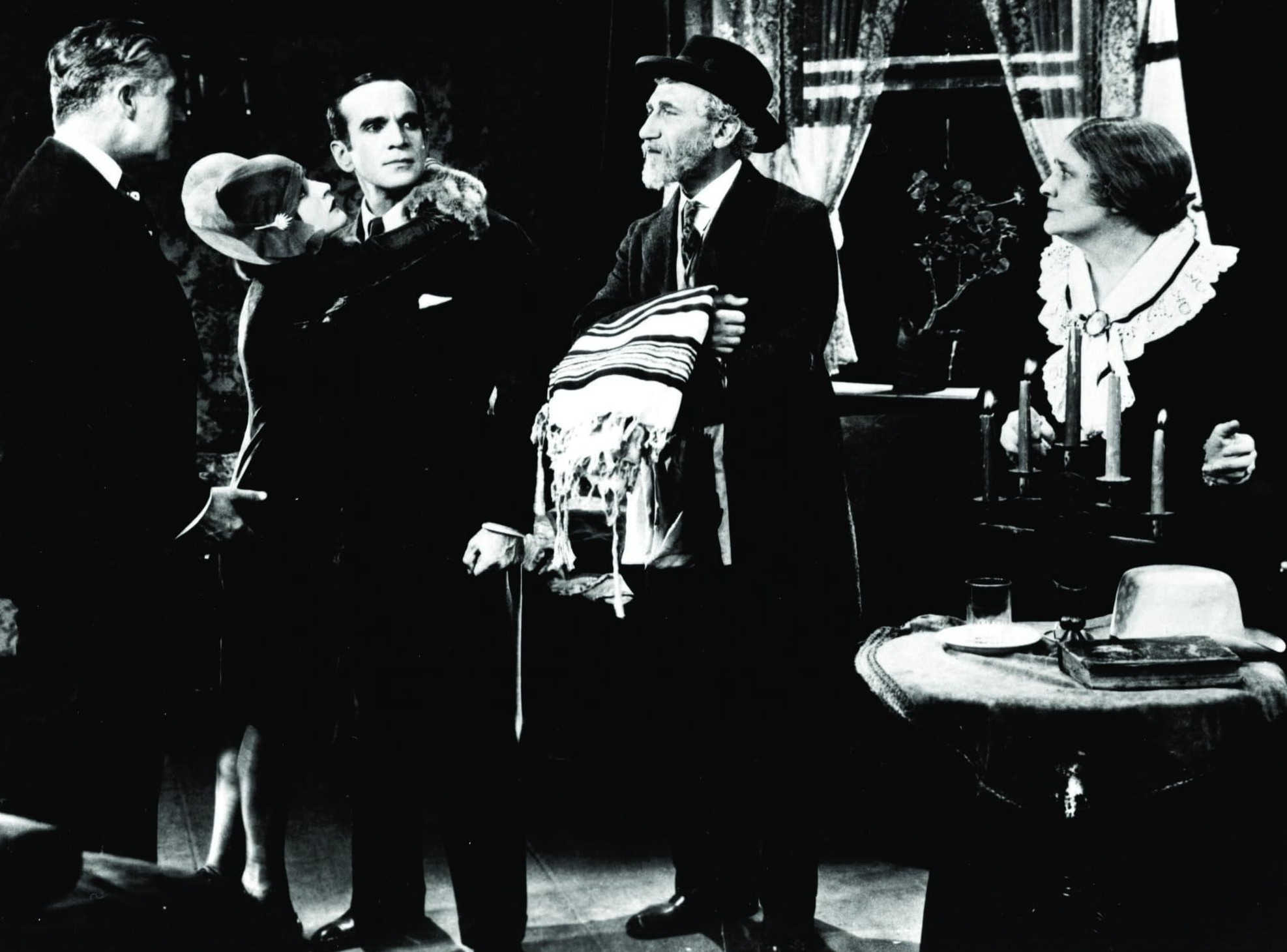
The Golden Age started in 1927 with the release of The Jazz Singer (1927, Warner Bros.), the first feature-length film with synchronized dialogue. This marked the shift from silent films to “talkies.”
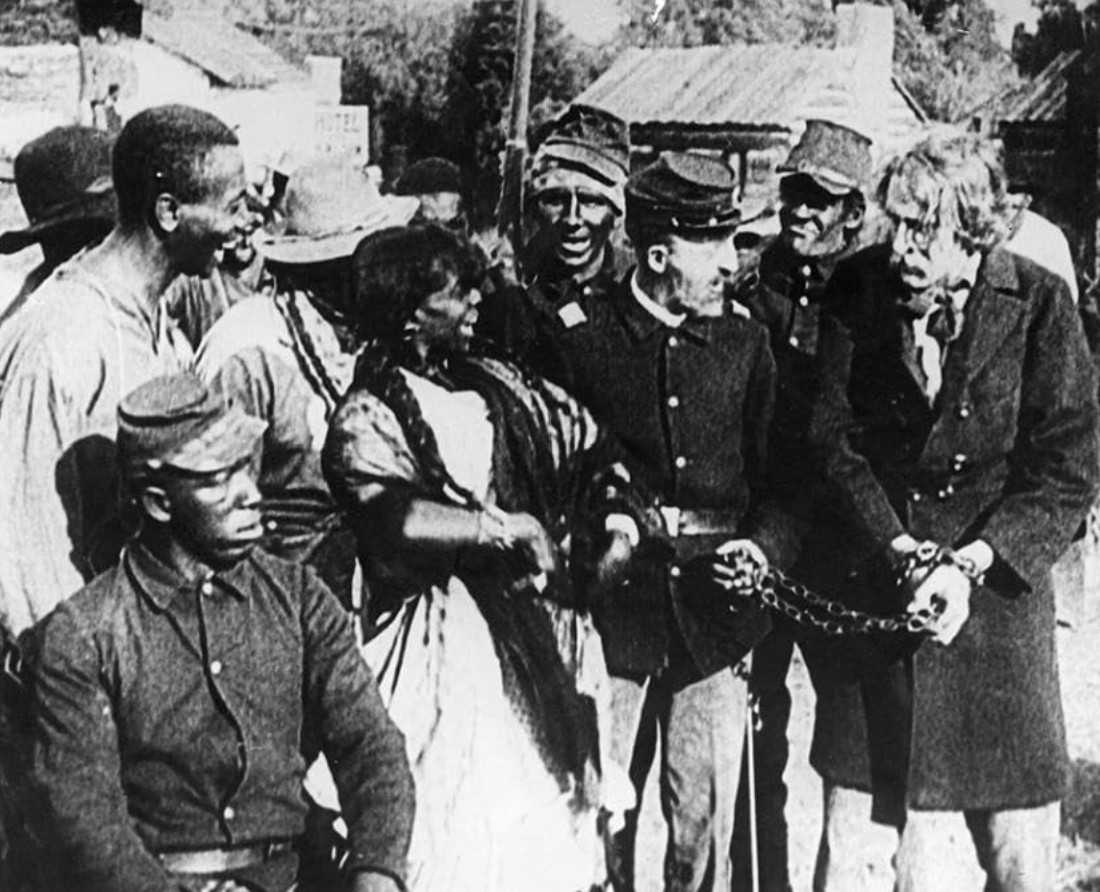
Some film historians point to earlier milestones, like The Birth of a Nation (1915), as the beginning of Hollywood’s dominance. But the late 1920s is when the studio system, sound technology, and mass entertainment all locked into place.
The Peak Years
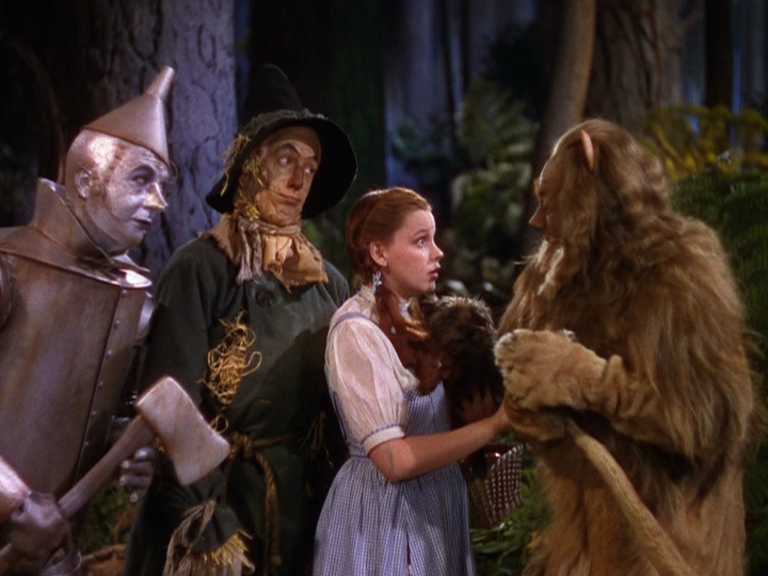
The era peaked in the 1930s and 1940s. In 1939 alone, studios released landmark films like Gone with the Wind, The Wizard of Oz, and Mr. Smith Goes to Washington.
The Golden Age began to fade in the 1950s and ended by the early 1960s. The fall was gradual, caused by many changes in the film industry and American society.
See an entire overview and timeline of film and animation in Western cinema.
Inside the Studio System
The studio system was a vertically integrated model where major studios controlled every step of the filmmaking process. They owned the production studios, the distribution pipelines, and the theaters where their films played.
The “Big Five” studios were:
- Metro-Goldwyn-Mayer (MGM)
- Paramount Pictures
- Warner Bros.
- 20th Century Fox
- RKO Pictures
The “Little Three” (Universal, Columbia, and United Artists) didn’t own theaters but still released many major films.
Studios managed everything in-house: scripts, casting, costumes, soundstages, and editing. They signed actors, directors, and writers to long-term contracts. This gave them full creative and financial control over each film.
See also an overview of the major movie studios that dominate today.
The Star System

Studios created the movie stars! They gave actors new names, controlled their public image, and shaped their careers through contracts and publicity campaigns.
Actors like Bette Davis, Cary Grant, and Humphrey Bogart were under exclusive studio contracts. Studios could loan them out to other companies, but kept tight control over their roles and appearances. Fame was carefully managed, and scandals were often covered up to protect box office returns.
Genres and Studio Specialties
The Golden Age locked in genre filmmaking as a system. Studios specialized in certain genres and reused sets, costumes, and even storylines to produce films quickly.
Examples include:
- Casablanca (1942, Warner Bros.) — romantic drama
- Singin’ in the Rain (1952, MGM) — musical
- Stagecoach (1939, United Artists) — western
- The Big Sleep (1946, Warner Bros.) — film noir
- Frankenstein (1931, Universal) — horror
Studios developed genre “formulas” that helped them deliver familiar stories to audiences. These films used consistent visual styles, predictable structures, and familiar actors. This system allowed studios to produce dozens of movies a year. It was the McDonaldization of the movie industry, if you like.
Technology and Innovation
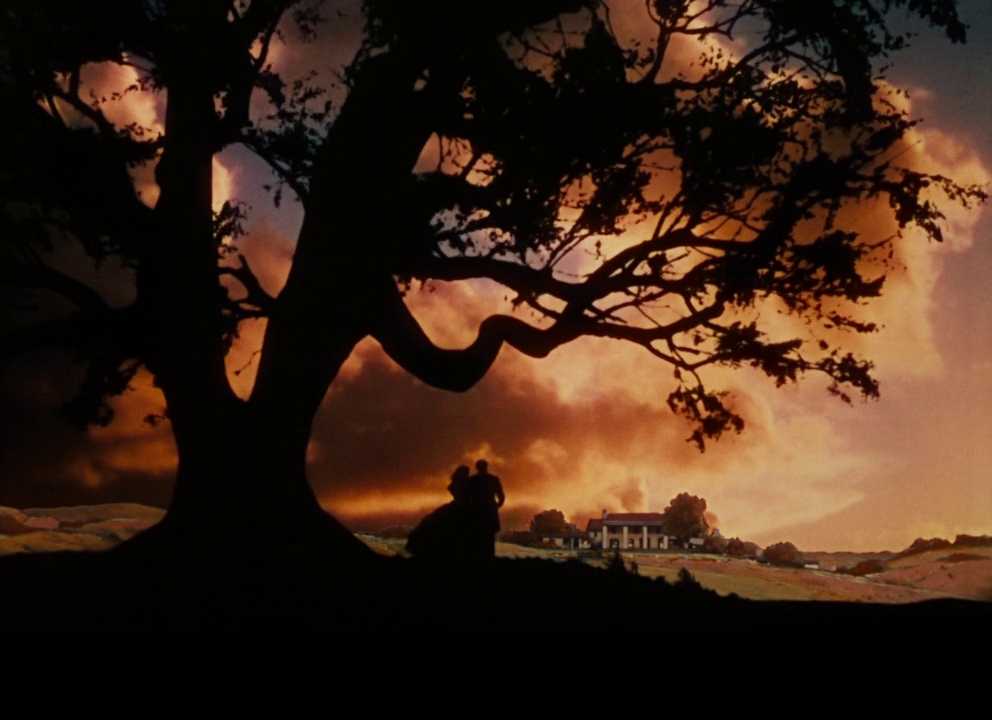
The Golden Age also saw major technical advancements. Sound replaced silent film. Colour technology, especially Technicolor, brought new life to musicals and fantasy films. Studios also developed better cameras, lighting setups, and editing techniques.
Everything was done in-studio. Even city streets and foreign locations were recreated on backlots. This helped maintain visual consistency across genres.
Why the Golden Age Ended
The decline began in the late 1940s. In 1948, the U.S. Supreme Court ruled in United States v. Paramount Pictures, Inc. that studios could no longer own theaters. This broke their monopoly on distribution.
Television also changed entertainment. By the 1950s, fewer people were going to the movies. Studios struggled to adapt. Big-budget epics couldn’t guarantee profits, and audience tastes were changing.
The Weakening of Censorship Rules
At the same time, the Production Code (also called the Hays Code) started to lose power. Directors and writers wanted to explore more realistic and challenging subjects, and studios lost the ability to control content the way they used to.
In 1968, the MPAA replaced the old Production Code with a new rating system. This allowed films to explore more adult themes without being banned or censored, something that hadn’t been possible since pre-code Hollywood.
Ratings like G, PG, R, and X gave studios and independent filmmakers more freedom. This officially marked the end of strict studio-era content control and the beginning of a new era in American film.
Lasting Influence on Cinema
The Golden Age created the foundation of American filmmaking. It standardized how studios operate, how stars are managed, and how genres are produced and marketed.
Its directors, like Billy Wilder, Alfred Hitchcock, and Howard Hawks, continue to be studied for their technical skill and control of tone. The studio lighting, backlot world-building, and narrative pacing of this era still influence today’s films.
Summing Up
The Golden Age of Hollywood lasted from the late 1920s to the early 1960s. It was built on the studio system, shaped by genre filmmaking, and driven by stars under contract. The system collapsed, but its influence remains. If you’re studying how the film industry was built, this is where to start.
Read Next: Want a deeper look at global film history?
Start with our Film History, Theory & Genre hub to see how early studios, national movements, and major shifts shaped the language of cinema.
Then explore our full Film Movements & World Cinema section for guides on movements like German Expressionism, French New Wave, Italian Neorealism, and more.
You can also check out our Visual Art Timeline to see how global art movements shaped the look, tone, and rhythm of film across decades.
