

Published: July 25, 2025 | Last Updated: August 26, 2025

What is A biopic? Definition & Meaning
A biopic is a film that dramatizes the life of a real person, often covering key events or periods and using creative license to shape a compelling narrative. The word “biopic” is short for “biographical picture.” It describes a movie that tells a true story about a historical or public figure, either across their lifetime or during a key chapter. The term became common in the 1950s, though the genre dates back to early cinema.
Biopics have existed since the silent film era. Directors in the 1920s and 1930s adapted the lives of figures like Joan of Arc, Napoleon, and Abraham Lincoln.

Early biographical films drew inspiration from theater and literature, shaping history into dramatic and engaging stories. In other words, just as today, filmmakers had to decide what to keep, what to cut, and how to portray personal change on screen.
Defining Traits of a Biopic
Like any movie genre, biopics have some defining traits. These not only define the genre but also highlight the inherent problems when writing or directing a biopic. These traits are:
- Real-life focus: Centers on a historical or cultural figure
- Time scope: May cover a full life or just a specific period
- Creative license: Scenes or timelines may be altered for dramatic reasons
- Casting choices: Actors must balance emotional depth with audience expectations
I’ll get back to the problems with biopics further down in this article.
Biopic vs. Documentary
Biopics use actors, scripts, and directed scenes to explore what a person’s life may have felt like. Documentaries rely on footage, interviews, and factual structure. While documentaries aim for accuracy, biopics often aim for emotion or insight.
Impression vs. Interpretation – The Actor’s Challenges
One challenge in biopics is the line between playing a role and mimicking a real person. Many actors in biopics aim to match their subject’s look, voice, and mannerisms. This can impress viewers but also limit creativity. When an actor focuses on accuracy, there’s less room to invent. This can turn performances into impressions instead of interpretations.

Some biopics give more freedom. When the subject is less documented, actors can shape the role more personally. For example, Liam Neeson’s portrayal of Oskar Schindler in Schindler’s List became the public’s mental image of the man, although there is no clear record of Schindler’s voice or behavior.
Filmmakers often center the entire story around the lead actor’s strengths. If the performance falls short or relies too much on imitation, the story can feel flat, even with good writing and direction.
Why Some Biopics Feel Hollow
Celebrity biopics often face another problem. If the subject is still alive or the film is made with their family’s approval, the story may avoid difficult truths. Celebrity biopics often focus on recreating famous moments rather than revealing anything new. Some even skip over controversial chapters entirely, which raises questions about honesty and bias.
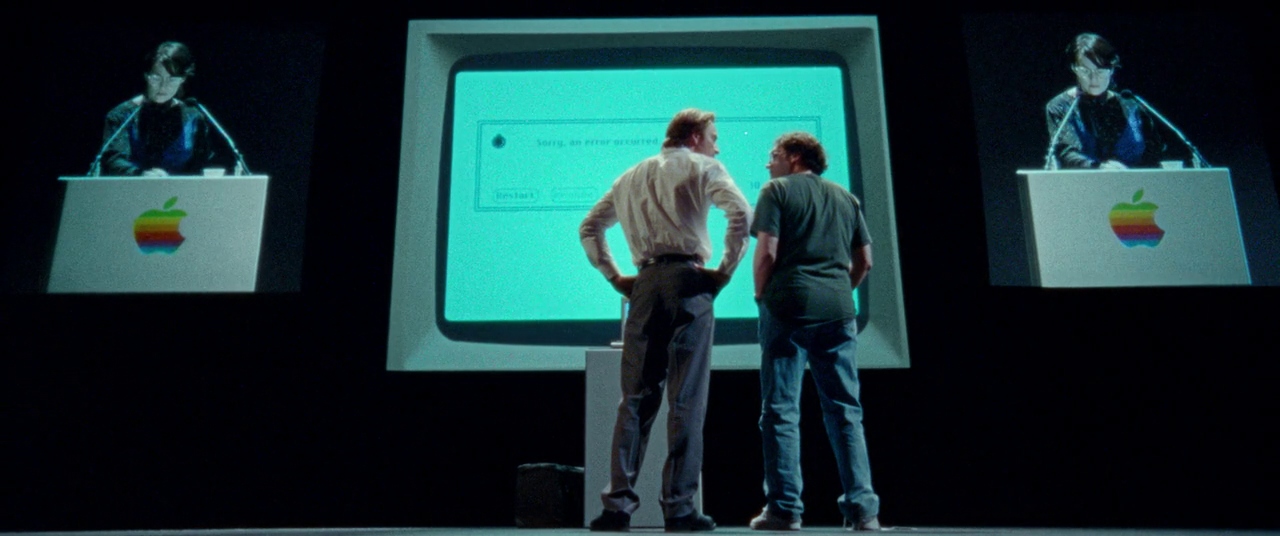
This can lead to what movie critics call “greatest hits” storytelling: a fast-moving series of major events that doesn’t leave room for depth. Viewers may leave the film feeling like they’ve seen a Wikipedia page acted out instead of a real emotional journey.
This is why some filmmakers choose a tighter focus. Director Danny Boyle built Steve Jobs (2015) around three product launches instead of trying to cover the full biography.
Spencer (2021) did the same with one weekend in Princess Diana’s life. Focused timelines often result in stronger stories and clearer emotional arcs.
What Makes a Biopic Work?
Biopics rely on thorough research, compelling storytelling, and emotional authenticity. Writers and directors often decide early on whether they want to cover the subject’s full life or just one key event. Many successful biopics use a three-act structure: setup, crisis, and resolution. This helps guide the audience through real events while keeping the story focused.
Key Elements
- Focused structure: Narrowing the timeline allows for deeper character development
- Emotional truth: Scenes should feel honest, even if they aren’t exactly factual
- Performance as insight: The actor should show what the subject may have felt, not just how they looked
Biopics tend to work best when the subject’s life is marked by contrast, such as success and failure, personal transformation, or significant cultural impact. A strong biopic needs more than fame. It needs emotional complexity and layers that can be explored on screen.
Examples of Biopics
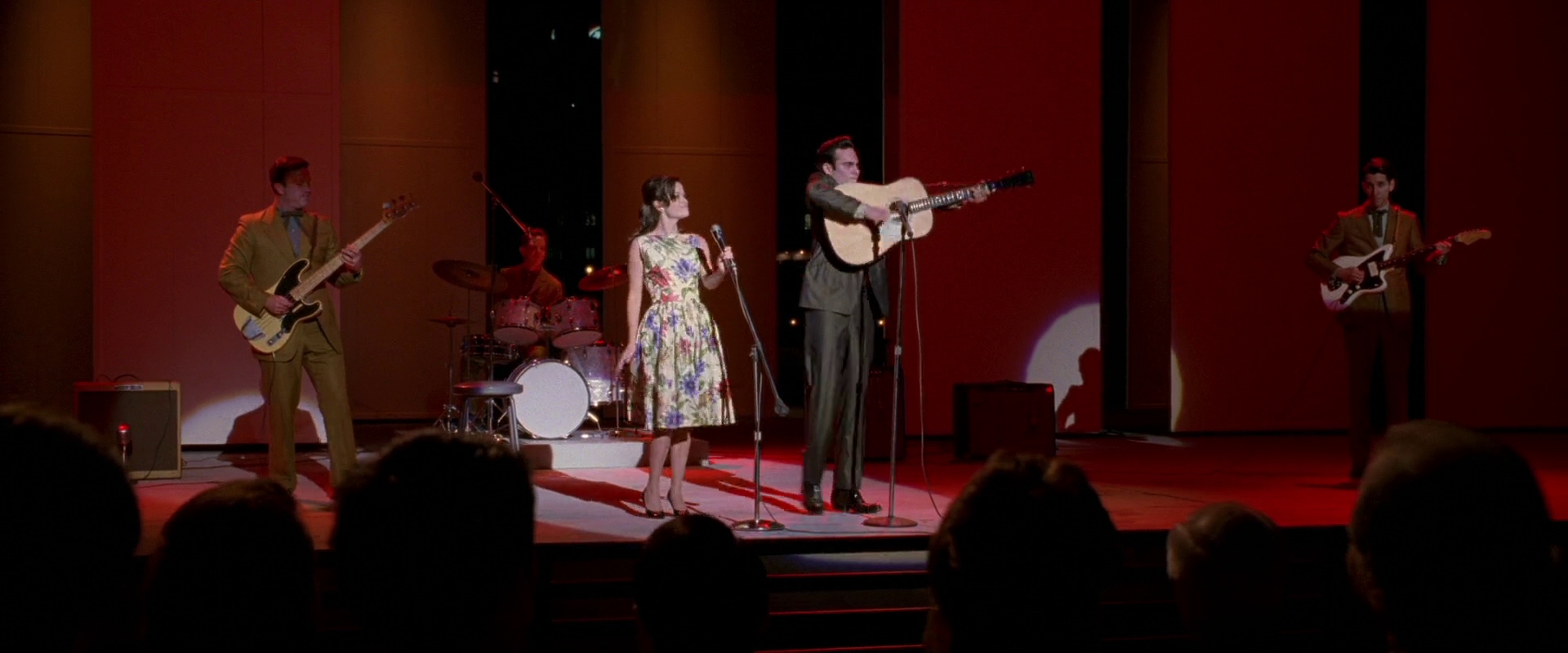
Here are some biopics, I think are worth the watch:
- Lincoln (2012, DreamWorks) – A quiet portrayal of leadership during political conflict
- The Social Network (2010, Columbia) – A focused look at ambition and betrayal
- Bohemian Rhapsody (2018, 20th Century Fox) – A celebratory version of Freddie Mercury’s career
- Walk the Line (2005, 20th Century Fox) – Johnny Cash’s rise and his relationship with June Carter
- The Theory of Everything (2014, Focus Features) – Stephen Hawking’s scientific career and illness
Why You Should Study Biopics
For filmmakers, biopics are valuable study material. They demonstrate how to craft stories from real events and how to condense lengthy timelines into concise narratives. Biopics also teach you how performance and casting shape character on screen. Watching how actors become real people can show you how physical and emotional choices work together.
Biopics also raise ethical and creative questions. What should be changed for drama? What should stay factual? Should the film respect the subject or challenge them? These are real questions you’ll need to answer in your own work if you ever take on a true story.
Controversies and Challenges
Some biopics face criticism for rewriting events or skipping important parts of someone’s life. If a biopic avoids tough moments to protect a subject’s image, it risks becoming hollow. On the other hand, if a film adds drama that never happened, it can mislead audiences. This is especially troubling when viewers assume that what they see on screen is true.
Many biopics are made with input or approval from the subject’s family. While this can help ensure accuracy, it may also lead to sanitized versions of the story. This is common with celebrity biopics, where the audience expects a feel-good version that avoids controversy.
Some filmmakers aim to stay true to the essence of the person. Others, like Scorsese in Raging Bull, focus more on emotional honesty than factual protection. The film shows Jake LaMotta as abusive and violent, and LaMotta himself admitted it was unflattering, but accurate.
These choices matter. Audiences are often drawn to biopics to learn about history or gain a deeper understanding of a public figure. The way the story is shaped affects how people see that person. Whether the film praises or critiques, it leaves a lasting image.
Summing Up
A biopic is a dramatized film about a real person’s life or a significant period in their life. It blends real events with creative storytelling to help viewers understand and feel the subject’s journey.
Read Next: Curious how visual styles define film genres?
Explore our breakdown of Genre & Visual Style to see how movements like naturalism, noir, and surrealism shape what we watch.
Looking for the big picture? Visit our Film History, Theory & Genre page to connect techniques with the eras and ideas that shaped them.
