

Published: June 24, 2025 | Last Updated: July 26, 2025

What is A soap opera? Definition & Meaning
A soap opera (also called a daytime drama or simply a ‘soap’) is a long-running, serialized television drama that focuses on personal relationships, emotional conflict, and ongoing storylines that continue across episodes.
Soap operas follow characters over time as their relationships shift, secrets come out, and new problems appear. The genre is known for strong emotions, complicated storylines, and cliffhangers that keep people watching.
Origins of the Soap Opera
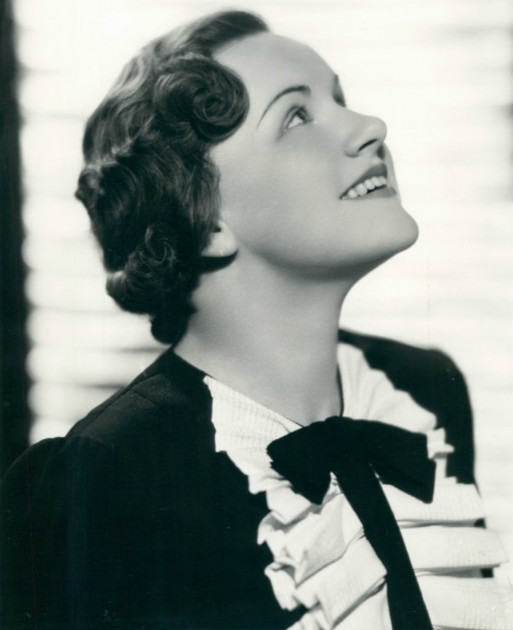
Soap operas started on radio in the 1930s. They aired during the day and were made for homemakers. Companies that sold soap, like Procter & Gamble, sponsored these shows. That is how the name “soap opera” was created. Early examples include Ma Perkins (1933, NBC) and The Guiding Light (1937, NBC). Both were later adapted for television.
Core Traits of Soap Operas
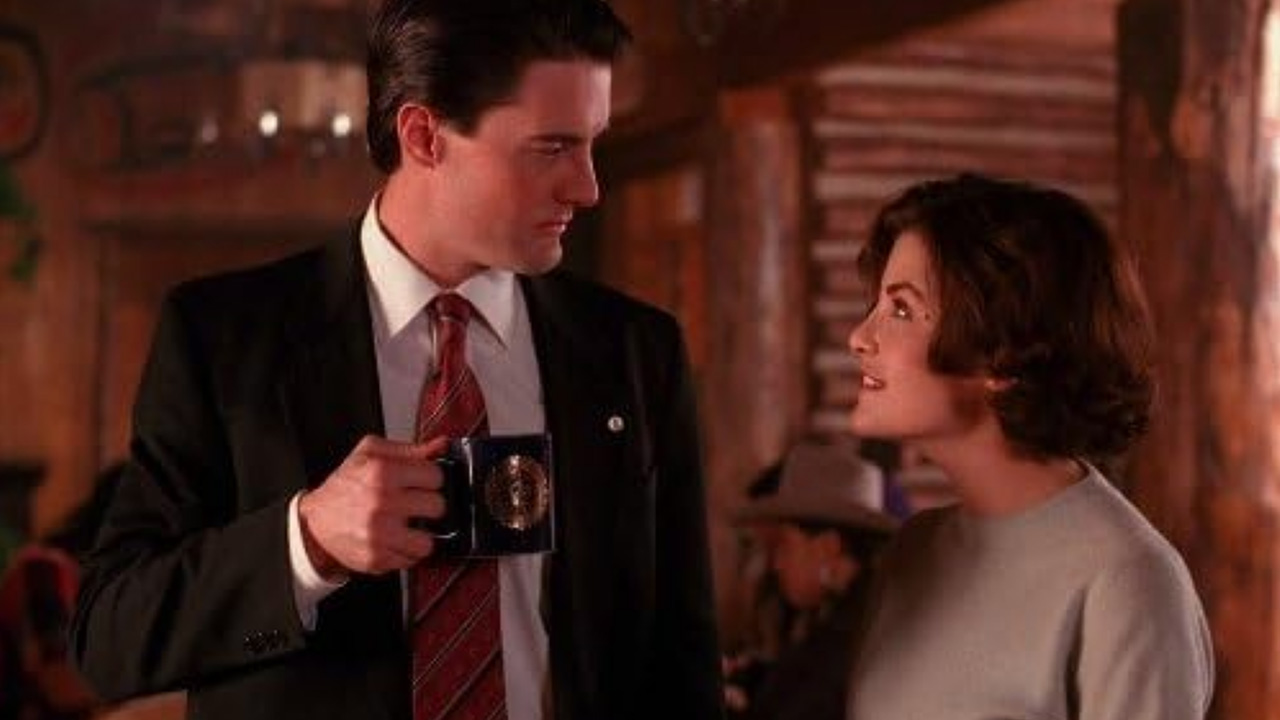
Most soap operas share a few basic traits. Below, I’ve divided this into the basic soap opera setup, narrative elements, and filming style. Of course, there are exceptions, especially when discussing shows like the Lynchian Twin Peaks, which share many aspects with soaps, but most soap operas share these traits:
Basic soap opera setup

- Serialization: The story continues from one episode to the next. Plotlines can last for months or years.
- Large Casts: Many characters appear often, and their stories connect in different ways.
- Personal Settings: Most scenes take place at home, at work, or in small communities. The drama focuses on everyday life.
- Emotional Conflict: Storylines deal with love, jealousy, betrayal, and major life changes.
- Cliffhangers: Episodes often end with a surprise or problem that makes people want to keep watching.
Narrative Style: Melodrama and Plot Twists
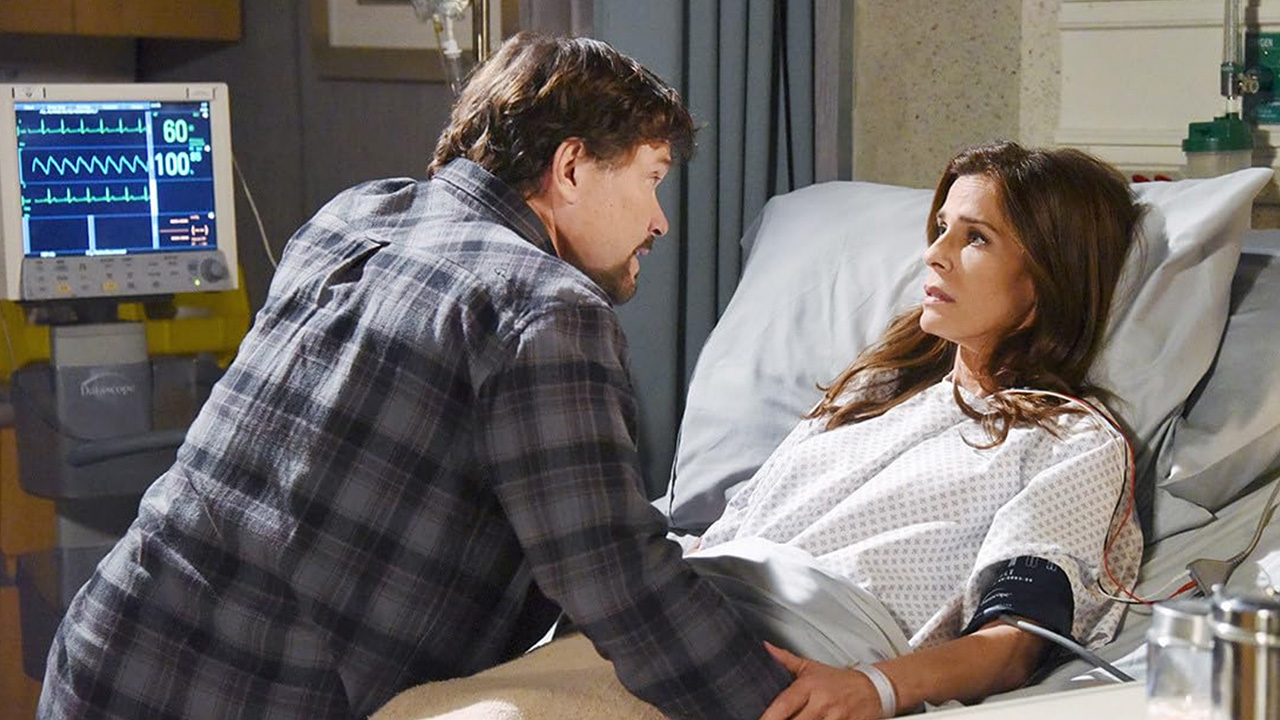
Soap operas are a subgenre of melodrama, and they often use emotional and dramatic plot twists to keep viewers interested. Some of the most common twists include:
- Someone cheating on a partner
- Finding out a child has a different father
- A person believed to be dead returning
- Love triangles where two people compete for the same partner
- A secret family member showing up unexpectedly
These moments create tension and change how characters relate to each other.
Filming Style: Lighting and Sets
Soap operas use a specific production style to keep filming fast and consistent. Most are shot in TV studios using the following setup:
- Multi-camera format: Several cameras record each scene at the same time. This allows for longer takes and fewer breaks between shots.
- Videotape or digital video: Soap operas were originally recorded on videotape, which has lower quality than film. This is one reason why close-ups are used more often.
- Flat, even lighting: The lighting is bright and spread across the whole set. Shadows are minimal, and actors are clearly lit from all sides.
- Backlighting: A light behind each actor helps separate them from the background and gives them a slight outline on screen.
- Studio-built interior sets: Most scenes happen in rooms like kitchens, living rooms, or hospitals. These sets are designed to be reused and easily lit for different scenes.
This setup makes soap operas look different from movies. The goal is to keep production quick and make sure every shot is clear, even when filming daily episodes.
Why Serialization Matters
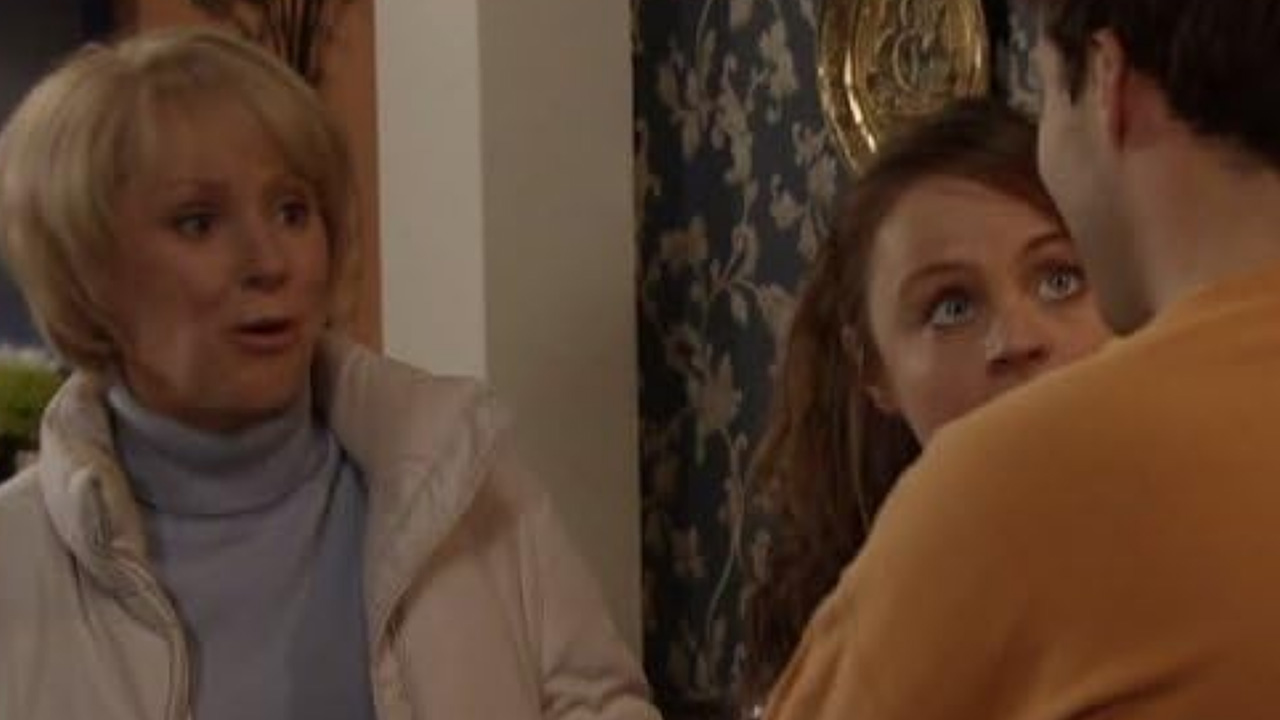
Soap operas are built around long-term storytelling. That lets viewers stay with the same characters for years. Serialization supports:
- Slow Growth: Characters change over time. Some mature. Others repeat the same mistakes.
- Stronger Bonds: Long-running friendships and rivalries feel more real because of their history.
- Regular Viewing: Daily or weekly episodes help make watching part of people’s routines.
This structure keeps viewers involved and makes them care more about what happens next.
Global Formats and Adaptations
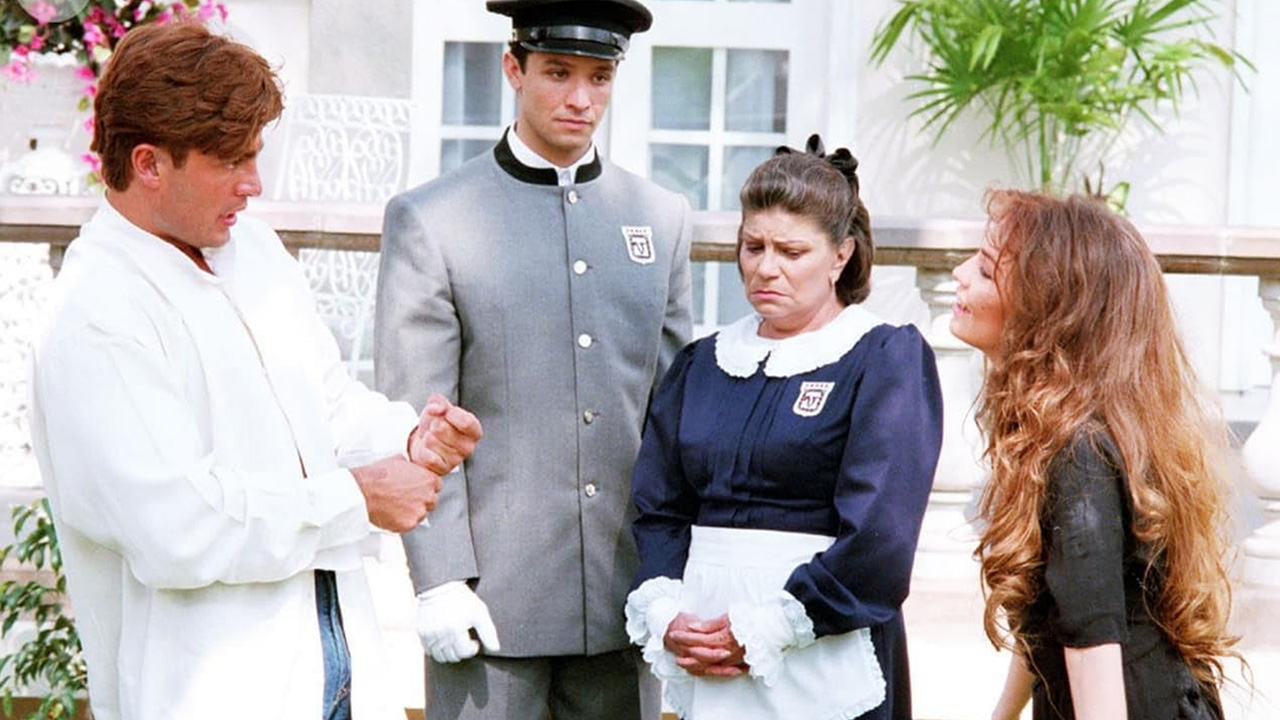
Soap operas exist in many countries, but each version is shaped by local culture and style:
- United Kingdom: Coronation Street (ITV, 1960–) and EastEnders (BBC, 1985–) focus on working-class families in city neighborhoods.
- Latin America: Telenovelas like María la del Barrio (1995, Televisa) are fast-paced and usually end after about 100 episodes.
- South Korea: Korean dramas often have strong emotional stories and love triangles. Most finish after 16 to 20 episodes.
While the formats vary, they all focus on love, conflict, and strong emotions.
Cliffhangers and Viewer Loyalty
Soap operas use cliffhangers to make sure people keep watching. A cliffhanger is a moment of suspense at the end of an episode. It could involve:
- A surprise return
- A fight or breakup
- A big reveal about someone’s past
- A character in danger
These endings make viewers want to tune in again to see what happens next.
Common Themes and Conflicts
Soap operas repeat certain themes across different stories. These include:
- Love and Jealousy: Characters fall in and out of love, often with the wrong person.
- Secrets and Lies: Hidden family truths can ruin relationships.
- Right and Wrong: People must choose between doing what’s right or protecting someone they love.
- Revenge and Forgiveness: Old betrayals come back, and characters try to make peace or get even.
From Radio over Flow TV to Streaming

Soap operas began as radio shows. When television became popular in the 1950s, the format moved there. For decades, soaps were part of daily TV schedules. In recent years, some long-running shows have ended, but the storytelling style lives on.
Modern shows like Grey’s Anatomy (2005, ABC), Riverdale (2017, CW), and Bridgerton (2020, Netflix) borrow many soap opera traits. They follow large casts and focus on romance, secrets, and drama across multiple seasons.
Summing Up
Soap operas are serialized dramas that focus on emotion, conflict, and long-term storytelling. They started on the radio, moved to television, and helped shape the way modern shows tell stories. With cliffhangers, romance, and ongoing character growth, soap operas continue to attract loyal viewers around the world.
Read Next: Curious how visual styles define film genres?
Explore our breakdown of Genre & Visual Style to see how movements like naturalism, noir, and surrealism shape what we watch.
Looking for the big picture? Visit our Film History, Theory & Genre page to connect techniques with the eras and ideas that shaped them.
