Published: October 9, 2024 | Last Updated: October 3, 2025

Giovanni “Tinto” Brass is an Italian filmmaker known for his distinctive style and focus on erotic themes. His films feature beautiful, curvy women (with plenty of body hair) and combine comedy (especially Commedia all’italiana), drama, and avant-garde filmmaking elements.
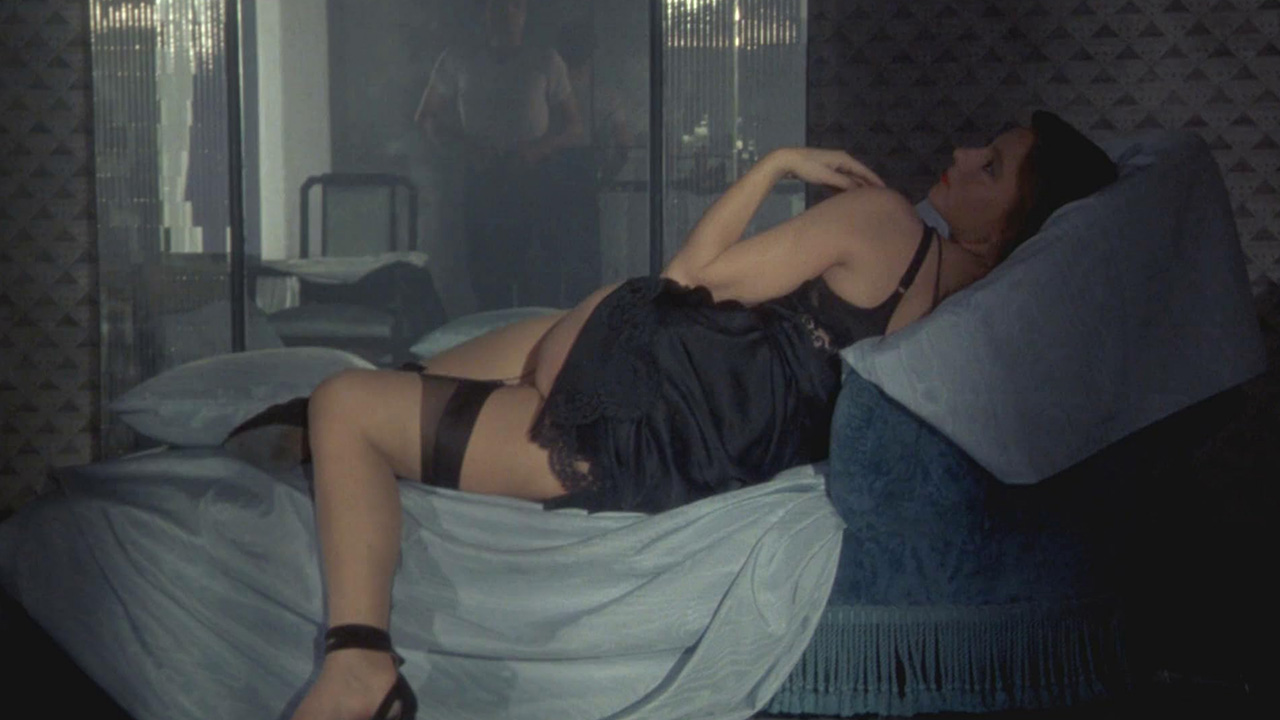
Brass is known for his use of mirrors, which he uses as set pieces and to block a scene. The mirrors amplify the voyeuristic boudoir-style experience, inviting us to gaze at the erotic female beauties in their most intimate moments when they are confronting their true selves or exploring aspects of their personalities that they might otherwise hide from the world.
Read more about how Brass uses mirrors and other symbols to show privacy, intimacy, and sex.
Below, you can see a list of my favorite eight Tinto Brass movies, along with explanations of why you should watch them:
1. Paprika (1991)

- Genre: Drama, Erotic
- Director: Tinto Brass
- Screenwriter: Tinto Brass, Bernardino Zapponi
- Starring: Debora Caprioglio, Stéphane Ferrara, Martine Brochard
About the film: Paprika tells the story of a young woman who becomes a prostitute to fulfill her dreams, discovering her identity and sexuality in the process. It’s a journey through desire, love, and self-discovery set against the backdrop of Italian brothels.
Why Watch: Paprika celebrates female sensuality and critiques societal norms, making it essential viewing for those interested in the intersection of eroticism, empowerment, and self-discovery. It’s loosely based on John Cleland’s novel Fanny Hill (1748).
You might like How Sex Scenes Are Filmed In Movies.
2. Salon Kitty (1976)

- Genre: Drama, War, Erotic
- Director: Tinto Brass
- Screenwriter: Tinto Brass, Ennio De Concini, Maria Pia Fusco
- Starring: Helmut Berger, Ingrid Thulin, Teresa Ann Savoy
About the film: Salon Kitty is a provocative film set in Nazi Germany, revolving around a brothel, Salon Kitty, used by the SS for espionage. It explores themes of power, sexual manipulation, and moral corruption within the Nazi ranks, revealing the dark underbelly of political control.
Why Watch: Salon Kitty is a bold movie set during Nazi Germany that mixes real historical events with erotic scenes. It shows how people in power used sex to control others.
The film’s look, including the detailed costumes, dramatic lighting, and elegant sets, helps tell that story. Characters are often shown in military uniforms or revealing clothing, and many scenes feel like staged performances. These choices make the film both stylish and unsettling.
The visuals highlight how power and sex were connected, showing how appearance and control were used to dominate others. It’s a compelling watch for its audacious critique of fascism and the exploration of moral ambiguity.
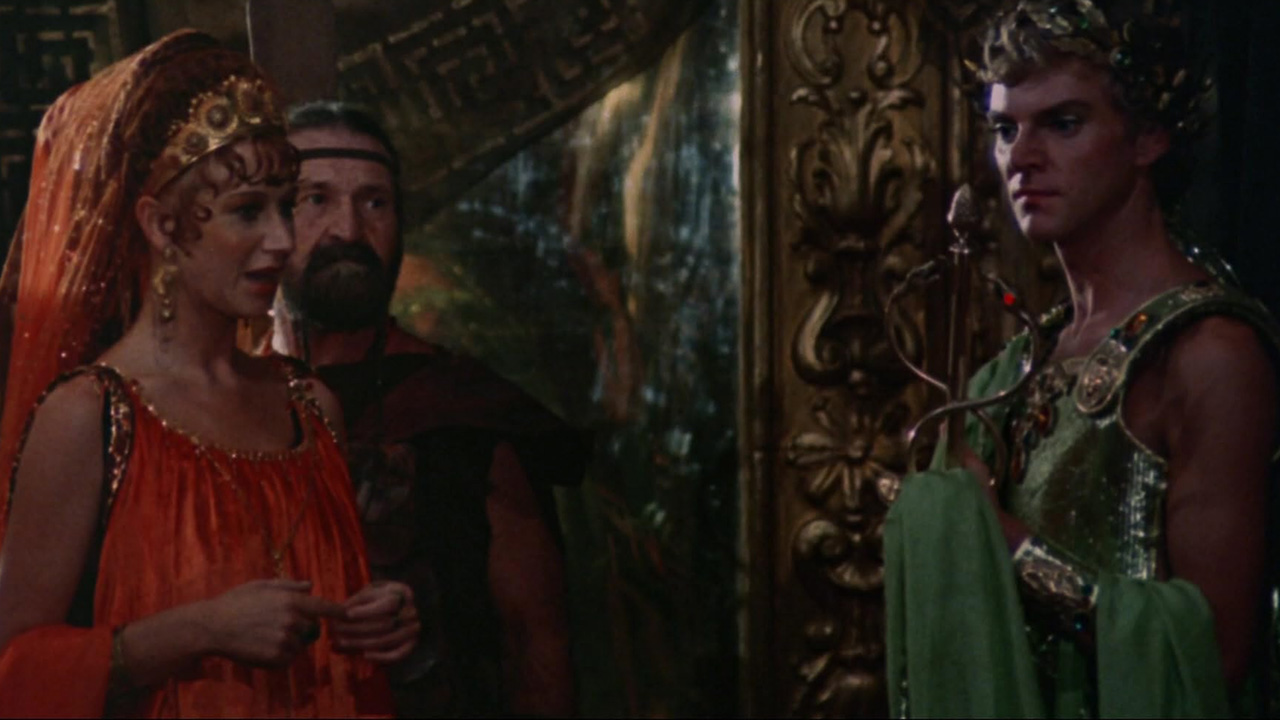
3. Caligula (1979)
- Genre: Historical Drama, Erotic
- Director: Tinto Brass, Bob Guccione, Giancarlo Lui (uncredited co-directors)
- Screenwriter: Gore Vidal (original screenplay), Tinto Brass, Malcolm McDowell (uncredited revisions)
- Starring: Malcolm McDowell, Peter O’Toole, Helen Mirren, John Gielgud
About the film: Caligula is a historical drama focusing on the rise and fall of Rome’s most infamous ruler, Caligula. The film explores his descent into madness and depravity, highlighting the corruption and decadence of the Roman Empire. It’s a controversial mix of history, myth, and explicit content.
You might also enjoy What is a Sexploitation Film?
Why Watch: Caligula is a landmark in cinematic audacity, blending historical epic with explicit content in an unprecedented manner. The film uniquely portrays the infamous Roman Emperor, combining elaborate sets and costumes with a controversial narrative.
Caligula is known for pushing the limits of what filmmakers can show on screen. It deals with taboo subjects like sex, violence, and corruption, and shows them without holding back. The movie also has a messy production history. The producers added graphic sex scenes after filming, without telling the director or actors. That caused a lot of conflict and changed the final film. For students, it’s a good example of how hard it can be to make a movie when people behind the scenes disagree. It also shows how bold visuals and extreme content can be used to grab attention, but also spark debate about what’s okay in film.
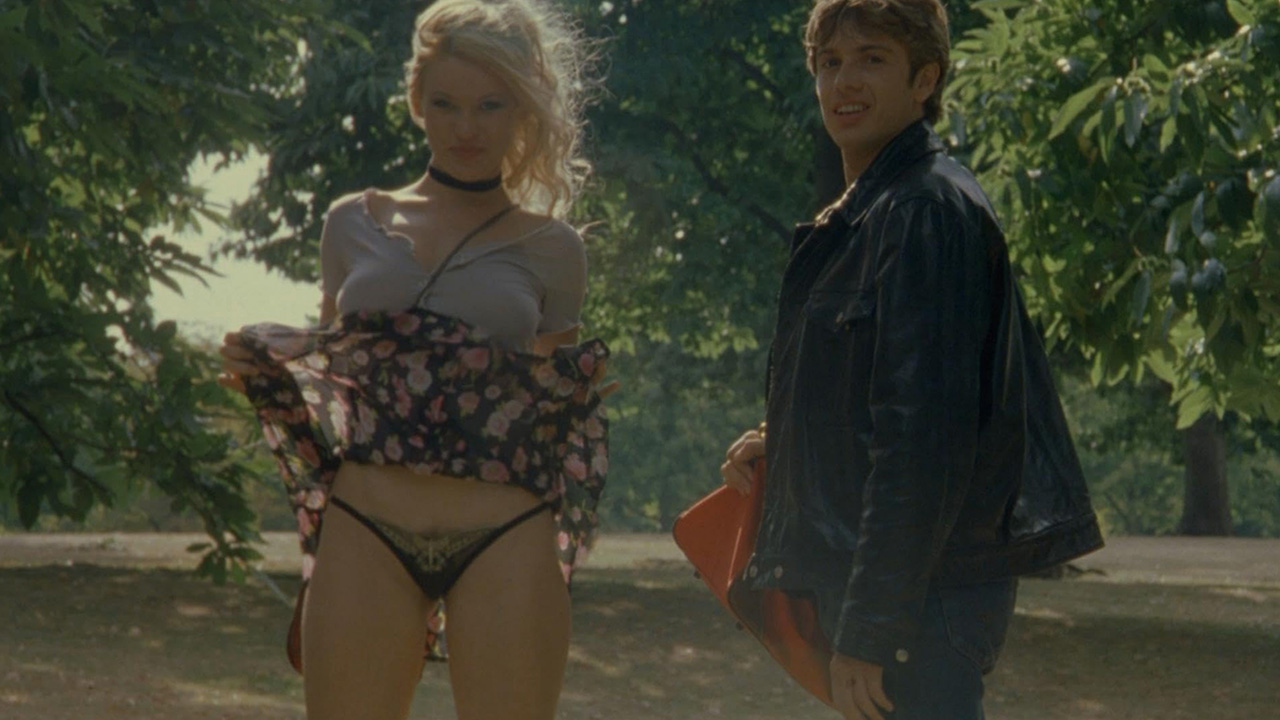
4. Cheeky! (Trasgredire) (2000)
- Genre: Comedy, Erotic
- Director: Tinto Brass
- Screenwriter: Tinto Brass, Carla Cipriani
- Starring: Yuliya Mayarchuk, Jarno Berardi, Francesca Nunzi
About the film: In Cheeky! we follow a young woman’s sexual adventures in London, emphasizing her free-spirited approach to relationships and life. The film explores themes of freedom, jealousy, and the exploration of sexual desires outside traditional boundaries.
Why Watch: Cheeky! is different from most erotic films because it’s fun and playful instead of dark or serious. It shows how people deal with love, sex, and trust in a lighthearted way. Director Tinto Brass uses comedy to explore sexual freedom without making it feel heavy or dramatic.
The movie stands out because of its bright colors, stylish camera work, and lively acting. It’s a good example of how erotic scenes can be part of a comedy without taking away from the story. For film students, it shows how mixing different genres (like sex and humor) can make a movie more interesting and creative.
5. The Key (La chiave) (1983)
- Genre: Drama, Erotic
- Director: Tinto Brass
- Screenwriter: Tinto Brass (adaptation), Jun’ichirō Tanizaki (novel)
- Starring: Stefania Sandrelli, Frank Finlay, Franco Branciaroli
About the film: Set in Venice during the 1940s, The Key tells the story of a husband who uses a diary to influence his wife into exploring her sexuality, aiming to rekindle their fading relationship. Themes include desire, voyeurism, and the complexities of marital intimacy.
Why Watch: The Key explores desire, jealousy, and the complex dynamics within a marriage. Brass’s adaptation of Tanizaki’s novel of the same name into the context of 1940s Fascist Italy adds an intriguing layer of historical and cultural tension.
This film is a must-watch for its stunning cinematography and its use of eroticism to explore deeper emotional and psychological themes.
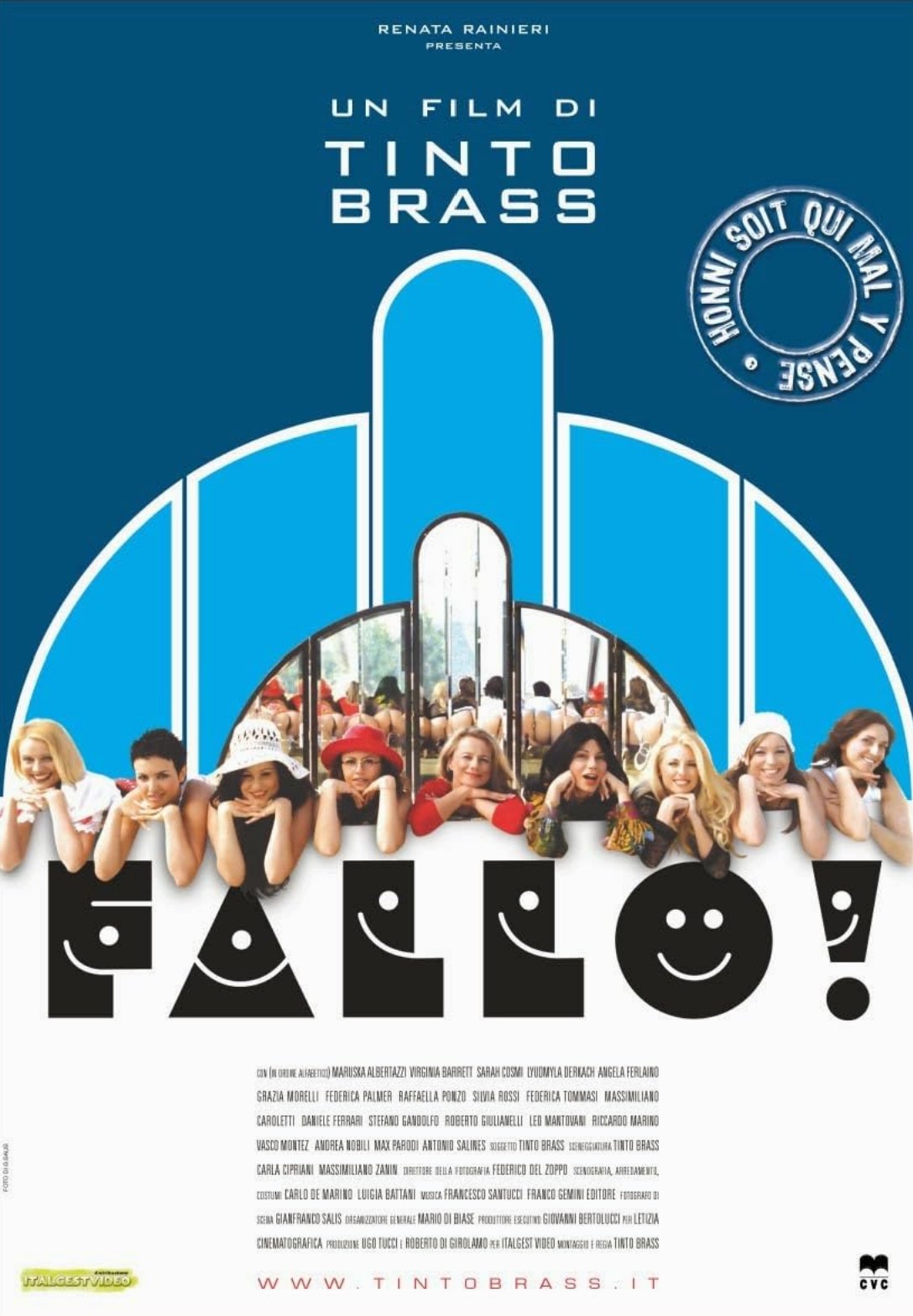
6. Fallo! (Do It!) (2003)
- Genre: Erotic, Drama
- Director: Tinto Brass
- Screenwriter: Tinto Brass
- Starring: Sara Cosmi, Massimiliano Caroletti, William De Vito
About the film: Fallo! is a collection of six stories that explore various aspects of sexuality and relationships, from infidelity to voyeurism. Each story explores the characters’ intimate desires, reflecting on the complexity and diversity of human sexuality.
Why Watch: Fallo! is a rich source of study for narrative structure and character development within erotic cinema. Brass’s direction ensures that the film remains both titillating and aesthetically pleasing, making it a must-watch for those interested in the dynamics of erotic storytelling and the exploration of sensual themes in film.
7. All Ladies Do It (Cosi fan tutte) (1992)

- Genre: Comedy, Erotic
- Director: Tinto Brass
- Screenwriter: Tinto Brass, Francesco Costa
- Starring: Claudia Koll, Paolo Lanza, Franco Branciaroli
About the film: All Ladies Do It focuses on Diana, who seeks extramarital affairs to spice up her life, believing it will also benefit her husband. It explores themes of fidelity, sexual freedom, and the boundaries of trust in relationships.
Why Watch: All Ladies Do It explores themes of fidelity, sexual liberation, and the societal expectations placed on women. Its humorous and provocative approach to these subjects, along with engaging performances, makes it a standout in Brass’s filmography.
The film challenges conventional morality and invites viewers to question their prejudices and desires. It’s a valuable watch for its bold narrative and its use of comedy to address complex issues.
8. The Voyeur (L’uomo che guarda) (1994)
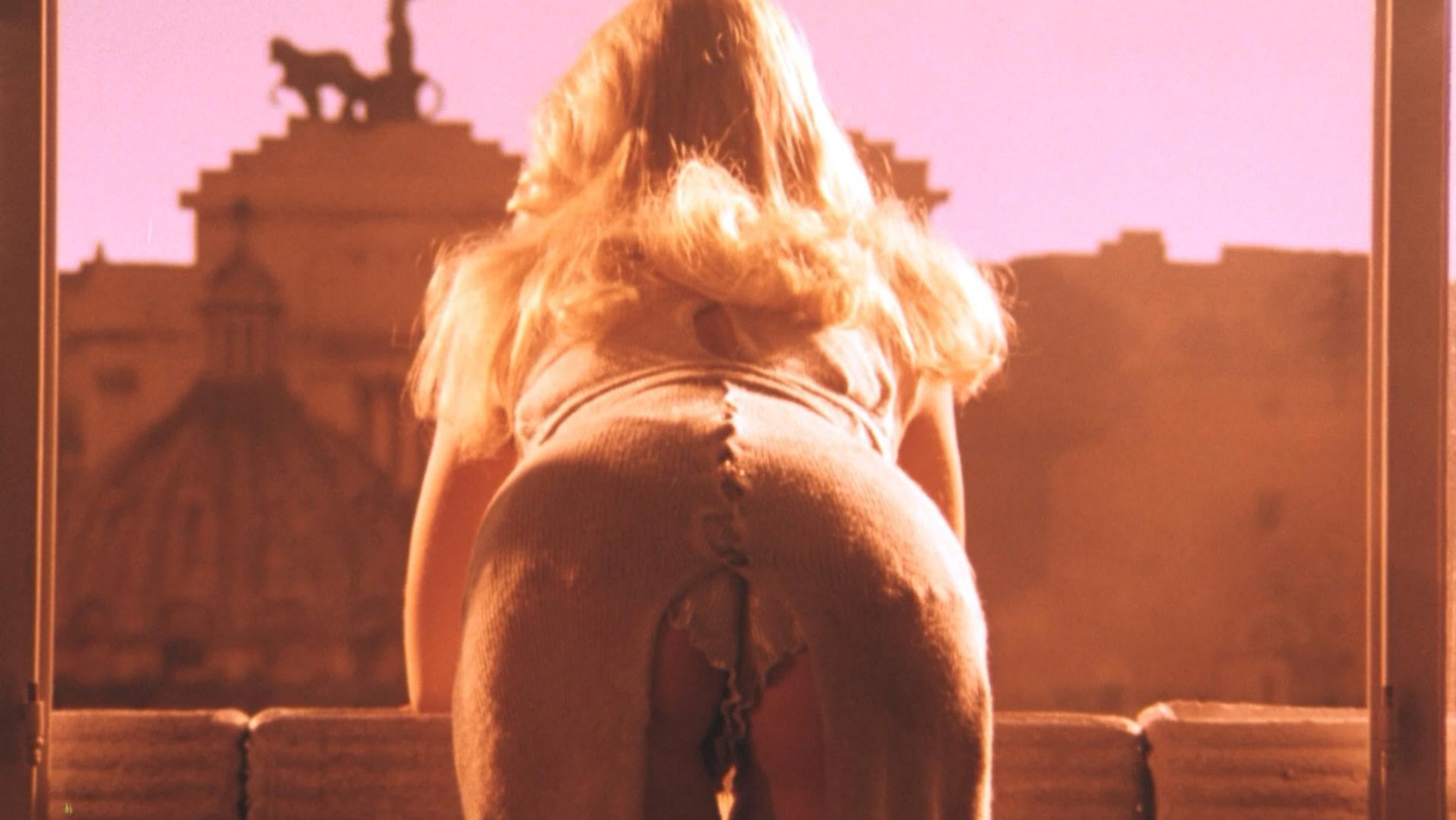
- Genre: Drama, Erotic
- Director: Tinto Brass
- Screenwriter: Tinto Brass, Alberto Moravia (novel)
- Starring: Katarina Vasilissa, Francesco Casale, Cristina Garavaglia
About the film: The Voyeur centers on a university lecturer obsessed with spying on the sexual exploits of others, including his father’s young fiancée. It’s a deep dive into voyeurism, unrequited love, and the search for sexual fulfillment.
Why Watch: The Voyeur is based on a novel by Alberto Moravia. It tells the story of a man who becomes obsessed with watching others instead of connecting with them. The film dives into themes like jealousy, loneliness, and desire.
Brass uses camera angles and framing to show what it feels like to spy on someone. It’s a great example of how visual style can reflect a character’s inner world. The movie shows how erotic stories can also explore deep emotions.
Summing Up
These films highlight Tinto Brass’s eclectic and provocative style, ranging from explicit eroticism to more nuanced, dramatic storytelling.
His work remains a significant, though sometimes controversial, part of Italian cinema and the exploration of sexuality in film.
Read Next: The Best Seduction Movies of All Time.