
Published: December 8, 2025 | Last Updated: January 19, 2026

What is Product placement in film? Definition & Meaning
Product placement is when a real brand, product, or company appears in a film as part of the set, props, action, or dialogue in exchange for money, support, or promotional benefits. It is also a marketing method that helps studios fund production while giving brands exposure through appearances that feel like part of the story rather than a separate advertisement. You might notice this when a character uses a real phone, drinks a known soda, or drives a branded car.
Why Product Placement Matters in Film
Product placement helps cover production costs and gives brands exposure to large audiences. When done well, it adds realism to scenes. When done poorly, it can distract viewers or make the scene feel fake or staged. Most major studios use it as part of their business model to reduce costs or secure partnerships.
- Budget Relief: Brands may pay for their product to appear on screen or loan items like cars, phones, or set decorations for use in scenes.
- Cross-Promotion: Some companies promote the film in their ads, giving both the film and the brand more reach.
- Material Support: Clothing, props, or vehicles can be provided to save on production expenses.
Types of Product Placement
Product placement takes several forms. Some placements appear in the background as part of the set. Others are named in dialogue or used by the characters in a way that affects what happens in the scene. Newer methods even add placements digitally after filming.
Visual Placement
Visual placement means the product is seen on screen but not mentioned. This is one of the most common forms of brand visibility.

Verbal Placement
Verbal placement happens when a brand is mentioned in dialogue. It brings direct attention to the product and often feels more deliberate.
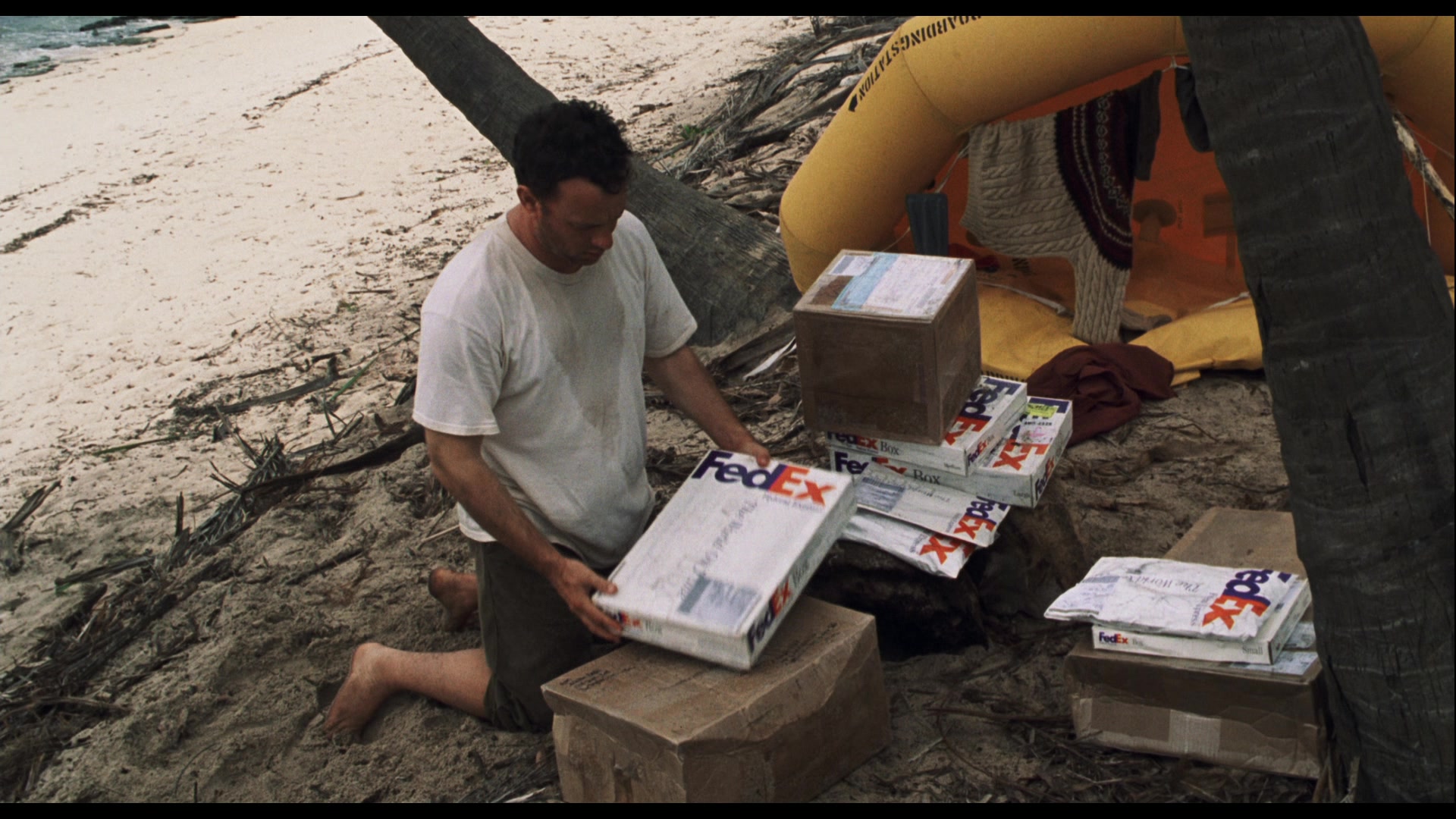
Story or Action Placement
In this form, the product becomes part of the plot. It’s used by the characters or plays a direct role in what’s happening.
Digital Placement
Digital placements are added after filming. These can be inserted or swapped based on region, platform, or updated partnerships.
Through digital or virtual product placement (VPP), some streaming‑platform versions of films or shows can include updated storefront signs, billboards, or brand logos, potentially tailored to different regions or releases.
How Product Placement Affects the Shoot
Once a brand deal is signed, it affects how scenes are filmed. Directors and crew may need to position the product in the foreground, frame the logo in focus, or adjust blocking to keep the brand visible.
- Shot Framing: Cinematographers adjust angles or lens choices to make sure the product is clearly shown.
- Blocking: Actors may be placed or move in ways that reveal the product naturally but visibly.
- Art Direction: Brand colors, product packaging, or retail displays might influence the lighting, set layout, or color palette used during filming.
Who Makes the Decision?
In studio films, the studio’s marketing or business team negotiates with the brand, approves final placements, and may require changes to camera angles or script lines. Directors might be consulted, but they rarely control the full agreement. In independent films, directors may choose unpaid products that feel realistic without sponsorship.
Contracts often define how long a product appears, how it’s shown, and what type of character uses it. Writers may need to include brand-friendly dialogue, actors may need to interact with the product, and shots may need to show the logo clearly.
When Product Placement Fits (and When It Doesn’t)
Product placement works best in grounded, real-world settings. It often appears in big studio films, especially action or family franchises. But it doesn’t work in every genre or story world.
Where Product Placement Works Best
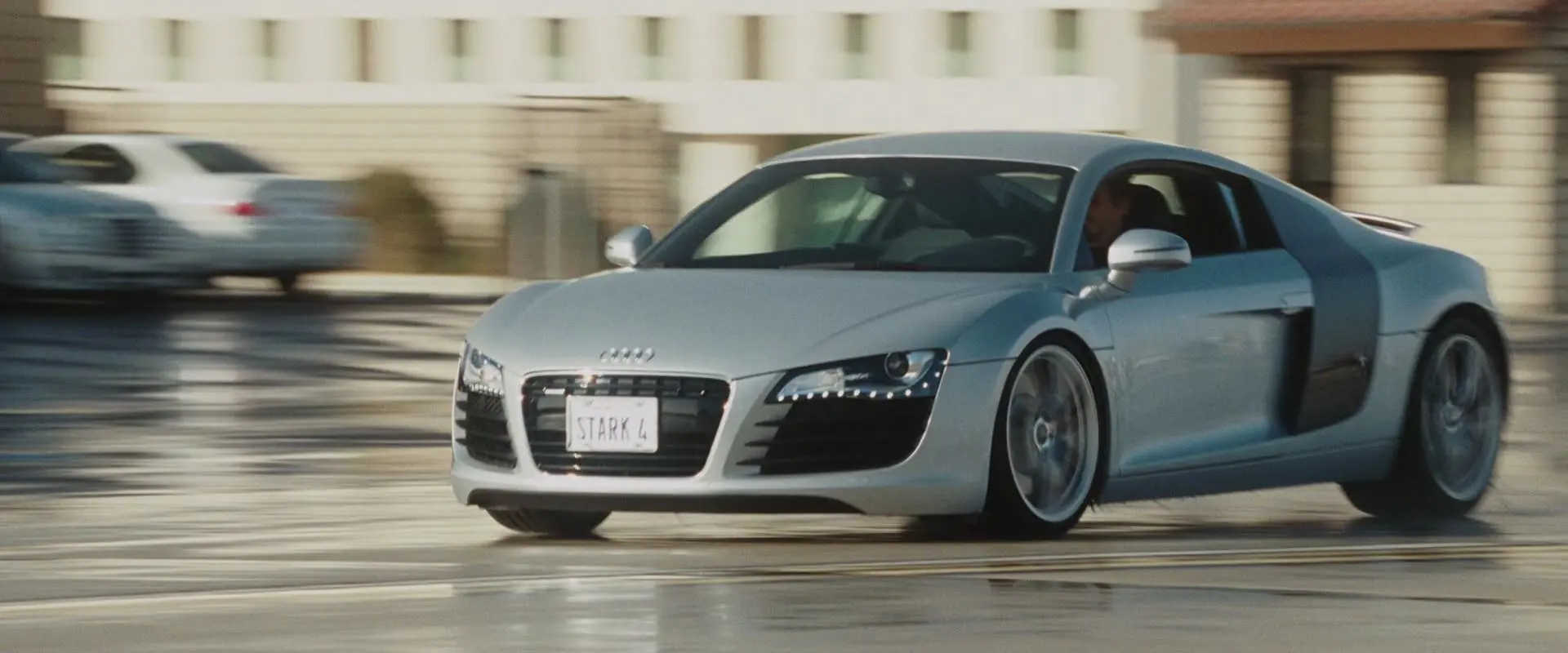
Brands often appear in action movies, comedies, or kids’ films. These genres allow for easy promotion through vehicles, clothing, fast food, or toys.
When Brands Don’t Belong On Screen
Some films avoid product placement because it breaks the world. This is common in sci-fi, fantasy, or period films. Directors may use fictional brands instead to control the film’s style and make sure nothing feels out of place in its fictional world.
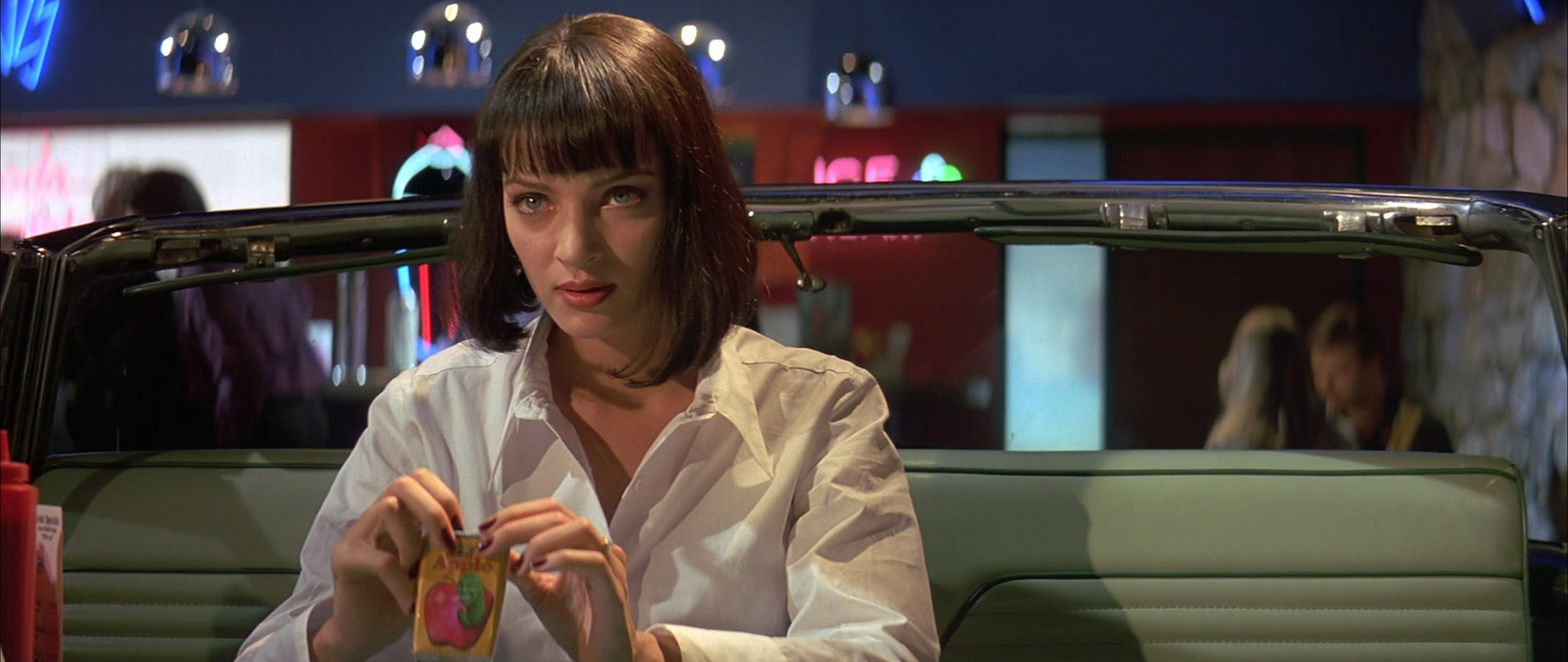
For example, Quentin Tarantino uses fake products like “Red Apple Cigarettes” to keep full control over tone and world-building.
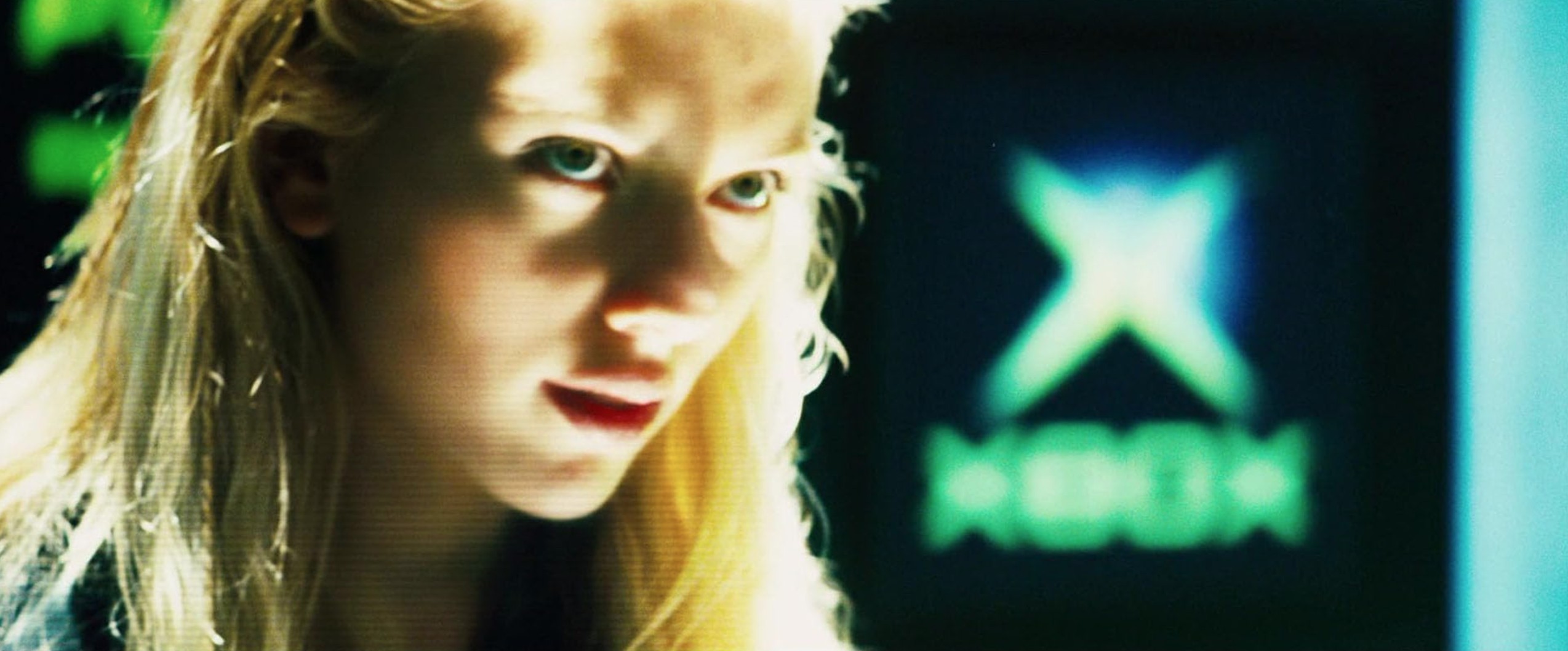
Other films rely on product placement too much. Take The Island (2005, DreamWorks), for example. That movie was criticized for overusing real products in ways that distracted from the plot and world. And I understand why:
Legal Rules and Brand Clearance
Using real brands without permission can lead to legal problems. If a recognizable brand is shown in a negative context without permission, the company may file a legal complaint or demand the scene be changed. Even if the brand isn’t paying for placement, you may still need clearance.
In many countries, streaming and TV content must disclose when brands are shown for marketing reasons. This helps protect viewers from hidden advertising, especially in content aimed at children.
Can You Show Brands in Kids’ Movies?
Brand placement in children’s films follows different rules depending on where you release your movie. Some countries ban it completely, while others allow it with restrictions.
In Europe: Paid product placement is banned in kids’ content. EU law (AVMSD) blocks any direct brand funding in shows or films made for children. However, unpaid brand support is sometimes allowed if it’s disclosed and not too prominent.
- Paid placements are banned in kids’ films
- Unpaid brand appearances must follow transparency rules
- Extra restrictions apply to food, toys, and health claims
In the United States: There’s no federal law banning placement in kids’ movies. But self-regulatory bodies like CARU offer guidelines. Studios are expected to avoid misleading children or promoting unhealthy products — but paid placement is still legal.
- No national ban on brand placement in children’s content
- Voluntary guidelines recommend ethical use
- Brands must not exploit children’s inexperience
Bottom line: Always check local laws. Product placement in kids’ films may be legal in the U.S., but restricted or banned in parts of Europe.
Famous Examples in Film
Some placements became iconic, helping brands boost sales or become part of film history. These examples show how strong the impact can be when the fit feels natural and supports the story.
E.T. the Extra-Terrestrial (1982, Universal): Reese’s Pieces became popular after the film used them as bait.
A high-profile example is Skyfall (2012, Sony), where James Bond is shown drinking a bottle of Heineken instead of his traditional martini. This moment was part of a major global deal between Heineken and the Bond franchise, reportedly worth over $45 million.
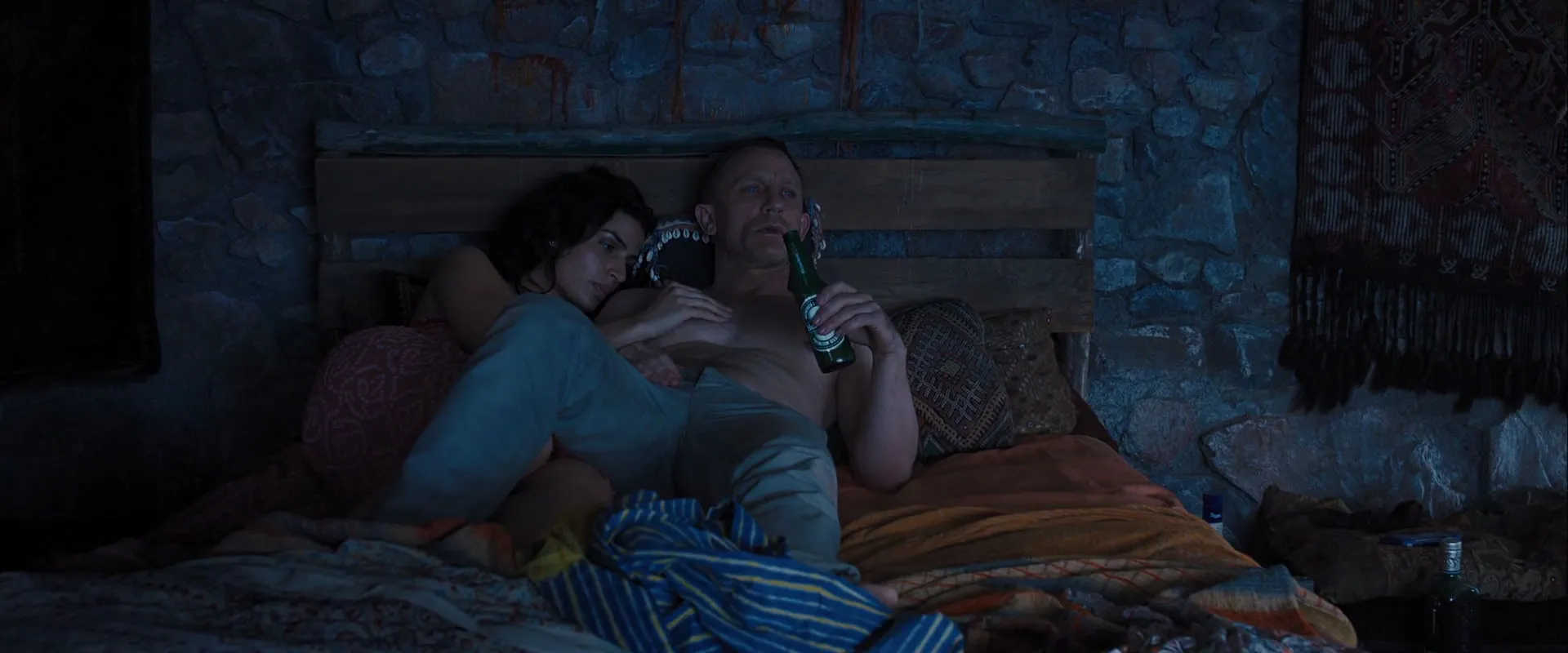
The partnership went beyond just product placement; it included full Heineken-funded ad campaigns starring Daniel Craig, custom TV spots, and short branded content tied directly to the film’s release.
Heineken continued this collaboration in later Bond films, blending marketing with character branding in ways that sparked debate among fans and critics.
Does Product Placement Work?
When brands match the setting and character use, product placement blends into the environment without calling attention to itself.
It adds realism to everyday scenes and helps cover production costs like vehicles, props, or wardrobe. But if the product is centered in the frame for too long or mentioned unnaturally, it can feel like an ad and take attention away from the characters or story.
If a brand fits the setting and characters, it blends into the scene. But if it’s shown without a good reason, it can feel awkward or distracting.
Summing Up
Product placement is when brands pay or support film production in exchange for appearing on screen. It affects budgets, blocking, framing, and story choices. When used carefully, product placement fits the scene and supports the story. But when it stands out too much, it feels out of place and pulls the viewer out of the film.
Read Next: Ready to plan or run your shoot day?
Visit the Project Planning sub-section for scheduling, crew coordination, and pre-shoot logistics — or explore the full Pre-Production category for more resources.
Or head to On-Set Workflow to learn how to keep your set running smoothly — and explore more in the Production section.