

Published: December 8, 2025

What is Development hell in movie production? Definition & Meaning
Development hell is when a film project stays stuck in the development phase for years, often due to rewrites, budget issues, legal rights, or creative disputes, without moving into actual production. The project stays active on paper but never reaches casting, filming, or production approval. Scripts keep getting rewritten, new directors get attached, and emails go back and forth, but the project never moves toward filming.
How Projects Get Stuck in Development
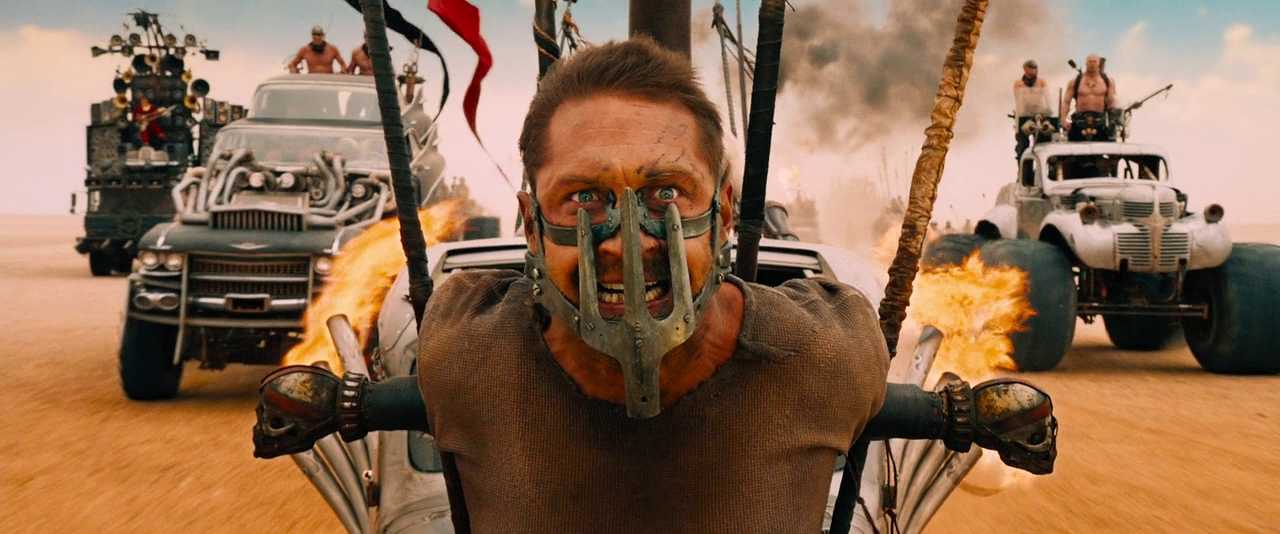
Developing a film involves balancing scripts, casting, rights, budgets, and studio input, all before shooting begins. Even with a script and team in place, a single missing piece (like casting or studio approval) can drag the process out for years. Here are the most common causes.
- Repeated rewrites: The script goes through constant changes (sometimes by different writers) because producers, directors, or the studio each want a different version. No version pleases everyone.
- Budget issues: The projected cost is too high for the expected return, especially if there’s no major star or proven IP attached.
- Creative conflicts: Directors, writers, producers, or executives disagree on tone, characters, or plot direction.
- Studio turnover: When executives are replaced, the new leadership may cancel or rework existing projects.
- Rights problems: The legal rights for a book, character, or IP might be unclear, disputed, or about to expire.
- Star or director exits: Losing a major name can cause delays, rewrites, or collapse the project entirely.
- Franchise strategy shifts: IP-heavy films may be delayed if they clash with release schedules, spin-offs, or planned crossovers in shared universes.
- Too ambitious or “unfilmable” scripts: Some stories are considered too long, too dark, or too expensive to film without major changes.
Why Film Projects Often Get Stuck
Not every slow project is in trouble. Some films take years because of research, casting, or international production. That’s normal. Development hell is different; it means delays keep stacking, scripts stall, casting falls through, or the budget is never approved.
Feature films are especially vulnerable. Unlike TV or games, film doesn’t work in stages or updates. Everything must be locked in (budget, cast, rights, timing) before the cameras roll. If the lead actor drops out or the financing falls through, the project halts, even if everything else is ready.
Examples of Films in Development Hell
Several films spent years stalled in development. Some were eventually completed after major changes. Others were reworked beyond recognition or never filmed at all.
- Mad Max: Fury Road (2015, Warner Bros.) was stuck for nearly 15 years due to location issues, budget changes, and recasting. It finally moved forward with director George Miller still at the helm.
- The Man Who Killed Don Quixote (2018), directed by Terry Gilliam, took nearly two decades to complete. Production first collapsed in 2000 due to location damage and cast injuries. After many failed restarts and rewrites, the film was finally released in 2018, with Amazon Studios handling U.S. distribution.
- The Emperor’s New Groove (2000, Disney) began as a serious Incan epic titled Kingdom of the Sun. After years of development troubles and creative clashes, the story was reworked into a comedic buddy film with a new tone and structure.
- At the Mountains of Madness (a planned adaptation by Guillermo del Toro of H.P. Lovecraft’s 1936 novella At the Mountains of Madness, a foundational work of cosmic horror) remained unmade after Universal declined to fund it without a PG-13 rating. Though development advanced, the project never reached production.
How Some Films Escape Development Hell
Some stalled projects are revived through major changes. A new studio might buy the rights. A director might rewrite the script with a smaller budget. A shift in market interest might make a risky idea more appealing.
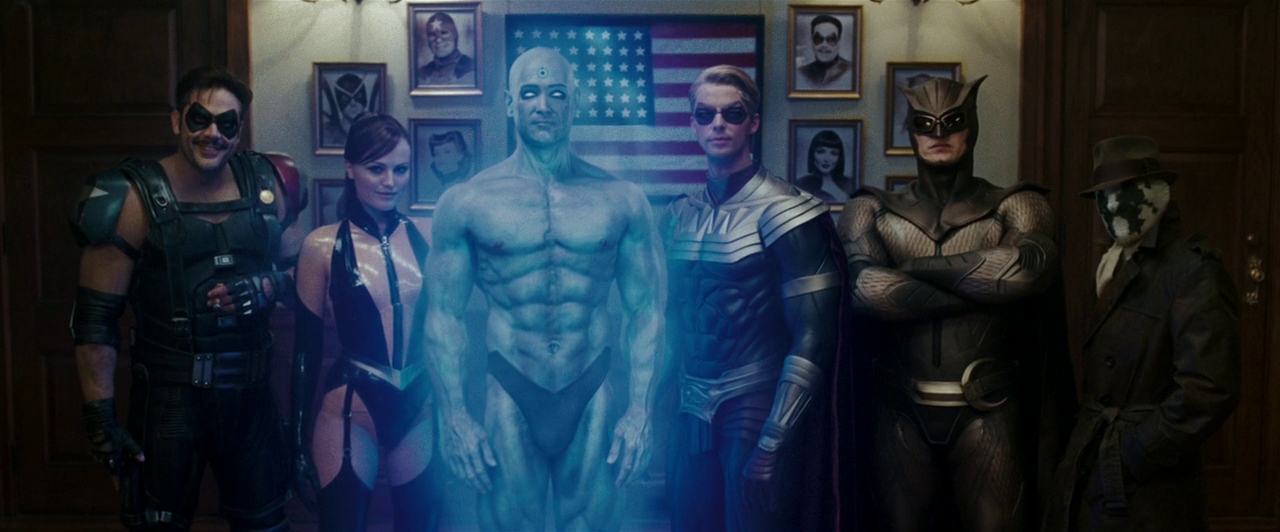
Turnaround deals are one common path. That’s when a studio gives up the rights, allowing another to step in. This happened with Watchmen, which was eventually picked up by Warner Bros. after years in limbo at other studios.
Why Development Hell Matters
Long delays block people from working. Writers lose years on scripts that never get filmed. Directors miss out on other projects. This stalls momentum and hurts future opportunities.
For large franchises, development hell can block multiple films in a planned series. That affects marketing, casting, and momentum across the board.
Development Hell vs. Production Hell
Development hell happens before filming starts. It’s about planning problems, scripts, financing, casting, or approvals.
Production hell happens after filming begins. Reshoots, creative disagreements, or technical issues delay the film’s completion.
Summing Up
Development hell means a film stays stuck in planning and never moves into production. The main causes include rewrites, budget problems, legal rights, studio changes, and creative disputes. Some projects escape with new leadership or a new direction. Others disappear completely.
Read Next: Want to keep your production on schedule and under control?
Browse all project planning articles — from production calendars and call sheets to budgeting, scheduling, and prep workflows.
Or return to the Pre-Production section for casting, crew, location scouting, and more.
