

Published: September 26, 2025 | Last Updated: October 3, 2025

What is A novella? Definition & Meaning
A novella is a short work of fiction that is longer than a short story but shorter than a novel, typically ranging from 15,000 to 40,000 words. It focuses on a single plot, usually with limited subplots or characters, and often delivers a clear, tight narrative structure.
Typical of novellas is that they give you more time than a short story to explore character and theme, but they stay focused and direct. You’re not expected to build a whole world. Instead, the form is often used for sharp character studies or stories that hinge on one major event or conflict.
How Long Is a Novella?
A novella usually falls between 15,000 and 40,000 words. I’ve seen some examples of the upper limit set closer to 50,000, but once the story passes that point, it’s usually considered a short novel. The minimum word count is what separates it from a short story, which usually stays under 7,500 to 10,000 words.
To give perspective:
- Short story: under 10,000 words
- Novella: 15,000–40,000 words
- Novel: over 50,000 words
The novella’s length makes it readable in a single sitting, while still allowing for more development than a short story can support.
What Makes a Novella Different?
The difference is about scope. A novel often has several subplots and a wide cast of characters. A short story delivers one moment or idea. A novella does something in between. It usually:
- Follows one character or a small group
- Centers on a single conflict
- Develops one theme or question in depth
Because of its limited scope, a novella can focus more tightly on tone, character, or structure without getting lost in backstory or worldbuilding.
Famous Novella Examples and Film Adaptations

Some of the most well-known works in fiction are novellas. Each one focuses on a single conflict or idea, often adapted into a film because of its clear structure and length.
- Of Mice and Men (1937) by John Steinbeck – A tragic look at friendship and survival during the Great Depression. Adapted into film multiple times, including the 1992 version directed by Gary Sinise.
- The Metamorphosis (1915) by Franz Kafka – A surreal story about a man who wakes up transformed into an insect. Adapted loosely in several films, often in experimental or animated form.
- The Strange Case of Dr. Jekyll and Mr. Hyde (1886) by Robert Louis Stevenson – A psychological horror story about dual identity. Adapted into dozens of films starting in the silent era.
- Animal Farm (1945) by George Orwell – A political allegory told through the structure of a fable. Adapted into animated and live-action films, including the 1999 version starring Patrick Stewart.
- Who Goes There? (1938) by John W. Campbell Jr. – A sci-fi story about a shapeshifting alien in Antarctica. Adapted as The Thing (1982) by John Carpenter.
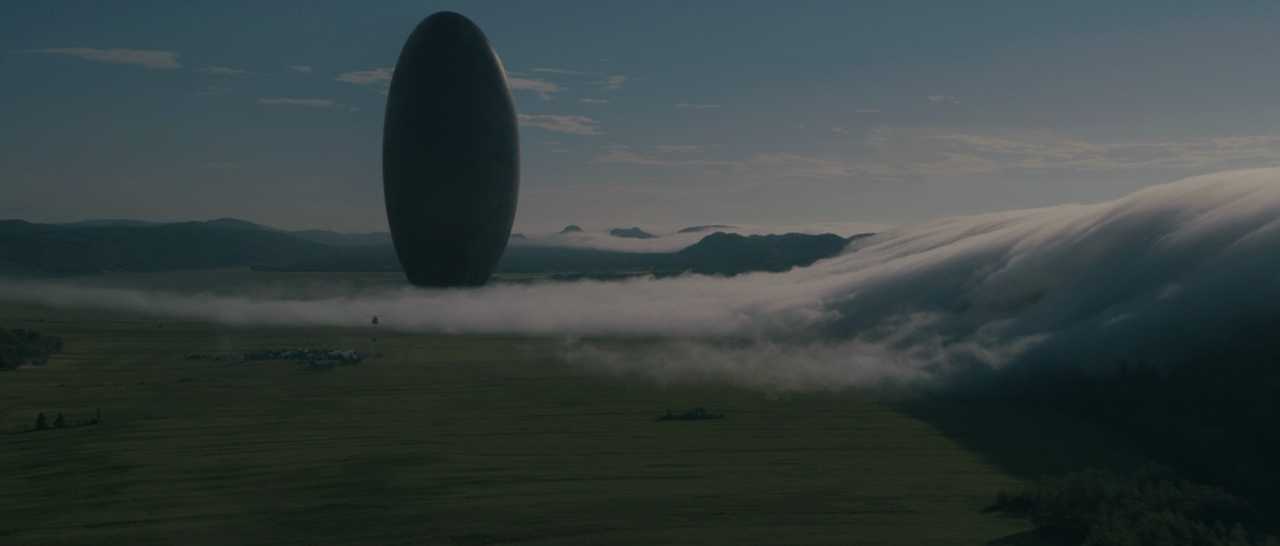
- Story of Your Life (1998) by Ted Chiang – A linguist learns an alien language that changes how she sees time. Adapted into Arrival (2016), directed by Denis Villeneuve.
Each of these novellas tackles a focused idea, with just enough room to build tension and meaning before reaching resolution.
Why Use the Novella Form?
Sometimes an idea is too complex for a short story but doesn’t need the scale of a full novel. That’s where the novella works best. It’s especially useful for:
- Adaptation: Many novellas have been turned into films, like Rita Hayworth and Shawshank Redemption by Stephen King, which became The Shawshank Redemption (1994).
- Genre stories: Horror, sci-fi, and crime stories often fit naturally into the novella form because they focus on one twist or central mystery.
- Character-driven fiction: A novella can dig deep into one person’s experience without needing a large plot.
For you as a writer, novellas offer room to explore without requiring a huge time investment. For readers, they offer a satisfying middle ground between short fiction and a novel-length commitment.
Summing Up
A novella is a focused, medium-length work of fiction between 15,000 and 40,000 words. It gives enough space to develop a single plot, character, or theme without stretching into a full novel. The form is ideal for sharp storytelling and has led to many classic works that still influence film and literature today.
Read Next: Curious how visual styles define film genres?
Explore our breakdown of Genre & Visual Style to see how movements like naturalism, noir, and surrealism shape what we watch.
Looking for the big picture? Visit our Film History, Theory & Genre page to connect techniques with the eras and ideas that shaped them.