

Published: December 8, 2025 | Last Updated: January 19, 2026

What is Film marketing? Definition & Meaning
Film marketing means planning how to promote a movie so people know about it, know who it’s for, and want to watch it in theaters or at home. Film marketing helps people understand what your movie is and who it is for. It also helps you give them a clear reason to watch it now instead of later.
What Film Marketing Includes
Marketing mixes creative assets with strategy. The goal is a clear promise about genre, tone, and scale.
- Audience research and positioning
- Title, logline, and tagline
- Key art, posters, and visual identity
- Teasers, trailers, and short social cuts
- Press, interviews, and review strategy
- Electronic Press Kits (EPKs), i.e., folders with stills, bios, trailers, and production notes sent to press or festivals
- Social media and community building
- Festival strategy and awards positioning
- Partnerships and brand deals, when they fit the film. For example, for product placement and branded content campaigns
- Merchandising for films that support it
- Release timing across theatrical, VOD, and streaming
The Film Marketing Timeline
Most campaigns move through a simple progression. Each step has a different goal and a different type of message.
Awareness
This stage tells people your film exists. You might release a logo, a first-look image, or a short teaser that sells the film’s mood.
A good example is Barbie (2023, Warner Bros.). Early visuals used a strong color identity and playful design to signal tone long before the full trailer.
Interest and consideration
This stage explains your core hook. Full trailers, character posters, and early press help people decide if the film matches their taste. This is the stage, we move on to the main trailer:
Intent and action
This stage pushes people to buy tickets or press play. TV spots, short trailer cutdowns, and review quotes often lead here. You also highlight release dates and premium format options if they matter for your film.
Here’s the YouTube spot for Barbie, where we move closer to buyer intent and talk about the premier date and use call-to-actions like “get your tickets.”
Prestige phase
For some films, festivals, and awards create the next wave of attention. A strong festival launch can give you reviews, audience quotes, and early credibility. Awards attention can renew interest months after release.
A good example is Whiplash (2014, Sony Pictures Classics). Early festival buzz helped frame the film as a must-see drama, and then that attention carried into a wider campaign. For example, here’s Park City TV’s spot with interviews of audience that saw the movie at Sundance, which helped create the buzz:
Second-life phase
When your film moves to digital platforms and streaming, the campaign can shift again. You may use new artwork, shorter preview edits, and simpler hooks for at-home viewing.
Some films also gain momentum through fan-driven trends that spread beyond traditional ads. A good example is Minions: The Rise of Gru (2022, Universal). The #Gentleminions trend created attention that expanded the film’s reach on social platforms.
Fan-driven marketing is what you want. It’s free, and it can reach niche audiences your best marketing teams never could (nor should; see more about this later in the “mistakes” section).
Paid, Owned, and Earned Media
You can plan your campaign with three media types. This helps you see where you need budget, where you need consistency, and where you need credibility.
- Paid media is what you buy, such as trailer placements, outdoor ads, digital ads, and sponsored posts.
- Owned media is what you control, such as your website, press kit, and official social accounts.
- Earned media is coverage you receive through reviews, interviews, festival buzz, and organic sharing.
Indie campaigns often lean on owned and earned media first. Studio campaigns can scale paid media fast, then amplify earned attention during opening week.
Core Marketing Tools
These are the main building blocks of most campaigns. Each tool has a job. Together, they create a consistent promise.
Trailers and teasers
A teaser sells mood and curiosity. A full trailer sells character goals, stakes, and genre identity. You decide what to reveal based on what your audience expects from your category.
A good example is the found-footage and analog horror film The Blair Witch Project (1999, Artisan Entertainment). The early campaign leaned into mystery and realism, which made the premise feel like an event people had to investigate.
Posters and key art
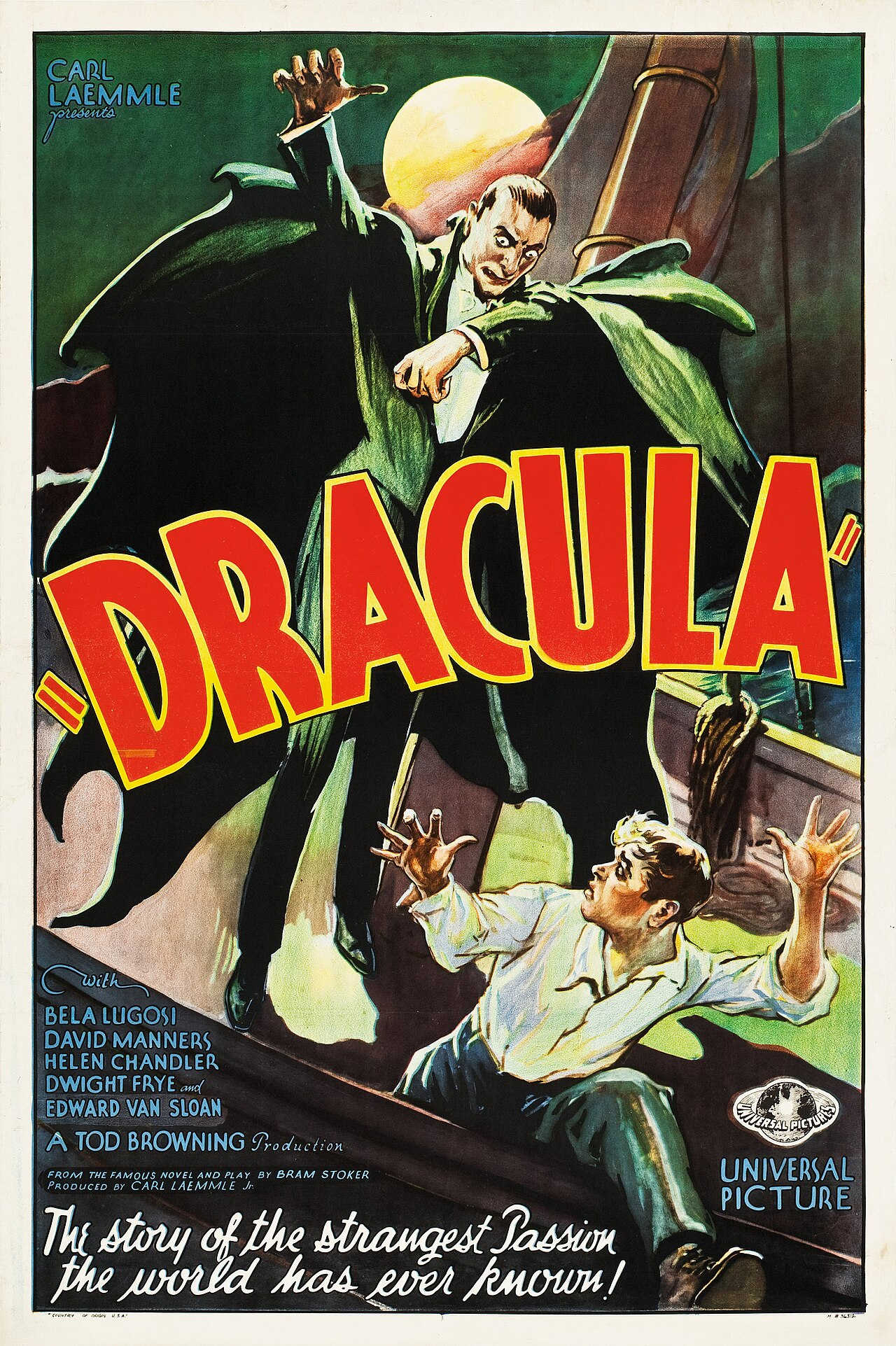
Posters should signal genre quickly. Color, composition, and typography push that message. A horror poster often leans on contrast and unease. A comedy poster often highlights faces and energy.
Press and publicity
Interviews, profiles, and reviews keep your film in public conversation. These also supply short quotes for posters and social posts.
Social media and influencer outreach
Social assets can extend your trailer with shorter, platform-specific clips. Influencer reactions also help when they match your genre and community.
Cross-promotion and brand deals
Brand partnerships can add reach outside movie spaces. They work best when the product fit feels natural to the film’s tone and world.
Merchandising
Merch can keep a film visible after release. This is most common for family films, animation, sci-fi, horror icons, and franchises with strong visual branding.
Marketing Variations by Platform and Region
Marketing can change across countries and cultures. Some films get new titles, new posters, or different trailer emphasis based on local tastes or star recognition.
Platform changes matter too. A theatrical poster can be detailed and wide. A streaming thumbnail often needs a simpler image that reads well at small sizes.
Testing and Measuring What Works
Marketing improves when you test clarity before release and track response after release.
Pre-release testing
Studios and larger distributors often test trailers, posters, and taglines with sample audiences. The goal is to check what people think the film is about after the first moments of a trailer. If they describe the wrong genre, the cut needs work.
Post-release measurement
After release, you can track signals that show whether your message and timing are working.
- Trailer view-through and completion rates
- Click-through rates on ads and posts
- Follower growth and comment quality
- Newsletter sign-ups and website traffic
- Pre-sales, watchlist adds, or opening-week numbers
If people watch your trailer but do not engage, your hook may be unclear. If engagement is strong but conversion is weak, your release plan or timing may need a rethink.
Marketing for Different Budget Levels
Campaign scale changes with resources, but the core idea stays the same. You still need clear positioning and consistent assets.
- Studio campaigns often rely on broad paid reach, global premieres, and large press tours.
- Indie campaigns often focus on festivals, critic reviews, niche communities, and targeted digital ads. Even crowdfunding can be part of the overall marketing campaign.
Common Film Marketing Mistakes
These problems show up at every budget level.
- Trying to reach everyone instead of a clear core audience
- Posters that do not signal genre fast
- Trailers that promise a tone the film does not deliver
- Waiting too late to build awareness
- Ignoring niche communities that already love your subgenre
Film Marketing vs. Distribution vs. Publicity
These functions support each other, but they describe different jobs.
- Film marketing is how you create awareness and demand.
- Distribution is how your film reaches theaters, festivals, broadcasters, or streaming platforms.
- Publicity is earned attention through interviews, reviews, and media coverage.
A strong release needs all three aligned. Good distribution without strong marketing can lead to weak turnout. Strong marketing without a smart release path can waste momentum.
Summing Up
Film marketing is how you connect your movie to the right people and give them a clear reason to watch. You define your audience, position your film against close comparisons, and build posters, trailers, and press plans that match one promise. You can scale the plan to your budget. Consistency across assets and timing gives your film the best shot at real attention and sustained viewing.
Read Next: Planning your release or festival run?
Visit our Distribution & Festival Tips section for guides on submissions, strategy, and timelines.
