

Published: August 26, 2025 | Last Updated: December 18, 2025

What is A set decorator? Definition & job description
A set decorator is responsible for selecting and arranging all the objects that fill a film set, making each space look real, lived-in, and true to the story. You work with the production designer and art director to build a world through furniture, lighting, fabrics, art, and everyday items. Your choices match the tone of the story and the needs of the scene. A set decorator remain active through production to dress and strike sets, but their job begins in prep

What You Do as a Set Decorator
Your work begins after the production designer sets the overall look. You take that plan and dress each space. You choose furniture, rugs, curtains, books, dishes, lamps, plants, art, and anything the characters would own.
In pre-production, you break down the script with the director, art director, props master, and production buyers. You attend location scouts and production meetings. You decide what to build, what to alter, and what to source. You ask clear questions about each character’s life so the rooms feel honest.
Set Decorator vs. Set Dresser
Set decorators and set dressers work in the same department, but their responsibilities are different. The set decorator is the department head. You decide what goes into each space, plan the budget, and make the creative choices. You work in prep to choose furniture, curtains, art, and objects that match the script and characters.
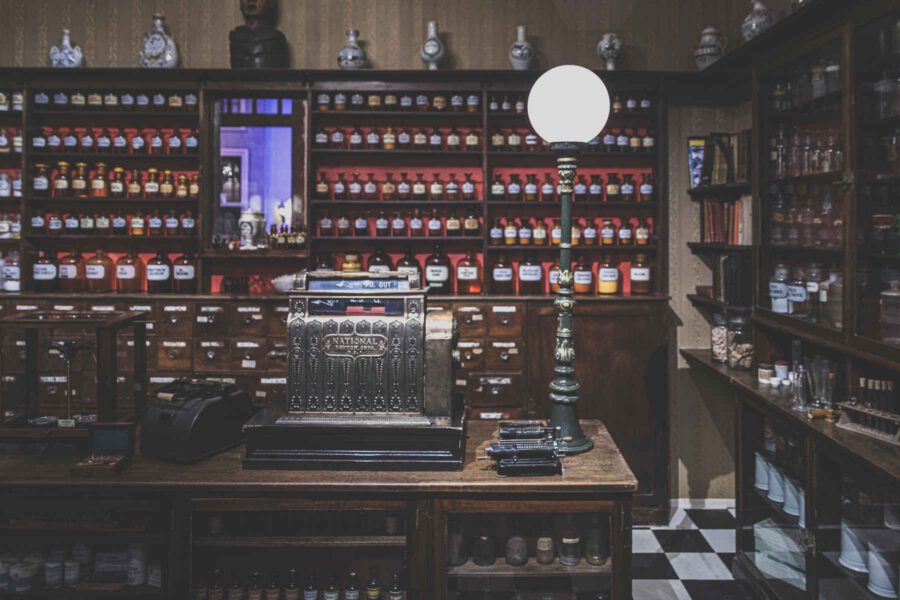
A set dresser carries out those plans. They move and place the furniture, hang the art, and adjust items on set. They also keep track of continuity so objects stay in the same place from shot to shot. If the decorator decides a living room needs a worn couch and a stack of magazines, the dresser is the one who brings them in and sets them up for the camera.
In short, the set decorator designs the look, and the set dresser installs and maintains it.
Set Decorator vs Prop Master Job Roles
The set decorator and the prop master cover different ground. The prop master handles objects that actors pick up. A set decorator handles the environment: walls, floors, windows, furniture, and decor. Both roles coordinate so the world feels whole.
Good set decoration makes a place appear lived in
Good set decoration adds layers that feel earned. A room should look like it formed over time. You show history with wear, patina, and small personal items. You show taste and subtext with the use of color psychology, material choices, and visual composition.

For example, in La La Land (2016, Lionsgate), the set decorator uses real Los Angeles locations to ground the story. Mia’s bedroom uses bright pinks and blues to show hope and drive.

In contrast, Sebastian’s apartment stays sparse and muted to show discipline and longing. These choices tell you who they are without dialogue.
Daily Responsibilities
The work changes from day to day, but most tasks fall into a clear pattern. You handle planning in prep and execution on set. Here are the key responsibilities that guide the role:
- Break down the script. List every set and define the needs for each scene.
- Scout locations and attend production meetings. Align the visual plan with story beats.
- Create budgets and schedules. Decide when to buy, rent, build, or alter items. Plan the labour needed to dress and strike sets.
- Hire and lead the team. Direct assistant set decorators, buyers, set dressers, and on-set dressers.
- Coordinate with the prop master, costume, and camera so color, scale, and placement work on lens.
- Dress and strike sets on schedule. Keep photos and inventories so continuity holds from take to take.
Skills You Need
You need a sharp eye and a clear sense of story. You read character backstories and translate them into objects, color, and texture. You track budgets and schedules and keep a cool head when time gets tight.
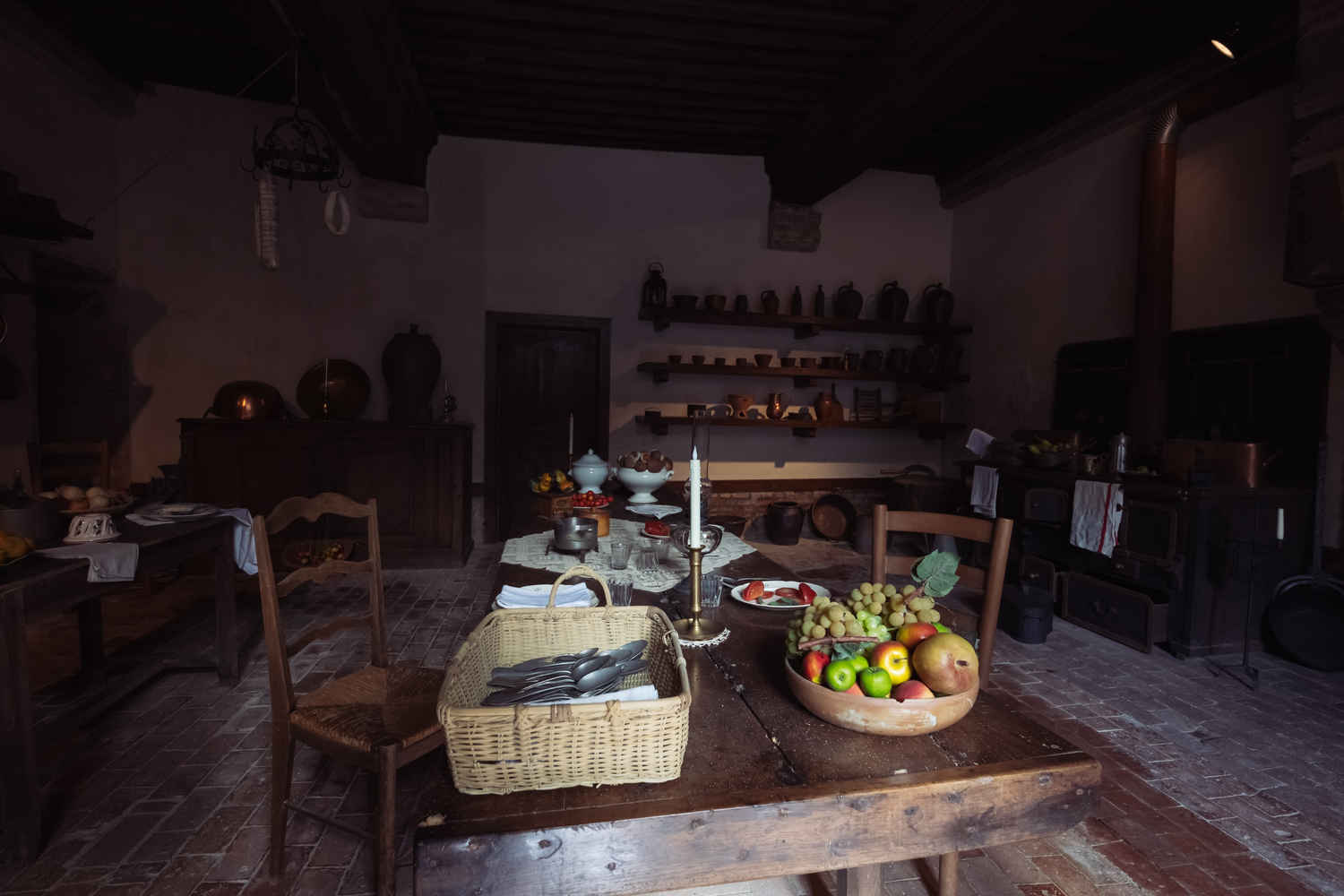
Research and observation are central. For a period film, you study interiors, products, and materials from the exact year. In a 1970s drama, a rotary phone and a lava lamp do more than decorate. They lock the scene to a time and place. Watching how people live today also helps. Some homes feel crowded with keepsakes. Others feel spare and neat. Those details inspire honest set choices.
Drawing and planning help. You sketch room plans to communicate scale and flow. People skills count too. You negotiate with vendors, brief your crew, and collaborate with the costume on color and with the camera on composition.
How to Become a Set Decorator
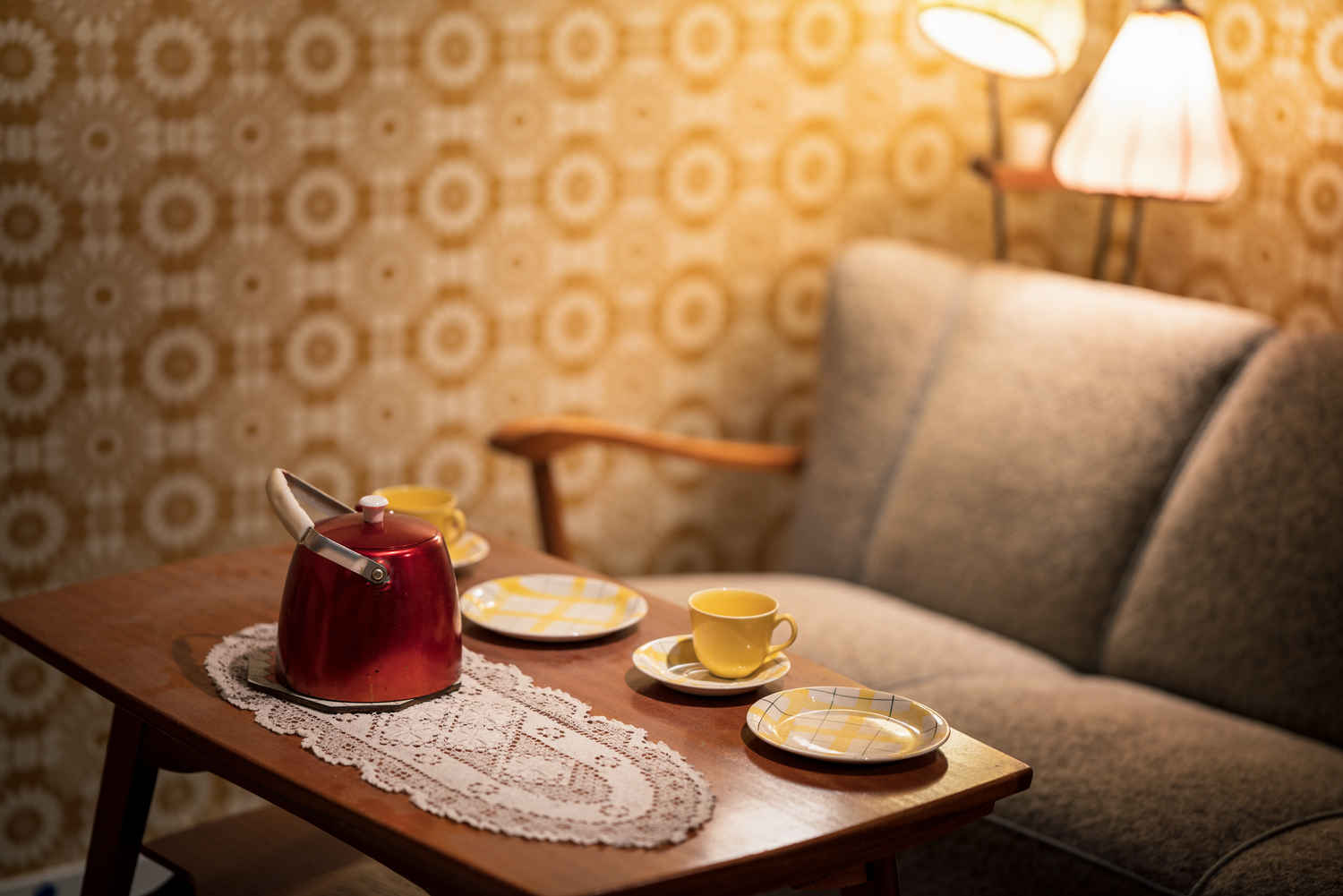
There’s no single path into set decoration, but most careers follow the same steps. You start by learning design basics, move into hands-on set work, and build a portfolio that proves your eye for detail. Here’s how to grow into the role:
1. Learn the Basics
Study art, theatre design, architecture, interior design, or fine arts. Take classes in visual composition, color psychology and theory, drafting, and film workflow. Build a small portfolio as you learn.
2. Get On-Set Experience
Start as a PA or set dresser in the art department. Work student films and shorts. Move up to assistant set decorator or buyer. Learn script breakdown, sourcing, scheduling, and continuity on real sets.
3. Build a Portfolio
Photograph every set you touch. Organize work by genre, period, and mood. Host a simple site. Keep captions clear about your role and the problems you solved.
4. Network and Join Industry Groups
Reach out to working set decorators and production designers. Ask for day calls and permit days. Join your local union when eligible. Follow industry events and keep your materials current.
Summing Up
A set decorator brings film environments to life through specific, researched choices that support story, character, and tone. You plan, budget, hire, source, dress, and protect continuity. You work across departments, so every frame reads clean and honest. If you build your eye and your experience, you can grow from dresser to department head with a portfolio that proves it.
Read Next: Want to keep your production on schedule and under control?
Browse all project planning articles — from production calendars and call sheets to budgeting, scheduling, and prep workflows.
Or return to the Pre-Production section for casting, crew, location scouting, and more.
