

Published: August 1, 2025

What is dramedy? Definition & Meaning
A dramedy is a movie that blends elements of both drama and comedy, using humor to explore serious themes or character-driven stories without fully belonging to either genre. Dramedy is a portmanteau of “drama” and “comedy.” It describes films that balance light and serious tones.
What Makes a Movie a Dramedy
Dramedies tell stories that feel real. The characters face everyday problems (fx, family tension, loss, love, or personal failure), but the movie also makes space for humor, to create relief, irony, or emotional complexity.
The comedy doesn’t cancel out the emotion. Instead, it helps us connect with the people on screen. Neither is the comedy broad or slapstick. Instead, it supports the story by revealing vulnerability or personality, often through dialogue or awkward situations.
Dramadies can make you laugh and feel sad in the same scene. They don’t rely on plot twists or big action. What matters most is how characters react, change, and struggle with who they are. The emotions feel real, and the comedy helps balance the mood and bring people closer.
Common Traits of Dramedy
Here, I’ve summarized common traits of dramedy films:
- Flawed characters – The leads often deal with breakups, loss, money issues, or mental health.
- Personal stakes – These stories focus on small moments with big emotional weight.
- Realistic dialogue – The characters talk like real people, often mixing awkwardness and honesty.
- Tonal shifts – A funny scene might turn serious fast, or the opposite. Read more on tone in film.
Origins and Rise of the Dramedy

The term “dramedy” became more common in television during the 1980s. Shows like M*A*S*H and Moonlighting showed that a series could shift between tones and still work.
In film, the mix of humor and emotion was already present in older works by directors like Billy Wilder and Hal Ashby. A good early example is The Apartment (1960, United Artists), which follows a lonely office worker caught in a messy romance and corporate politics. The tone shifts between heartbreak and irony, but always stays grounded.
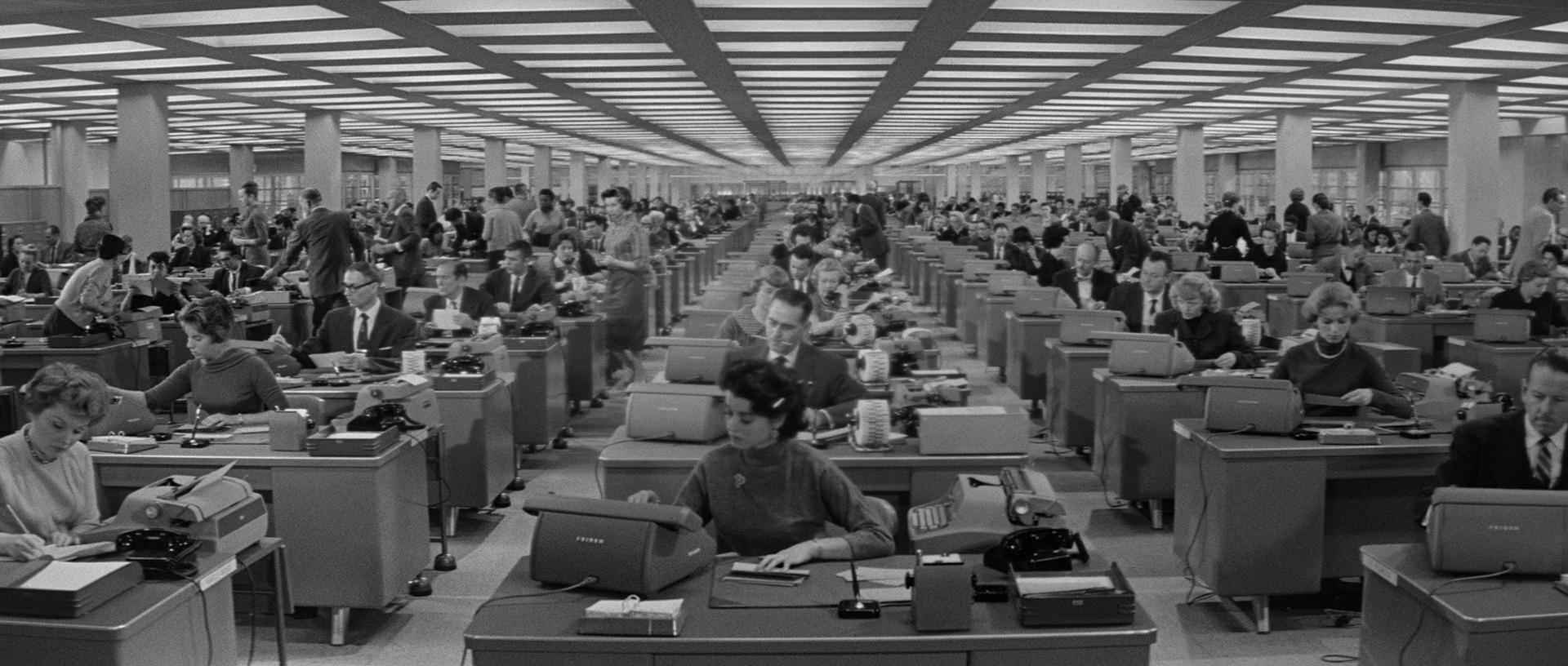
Hal Ashby’s Harold and Maude (1971, Paramount) tells the story of a young man obsessed with death who falls for an older woman, blending dark humor with a message about life and love. These films used humor to reveal character and emotion long before “dramedy” became a popular term.
But the clear label of “dramedy” grew as filmmakers began rejecting clean genre boundaries.
Famous (More Recent) Dramedy Films
Many modern dramedies come from independent studios and focus on families, friendships, or personal crises.

A good example is Little Miss Sunshine (2006, Fox Searchlight), where a dysfunctional family takes a road trip to a children’s beauty pageant. Along the way, they deal with depression, failure, and disappointment, but also laugh, fight, and support each other.

Juno (2007, Fox Searchlight) follows a pregnant teenager trying to figure out what kind of future she wants.

Lars and the Real Girl (2007, MGM) tells the story of a quiet man who forms a relationship with a life-size doll, and the town that slowly supports him through it.

The Farewell (2019, A24) mixes American and Chinese culture as a woman returns to China to say goodbye to her grandmother, without the grandmother knowing she’s sick.
Dramedy on TV

Some of the best dramedies are also on television. Fleabag (2016–2019, BBC/Amazon) tells the story of a woman dealing with guilt, family, and connection while breaking the fourth wall.
Atlanta (2016–2022, FX) mixes surreal moments with commentary on race, money, and ambition.
Orange is the New Black (2013–2019, Netflix) takes place in a women’s prison, showing the pain and humor of life inside.
The Marvelous Mrs. Maisel (2017–2023, Amazon) follows a 1950s housewife who becomes a stand-up comic, balancing comedy with the costs of change.
Why Dramedy Works
Dramedies help us understand how people handle hard things. The humor doesn’t get in the way of the pain, but instead shows how people survive it. By blending funny and serious moments, dramedies make stories feel more honest.
The characters don’t always win, but we see their full lives. That’s what makes the genre stick with us. It’s not just about laughing or crying. It’s about feeling both at once.
Summing Up
Dramedy movies blend the emotional weight of drama with the honesty and relief of comedy. They tell grounded stories about real people and don’t follow the rules of a single genre. If you want movies that feel true, with humor and heart, dramedies are a great place to start.
Read Next: Curious how visual styles define film genres?
Explore our breakdown of Genre & Visual Style to see how movements like naturalism, noir, and surrealism shape what we watch.
Looking for the big picture? Visit our Film History, Theory & Genre page to connect techniques with the eras and ideas that shaped them.
