

Published: June 14, 2019 | Last Updated: October 9, 2025

What is Realism in film? Definition & Meaning
Realism in film is a cinematic approach that aims to reflect everyday life through ordinary characters, real locations, and naturalistic performances. Emerging in the early 20th century and formalized in the 1940s through movements like Italian Neorealism, it rejects stylization in favor of authenticity and social truth.
Where Realism in Film Began
Realism has been part of cinema since its earliest days. The Lumière brothers filmed daily life in public places, showing workers, families, and crowds without scripts or actors. Their 1895 short Workers Leaving the Factory is often seen as the starting point for documentary-style filmmaking.
In the 1940s, realism became a formal movement with Italian Neorealism. Directors like Vittorio De Sica and Roberto Rossellini shot in real neighborhoods, used non-professional actors, and focused on working-class life. These films showed hardship and survival without relying on plot twists or fantasy.

A good example is Bicycle Thieves (1948, Ente Nazionale Industrie Cinematografiche), which follows a father and son looking for a stolen bicycle in postwar Rome. The actors were not professionals, and the streets were not dressed sets. The film shows a quiet struggle, using ordinary life as its focus. It’s also an excellent study of the use of frame within frame shots in visual composition.
Key Techniques in Realist Filmmaking
- On-location shooting instead of studio sets
- Natural light and minimal visual effects
- Non-professional or restrained acting
- Loose, open-ended stories
- Handheld cameras and longer takes
- Dialogue that mimics real speech
Realist directors avoid flashy visuals. They build scenes around real-world behavior, letting emotion grow through observation instead of plot devices. What happens on screen feels like it could happen in real life.
Realism Across Movements
After its early foundations, realism evolved into several distinct movements worldwide. Each focused on different social conditions, cultural values, or cinematic methods, but all shared a commitment to portraying life as it is. These movements used realism to address poverty, power, and everyday experience in their own time and place.
British Social Realism

In Britain, realism took shape through social criticism. Directors like Ken Loach focused on poverty, labor, and state bureaucracy.
A good example is the film I, Daniel Blake (2016, BBC Films), which shows a man’s struggle to access welfare after suffering a heart attack. The dialogue and locations stay close to real life, with no stylized music or dramatic angles.
Indian Parallel Cinema
In India, the Parallel Cinema movement used similar methods. The Parallel Cinema movement in India began in the 1950s as an alternative to mainstream Bollywood. It focused on realistic storytelling, often dealing with rural life, poverty, and social injustice, using non-professional actors and minimal stylization.
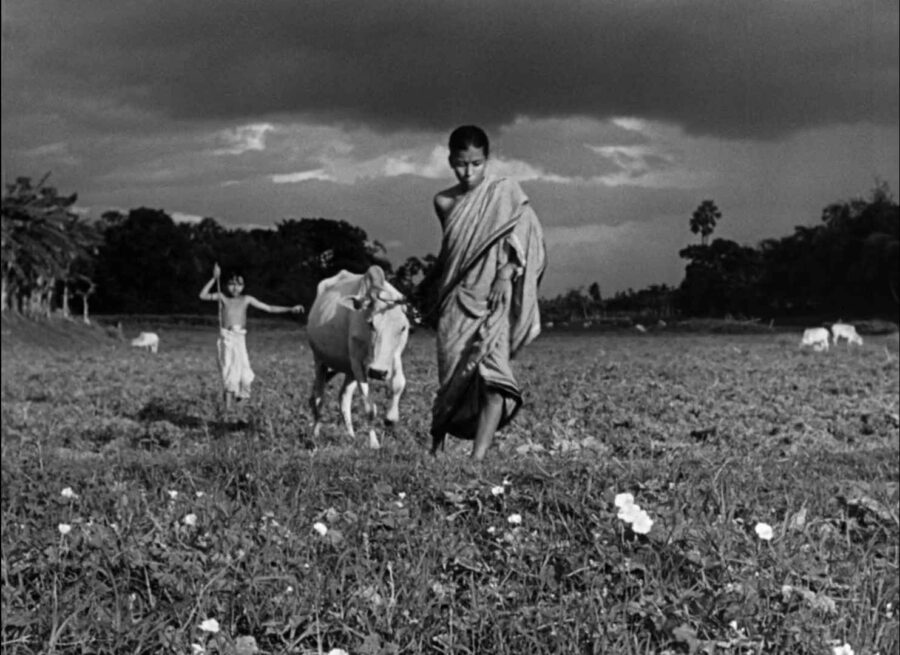
Filmmakers like Satyajit Ray focused on village life, family relationships, and political unrest. Pather Panchali (1955, Government of West Bengal) uses non-professional actors and long takes to tell a simple story of rural hardship.
French New Wave

Some French New Wave films also used realism. A good example of realism is The 400 Blows (1959, Les Films du Carrosse), where director François Truffaut follows a boy moving through Paris with no fixed goal or resolution.
The film uses real locations, avoids traditional story arcs, and builds emotion through behavior rather than dialogue. Its long takes and unsentimental tone make the story feel more observed than scripted.
Contemporary Independent Film
Modern indie films still apply realist principles by using natural locations, non-professional actors, and loose story structures focused on everyday life.
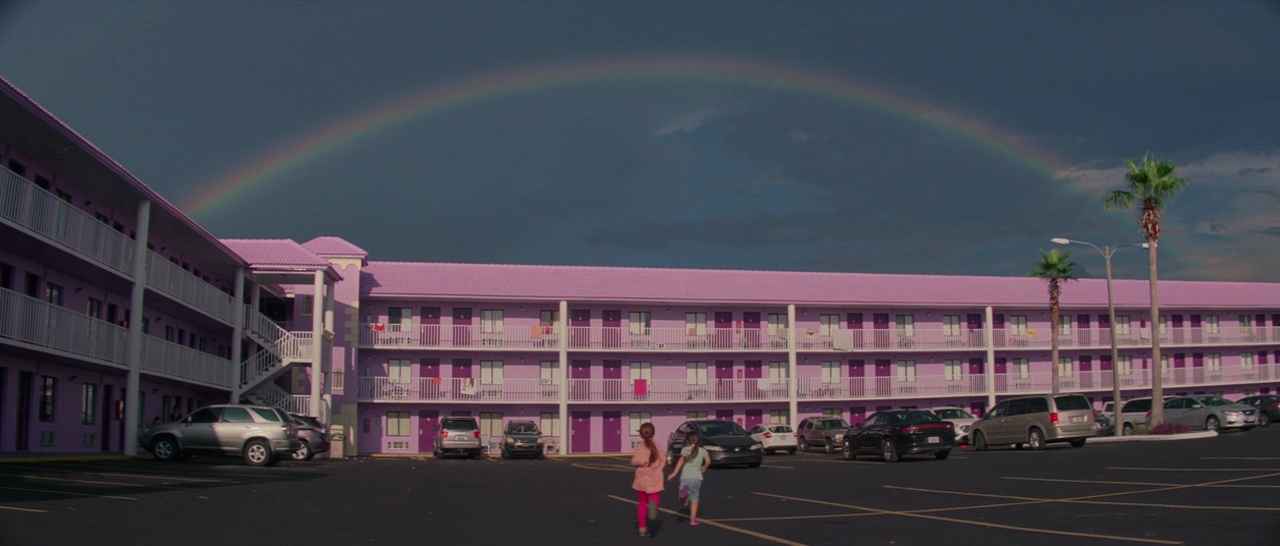
One strong example is The Florida Project (2017, A24), directed by Sean Baker. The film follows children living in a budget motel near Disney World. It uses long takes and handheld camera movement to create a sense of spontaneity. Although the story is scripted, the scenes feel casual and unplanned. The film stays close to the children’s perspective and emphasizes the textures of their daily environment.

Boyhood (2014, IFC Films), directed by Richard Linklater, uses time to build realism. The film was shot over 12 years with the same actors. There is no major event driving the story. Instead, it focuses on how small moments and everyday conversations shape a boy’s life. The film avoids dramatic turning points and stays with the rhythms of normal family life.

The Rider (2017, Sony Pictures Classics), directed by Chloé Zhao, takes a documentary-style approach. It tells the story of a rodeo cowboy recovering from a serious head injury. Zhao cast real people to play versions of themselves and filmed them in their actual homes and ranches. The result is quiet and unscripted. Emotions are not performed, but lived.
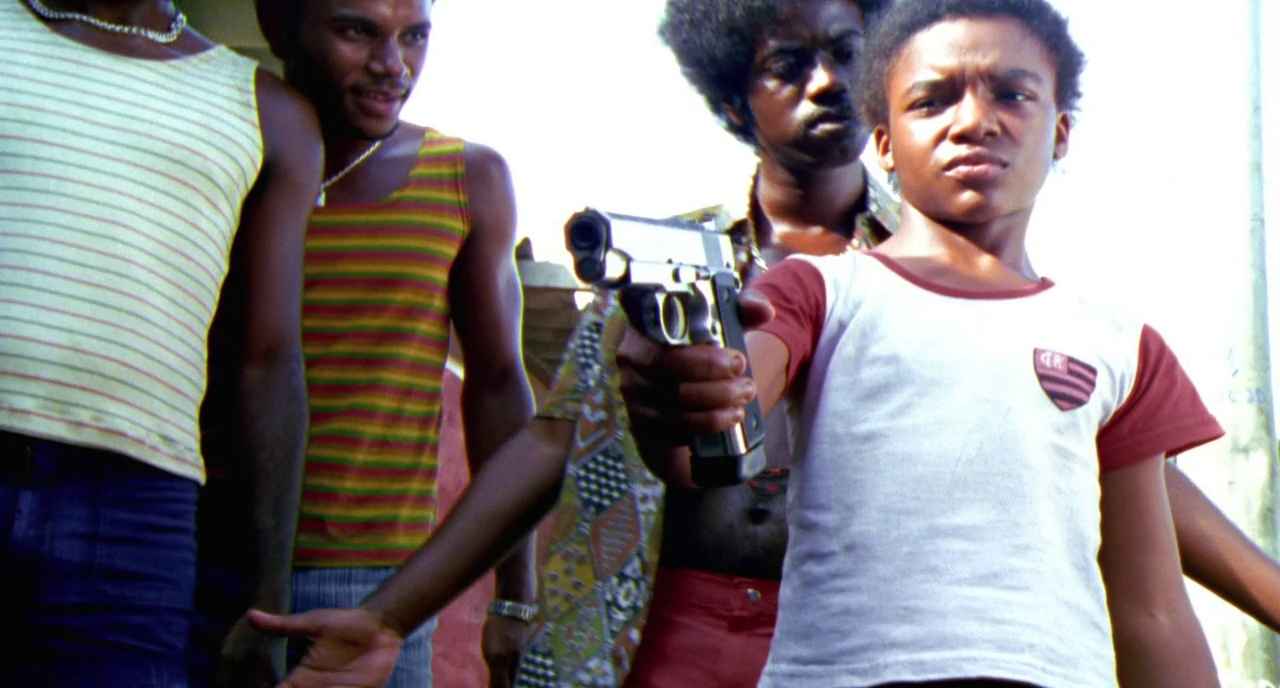
City of God (2002, Miramax) blends realism with stylized editing. It was shot in the favelas of Rio de Janeiro in Brazil using mostly amateur actors. The pace is fast and the visuals are sharp, but the world it shows is real. It doesn’t flatten the violence or explain the characters. It just lets the environment and events speak for themselves.
The Dardenne brothers, working in Belgium, offer another approach to realism. Their films, such as Rosetta (1999) or The Kid with a Bike (2011), follow young people or working-class characters facing hardship.
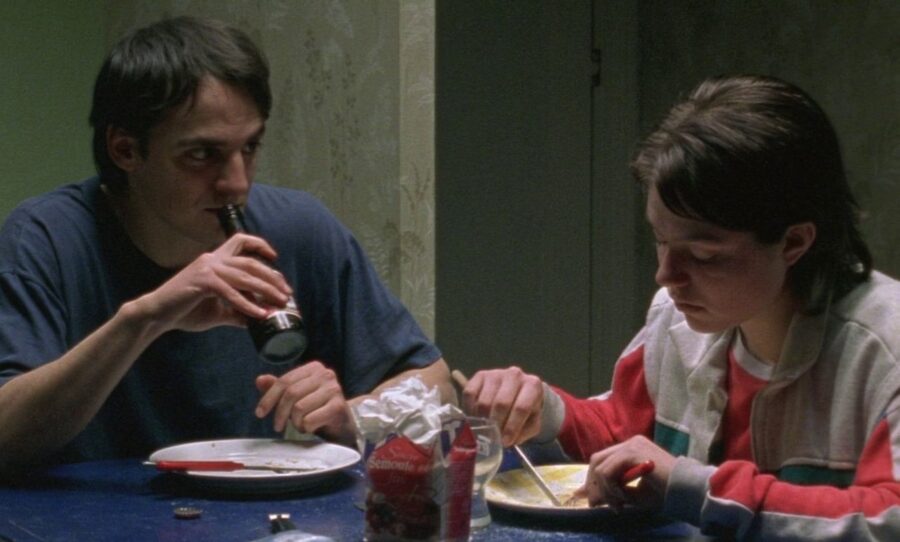
They use handheld cameras, minimal sound, and natural lighting. Most scenes have no music. The camera stays close to the actors, sometimes just behind their heads, making the viewer feel present without needing exposition or voiceover.
Types of Realism
Realism comes in different forms.
Social realism in film focuses on how class, labor, and social institutions shape everyday life. It often portrays working-class characters dealing with economic hardship, bureaucracy, or discrimination. The goal is to highlight systemic struggles without glamorizing them, usually through grounded performances, naturalistic dialogue, and real-world locations.
Poetic realism blends real-world settings with a stylized tone, often using soft lighting, expressive cinematography, or lyrical pacing (i.e., slower, mood-driven rhythm that follows emotion, not plot). While the environments and characters may be realistic, the mood leans more atmospheric. It allows for emotional depth and visual beauty without leaving the world of ordinary experience.
Psychological realism in film focuses on how a character’s internal state is revealed through natural behavior, subtle reactions, and social interaction, rather than through tools like voiceover, fantasy sequences, or flashbacks. It aims to reflect how people really think and feel without turning emotions into exposition.
These variations all aim to show life without distortion.
Theory Spotlight: Stanley Cavell on Film Realism
Stanley Cavell, a philosopher at Harvard, believed realism in film begins with how the camera works. In The World Viewed (1971, Harvard University Press), he described film as a mix of automatism and projection.
Automatism means the camera captures the world by mechanical process. Projection refers to how that captured world is presented to an audience. For Cavell, even fiction films hold a trace of reality because of how they are made.
He argued that movies move us because they preserve real things, even when the story is imagined (see also authenticity). Digital images may be built from code, but they still try to simulate real experience. Realism, in his view, is baked into how film works.
Realism vs. Formalism
Realism is often compared to formalism. Where realism tries to reflect daily life, formalism uses style, control, and design. A formalist film might use stylized lighting, visible editing, or heightened dialogue. Realist films tend to avoid those tools.
Most films blend both. A scene might use real locations and unscripted acting, but still follow a dramatic structure or use music to shape feeling. Understanding this range helps explain how directors guide audience reaction.
What Realism Offers
Realism doesn’t focus on spectacle (big, dramatic visuals). It gives attention to quiet detail, to moments that pass without explanation. It gives the viewer space to think and time to observe. Realism works by withholding commentary. It lets the viewer feel the world for themselves.
Summing Up
Realism in film aims to reflect life without artificial tricks. It has shaped film history from early documentary to Italian Neorealism to today’s indie cinema. By focusing on real people in real places, realism continues to tell stories that feel grounded, honest, and human.
Read Next: Curious how film movements shape cinema?
Read our full guide to What Is a Film Movement? for clear definitions and iconic examples, or explore more in our Film Movements & World Cinema section.
Want broader context? Visit our Film History, Theory & Genre archive for deeper dives into the evolution of cinematic style.
