
Published: April 26, 2024 | Last Updated: December 12, 2024

Third-person omniscient point of view Definition & Meaning
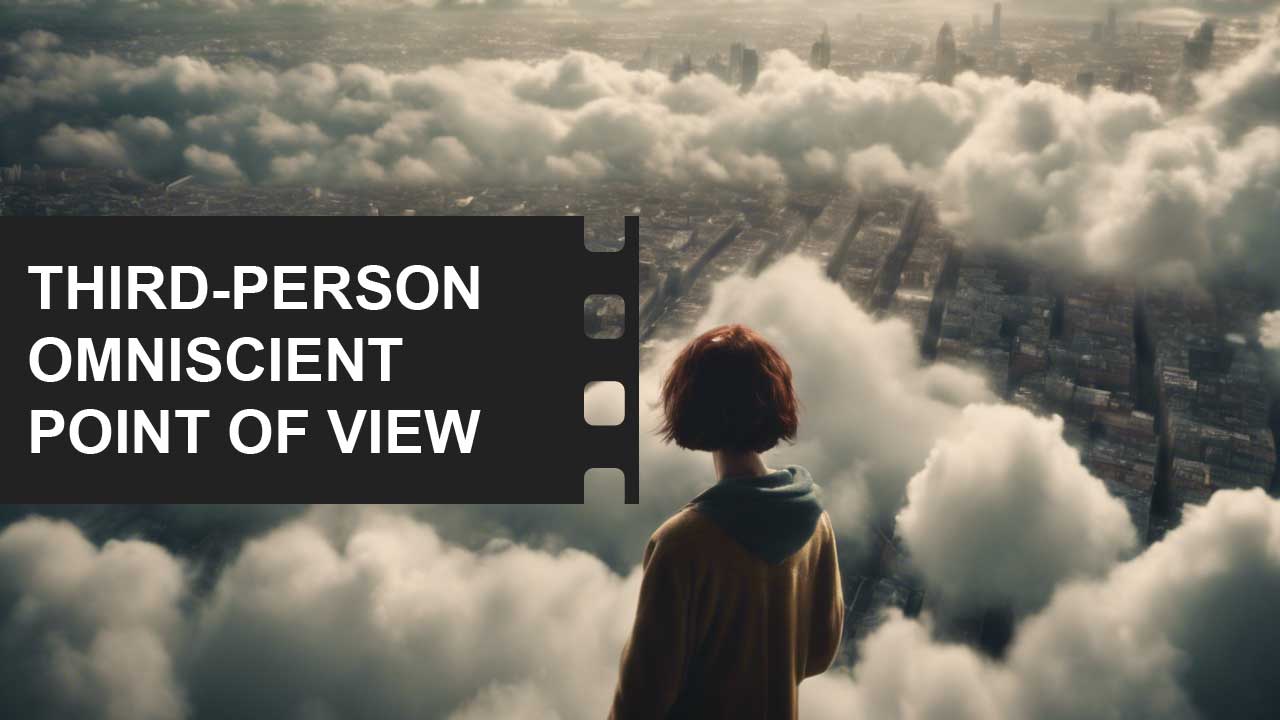
The third-person omniscient point of view (PoV) is like having a god-like narrator with a full understanding of the story. This narrator knows everything about everyone—their thoughts, feelings, and secrets—and can share any character’s perspective with the audience. In movies, the third-person omniscient view often shows up through voice-overs or scenes cutting between characters, times, or places. For example, in The Lord of the Rings: The Fellowship of the Ring (2001), the narration and editing let us know things the characters don’t.
Key characteristics of 3rd person PoV
A hallmark of the third-person omniscient voice is its flexibility and broad perspective. Writers and directors using this approach can jump between locations, explore multiple characters’ thoughts, and reveal details the characters within the diegesis don’t know.
This can create dramatic irony (like Hitchcock’s famous example of the bomb under the table), where the audience knows more than the characters in the story, which can lead to suspense.
Examples of the How Third-person Omniscient PoV is seen in Film
Unlike literature, where this perspective can be conveyed through narrative exposition, films must use visual and auditory techniques to achieve a similar effect.
Voice-over narration
One common method is voice-over narration, which directly communicates characters’ thoughts or story details to the audience.
For example, in The Royal Tenenbaums (2001), the narrator (Alec Baldwin) offers insights into the characters’ inner feelings and histories that aren’t expressed through dialogue or action.
Read more on Voice Over in Film.
Non-diegetic elements
Another technique uses non-diegetic elements like music or sound effects that characters can’t hear, giving us extra information or emotional hints.
In Jaws (1975), the iconic theme builds tension and foreshadows the shark’s approach long before the characters realize they’re in danger, heightening the suspense.
Editing
By intercutting between scenes and perspectives no single character can access, editors can construct a narrative that provides a more comprehensive understanding of the story than any character could possess. Sometimes, editors simultaneously show what happens in different locations through cross-cutting or parallel editing, which no single character might know.
Another example is the editing in Magnolia (1999), which interconnects various characters and their stories and provides a god-like overview of their interconnectedness and the underlying causes of their behaviors.
Cinematography and Camera Angles
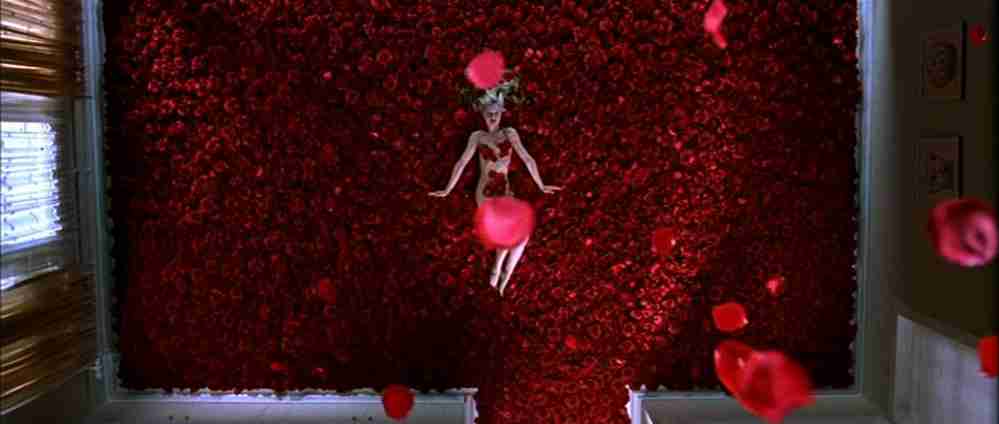
Cinematography plays a key role as well. Various camera angles and shots can provide an omniscient view of the scene. For instance, high-angle shots often give a ‘god-like’ perspective, looking down on the character and suggesting vulnerability or detachment.
In this case, the “omniscient camera” takes on the role of the god and is actively used by the director and cinematographer to anticipate what will happen next in the movie by changing camera distance, angle, and movement or making focus adjustments.
Using Symbolism and Motifs
Directors might use symbolic imagery or motifs to hint at themes or emotions. They don’t spell everything out. These small details add depth and subtext to the story. They make us think and notice things below the surface. It’s a smart way to keep the movie interesting without overexplaining.
Non-linear Storytelling
Additionally, flashbacks and nonlinear storytelling can reveal past events unknown to other characters or the audience, providing a deeper understanding of the characters and their motivations.
This is seen in Citizen Kane (1941), where the narrative unfolds through various flashbacks that piece together the life of Charles Foster Kane from multiple perspectives, none of which have complete knowledge.
Summing Up
The third-person omniscient point of view is like having a bird’s-eye view of a story. It allows the narrator to share the thoughts and feelings of multiple characters, providing a comprehensive understanding of the narrative. It’s like being an all-knowing observer. The omniscient point of view gives us insight into various characters’ thoughts, feelings, and interconnected stories from outside the diegesis.
