
Published: April 26, 2024 | Last Updated: July 4, 2026

What is Anagnorisis? Definition & Meaning
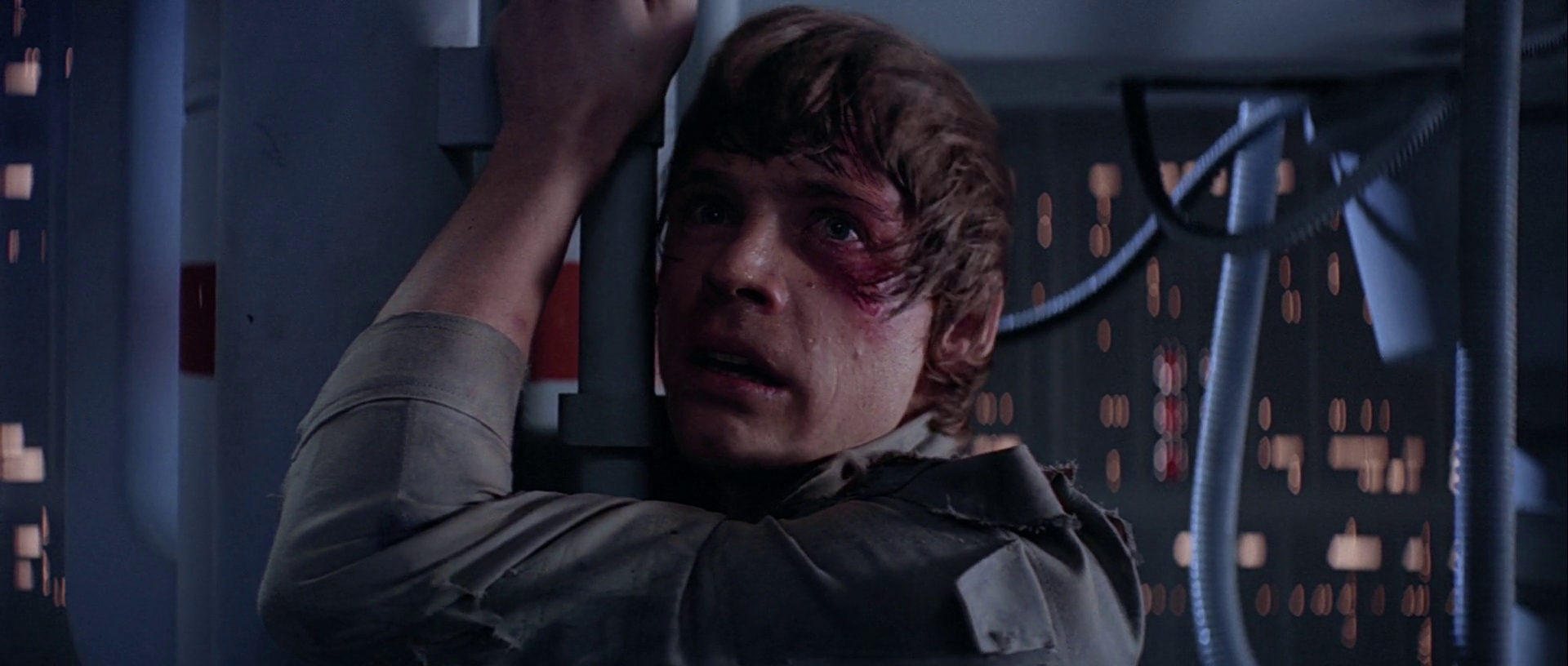
Anagnorisis is a moment in a story when a character makes a critical discovery about their identity or the true nature of others, often leading to a dramatic shift in the narrative. It’s like a sudden, enlightening “aha!” moment that changes everything. In The Empire Strikes Back (1980), Luke Skywalker’s shocking realization that Darth Vader is his father is a classic example.
Origin and Deeper Meaning
Anagnorisis is the moment in a story when a character makes a life-changing discovery that reveals the truth about themselves or others.
It comes from Greek tragedy and often marks a turning point in the plot. The realization is usually shocking or painful and leads to a shift in the character’s actions or fate.
A good example is in Oedipus Rex by Sophocles. Oedipus finds out he has killed his father and married his mother. That realization completely changes how he sees himself and his past.
Anagnorisis vs. Plot Twists
There’s an obvious connection between plot twists and the concept of anagnorisis, but not always! A plot twist is a sudden, unexpected change in the direction or outcome of the plot. While an anagnorisis can be a plot twist if it significantly alters the course of the narrative, not all plot twists involve anagnorisis.
Plot twists are designed to surprise us and can involve sudden revelations, the appearance of new information, or a shocking turn of events not anticipated by the audience or the characters.
Anagnorisis, that is a plot twist: When Darth Vader reveals that he is Luke Skywalker’s father in The Empire Strikes Back (1980).
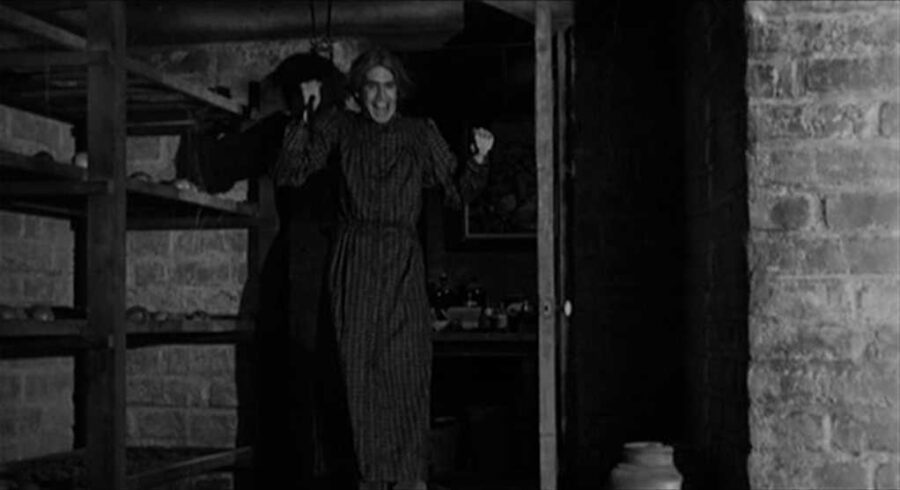
Anagnorisis that isn’t a plot twist: In Psycho (1960), the plot twist where Norman Bates is discovered dressing as his deceased mother does not involve anagnorisis.
You might also like What is a Plot Hole?
Examples of Anagnorisis from Film
Here are some good examples from movies and literature (that have been made into movie adaptations). Spoilers ahead!
Fight Club (1999)
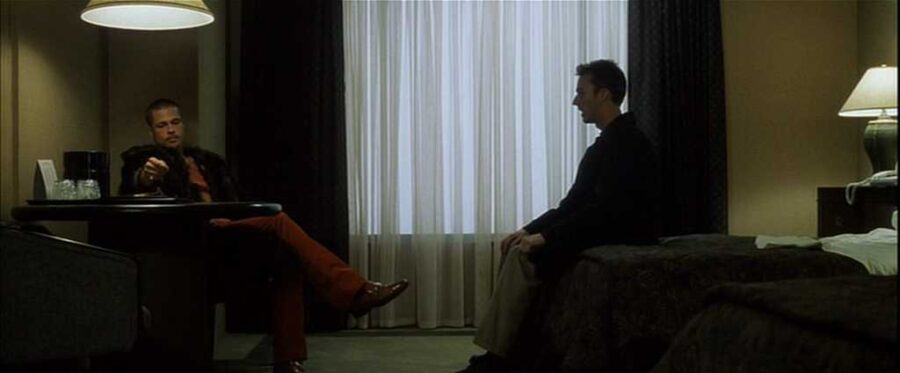
In Fight Club, the narrator’s moment of anagnorisis is shocking and transformative when he realizes that Tyler Durden, whom he believed to be a separate person, manifests his split personality. This twist fundamentally alters his understanding of his actions and relationships throughout the movie.
The Great Gatsby (2013)
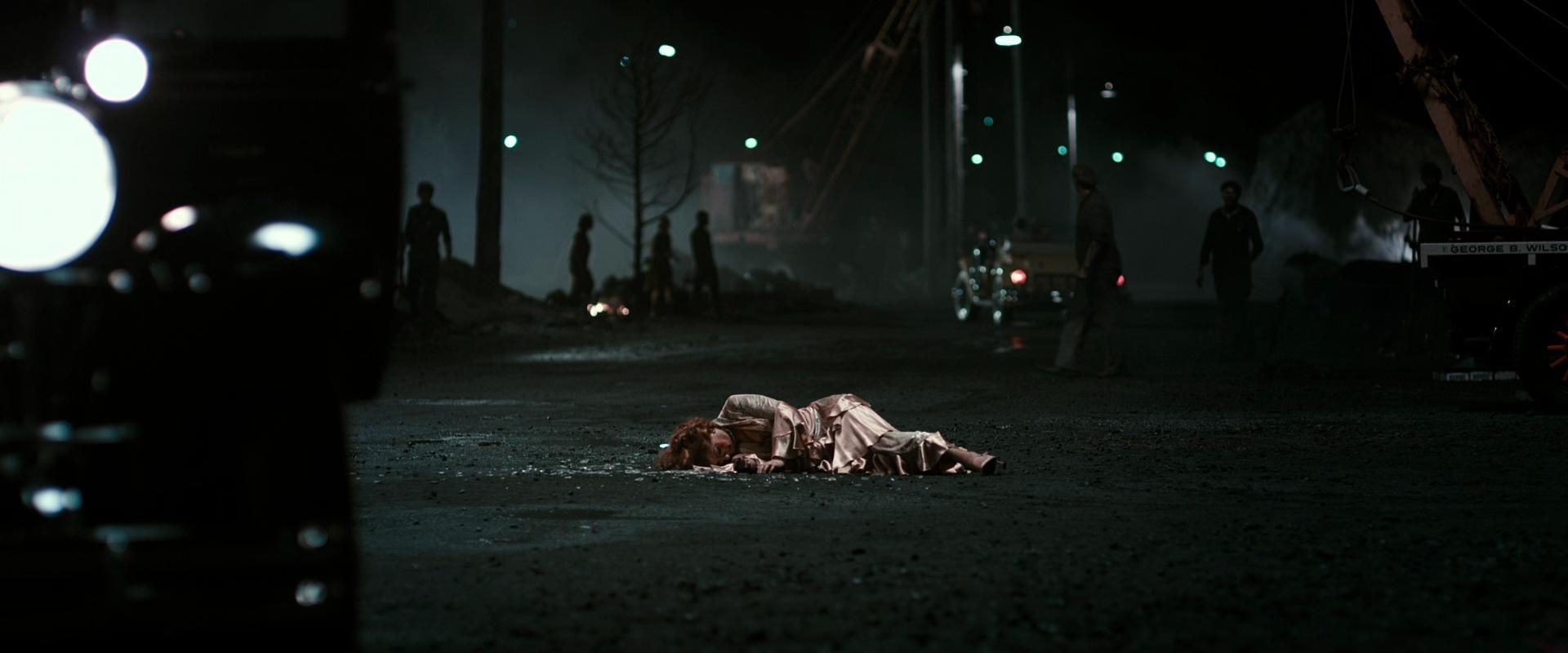
In The Great Gatsby, Gatsby’s anagnorisis involves the realization that Daisy will not leave her husband, Tom, despite Gatsby’s efforts to recreate the past. This recognition leads to the unraveling of Gatsby’s dreams and, ultimately, his tragic end.
The Others (2001)
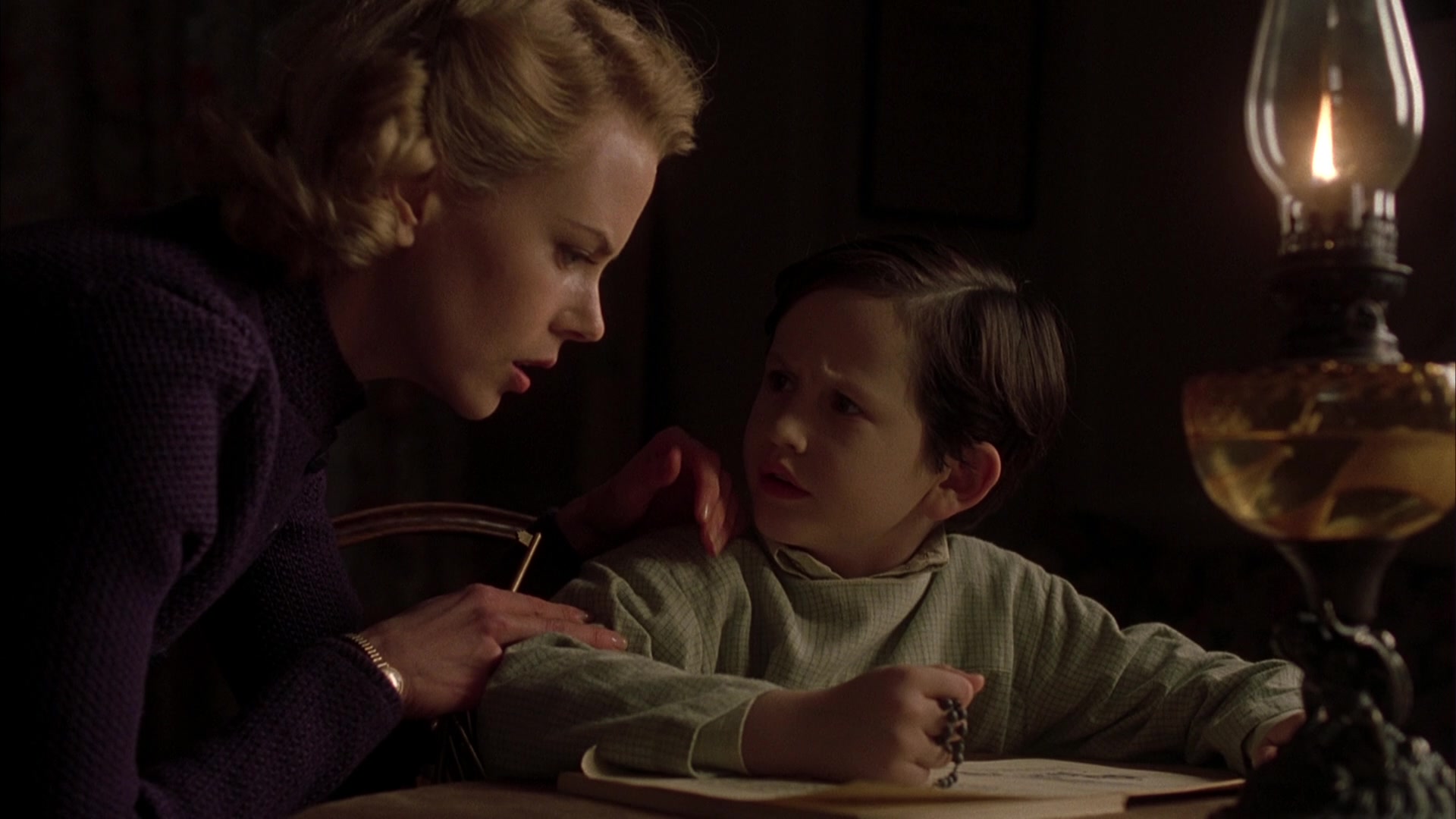
In The Others, Nicole Kidman’s Grace Stewart discovers that she and her children are the ghosts haunting their house, and the “intruders” are the new living occupants. This realization shifts the entire perspective of the narrative, recasting all previous events in a new light.
The Sixth Sense (1999)

Another iconic film example is The Sixth Sense, where child psychologist Malcolm Crowe, played by Bruce Willis, realizes that he has been dead throughout most of the movie. This twist dramatically changes the context of his interactions and the film’s narrative structure.
Primal Fear (1996)
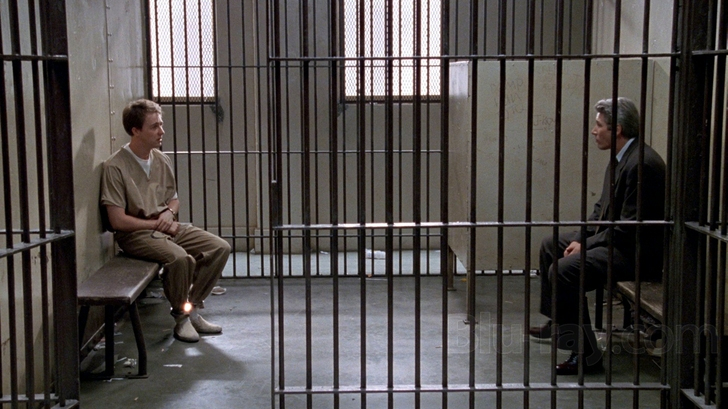
Lastly, in Primal Fear, an unexpected twist occurs when Aaron, a seemingly innocent altar boy accused of murder, reveals he has been faking a personality disorder. His lawyer, played by Richard Gere, faces the chilling realization of his client’s true manipulative nature, altering the audience’s understanding of the plot and Aaron’s character.
Summing Up
An anagnorisis is a moment in a story when a character makes a critical discovery about their identity or the nature of others, often leading to a dramatic shift in the plot.
In The Empire Strikes Back (1980), Luke Skywalker’s shocking realization that Darth Vader is his father is a classic example. Similarly, in The Sixth Sense (1999), when Dr. Malcolm Crowe discovers he’s been dead throughout the movie, it redefines the entire narrative for the audience.
Anagnorisis FAQ
What is anagnorisis?
A moment of critical recognition, when a character moves from ignorance to knowledge — often discovering a truth about their own identity or situation.
Who defined anagnorisis?
Aristotle, in the Poetics, as a key element of tragedy: a change from ignorance to knowledge that turns the plot.
What is an example of anagnorisis?
Oedipus realising he has killed his father and married his mother — the recognition that seals his fate.
What is the difference between anagnorisis and peripeteia?
Anagnorisis is the recognition (a change in knowledge); peripeteia is the reversal of fortune. Aristotle said the best plots combine the two.
How is anagnorisis used in modern film?
As the big realisation or reveal — a character or the audience discovering a hidden truth that recontextualises everything.
Read Next: Want to dig deeper into screenwriting?
Start with the Screenwriter’s Toolkit on literary devices vs. elements – a deep resource covering every major literary device and element used in writing.
Then explore our collection of practical writing techniques covering dialogue, structure, and pacing.
Or jump into the free screenwriting course to start your first draft today.
You can also head back to the Screenwriting section for more tools, theory, and breakdowns.
