

Published: June 19, 2019 | Last Updated: June 19, 2025

What is A movie spoiler? Definition & Meaning
A movie spoiler is any detail that reveals key plot points, twists, or the ending of a film before a viewer experiences it for themselves.
Spoilers affect how we watch movies. They can break the suspense, weaken critical emotional moments, or alter our understanding of the story. While some seek them out, many try to avoid them. Spoilers are now a big part of how we talk about movies online.
So let’s dig in, examine spoiler types, and look at some examples. Warning: Spoilers ahead!
Types of Movie Spoilers
Spoilers take different forms. Some ruin big twists. Others reveal who dies, how it ends, or what kind of movie you’re really watching. Each type changes how we experience the story and what surprises still work.
Plot Twists
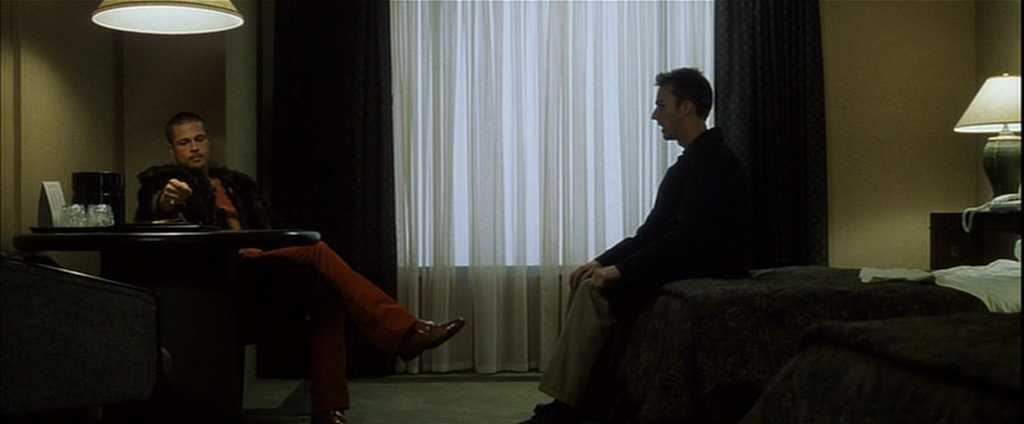
Plot twists are turning points meant to reframe what we’ve seen so far. A good example is Fight Club (1999, Fox 2000), where the reveal changes everything about the main character and the story.
Character Deaths
Major deaths carry emotional weight. When we know they’re coming, they often land softer. In Little Women (2019, Sony), Beth’s death is a key moment. It hits harder when the viewer doesn’t expect it.

Endings
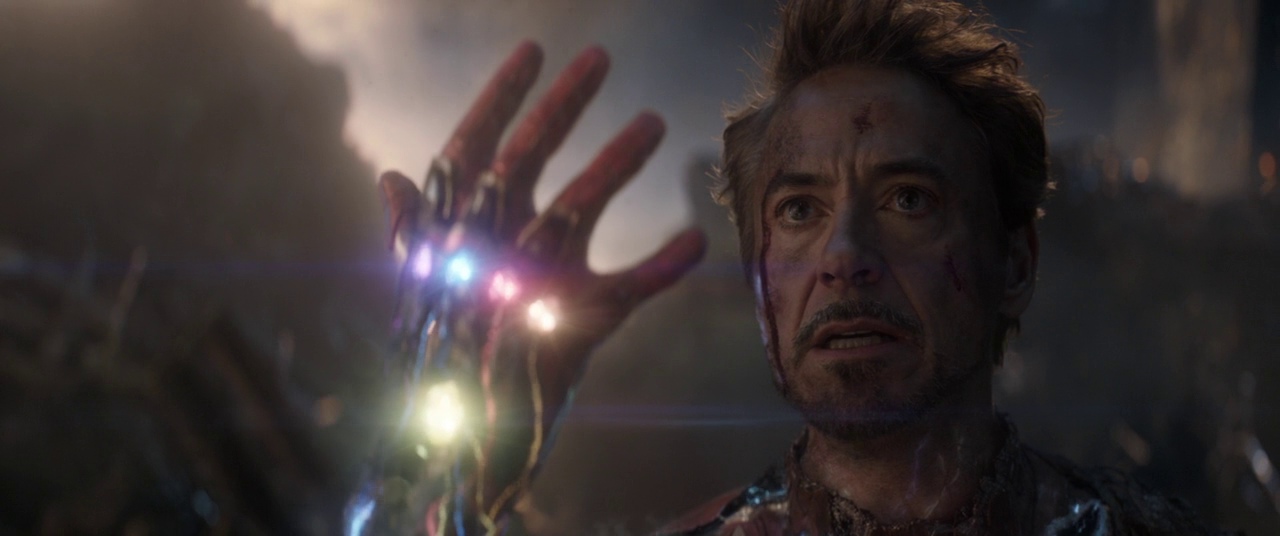
Some stories are built around their final reveal. If we already know the outcome, we lose the tension that was supposed to build toward it. Avengers: Endgame (2019, Marvel Studios) kept Tony Stark’s fate a secret to protect that final moment.
Genre Shifts
Some films change direction halfway through, hiding their true genre until it’s too late to turn back. Spoiling that twist strips away the surprise. From Dusk till Dawn (1996, Dimension Films) starts as a crime thriller about two criminals on the run. Then it suddenly turns into a vampire horror movie.
The shift is intentional, and being aware of it early changes how the first half feels. I definitely did not see that one coming when I saw in the theatre.
Social Media and Spoiler Culture
Spoilers now spread faster than ever. One post or comment can ruin a movie before it even reaches most audiences. Platforms like Twitter, Reddit, and YouTube make it easy to share plot details, sometimes on purpose, sometimes by accident. This puts pressure on fans who want to go in fresh.
Some studios respond by hiding real scenes in trailers or asking early viewers to stay quiet. For Avengers: Endgame, the directors asked fans not to spoil major moments. Many respected the request. But leaks still reached millions within hours.
How Filmmakers Try to Prevent Spoilers
To protect surprises, filmmakers use several tricks. Some cut trailers that focus on tone instead of plot. Others shoot fake scenes just for marketing. A good example is Parasite, which hides its genre shift in all promotions. The surprise makes the story hit harder:
Studios also limit early screenings. Critics or test audiences sign embargoes. These rules delay spoilers from reaching the public and help preserve the experience.
Summing Up
A movie spoiler reveals important details that change how a film is experienced. Some people enjoy knowing early. Others want to go in fresh. Either way, respecting how others prefer to watch is part of being a responsible viewer. Spoilers can be avoided, managed, or protected, but once revealed, they can’t be undone.
Read Next: Curious how film theory shapes the way we watch movies?
Start with the Film Theory section to break down realism, formalism, structuralism, and more — with examples from iconic films.
If you want studying film theory I recommend starting with The FilmDaft overview of film theory discourses to break down realism, formalism, structuralism, and more — with examples from iconic films.
Then explore the full Film History, Theory & Genre collection to see how movements, styles, and storytelling traditions have evolved.
Whether you’re into Soviet montage or 2000s genre mashups, there’s something here to sharpen your understanding.
