

Published: January 12, 2024 | Last Updated: November 25, 2025

What is Campbell’s Monomyth? Definition & Meaning
The monomyth is a 17-stage story structure identified by Joseph Campbell in 1949 that describes a common narrative arc across myths and adventure tales around the world. Some call this the Hero’s Journey, but they’re not exactly the same, as you will see.
Joseph Campbell’s book The Hero with a Thousand Faces came out in 1949. In it, he argues that myths from different cultures follow the same basic pattern, a story arc he calls the “monomyth.” Campbell argues that the Monomyth is a universal narrative pattern across cultures and eras.
Why the Monomyth Matters
The monomyth gives you a roadmap for how characters grow through challenge and change. Most Hollywood adventure movies follow some version of this arc, especially science fiction, fantasy, and action films.
The structure helps you build tension, raise stakes, and show emotional transformation in a way that feels familiar but still dramatic.
Breakdown of the 17 Stages
The monomyth is divided into three major acts: Departure, Initiation, and Return. Campbell writes:
A hero ventures forth from the world of common day into a region of supernatural wonder: fabulous forces are there encountered and a decisive victory is won: the hero comes back from this mysterious adventure with the power to bestow boons on his fellow man.
– Joseph Campbell, in The Hero’s Journey.
Each section contains several key moments.
The 3 Acts of the Monomyth
The monomyth is divided into three major acts (resembling the three-act structure): Departure, Initiation, and Return. Each act includes several key steps.
Below, I’ve chosen to use Neo’s character arc from The Matrix (1999) to illustrate each step:
1–5: Departure — Leaving the Ordinary World
1. Call to Adventure: The hero receives a challenge or invitation that pulls them away from their normal life. It can be a message, an event, or a sudden realization.


In The Matrix (1999), Neo is contacted by Morpheus’s team and told to “follow the white rabbit.” This pulls him toward a hidden truth he doesn’t yet understand.
2. Refusal of the Call: The hero resists or doubts the journey ahead. This stage shows fear or disbelief.
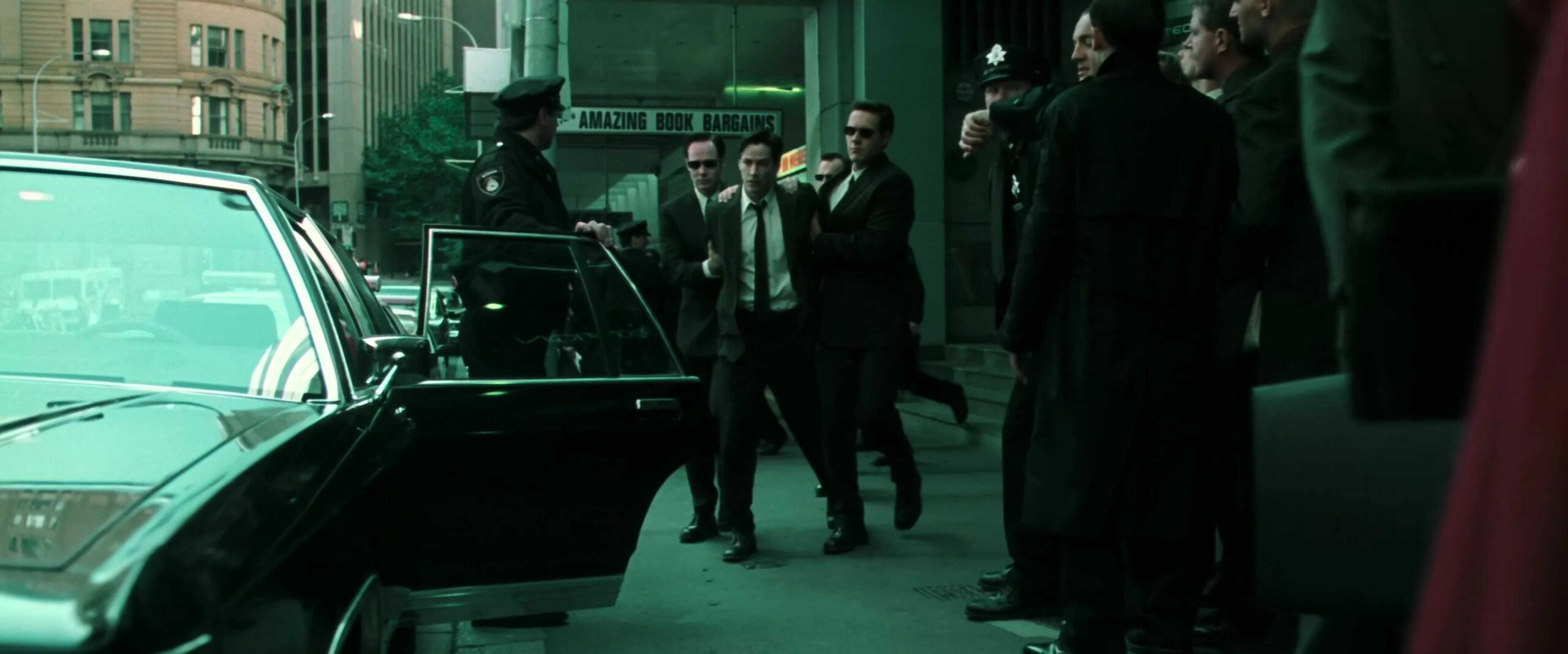
Neo initially is too afraid to accept Morpheus’s help to escape the agents, and gets caught.
3. Supernatural Aid: A mentor or guide appears to help. This figure often knows more about the world and gives tools, advice, or training.
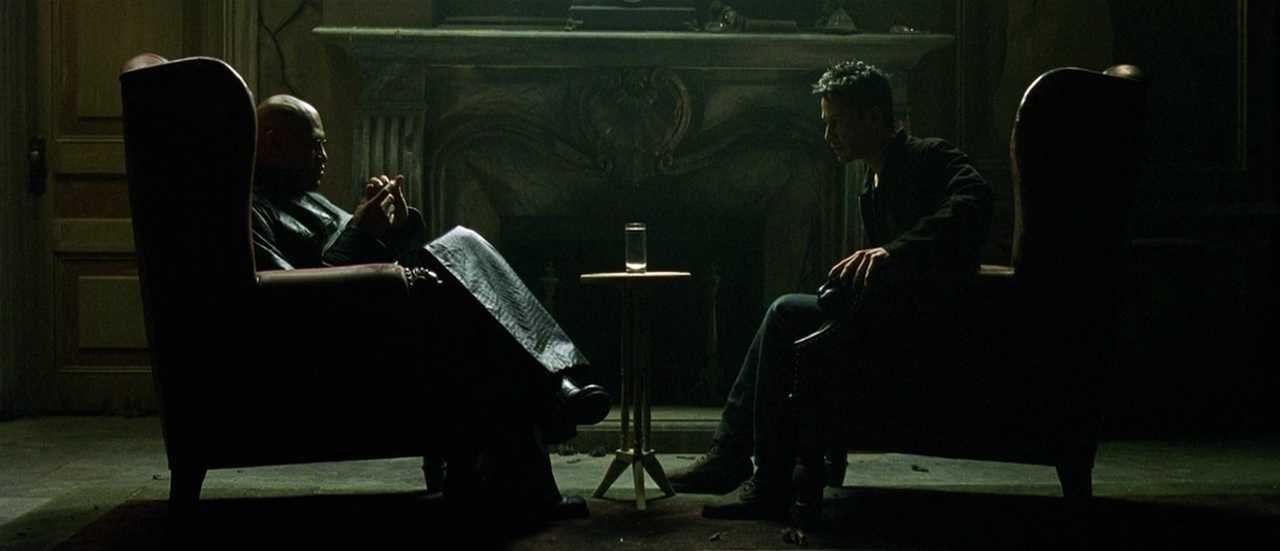
Morpheus becomes Neo’s guide, helping him question reality and preparing him for what’s coming.
4. Crossing the First Threshold: The hero fully enters the unknown world. There’s no turning back after this moment.
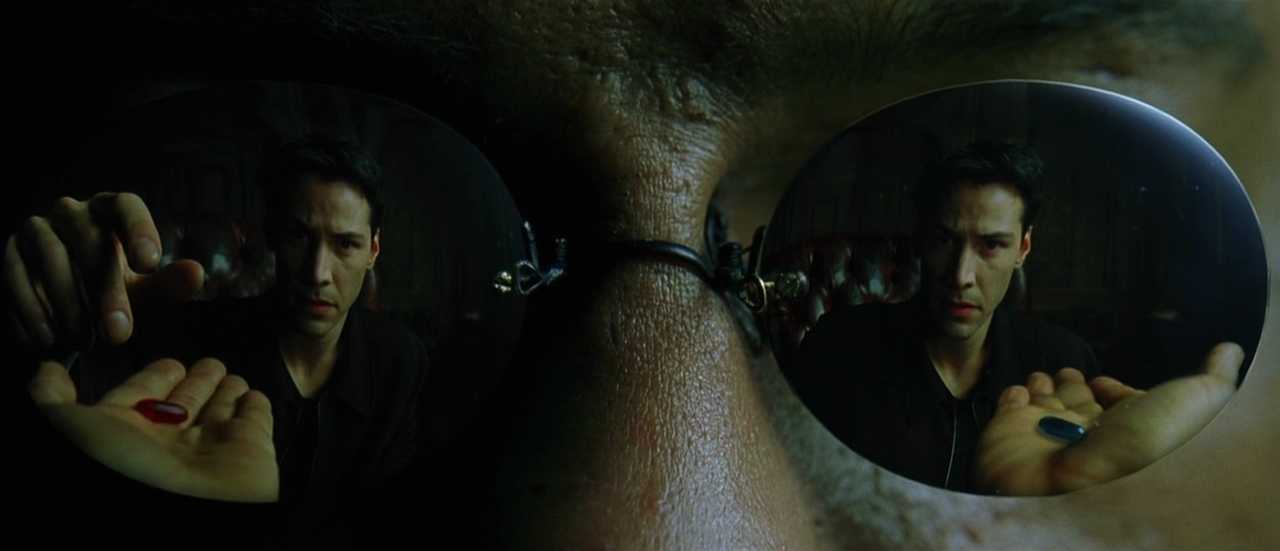
Neo swallows the red pill and wakes up in the real world. His life in the Matrix is over.
5. Belly of the Whale: The hero is completely cut off from the old world and must adapt. This often involves a symbolic death and rebirth.

Neo is unplugged from the Matrix and pulled out of the machine pods. He’s reborn into a harsh new reality.
6–11: Initiation — Trials and Transformation
6. Road of Trials: The hero faces tests that build skill and confidence. These trials reveal what the hero is capable of.
Neo trains in martial arts, learns about the Matrix and its rules (that can be broken), and repeatedly fails. Each challenge pushes him further.
7. Meeting with the Goddess: The hero encounters someone who offers love, support, or deep insight. This figure may represent wisdom, not just romance.

Neo visits the Oracle, who challenges his belief in destiny. She offers quiet insight rather than answers, pushing him to discover the truth for himself.
8. Woman as Temptress: The hero is tempted to give up the journey. The “temptress” isn’t always a person; it can be fear, doubt, comfort, or distraction.
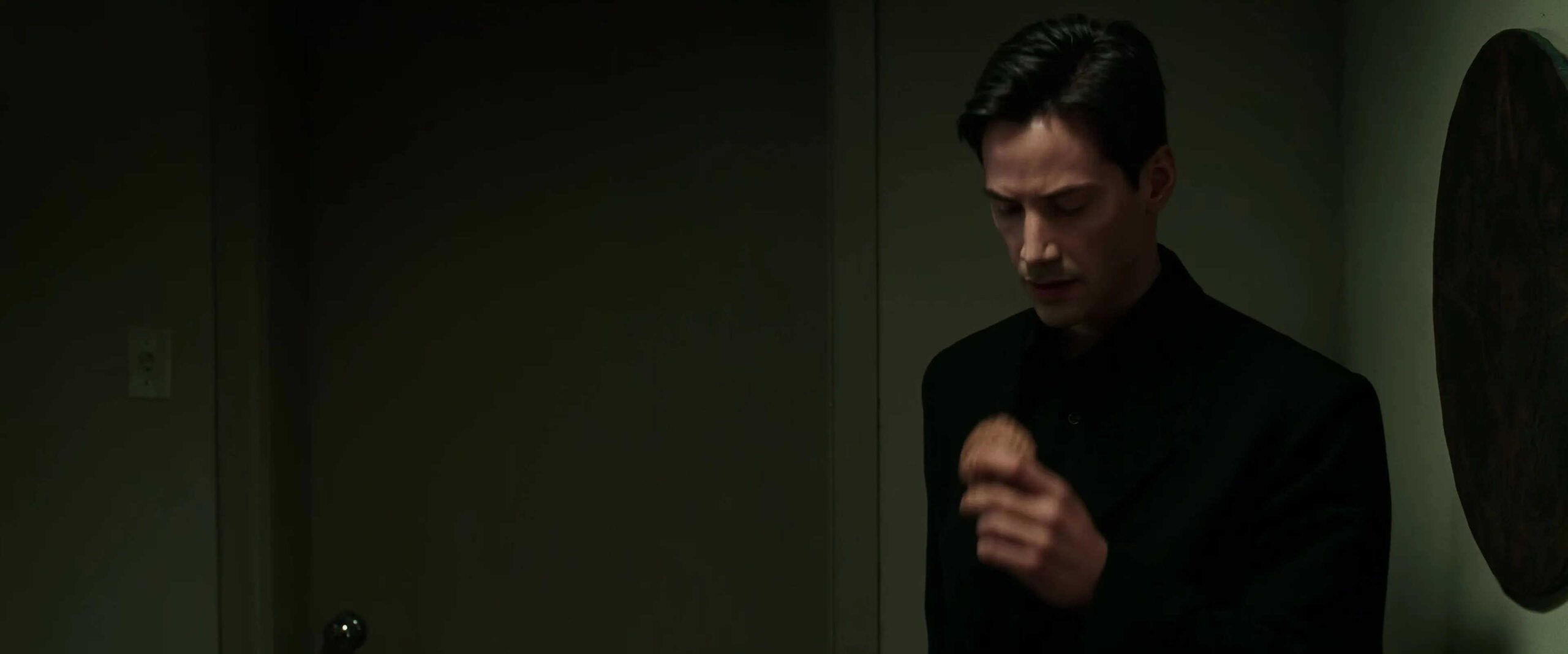
Neo doubts he’s “The One.” His self-doubt threatens to derail his path, making this step internal and symbolic. It’s at his height, just after he has visited the Oracle the first time.
9. Atonement with the Father: The hero confronts a figure of power, often representing authority or control. This stage reflects inner growth and maturity.
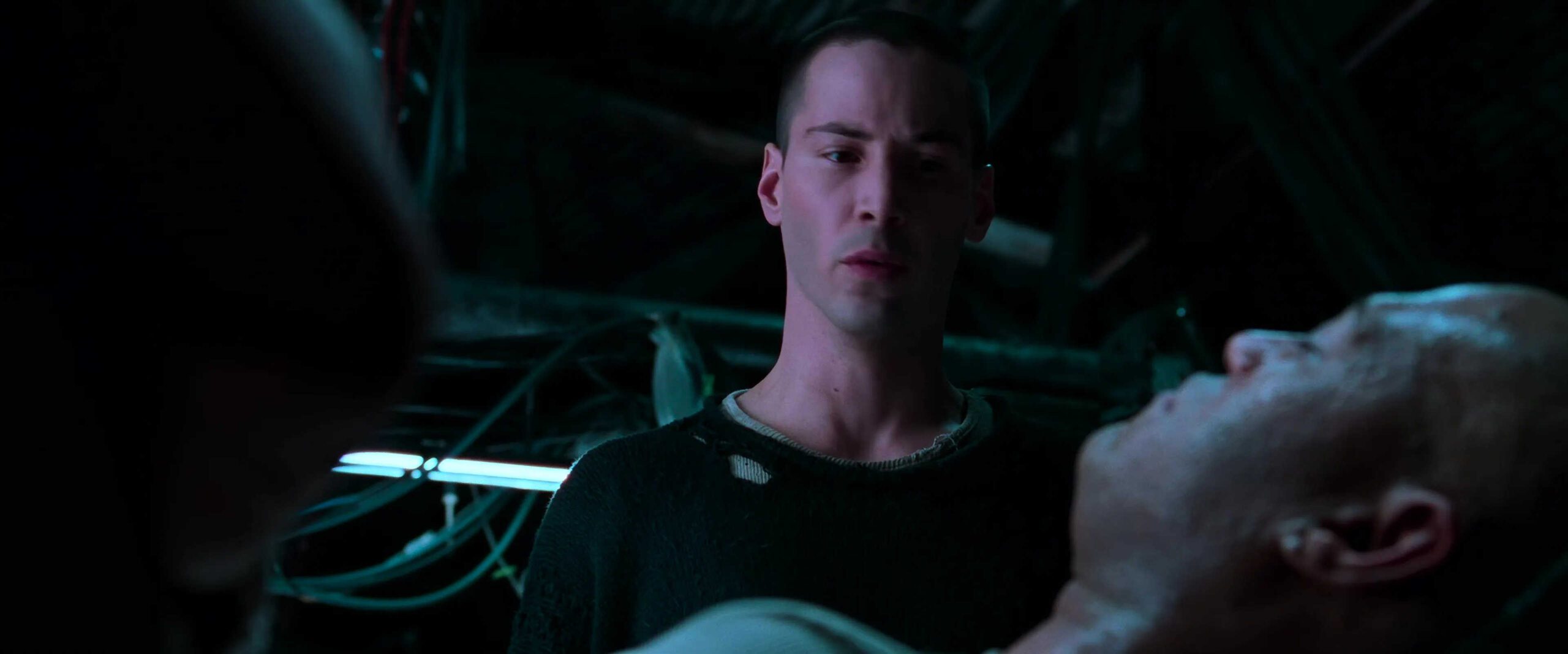
Neo watches Morpheus lie unconscious after Cypher’s betrayal. In that moment, Neo realizes no one else can save him. The system is broken. The mentors are helpless. This is where Neo steps out of Morpheus’s shadow, not with words, but with a decision: to go back into the Matrix and rescue him. That choice marks a shift from follower to leader.
10. Apotheosis: The hero gains a moment of clarity. This transformation brings insight or power. Often, the hero faces death and comes back changed.

Neo chooses to go back into the Matrix to save Morpheus. Trinity and Tank warn him it’s suicide. But something in him has changed—he’s no longer acting out of fear or orders. He’s acting out of conviction. This moment marks his apotheosis: Neo accepts who he is and why it matters, even if it kills him.
11. The Ultimate Boon: The hero achieves the goal of the journey. This might be an object, knowledge, or ability that can help others.
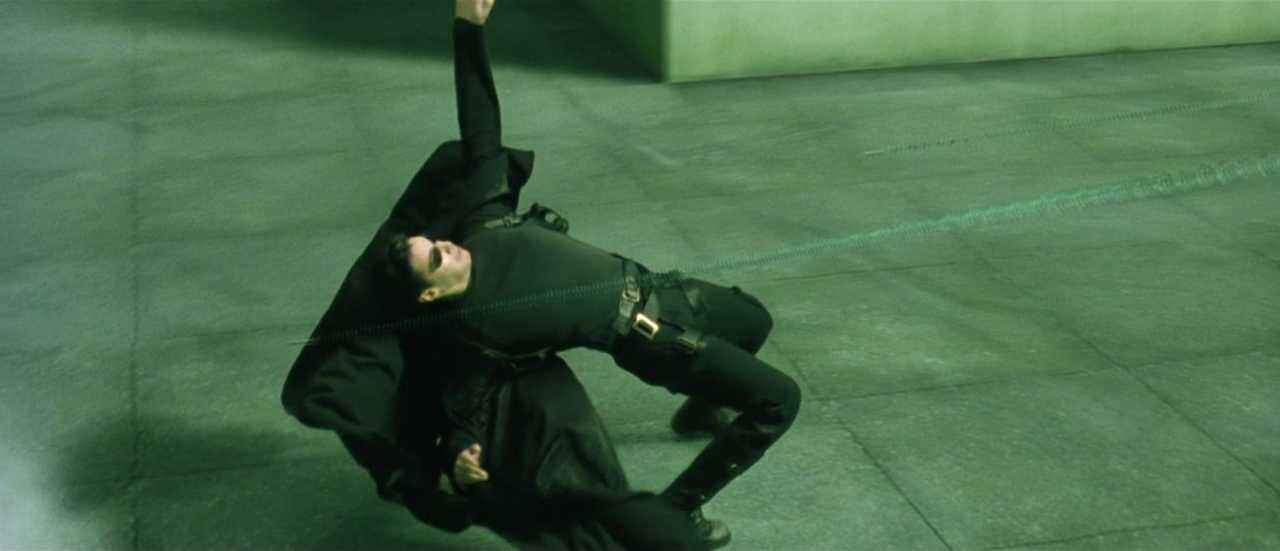
Neo faces off against Agent Smith, a symbol of systemic control. This confrontation forces Neo to stop running and face the rules of the system head-on.
12–17: Return — Bringing Change Back
12. Refusal of the Return: The hero may resist returning to the normal world. They may feel detached or unwilling to leave their new role.
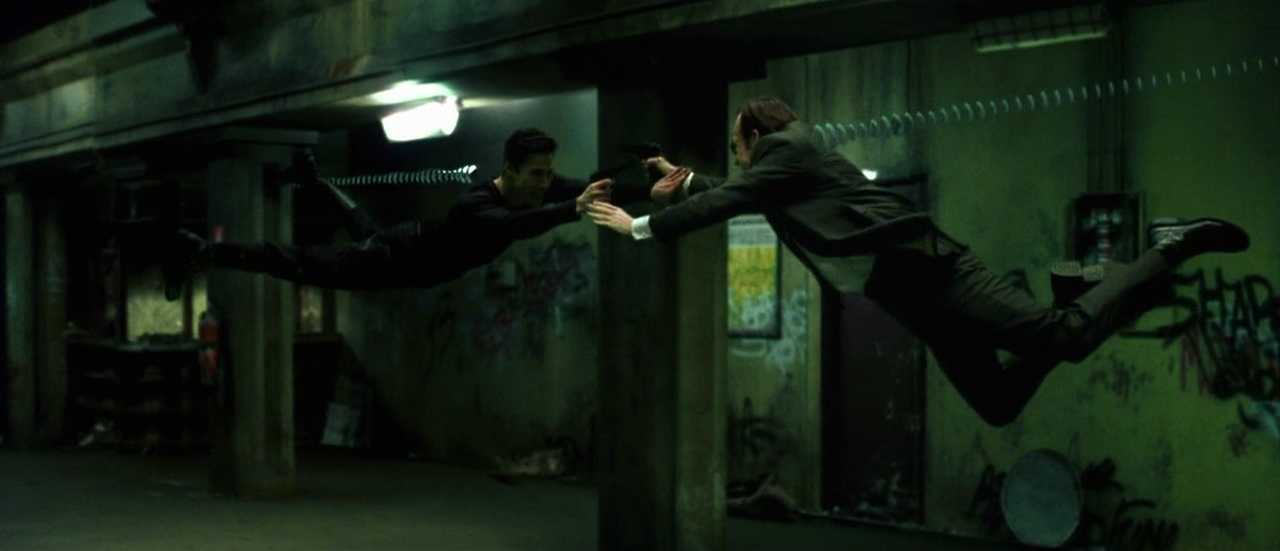
Instead of escaping the Matrix with Trinity and Morpheus, Neo chooses to stay and face Agent Smith. No one has ever fought an agent and won. This is his refusal to return, not because of fear, but because he knows the fight is now his. He’s no longer running. He’s standing his ground.
13. The Magic Flight: The hero must escape with the reward. This escape can be dangerous or fast-paced.

After his fight with Smith at the subway station, Neo is chased by agents as he looks for a landline and a way out.
14. Rescue from Without: The hero is saved by someone else. They may need help to return from the unknown.

After Neo is shot dead inside the Matrix by the agents, Trinity revives Neo with her love, bringing him back from death inside the Matrix.
15. Crossing the Return Threshold: The hero returns to the world, changed. They must bring what they’ve learned back to others.

Neo is killed in the Matrix—but he comes back. Trinity’s belief in him brings him back to life, not just physically, but spiritually. This rebirth mirrors ego death and reincarnation in Eastern philosophy. He lets go of fear, doubt, and identity. When he returns, he’s no longer fighting the Matrix. He sees through it. The bullets stop mid-air. Time bends. Neo has full control of both the real world and the simulated one. Like a messianic figure, he reappears transformed—ready to challenge the system on his own terms.
16. Master of Two Worlds: The hero balances both the ordinary and special worlds. They’re able to move between both with understanding.
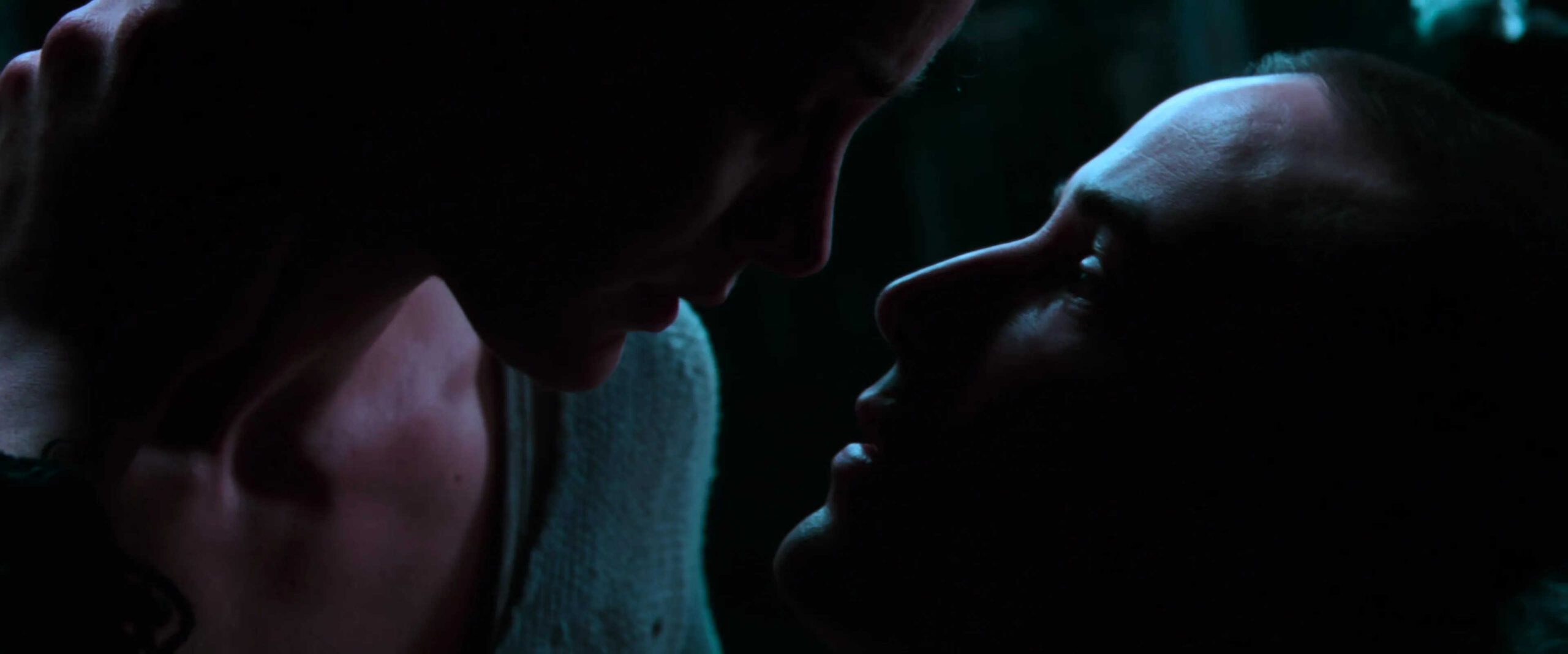
Neo is now able to act with calm purpose in both worlds. He can fight inside the Matrix and lead outside of it. He has accepted love (he won the princess!), responsibility, and power. He has finished his journey (at least for now).
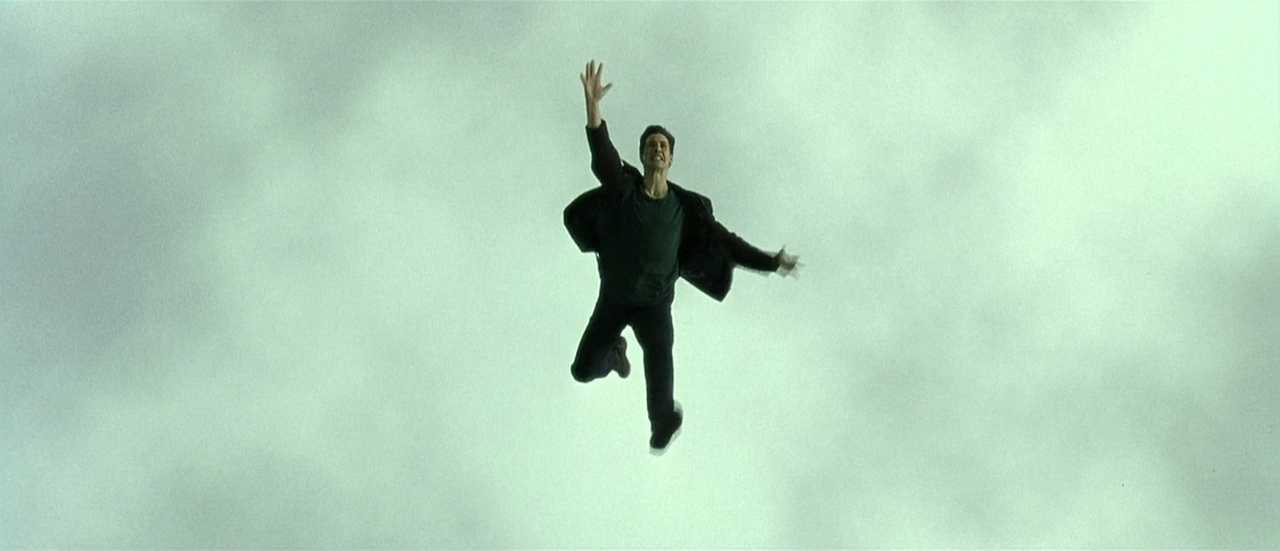
17. Freedom to Live: The hero is no longer afraid of death or failure. They act freely and help others do the same.
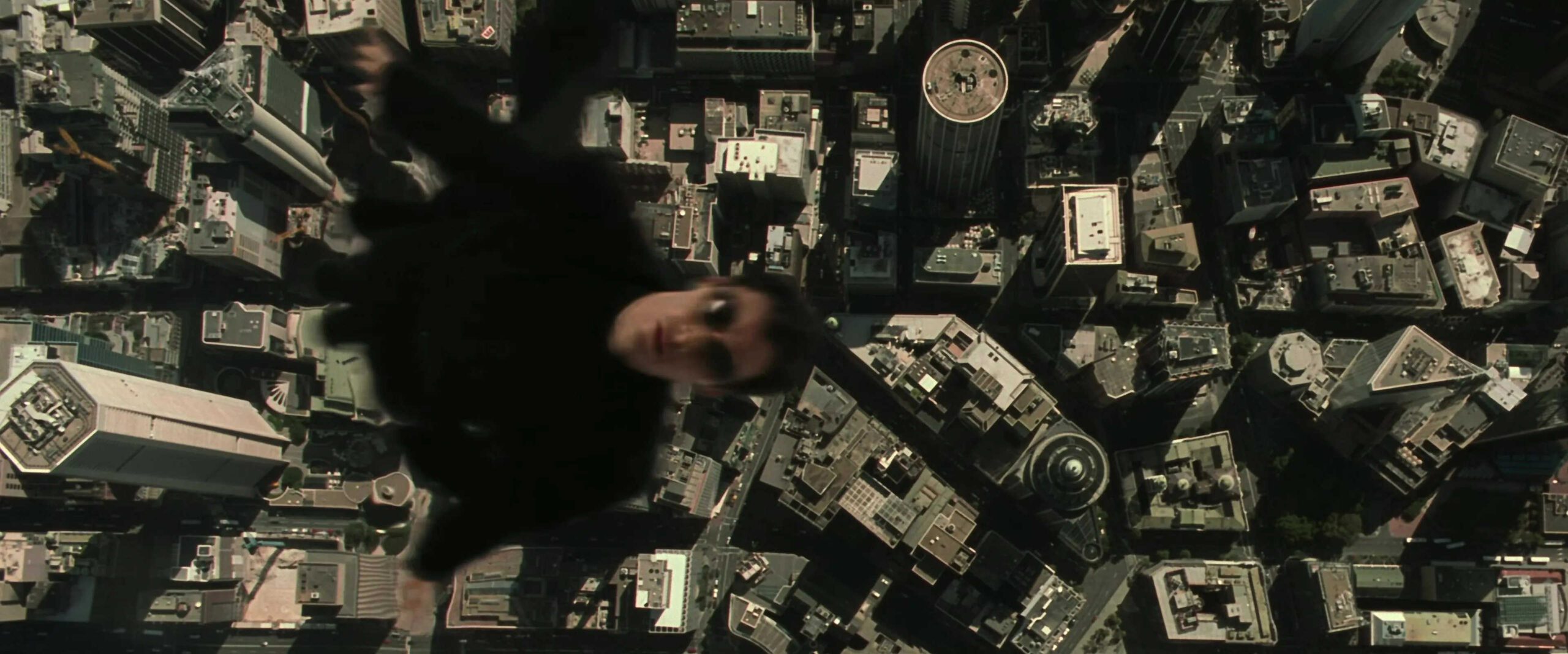
The film ends with Neo making a phone call inside the Matrix. He delivers a direct message to the system and to us outside the diegesis. He says he’s going to show people the truth and help set them free. Then he hangs up and flies into the sky. The flight shows he now understands the Matrix so deeply that he can bend its rules at will. Flight becomes a symbol of ultimate freedom. Neo is alive with purpose and ready to lead others toward liberation.
Monomyth vs. the Modern Hero’s Journey
Today, most writers use a simplified 12-step version of Campbell’s model. This was adapted by Christopher Vogler for screenwriters. Below, I’ve described the differences and compared the two models:
Campbell’s Monomyth vs. the Modern Hero’s Journey
There is a small but important difference between Campbell’s monomyth and what people often refer to today as “the Hero’s Journey.”
1. Campbell’s Monomyth (1949)
Introduced in The Hero with a Thousand Faces. It includes 17 stages, grouped into 3 parts: Departure, Initiation, and Return.
Campbell’s version is dense, mythological, and symbolic — drawing from religion, folklore, and ancient myths. It focuses on archetypes and transformation across cultures.
2. The Hero’s Journey (Modern Use)
Most people today refer to a simplified version. Christopher Vogler, a Hollywood story consultant, condensed Campbell’s model into 12 stages designed for modern screenwriting.
This version is used in films, books, and games as a story map with clear arcs and beats.
So what’s the difference?
Campbell’s monomyth is the full symbolic framework. The Hero’s Journey is the streamlined, practical version that helps writers plan strong plots. Both follow the same core idea: a character leaves home, faces trials, is transformed, and returns changed.
| Hero’s Journey (Modern 12 Stages) | Campbell’s Monomyth (17 Stages) |
|---|---|
| 1. Ordinary World | Implied |
| 2. Call to Adventure | 1. The Call to Adventure |
| 3. Refusal of the Call | 2. Refusal of the Call |
| 4. Meeting the Mentor | 3. Supernatural Aid |
| 5. Crossing the Threshold | 4. Crossing the First Threshold + 5. Belly of the Whale |
| 6. Tests, Allies, Enemies | 6. The Road of Trials |
| 7. Approach to the Inmost Cave | 7. Meeting with the Goddess + 8. Woman as Temptress |
| 8. Ordeal | 9. Atonement with the Father + 10. Apotheosis |
| 9. Reward (Seizing the Sword) | 11. The Ultimate Boon |
| 10. The Road Back | 12. Refusal of the Return + 13. The Magic Flight |
| 11. Resurrection | 14. Rescue from Without + 15. Crossing the Return Threshold |
| 12. Return with the Elixir | 16. Master of Two Worlds + 17. Freedom to Live |
While the core ideas stay the same, the simplified version is easier to apply in Hollywood film structure. Still, Campbell’s original monomyth offers deeper insight into character psychology and mythic structure.
Summing Up
“The Hero with a Thousand Faces” continues to be a touchstone for those interested in the commonalities of human storytelling, the structure of myths, and the psychological underpinnings of narrative.
Other screenwriters have taken Joseph Campbell’s model and recreated it to be more palatable for writers of all genres, simplifying the structure to fewer beats in some variations or stepping it out even further into more beats in others.
Read Next: The FilmDaft Quick Guide to Storytelling & Narrative Structures
