

Published: June 13, 2019 | Last Updated: June 14, 2025

What is Realism in art? Definition & Meaning
Realism in art is a 19th-century movement that focused on portraying ordinary life with accuracy, avoiding idealization, and drawing from the world as it actually appeared.
Where It Began
Realism started in France in the 1840s, just after the 1848 Revolution. The movement formed as industrialization reshaped society, and artists began turning away from the emotional excesses of Romanticism.

Instead of dramatic myths or heroic pasts, Realist painters looked to the present. They painted farmers, laborers, street life, and modest interiors. Subjects like these had rarely appeared in high art.
This shift was also influenced by journalism. Newspapers were starting to report events more directly, which set the tone for how Realists treated their subjects. Their work felt grounded in fact.
Gustave Courbet, the leading figure of the movement, rejected the polished styles of the Paris Salon. In works like The Stone Breakers, he painted laborers with rough brushwork and flat lighting, refusing to romanticize poverty.
What Makes It Realist
Realist artists aimed for direct observation. Their work shows:
- Ordinary people and daily settings
- Muted color palettes and natural lighting
- Detailed textures and accurate anatomy
- Balanced compositions without dramatic staging
- Honest depictions of social conditions
There’s no symbolism, fantasy, or glorification. The work focused on what could be seen in real life: clothing worn down by use, tired postures, weathered faces. The viewer sees what the artist saw, without a filter.
Artists and Their Subjects

Beyond Courbet, Jean-François Millet painted rural life with a quiet solemnity. The Gleaners shows peasant women collecting leftover grain, heads bowed, bodies bent.
Honoré Daumier painted scenes from the lower classes in urban Paris, often exposing injustice or economic divide.

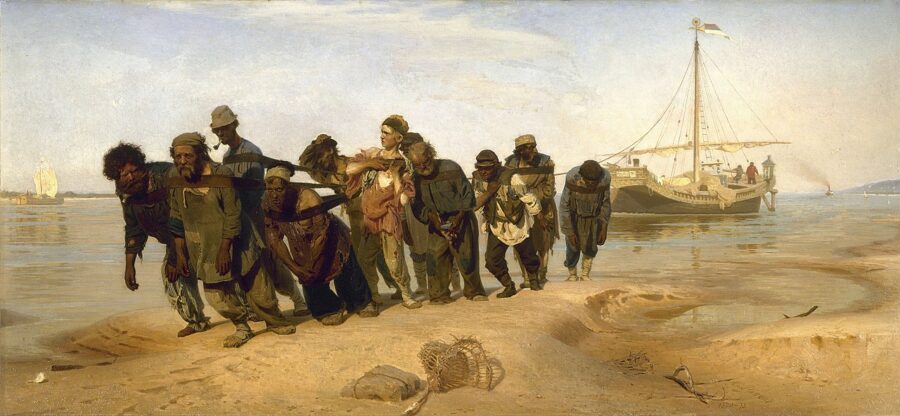
In Russia, Ilya Repin chronicled working-class life with dark realism.
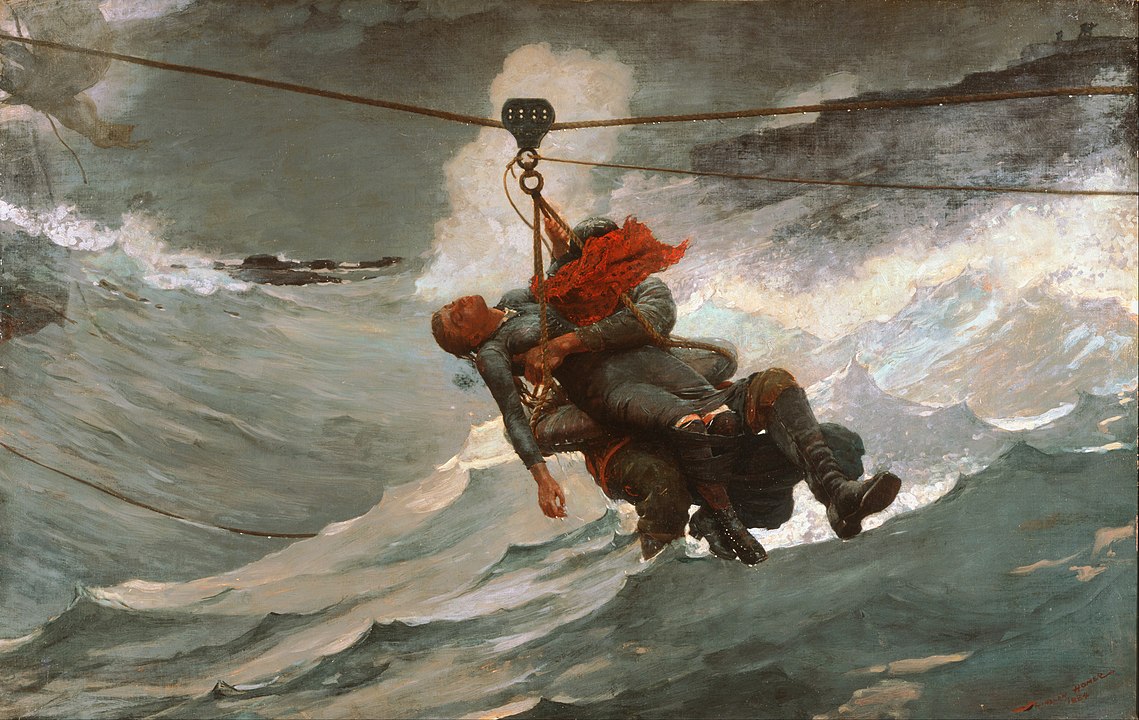
In America, Winslow Homer focused on fishermen, soldiers, and storm-tossed sailors.
Realism in Film
Realism’s focus on observation and natural life carried into cinema. Early silent films like The Crowd (1928, MGM) documented the pace and pressure of urban life.
Italian Neorealism in the 1940s took cues from Realist painting by using real locations, natural lighting, and non-actors. Bicycle Thieves (1948, Ente Nazionale Industrie Cinematografiche) is a clear example: a simple story told without sentimentality. It’s also an excellent study of the frame within frame composition technique.

Later directors like Ken Loach continued this tradition, portraying working-class life in Britain with unfiltered attention to detail. Films like Kes (1969, United Artists) and I, Daniel Blake (2016, eOne Films) focus on everyday struggle without stylization.

They follow characters through systems of poverty, bureaucracy, and labor, using plain visuals and restrained storytelling to reflect real conditions.
What Came After
Realism influenced later movements like Social Realism and Naturalism. In the 20th century, it laid the groundwork for Photorealism and documentary photography.
Some modern artists now mix realist techniques with digital tools, keeping the same core idea: show the world without distortion. In film and visual art alike, Realism remains a way to stay grounded in the present and focused on human experience.
Summing Up
Realism changed the course of art by making the everyday worth seeing. Its artists focused on people as they lived. They showed workers, parents, and strangers on the street instead of idealized figures. The style stripped away drama and told the truth with paint and light. That commitment to reality still defines how artists and filmmakers observe the world today.
Read Next: Curious how art movements shaped film?
Explore our full Visual Art Timeline to see how styles like Surrealism, Cubism, and Suprematism influenced cinema’s most experimental moments.
Or keep browsing our Film Movements & World Cinema section for more on the histories that shaped screen culture around the globe.
