

Published: June 13, 2019 | Last Updated: October 3, 2025

What is Romanticism? Definition & Meaning
Romanticism in art is a cultural movement that began in late 18th-century Europe, emphasizing emotion, imagination, individualism, and the sublime as a rejection of Enlightenment rationalism and industrial progress.
Key Takeaways
- Romanticism appeared in the 1790s as a break from Neoclassicism’s order and restraint.
- Its focus shifted to personal feeling, dramatic storytelling, and nature as spiritual force.
- Core themes included sublime landscapes, supernatural elements, and heroic struggle.
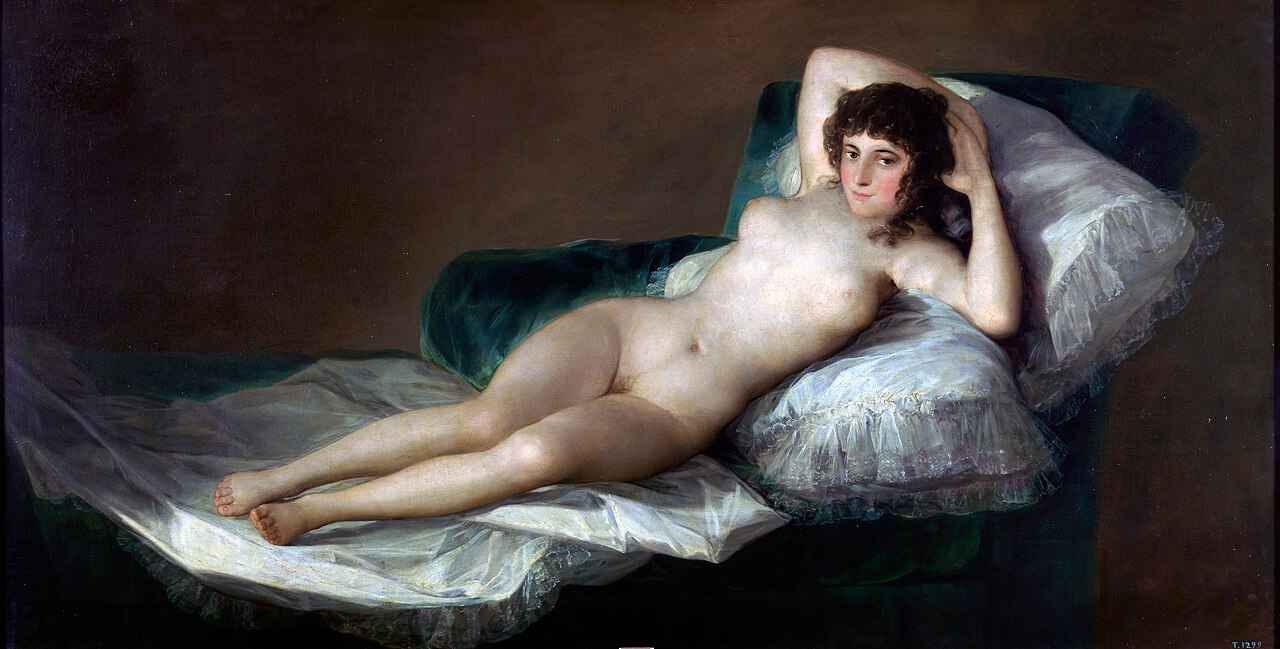
- Major figures include Caspar David Friedrich, Eugène Delacroix, Francisco Goya, and Théodore Géricault.
- The movement also shaped architecture, literature, political thought, and later art movements.

Origins in Literature and Philosophy
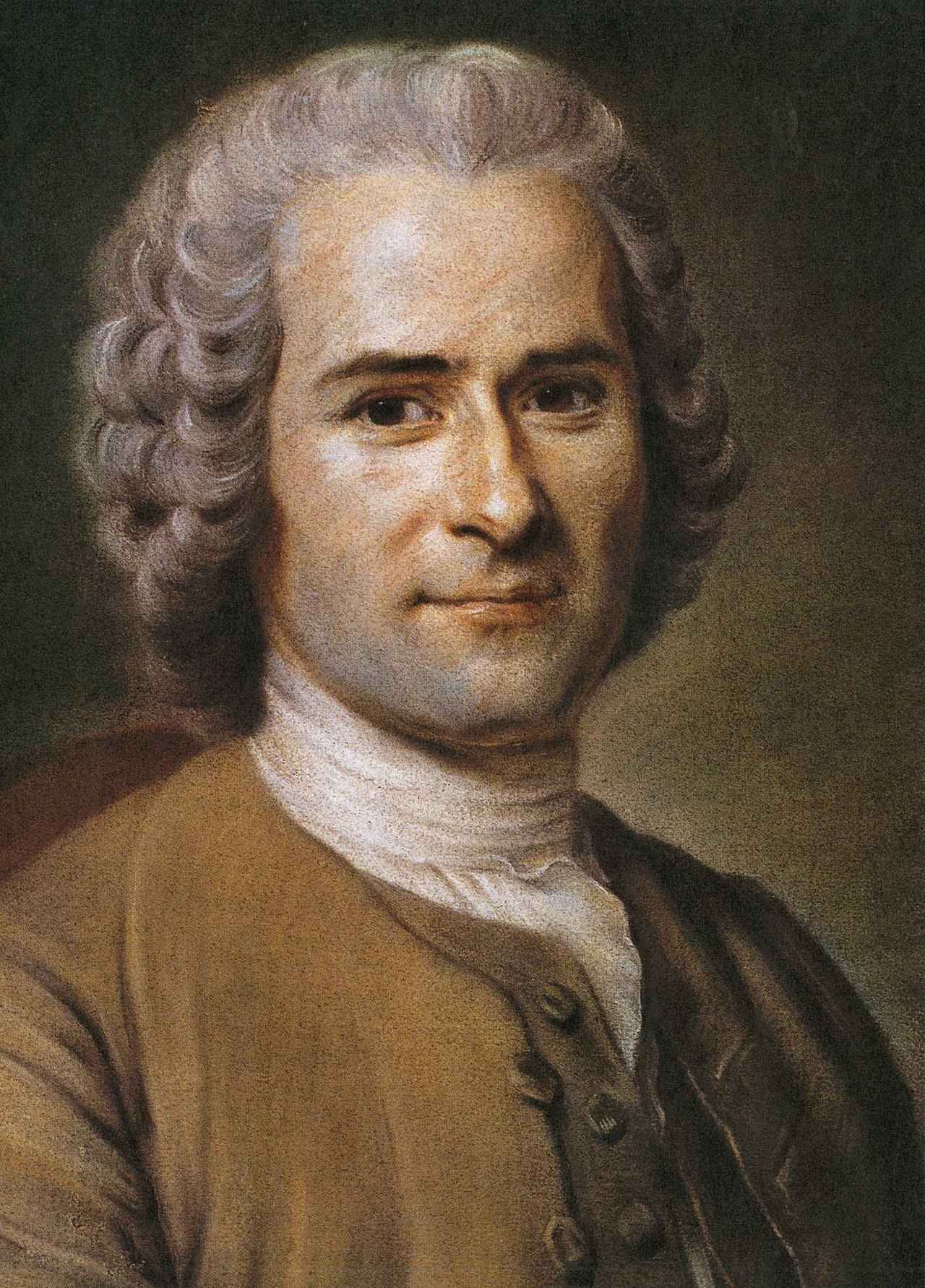
Romanticism began in the late 18th century through writing and philosophy before taking visual form. Jean-Jacques Rousseau’s Émile (1762) introduced ideas about childhood innocence and natural freedom that rejected the Enlightenment’s emphasis on discipline.
In Germany, Johann Wolfgang von Goethe’s The Sorrows of Young Werther (1774) shaped Romantic ideals of emotional suffering, subjectivity, and rebellion against bourgeois expectations. The popularity of Werther led to imitative suicides, and Goethe’s protagonist became a symbol of the sensitive individual alienated by modern life.
These ideas influenced painters as much as poets, shaping a new cultural mood centered on internal experience and spiritual nature.
Nature, Childhood, and Rebellion
Romantics viewed nature not as scenery but as a moral and spiritual force. William Wordsworth’s poems about daffodils, rivers, and clouds reflected this belief. Nature represented harmony and innocence, especially in contrast to growing industrial cities.
The Romantic child was seen as closer to nature, untainted by social corruption. This view extended to the “noble savage,” an idea drawn from Rousseau, where Indigenous people were idealized for living outside of Western civilization.
Themes in Romantic Painting
Romantic painters focused on extreme emotional states, often using myth, landscape, and contemporary tragedy to explore the individual’s place in the world. These themes varied across regions but shared a commitment to feeling over form.
Sublime Landscapes
Romantic painters often placed solitary figures in vast, untamed environments. These scenes reflected awe, insignificance, and transcendence. Mountains, clouds, and oceans symbolized forces beyond human control.
Caspar David Friedrich led this approach, painting spaces that were emotionally and metaphysically charged.

Heroism and Human Struggle
Romantic painters often focused on the extremes of human experience (read: death, resistance, longing) through scale and emotion rather than idealized form.
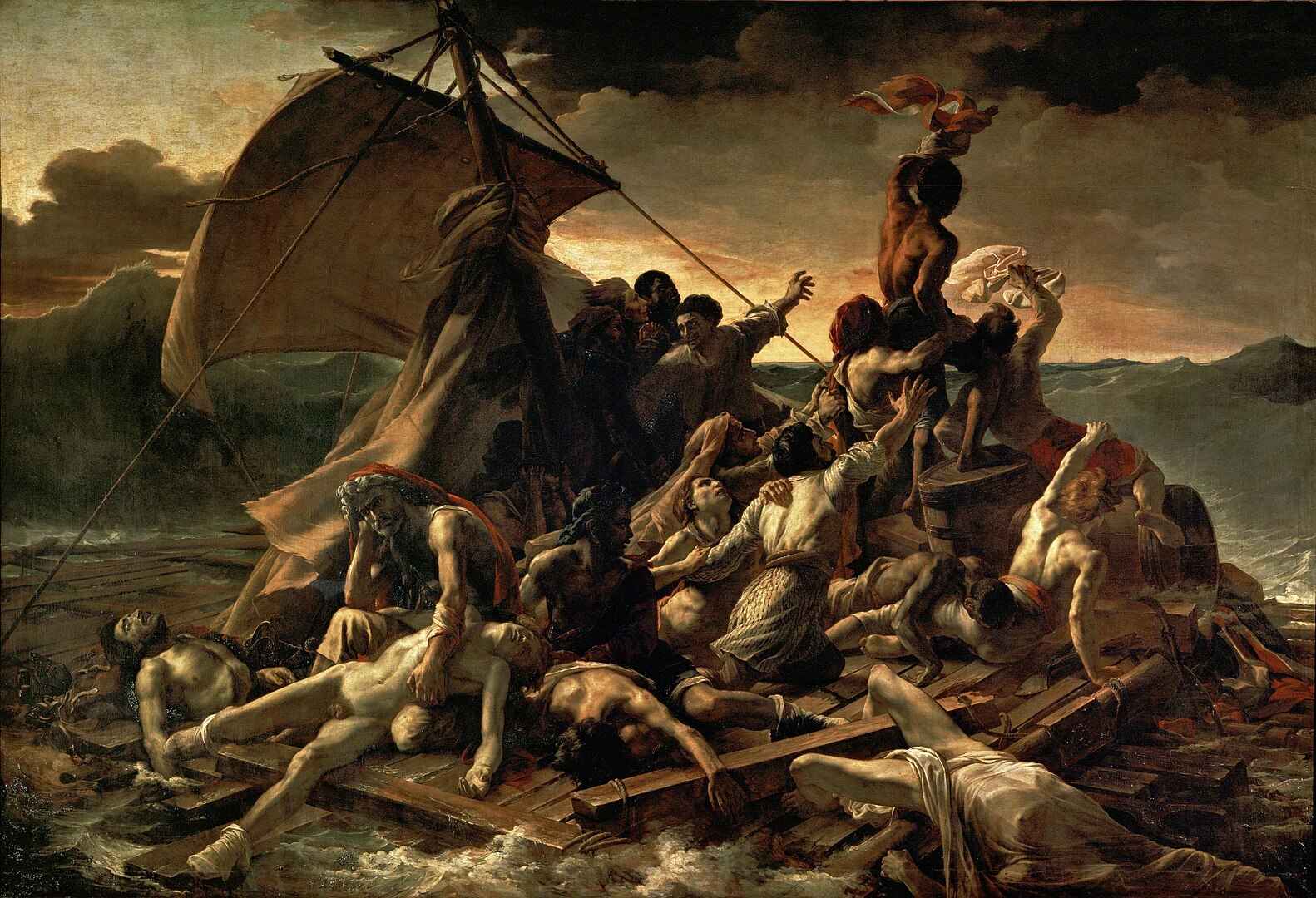
Théodore Géricault’s The Raft of the Medusa (1819) depicts survivors of a real shipwreck adrift at sea. The composition emphasizes instability, movement, and despair.
The Supernatural and the Irrational
Romanticism often explored irrational fears, dreams, and hallucinations. The supernatural appeared as both a subject and a symbol of the limits of Enlightenment thought.
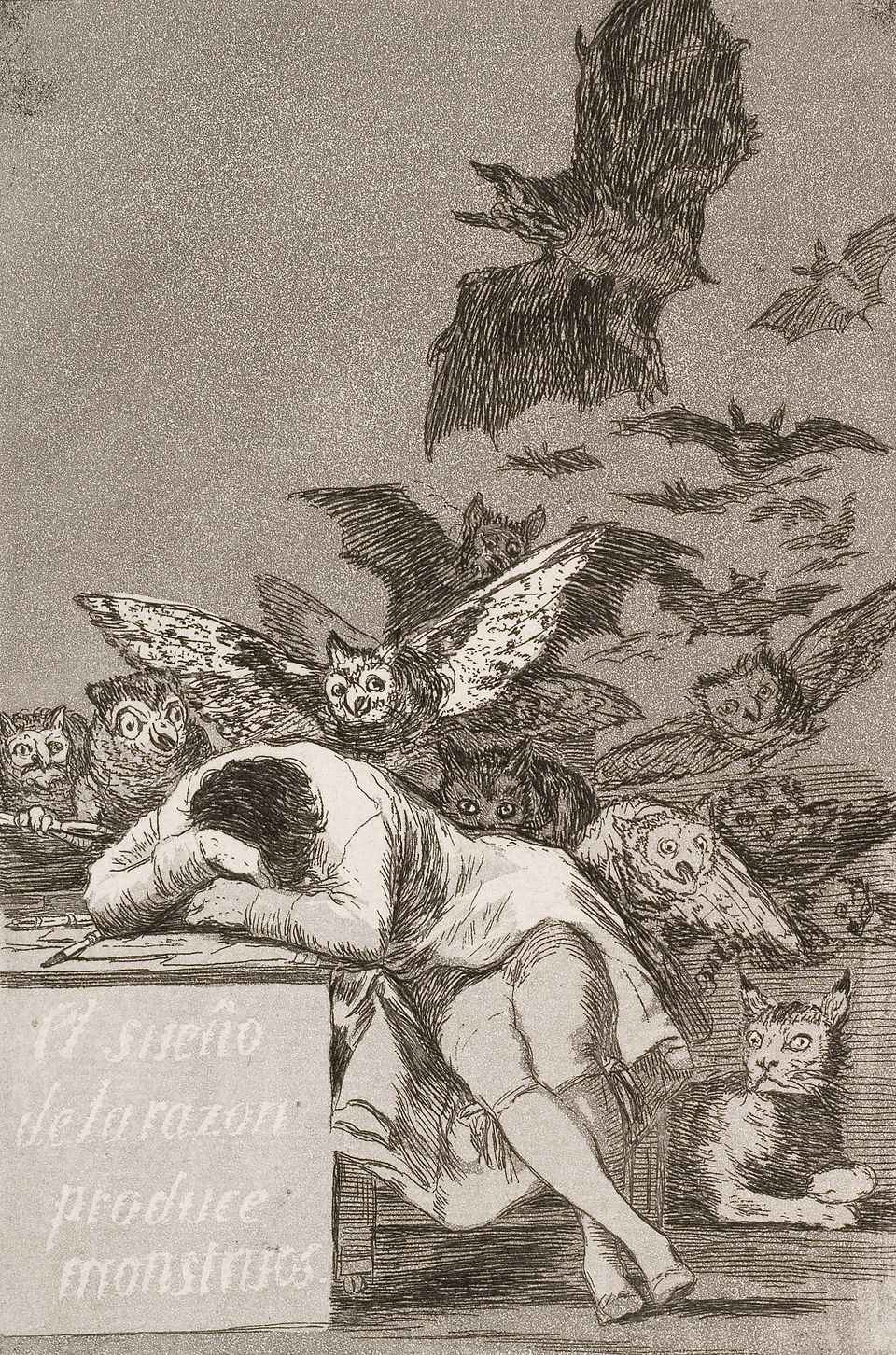
Francisco Goya’s The Sleep of Reason Produces Monsters (1799) reflects this concern with mental instability and the unconscious.
Techniques and Materials
Romantic painters broke from academic tradition by applying paint loosely and visibly. Their brushwork emphasized motion and emotion, with uneven textures and dramatic contrasts.
Chiaroscuro was used not to describe volume but to heighten atmosphere. Colors signified inner states rather than naturalism. These visual strategies supported Romantic goals of emotional truth and subjective vision.
Architecture and Medieval Nostalgia
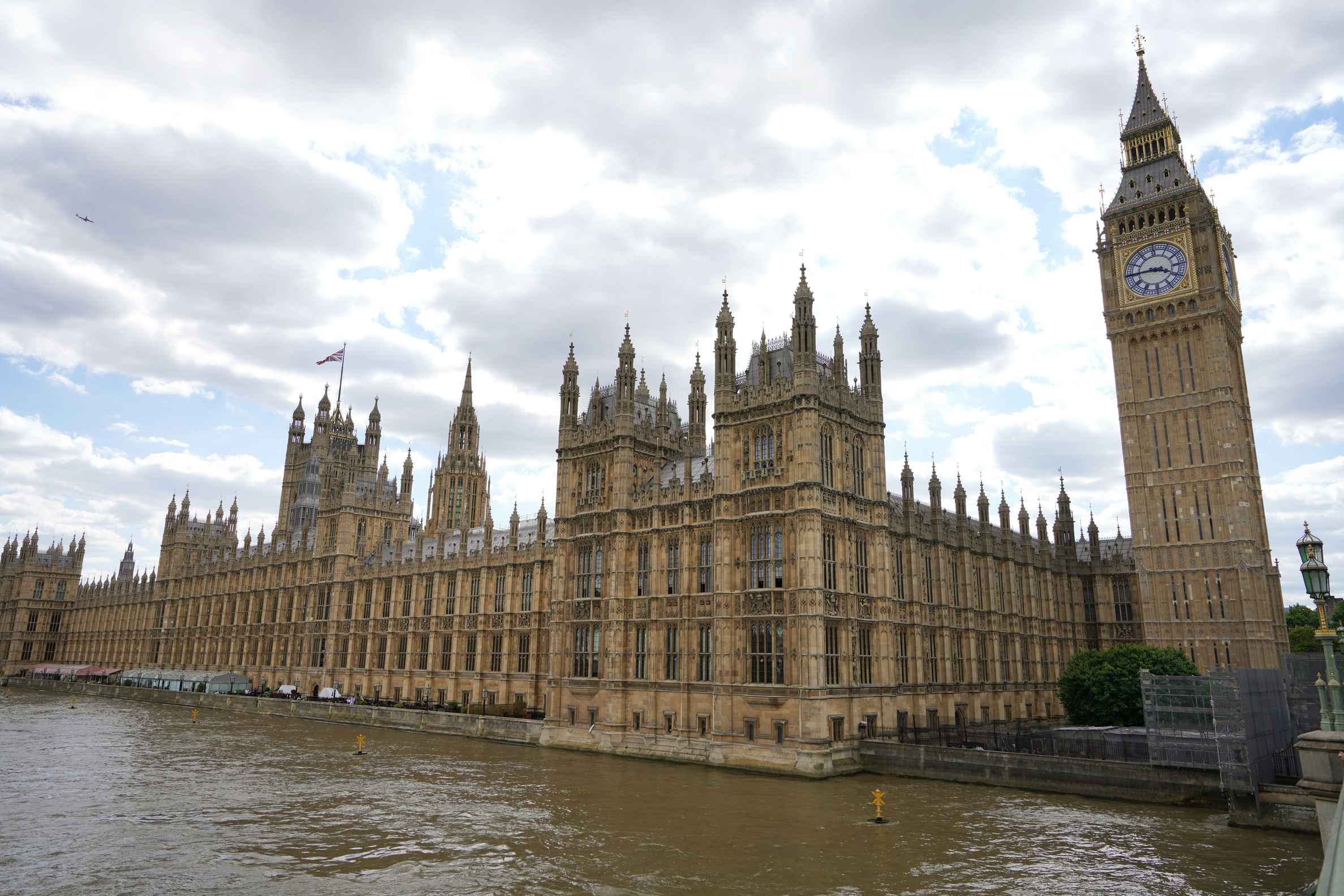
Romanticism reshaped architecture through Gothic Revival. Augustus Pugin’s redesign of the British Houses of Parliament in the 1840s used medieval forms (for example, vaults, angels, and stained glass) to reject industrial modernity. This revival was linked to nationalism and a longing for a pre-industrial moral order.
Architects and theorists viewed the Middle Ages as spiritually purer than the materialistic present. The result was a style that used modern construction to imitate the past, reflecting Romantic contradiction.
Romanticism Beyond Europe

In the United States, Thomas Cole and the Hudson River School painted wilderness scenes that cast nature as sacred space. Their work promoted national identity through sublime geography.
Cole’s paintings of Niagara Falls placed Native Americans in the foreground, underscoring themes of spiritual scale and historical loss.
American Romanticism prioritized vastness and untouched terrain, while European Romanticism leaned into melancholy, myth, and the ruins of civilization.
Legacy in Modern Art and Film
Romanticism shaped later art movements including Symbolism, Expressionism, and Surrealism. Its focus on the inner world and emotional expression continues in contemporary painting and installation.
In cinema, Romantic aesthetics are evident in landscapes, lighting, and the isolation of characters. Films like Aguirre, the Wrath of God (1972, Werner Herzog Filmproduktion) and The New World (2005, New Line) use nature as a site of grandeur and internal reflection.
Aguirre, the Wrath of God (1972, Werner Herzog Filmproduktion)
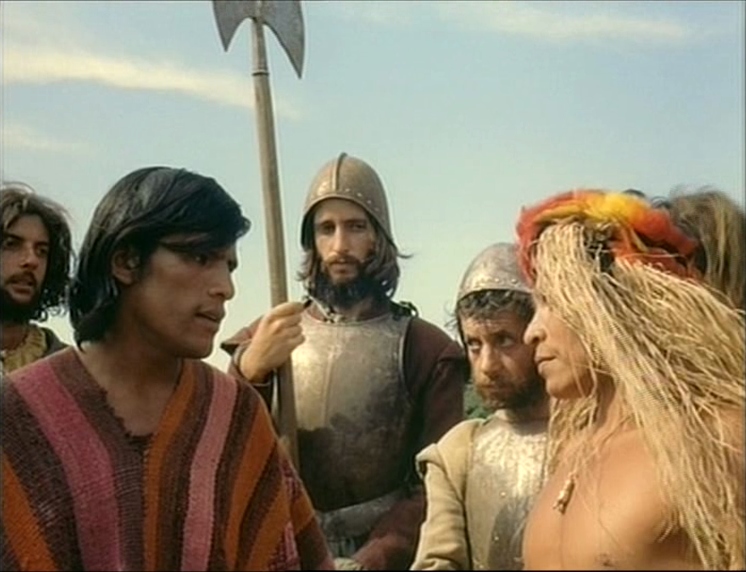
Herzog’s film transforms the Peruvian jungle into a sublime and terrifying wilderness. Nature overwhelms the characters not just physically, but also existentially, reflecting Romantic ideas of the sublime, i.e., beauty intertwined with terror.
The antihero Aguirre’s descent into madness mirrors Romantic portrayals of the solitary hero defying reason and order. The film’s long takes, atmospheric silence, and hallucinatory tone reject narrative clarity in favor of emotional and spiritual chaos.
The New World (2005, New Line)
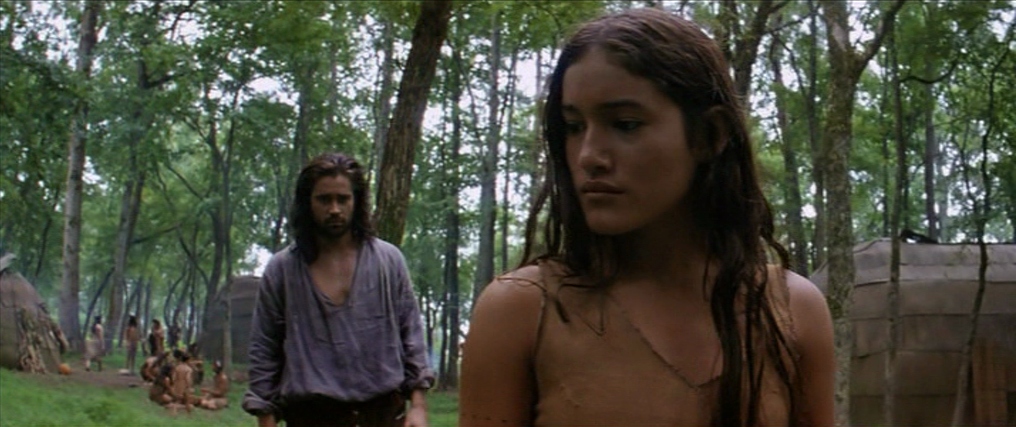
Malick presents the American landscape as a spiritual force. Nature isn’t a backdrop but a central character: vast, unknowable, and deeply symbolic. Through montage editing and poetic voice-overs, the film explores individual feeling, innocence, and loss, especially through Pocahontas.
Romantic themes like the noble savage, communion with nature, and the futility of rational conquest are embedded in both visuals and structure. These inherit Romantic themes of the sublime, the irrational, and the solitary mind confronting fate.
Summing Up
Romanticism in art was a reaction against order, reason, and industrial progress. It favored imagination, emotion, and inner truth. Drawing from literature, philosophy, and mythology, it shifted attention to the personal and the mystical.
Its artists portrayed nature as sacred, emotion as essential, and the individual as a source of revelation. The movement left a permanent mark not only on art but on how modern culture understands identity, freedom, and the creative spirit.
Read Next: Curious how art movements shaped film?
Explore our full Visual Art Timeline to see how styles like Surrealism, Cubism, and Suprematism influenced cinema’s most experimental moments.
Or keep browsing our Film Movements & World Cinema section for more on the histories that shaped screen culture around the globe.
