

Published: October 7, 2025 | Last Updated: July 4, 2026

What is A dead metaphor? Definition & Meaning
A dead metaphor is a figure of speech that was once vivid and imaginative but has become so commonly used that speakers no longer perceive it as metaphorical. Its original imagery has faded, and the phrase now functions as a literal or neutral expression in everyday language.
For example, when we talk about a “deadline,” most people no longer imagine a physical line marking death or danger. The metaphorical image has disappeared, even though the word’s figurative origin still exists historically.
In linguistics and literary theory, dead metaphors are often contrasted with live metaphors, which still activate imagery and emotional response, and moribund metaphors, which are in the process of losing their figurative force.
You likely use dead metaphors every day. When you say someone “kicked the bucket,” you don’t imagine a literal bucket. You mean they died. The metaphorical image is gone. The phrase works like a normal expression.
How and Why Metaphors Die
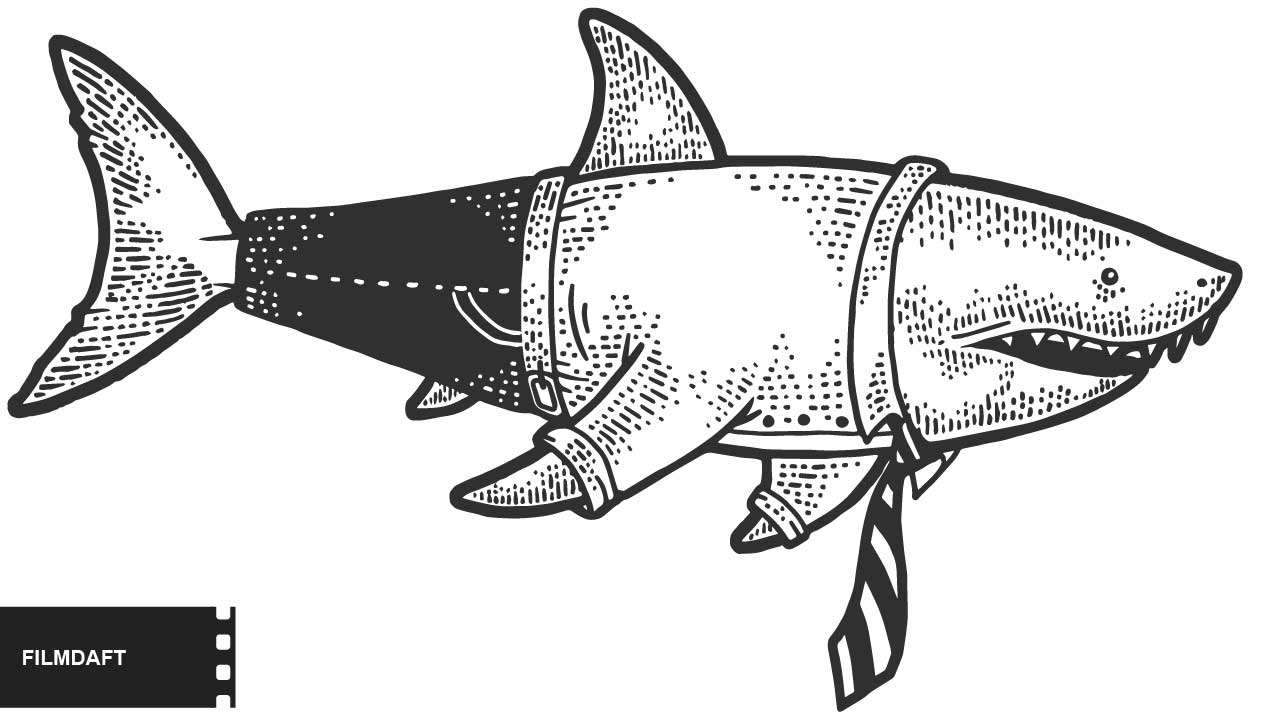
Metaphors fade when they are used so often that people stop noticing the comparison. This is called “literalization” or a “semantic shift.” The metaphor becomes automatic. You understand the meaning, but the original image disappears.
For example, the phrase “foot of the bed” used to be a comparison. Now, it just means the end of the bed. You don’t picture a foot. You treat the phrase like regular language.
Do Dead Metaphors Really “Die”? (Linguistic Debate)
Not all scholars agree that metaphors can fully “die.” Some argue that metaphors never disappear entirely; instead, they become conceptual metaphors embedded in how we think and speak.
Philosopher Max Black suggested that metaphors create meaning through interaction rather than substitution, while cognitive linguists like George Lakoff and Mark Johnson argue that many everyday expressions are grounded in metaphorical thinking, even when we no longer notice it.
From this perspective, a dead metaphor may not be truly dead, but invisible, still shaping thought without triggering conscious imagery.
Live, Moribund, and Dead Metaphors
Some metaphors lie between “alive” and “dead.” These are called moribund metaphors. They still suggest a bit of imagery, but the effect is fading.
A live metaphor is fresh and creative. It makes you think about how two things are connected. A dead metaphor no longer creates that mental link. It just feels like regular language.
How to Spot a Dead Metaphor
You can usually spot a dead metaphor by asking:
- Do I visualize anything when I hear this phrase?
- Would the sentence still make sense if I treated the phrase literally?
- Would most speakers recognize this as metaphorical?
If the answer to all three is “no,” the metaphor is likely dead.
Common Examples of Dead Metaphors
Here are common examples of dead metaphors used in daily life:
Common Examples of Dead Metaphors
Each of these phrases started as a vivid comparison but now works like plain language. The image is gone — the meaning stays.
| Expression | Original Imagery | Modern Meaning |
|---|---|---|
| Deadline | A literal boundary associated with death or punishment | A time limit |
| Foot of the mountain | A body part | The base of a mountain |
| Body of an essay | A human form | The main content |
| Grasp an idea | Physical holding | Understanding |
| Table leg | A limb | Structural support |
In each case, the metaphorical image no longer registers for most speakers. The phrase functions as ordinary, literal language.
Dead Metaphors in Film, Media, and Culture
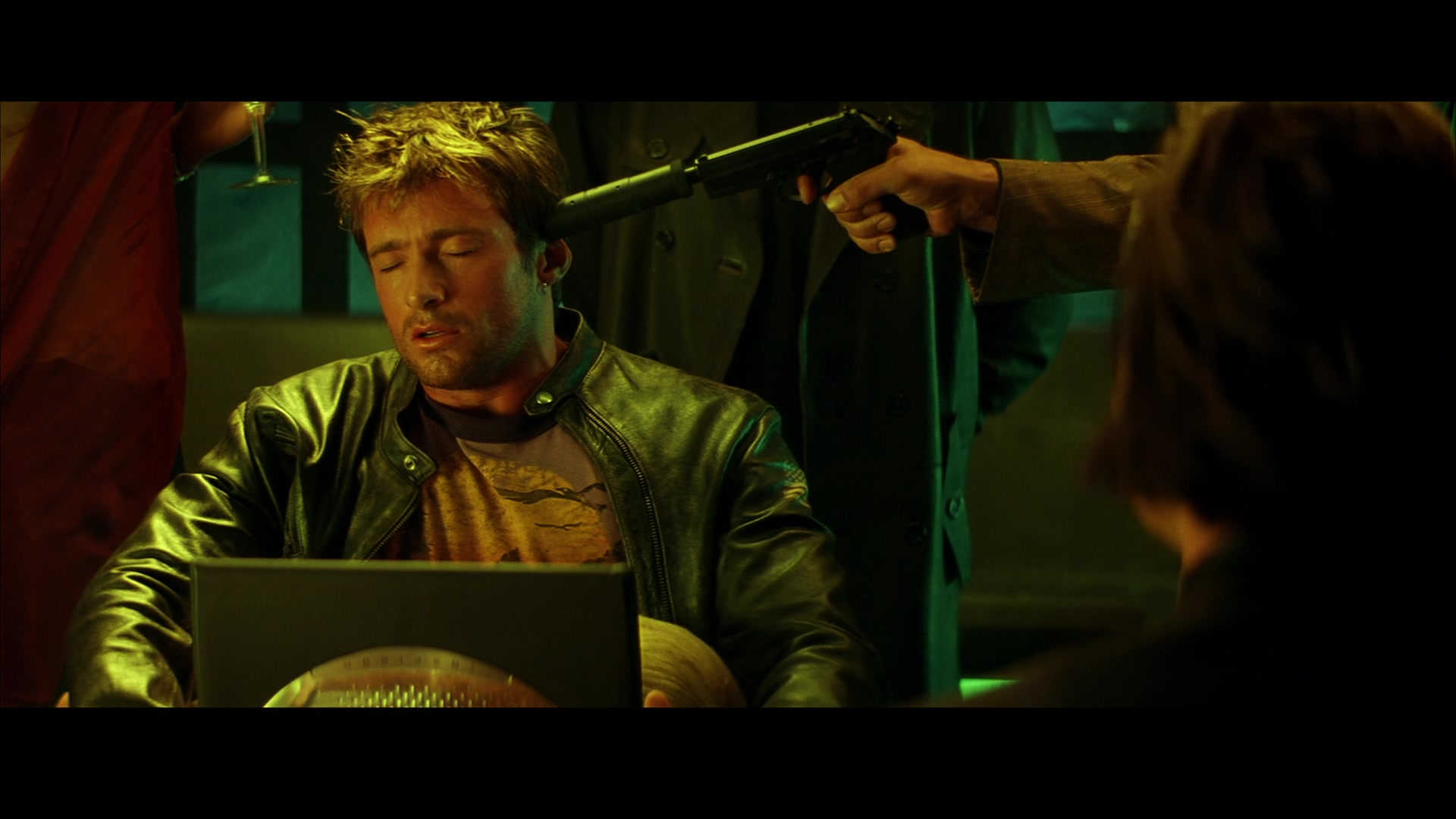
In film dialogue, dead metaphors are often used because they’re clear and familiar. A character might say, “We hit a wall,” meaning they ran into a problem. The phrase works because everyone knows what it means, even if no one imagines a real wall.
But overusing dead metaphors in screenwriting can make your dialogue feel flat. If you want a line to stand out, use fresh, visual language. Instead of “cross that bridge later,” show a character physically pausing at a river crossing. That gives a clear, visual idea tied to the scene.
Dead Metaphors in Film Dialogue
In film and television, dead metaphors are everywhere, especially in exposition-heavy dialogue. Because they feel neutral and invisible, they often pass unnoticed by audiences.
For example, when a character says, “We’re running out of time,” the metaphor of time as a moving object is completely dormant. The line communicates urgency efficiently but without imagery.
Screenwriters often rely on dead metaphors for clarity, while fresh metaphors are reserved for moments of heightened emotion, character voice, or thematic emphasis. Knowing the difference allows writers to control tone rather than default to habitual language.
Is a dead metaphor bad writing?
Not necessarily. Dead metaphors are often useful for clarity and efficiency. Problems arise only when writers mistake them for vivid or original language.
Can dead metaphors come back to life?
Occasionally, yes, especially in poetry or film, where context can reactivate dormant imagery.
Summing Up
Dead metaphors are expressions that started as vivid comparisons but have lost their imagery through repeated use. They are useful for clarity and speed, but they don’t carry strong visuals. If you’re writing for film or fiction, knowing when to use or avoid them can help you create sharper, more engaging scenes.
Dead Metaphor FAQ
What is a dead metaphor?
A metaphor used so often that its original image is no longer felt — like “the hands of a clock” or “falling in love.” We understand the meaning without picturing the comparison.
What are examples of dead metaphors?
“Bed of roses,” “the hands of a clock,” “the foot of the hill,” “falling in love,” and “running out of time.”
What is the difference between a dead metaphor and a cliché?
A cliché is an overused expression that still evokes its image, just tiredly; a dead metaphor has lost its imagery entirely and works like a plain phrase.
Are dead metaphors bad writing?
Not inherently — they are a normal part of everyday language. They only become a problem when you want fresh, vivid imagery and reach for a worn-out phrase instead.
Can a dead metaphor come back to life?
Yes. A writer can “revive” one by drawing attention to its literal image again, which can create surprise or humour.
Read Next: Want to dig deeper into screenwriting?
Start with the Screenwriter’s Toolkit on literary devices vs. elements – a deep resource covering every major literary device and element used in writing.
Then explore our collection of practical writing techniques covering dialogue, structure, and pacing.
Or jump into the free screenwriting course to start your first draft today.
You can also head back to the Screenwriting section for more tools, theory, and breakdowns.
Sources & Further Reading
If you’re interested in reading more about dead metaphors, the works below are a good place to start. They explore how metaphors function in language, thought, and communication, both when they feel alive and when they fade into everyday speech.
- Lakoff, George & Johnson, Mark. Metaphors We Live By
- Black, Max. “Metaphor” (Proceedings of the Aristotelian Society)
- Richards, I.A. The Philosophy of Rhetoric
