

Published: August 27, 2025 | Last Updated: December 18, 2025

What is A prop maker? Definition & job description
A prop maker is a craftsperson who builds the physical objects actors handle and interact with on screen. These objects range from replica weapons and telephones to intricate jewelry, letters, or futuristic gadgets. You turn script ideas into real items that match the story’s era and style.
What Does a Prop Maker Do?
You start with the screenplay. You identify every object an actor will use and discuss those needs with the art department.
Next, you sketch and plan each prop, decide on size and materials, and research historical details to ensure everything looks authentic. For example, if the film is set in the 1920s, you look up period teacups and patterns before building one.
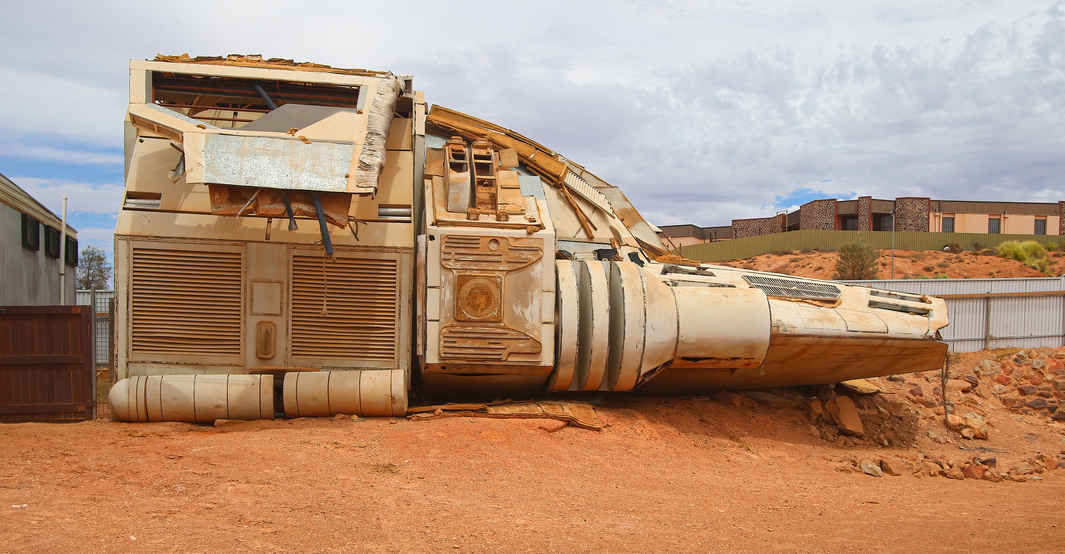
Once the plan is approved, you build the prop with woodworking, metalwork, sewing, sculpting, or casting techniques. For example, you may hide lightweight foam inside a prop to make a heavy statue easy for an actor to lift.
During filming, you fix or modify props between takes. You also manage the small budget for materials and handle storage or disposal once shooting ends.
On large productions, you work as part of a team that includes production designers, set builders, and costume staff. On smaller shows, you might also build parts of the set or help with costumes.
Whatever the scale, you coordinate with the prop master and set decorators to make sure every item is ready on time.
What Kinds of Props Do You Build?
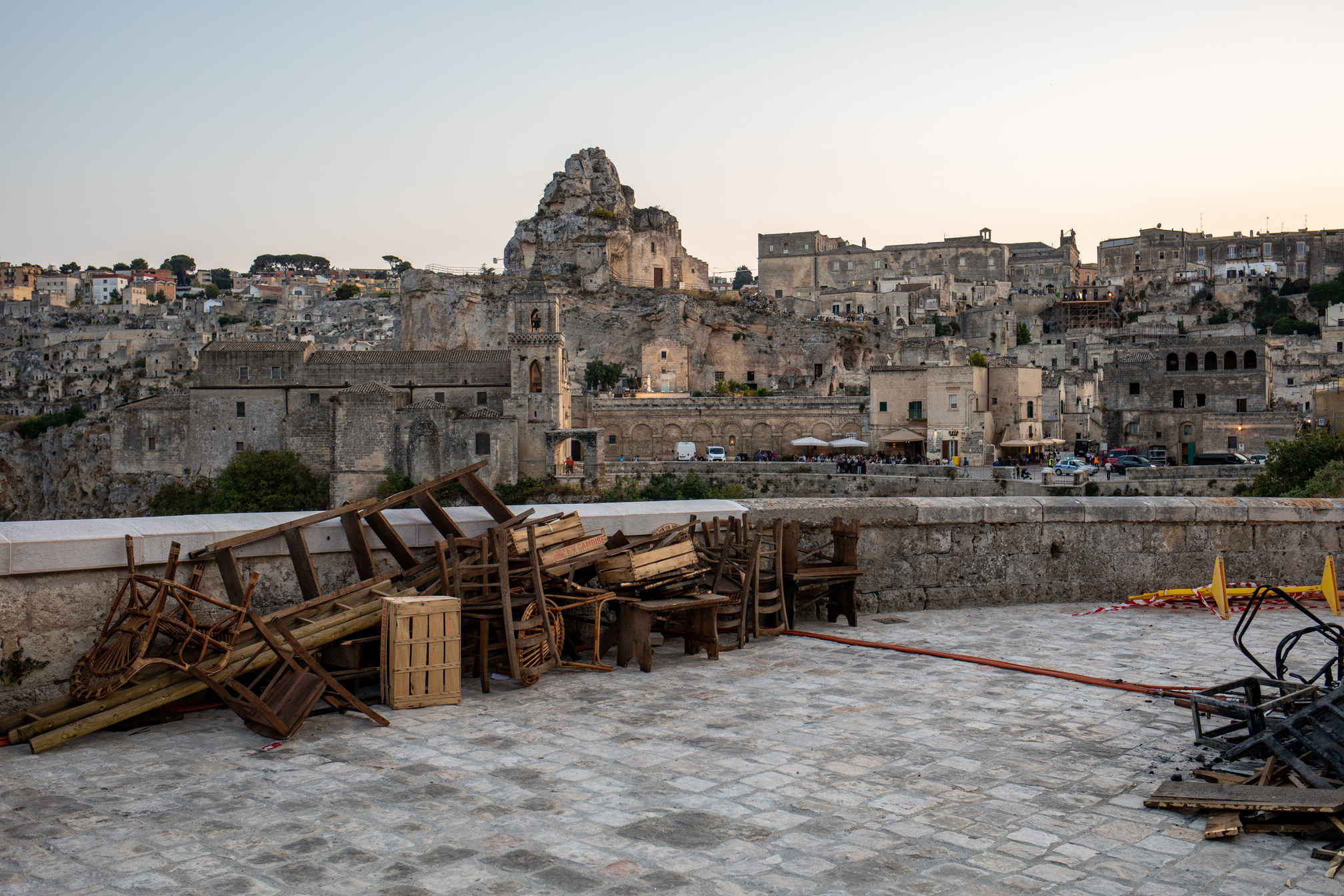
Props can be anything an actor touches or interacts with. As a prop maker, you build objects that feel real in the world of the film, no matter how strange, broken, or futuristic they need to be.
- Everyday objects like books, cups, phones, or letters
- Period items that reflect a specific time and culture, for example, in period pieces.
- Replicas of weapons or tools made from safe materials
- Stunt versions of objects designed to break on cue
- Moving or mechanical props, such as animatronic creatures or gadgets
Props often need duplicates. For example, if a character smashes a guitar in a scene, you build several breakable guitars so each take looks the same. Some props are purchased or hired when it’s more cost-effective or practical.
Skills, Tools, and Materials
Prop making demands a mix of practical and creative skills. You need:
- Fabrication skills: Carpentry, sculpting, sewing, casting, welding and machine use. You might carve foam into a statue or weld metal parts for a mechanical prop.
- Finishing skills: Painting, airbrushing and distressing to match colours and age.
- Digital skills: 3D modelling and computer‑aided design for prototyping complex shapes.
- Design and research: Knowledge of art and construction, attention to detail, and the ability to research historical or cultural references.
- Problem solving and teamwork: You must communicate well, solve practical problems, manage time and budgets, and work calmly under pressure.
- Financial planning: Tracking material costs and balancing quality with cost.
You work with materials such as wood, metal, latex, fibreglass, foam, resin, and textiles. Many shops also use non-toxic adhesives and fire-retardant coatings for added safety.
On some productions, you may need a specialist licence to handle certain props or to transport them. Because adhesives and paints can give off fumes, you often wear protective gear and use ventilation. Some jobs require a driving licence to move props between locations.
Working Conditions and Salary
Most prop makers work in workshops or studios. The environment can be dusty and cramped, and you handle chemicals like adhesives.
Typical weekly hours range from 42 to 44 but often include nights or weekends when deadlines are tight. Many prop makers are freelance or self‑employed, so your schedule and income can vary.
Prop Maker Salary
At the time of writing, the average prop maker in the United States earns approximately $53,820 per year, with entry-level pay at around $40,023 and experienced makers earning about $65,319.
Craft artists working in the motion picture and video industries earn an average of approximately $56,600, while assistants typically earn closer to $20,000.
Union membership with groups like IATSE helps guarantee minimum wages on union productions. Many prop makers charge hourly or day rates when working freelance. Pay varies by location, the size of the production, and your skill set. Job growth is modest, but salaries are expected to rise over the next five years.
How to Become a Prop Maker

You don’t need a specific degree to become a prop maker, but formal training helps. Universities and colleges offer courses in prop making, scenic arts, production arts, or art and design. What matters most is your ability to build props quickly, safely, and creatively. A strong portfolio is often more important than a degree.
Entry requirements often include a foundation diploma in art and design, as well as a handful of A levels or equivalent qualifications.
College courses in creative crafts, 3D design, technical theatre, or carpentry also build useful skills. Some choose apprenticeships such as Props Technician Level 3 or Model Maker Level 6, which combine hands-on experience with structured learning.
Most prop makers start by working as assistants, stage technicians, or art department trainees. Many volunteer on student films or community theatre to gain experience.
Steps to Get Started
If you want to break into prop making, focus on building skills and proving you can deliver. Most people get started by combining training, self-directed projects, and hands-on experience.
- Take courses or workshops in model making, scenic art, or fabrication
- Build a portfolio with photos of your best prop work
- Get on‑the‑job experience as a props assistant or trainee
- Volunteer on student films, theatre shows, or events
- Network with production designers and prop masters
- Join a union or crew database to access bigger jobs
Working Your Way Up
With experience, you can move into leadership roles like prop master or production designer. Some prop makers go into set design, creature creation, or special effects.
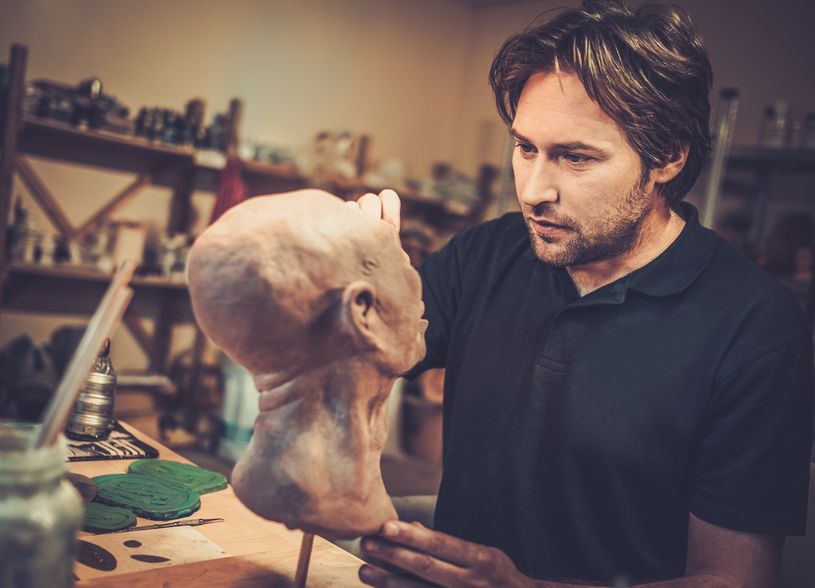
Every production brings new creative problems to solve, and keeping your skills fresh helps you stay competitive as the industry changes.
Difference Between a Prop Maker and a Prop Master
The prop master manages all the props on set, from budgeting and sourcing to actor coordination.
The prop maker builds the objects behind the scenes. You may rarely be on set, but your work is what the actor uses in the frame.
You work closely with the prop master to meet each prop’s design and safety needs.
Summing Up
Prop makers design and build the objects actors use on screen, blending artistry with hands‑on construction. You break down scripts, research historical details, choose materials, build prototypes, and finish each item to look real on camera.
Your skills span carpentry, sculpting, painting, digital modeling, and budgeting. You work long hours in workshops and on set, often freelance, and your pay depends on experience and union agreements.
To become a prop maker, study fabrication skills, build a strong portfolio, and get hands‑on experience as a trainee or assistant. If you enjoy creating practical items that help tell a story, this path offers a varied and rewarding career behind the camera.
Read Next: How do you design the look of a film?
Visit our Production Design section to learn how sets, props, and color palettes support story, character, and tone from the start.
Want the full picture? Explore the Pre-Production archive for everything that happens before cameras roll—from visual planning to script breakdowns.
