Published: September 21, 2020 | Last Updated: October 22, 2025

What are Lower thirds ? Definition & Meaning
Lower thirds are the graphical overlays used in the bottom third of a television screen and film to show critical information related to the footage. This can be the name of a news anchorperson, an interviewee, breaking news, and more. Lower thirds are often placed so they follow the rule of thirds, but not always. Lower thirds usually have a single, double, or triple information line.
To use lower thirds in your film projects, you can:
- take advantage of the preset lower thirds options available in your native editing software
- create them yourself using a graphic design or visual effects editing program or
- download new templates for your editing software, e.g., from one of the sources we share in this article.
To understand lower thirds, you first must understand the rule of thirds.
Rule of thirds in a nutshell
The rule of thirds is a compositional technique used in photography, videography, and even some visual arts. It divides an image into nine spaces (3×3) by two horizontal and two vertical lines.
The rule of thirds states that the crucial parts of the composition should be placed along the lines of those thirds or at the points where the thirds’ lines intersect.

As a photographer or videographer framing your shot, you often try to frame the subject along the lines, or intersecting points, of these grids.
Now, when we refer to the lower third of the frame, we are talking about the entire bottom row of this grid, where the term “lower thirds” originated.
Lower thirds in action
The media’s format dictates what the lower third looks like. When someone in the industry refers to the lower thirds, they usually talk about any graphical overlay of text in the lower third region of the screen. Simple enough, right?
The only complicated part is that nowadays, lower thirds (as in the graphical overlays) don’t necessarily have to be in the “lower third” row.
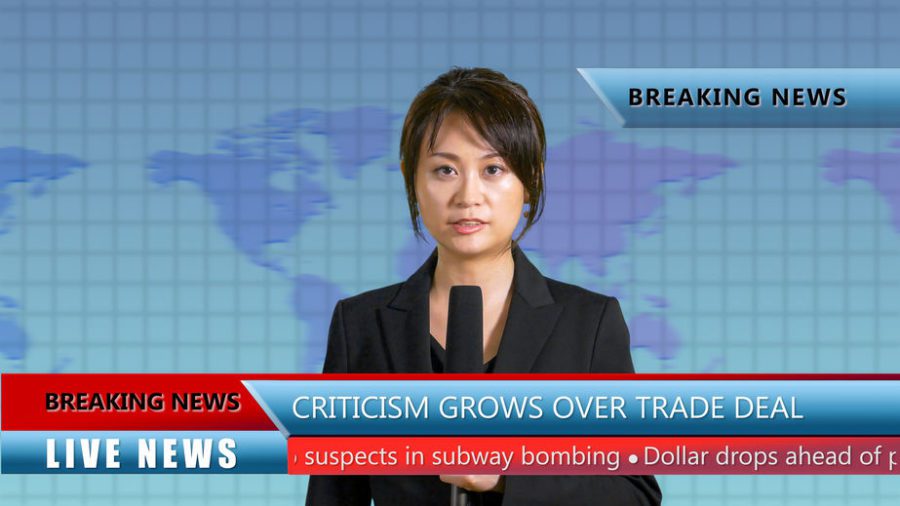
There are a few common ways to use lower thirds in your editing. As such, lower thirds typically come in one of a few different styles.
You have the single-line style, which usually shows a person’s name, setting, or particular news story.
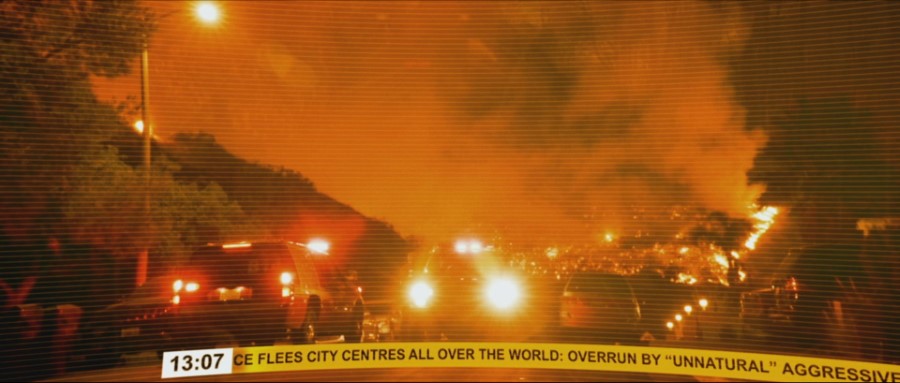
Then, you have the double-line style, which refers to a person’s name, followed by their title or relevance to the story.
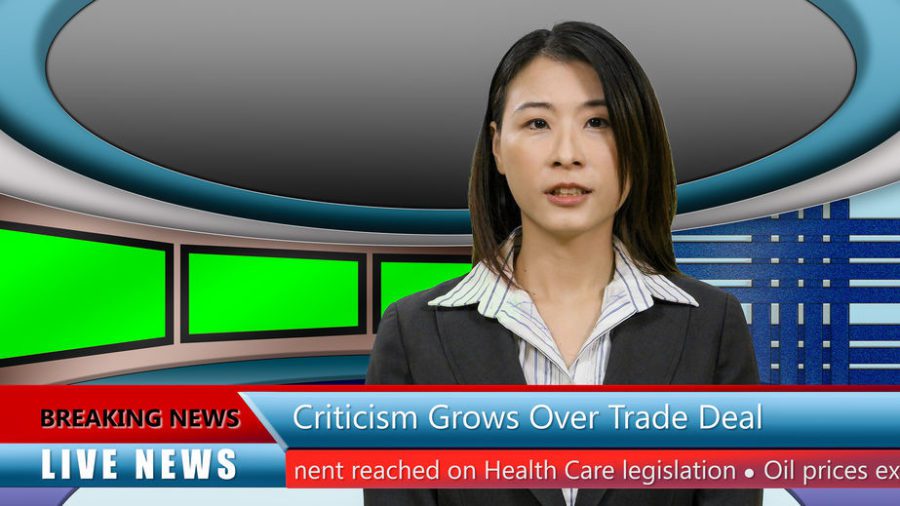
Finally, there is the triple-line style, which adds additional supplemental info to the story.
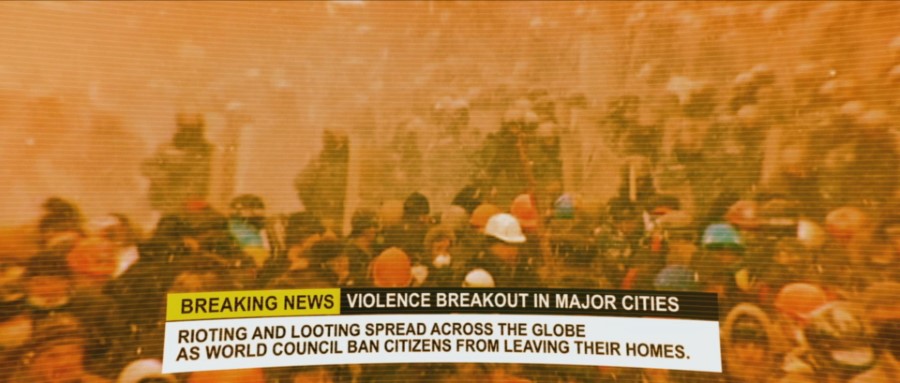
Triple-line lower thirds show things like the time the clip is from, where a particular event is taking place, or other descriptive information relevant to understanding the clip.
Here are a few examples showing how you can use those three different lower third styles depending on the type of media you are creating.
If you’re interested in making your own lower thirds (and other motion graphics), here are two articles for you:
Lower thirds as news bylines
One of the most familiar types of lower thirds is the lower thirds used in most modern TV news reporting. I refer to this as the “cable news headline byline.”
Here’s another example where the lower third shows the speaker’s name and title (around the 0:57 time mark):
This would technically qualify as a double-line lower third, except instead of having two vertical lines on top of each other, it has two horizontal “lines” next to each other.
Here’s an example of a lower third with a subhead attached to it. A subhead is an additional line of text that appears below the main heading or title. In this Fox News piece, the subhead indicates a particular coverage area—in this case, the upcoming election.
Lower thirds as title cards
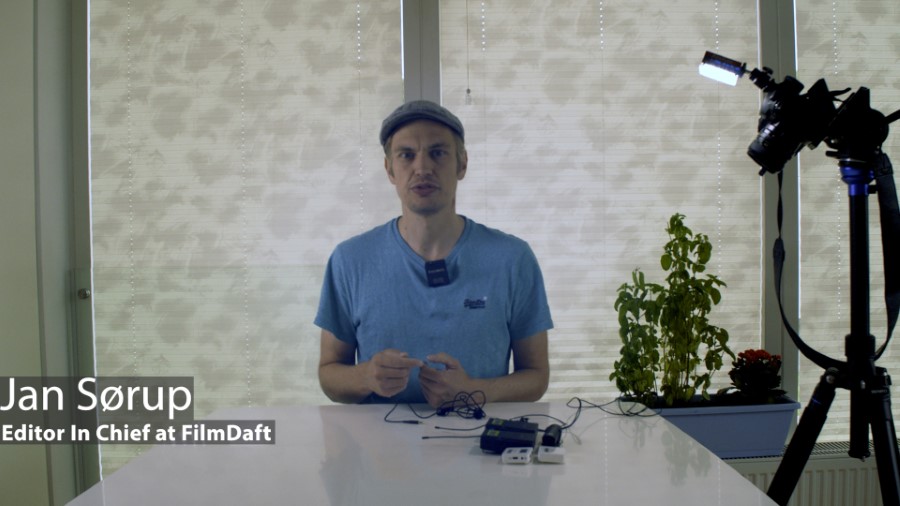
Documentaries or advertisements frequently use lower thirds as title cards. These title cards introduce a place or period or the name and title of the person speaking.
These title cards are often used in infomercials, commercials, crowdfunding campaigns, and reality TV “talking head” interviews.
Lower thirds as catch-all info-dumps
When it comes to broadcast news or the home shopping network, all kinds of information are thrown into the lower thirds nowadays. Think about everything you see in this overlay:
Everything could be from stock quotes (like above), new sports scores, weather forecasts for the week, or even other news headlines all scrolling by and jammed into the lower thirds of any given news report.
In the above example, there’s even the time of day and a promo for the network’s upcoming Olympics coverage!
Summing Up
Lower-thirds are graphic overlays positioned in the lower part of a video screen. They typically provide relevant information such as names, titles, or additional context about the subject being shown.
Lower thirds are common in news broadcasts, interviews, and documentaries. They enhance our comprehension of what’s on the screen by delivering essential details without interrupting the visual content.
You can either buy lower-thirds templates online or make them yourself.
Read Next: Where to find Lower Thirds online.