

Published: September 18, 2025 | Last Updated: November 13, 2025

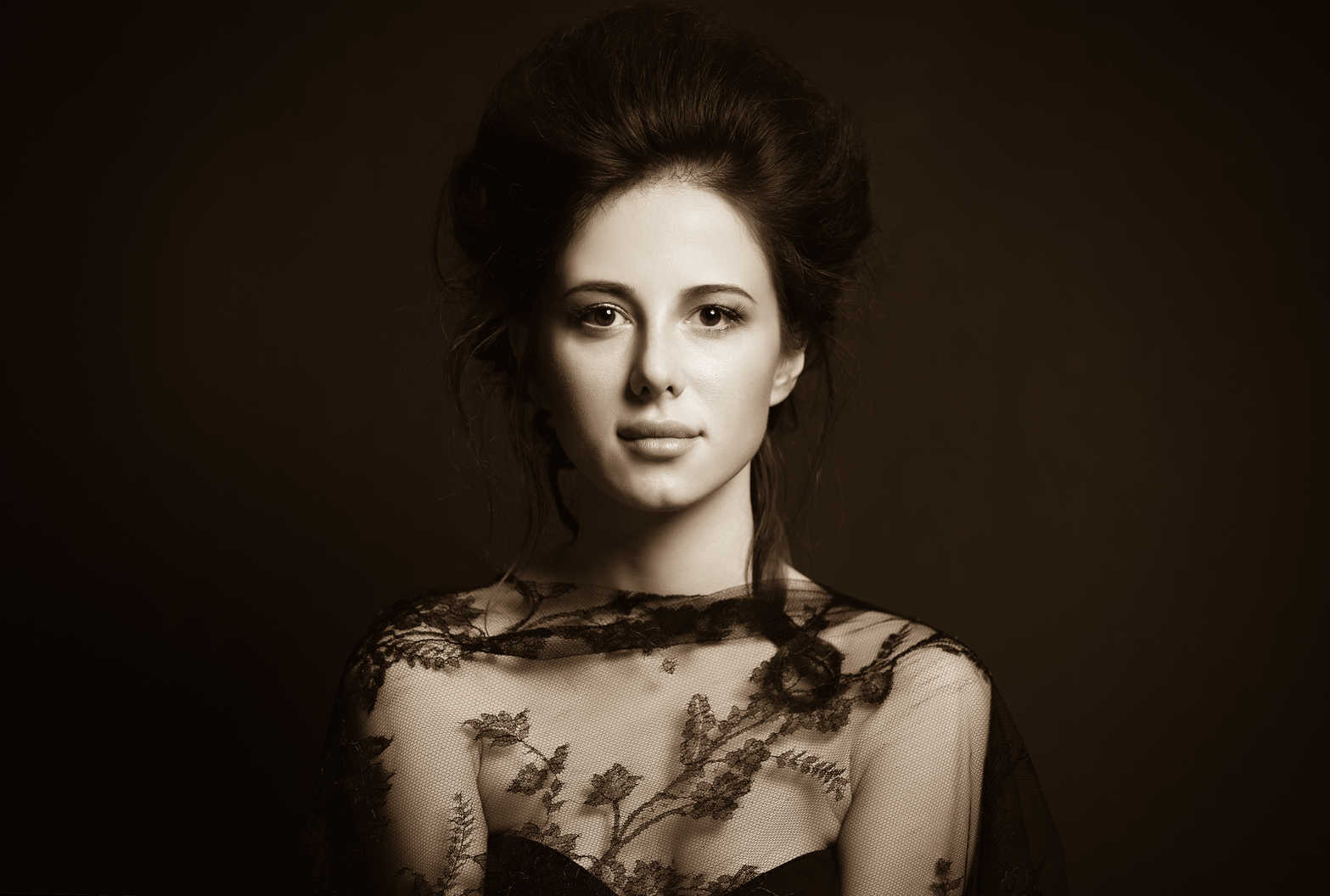
Portrait lighting is the technique of placing and shaping lights to control shadows and highlights on a person’s face. You use portrait lighting to model cheekbones, jawlines, and expressions. Each setup requires a specific placement of the key light, reflectors, and sometimes additional lights to control contrast.
In this guide, you will learn how to build common patterns step by step, always with an example.
Classic Portrait Lighting Patterns and Techniques
These setups are used in studio portraits and on-location shoots. Each is named for its shadow shape, lighting angle, or the way the face is revealed. They’re a foundation you can build on.
Split Lighting Setup for Dramatic Portraits
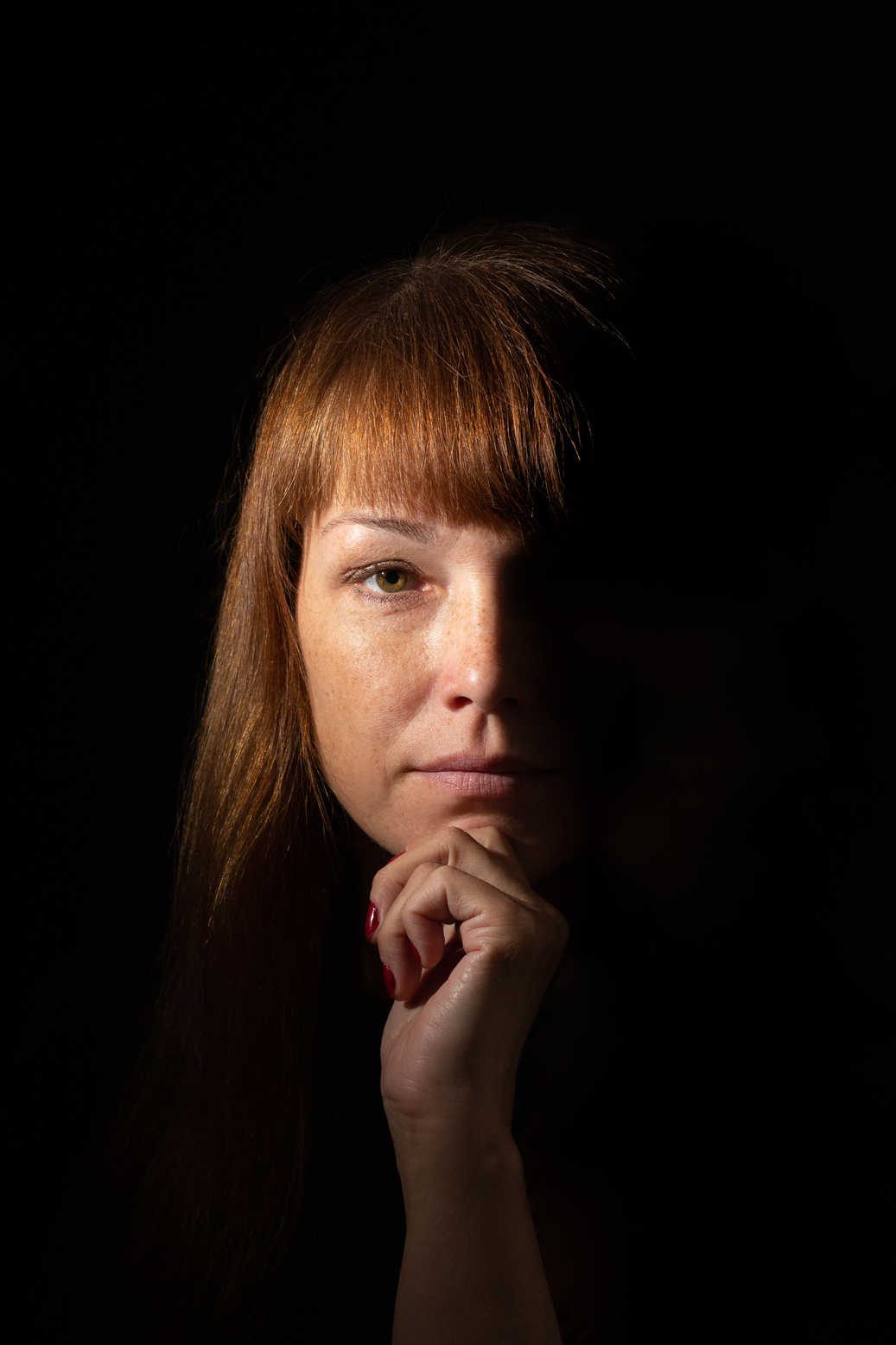
Split lighting divides the face into light and shadow, creating a bold look with high contrast. It’s useful when you want a strong mood or defined structure in the portrait.
Side/Split Lighting Setup Diagram
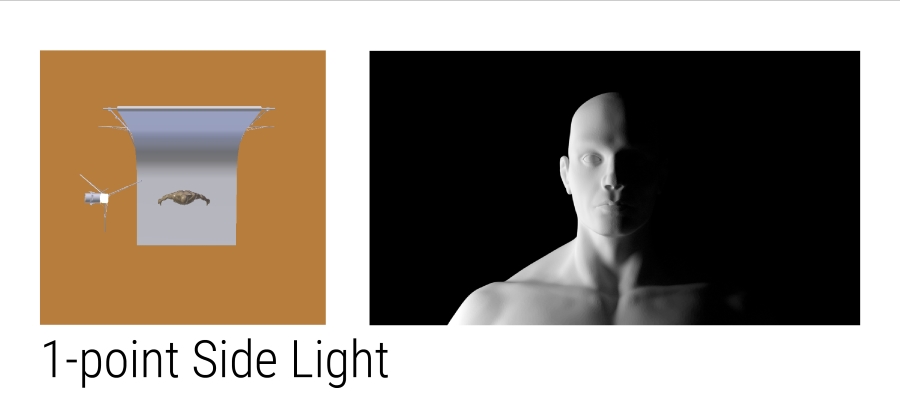
- Place your light 90° to the left or right of the subject, at eye level.
- The light should only hit one side of the face. The other side remains in shadow.
- Ensure at least one catchlight appears in the eyes. This brings life to the portrait.
- Use a reflector on the dark side to slightly lift the shadows if needed.
Loop Lighting Technique for Natural Portraits
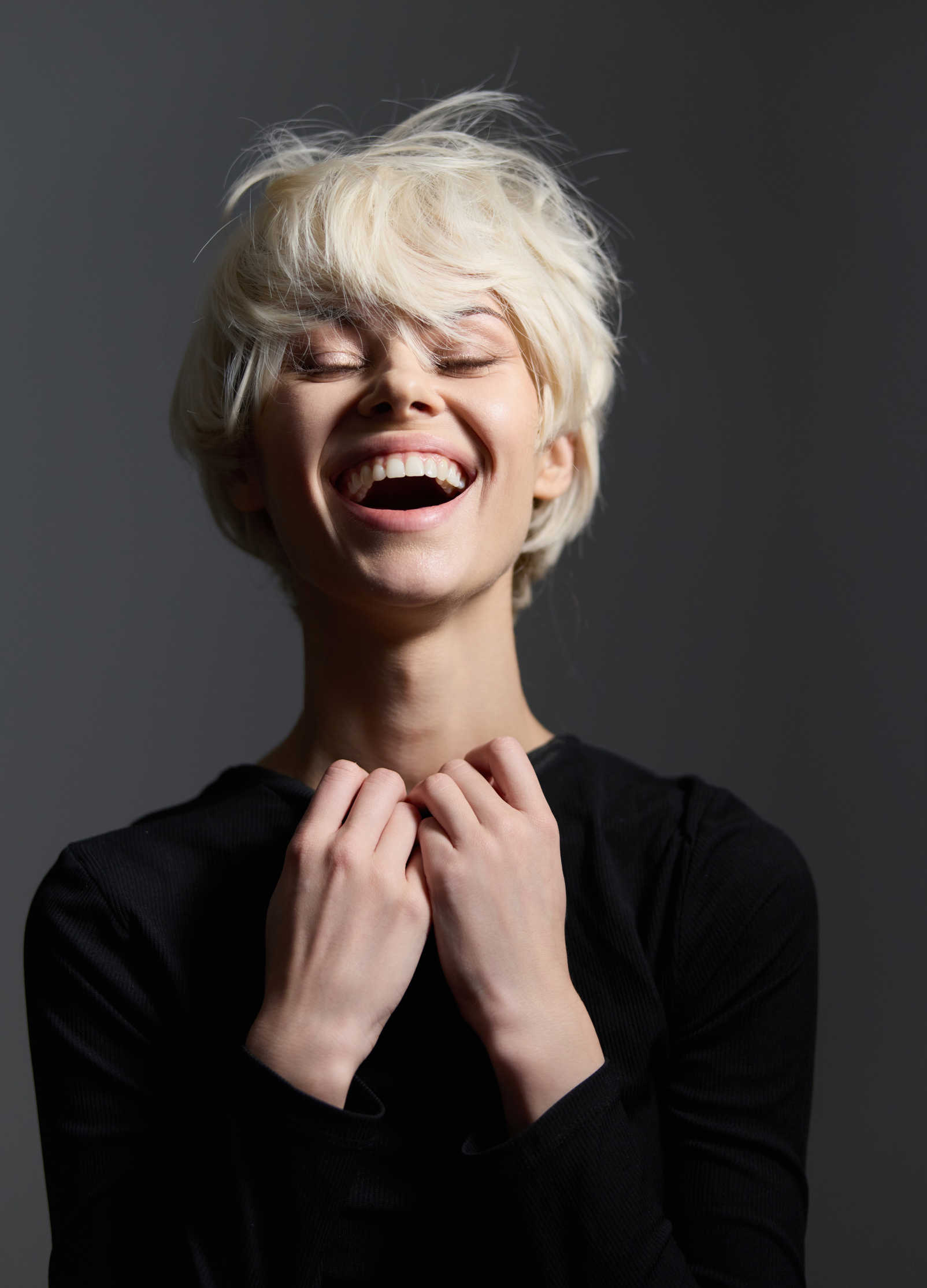
Loop lighting is one of the most common and versatile portrait setups. It creates a soft shadow under the nose and cheek, adding dimension while keeping a natural feel.
Loop Lighting Setup Diagram

- Place your light slightly above eye level, 30–45° off center from the camera.
- The nose shadow should point down at a soft angle and not touch the cheek shadow.
- If the shadow is too long, move the light closer to the camera or lower it slightly.
Rembrandt Lighting Setup for Moody Portraits
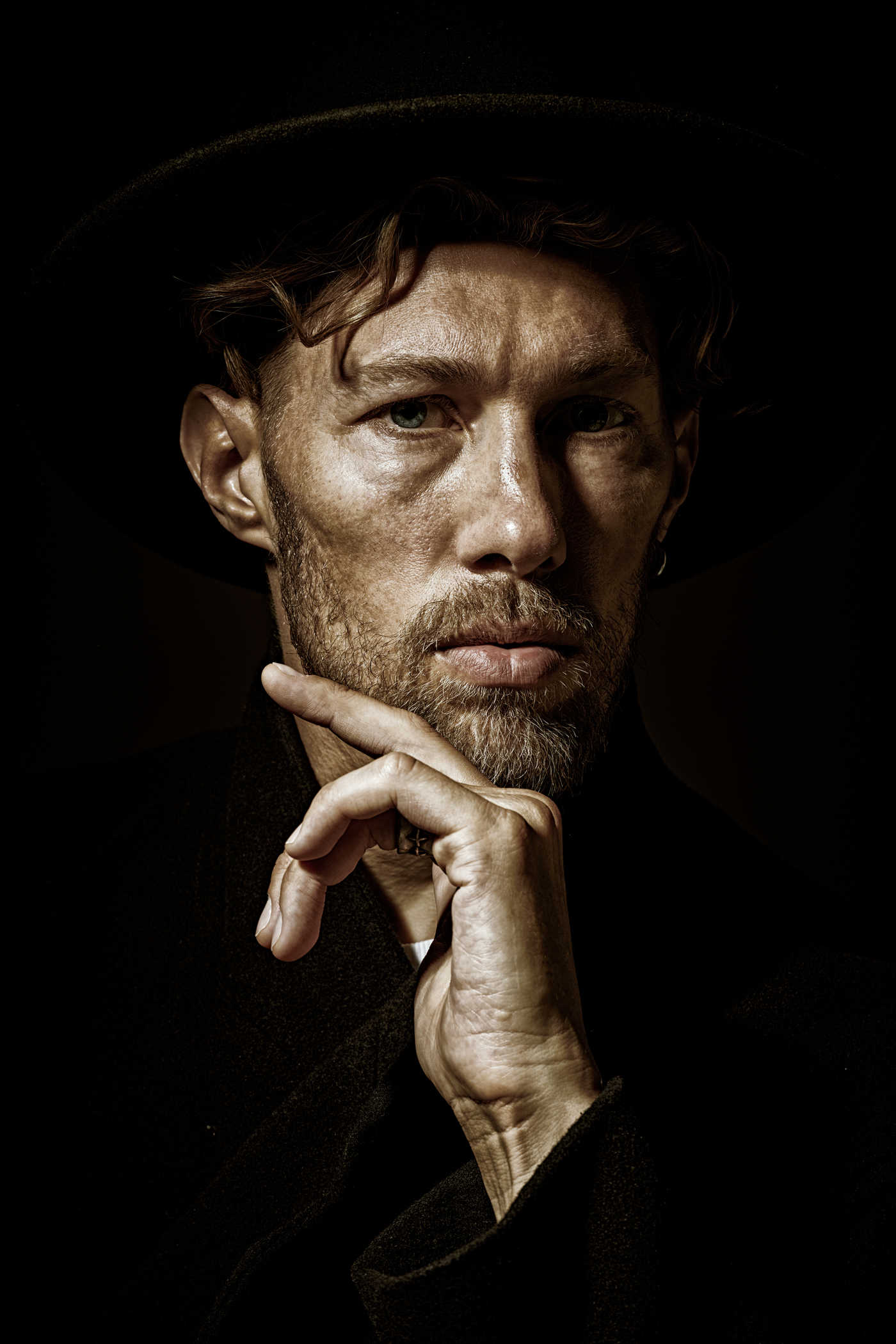
Rembrandt lighting creates a triangle of light on the cheek opposite the light source. It’s a dramatic, classic technique often used in film and painterly portraits.
Rembrandt Lighting Setup Diagram
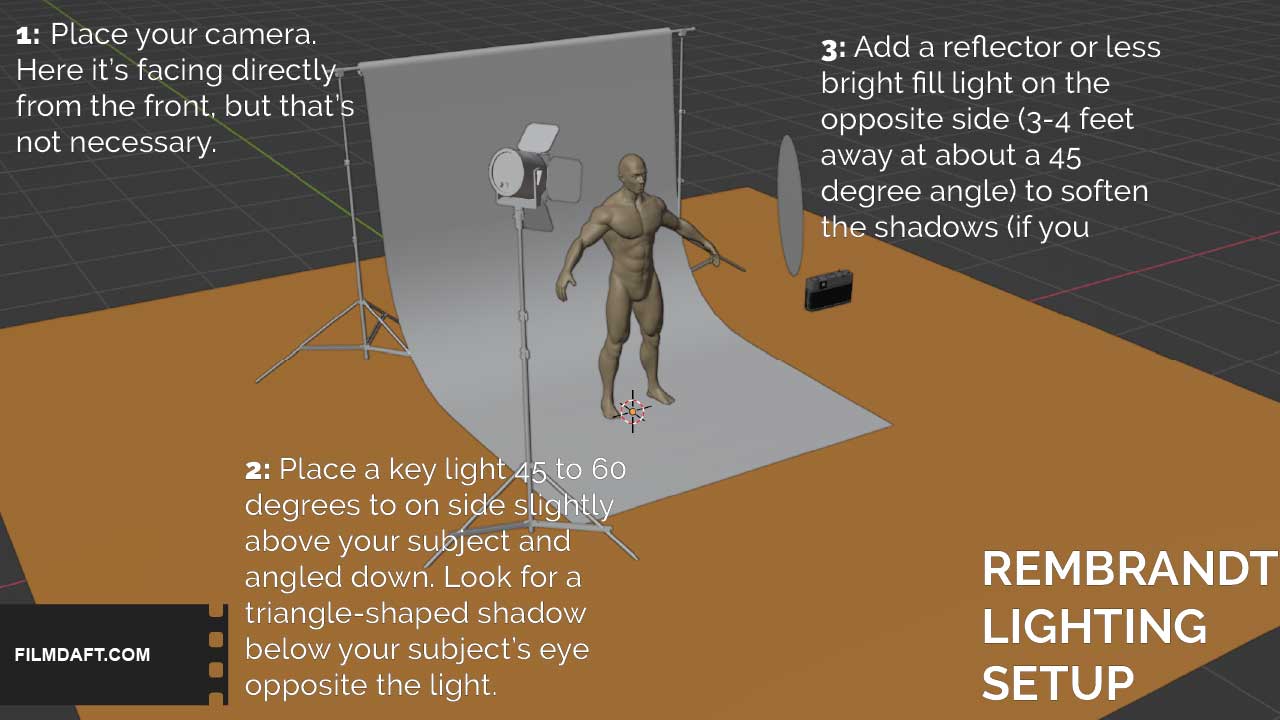
- Start with loop lighting. Angle the subject slightly away from the light.
- The nose shadow should meet the cheek shadow, creating a triangle under the eye.
- Adjust the light height and angle to maintain the triangle clearly.
Butterfly Lighting for Glamour Portrait Photography
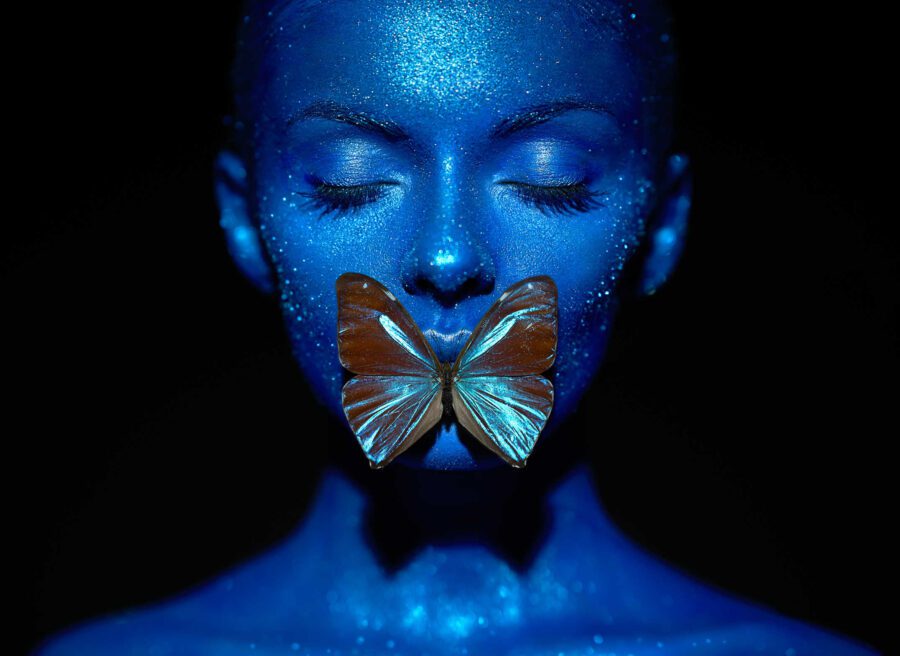
Butterfly lighting, or Paramount lighting, places the light directly in front and above the subject. It’s often used in beauty and glamour photography because it flatters cheekbones and reduces shadows.
Butterfly Lighting Setup Diagram

- Mount the light just above the subject’s head height, centered on their face.
- Angle the light down to cast a shadow under the nose.
- If shadows under the chin or eye sockets are too deep, add a reflector below the face to bounce light back up.
Broad vs Short Lighting Techniques for Face Shaping
Broad and short lighting describe how light hits the face, depending on how the subject is turned. You can use either with any lighting style.
Broad Lighting Setup Diagram

For broad lighting, pose the subject so the lit side faces the camera. This widens the face.

Short Lighting Setup Diagram
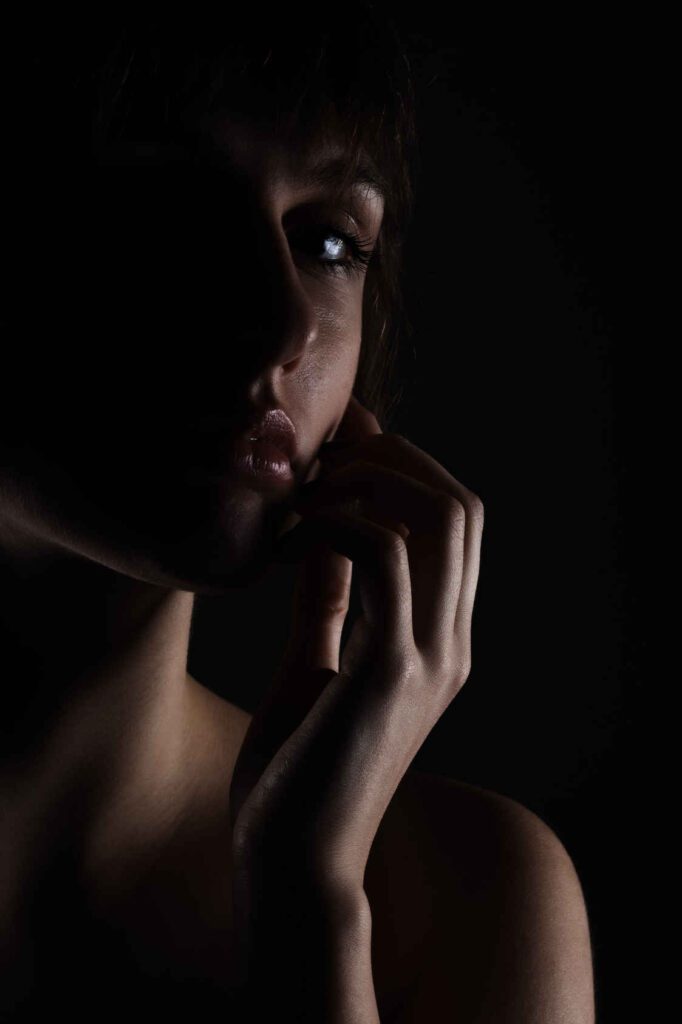
For short lighting, have the lit side turned away from the camera. This slims the face and adds depth.

Both can be applied using split, loop, or Rembrandt setups by simply rotating the subject’s head.
Rim, Hair, and Back Light in Portrait Photography
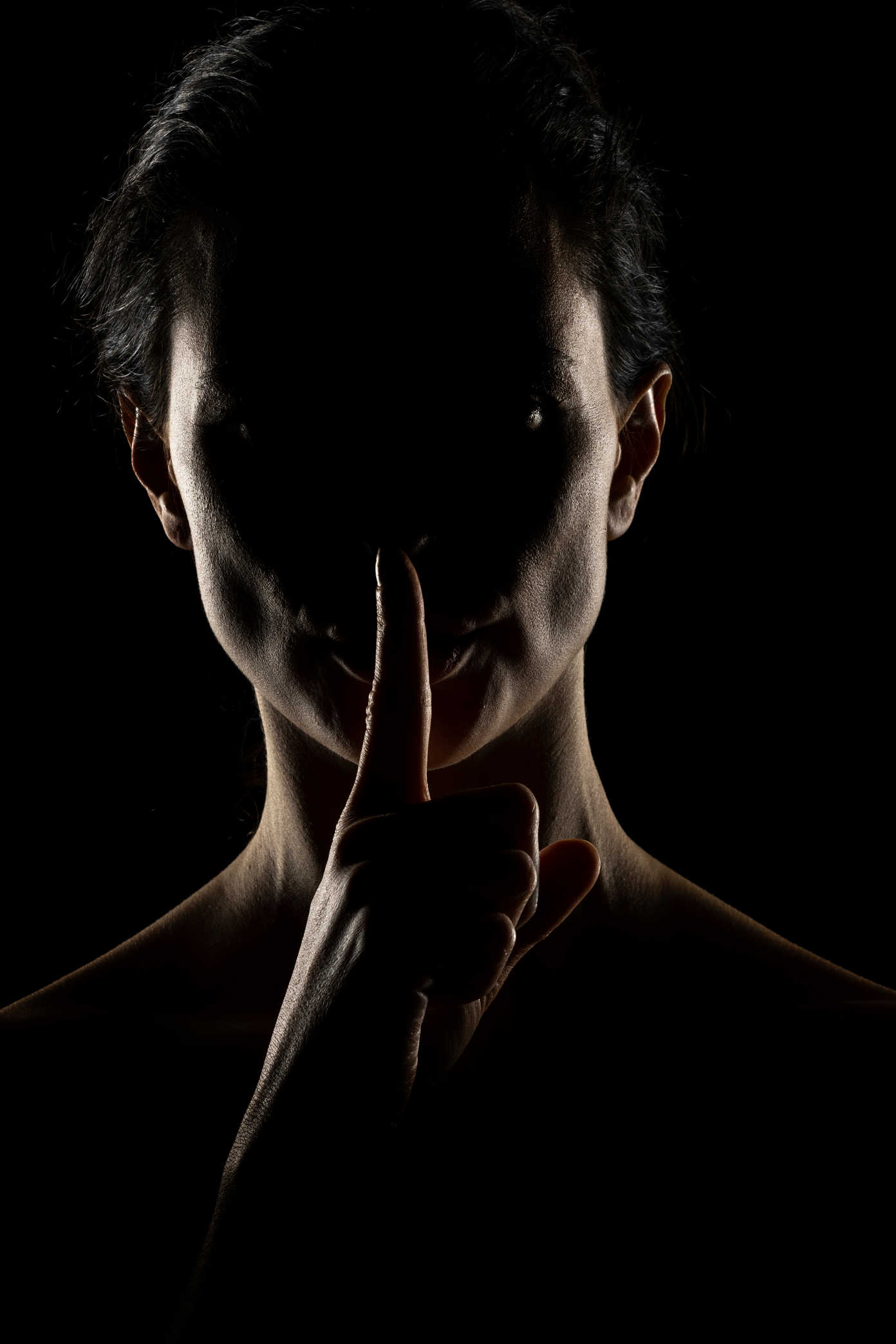
Rim, hair, and back lights sit behind or slightly above your subject. They outline edges like the hair or shoulders, helping separate the subject from a dark or flat background.
Rim/Hair Lighting Setup Diagrams


- Place a light behind the subject at head height or slightly higher.
- The light should outline the hair, shoulders, or face edge without spilling into the front of the face.
- This helps the subject pop from a dark background and adds dimension.
- Commonly used as part of a three-point lighting setup (see below).
Clamshell Lighting Setup for Beauty Portraits
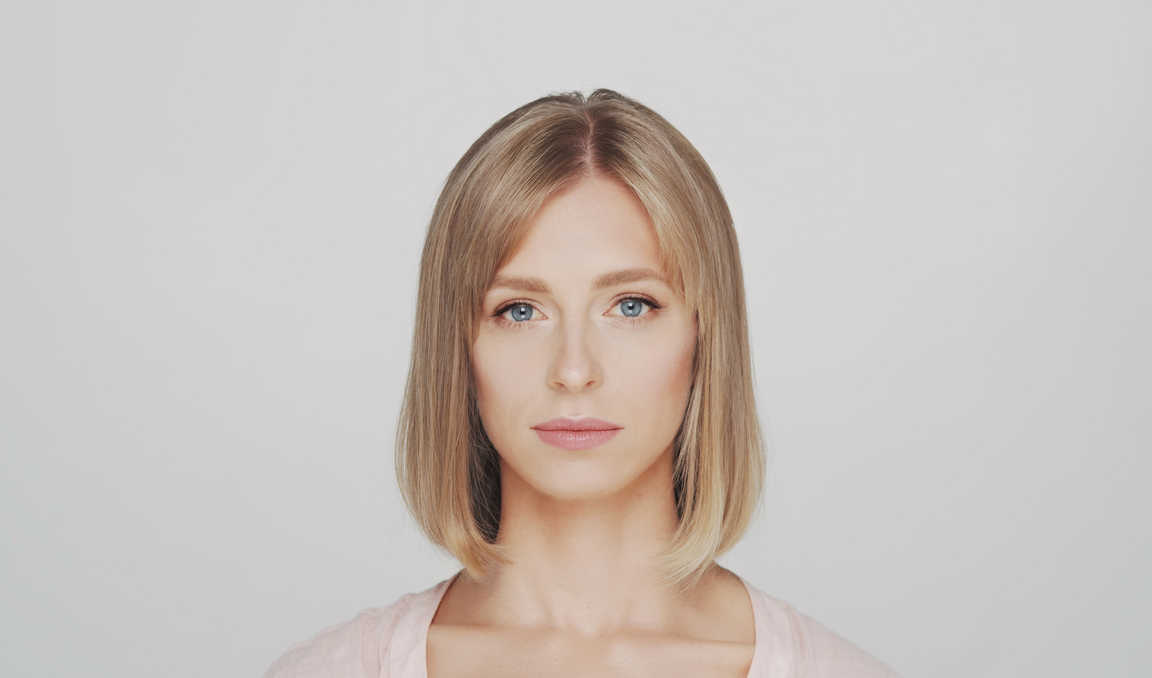
Clamshell lighting uses two lights (or one key light and one reflector), one above and one below, to produce flattering, even light with very soft shadows. It’s often used in fashion or skincare portraits.
Clamshell Lighting Setup Diagram

- Set up the main light in butterfly position above and in front of the subject.
- Add a second light or reflector just below the face, angled slightly upward.
- This creates a soft, glowing effect with minimal shadow. It’s often used for beauty and fashion portraits.
Cross Lighting Technique for High Contrast Portraits
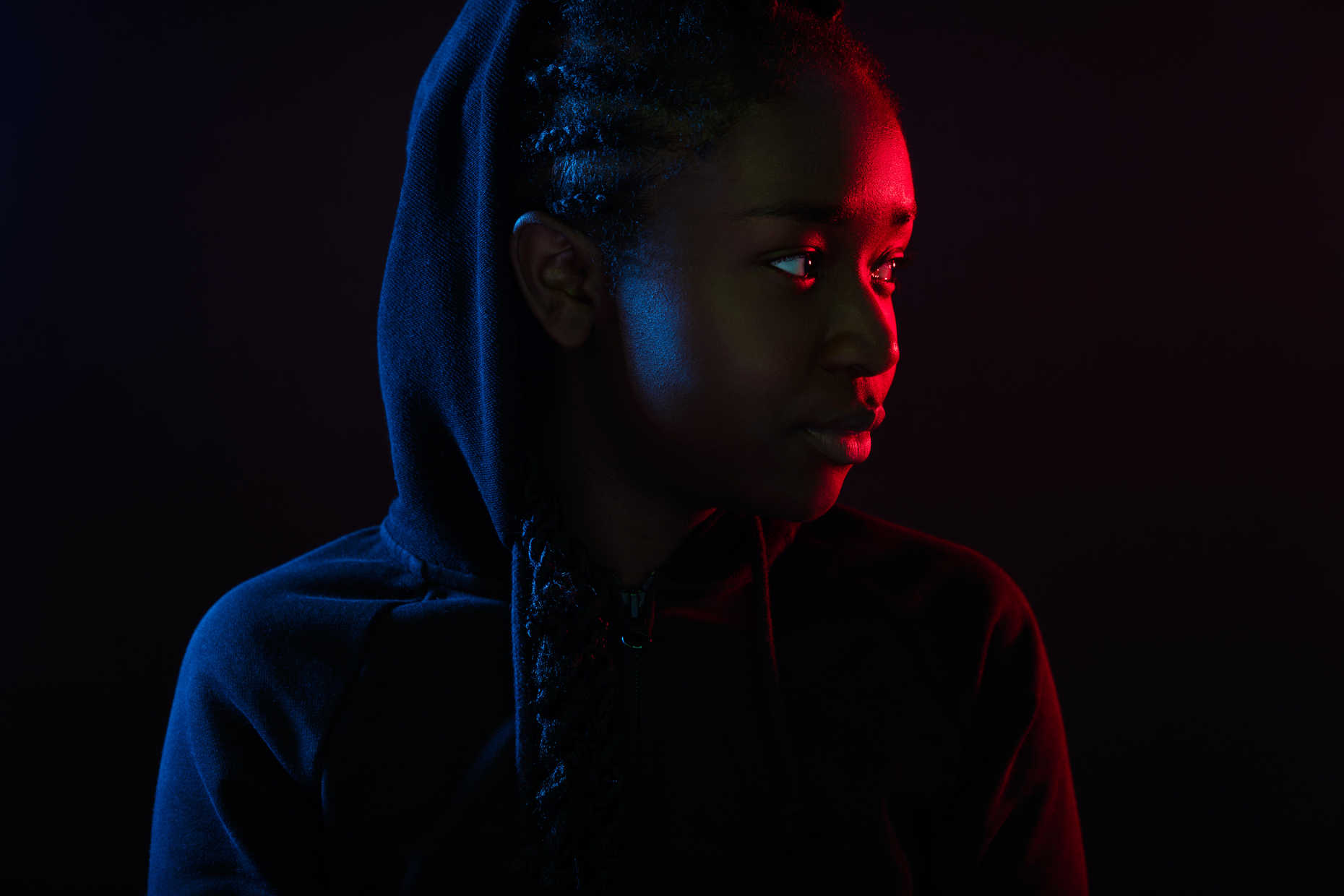
Cross lighting places two lights on opposite sides of the subject, one in front and one behind. It builds a strong contrast and outlines the form of the subject clearly.
Cross Lighting Setup Diagram

- Place the key light at 45° in front of the subject to create shape on the face. You can place it for a Rembrandt lighting look if you want to. A big softbox works wonders.
- Position the second light (the edge/fill light) behind and on the opposite side to outline the subject’s back shoulder or face edge. You can use a gridded stripbox to be able to control the angle of the light better.
- Start with a 2:1 light ratio. For example, if your key light is set to f/4, set the fill to f/5.6.
- Use cross lighting when you want strong contrast and separation.
Three-Point Lighting Setup for Balanced Portraits
This is the standard professional lighting configuration. Three-point lighting combines key, fill, and backlight to give full control over shadows, contrast, and separation.
3-point Lighting Setup Diagram

- Key light: Your main source. Place it 45° to the side and slightly above eye level.
- Fill light: A weaker light or reflector on the opposite side to soften shadows. Adjust the intensity to control contrast.
- Back light: Placed behind or above to outline the subject’s head and shoulders and separate them from the background.
This setup gives full control over how your subject looks. When the key and fill lights are of similar brightness, you achieve a soft, even result, known as high-key.
When the fill is much weaker, you get deep shadows, called low-key. There’s no fixed ratio. You adjust based on the mood you want.
Light Modifiers and Reflectors for Portrait Lighting
Modifiers shape the quality of your light. They let you soften shadows, cut spill, or reflect light where you need it. Reflectors are also essential for controlling contrast without adding more lights.
Softbox / Umbrella / Scrim: Softens light and smooths shadow edges.

Read more on light diffuser types for photography.
Reflector: Bounces light into shadows. Place opposite the key light.

From left to right, the reflectors are:
White: Produces soft, natural light by diffusing and bouncing light evenly.
Black: Absorbs light to deepen shadows and reduce reflections.
Gold: Adds warm, golden tones to the light, enhancing skin tones and creating a sunny atmosphere.
Silver: Reflects bright, cool light to increase contrast and highlight details.
Common reflector colors include:
- Silver: Brightens and adds contrast with cool, reflective light.
- White: Softens and diffuses light, creating a natural, even fill.
- Gold: Adds warm, golden tones to the light, enhancing skin tones and creating a sunny feel.
- Black: Absorbs light to deepen shadows and reduce unwanted reflections.
Flag / Gobo: Blocks light from hitting part of the frame. Useful for shaping shadows or keeping backgrounds dark. You can use a black reflector like the one above, or simply black stiff cardboard, which you place at strategic positions to control light spill.
Beginner Tips for Portrait Lighting Success
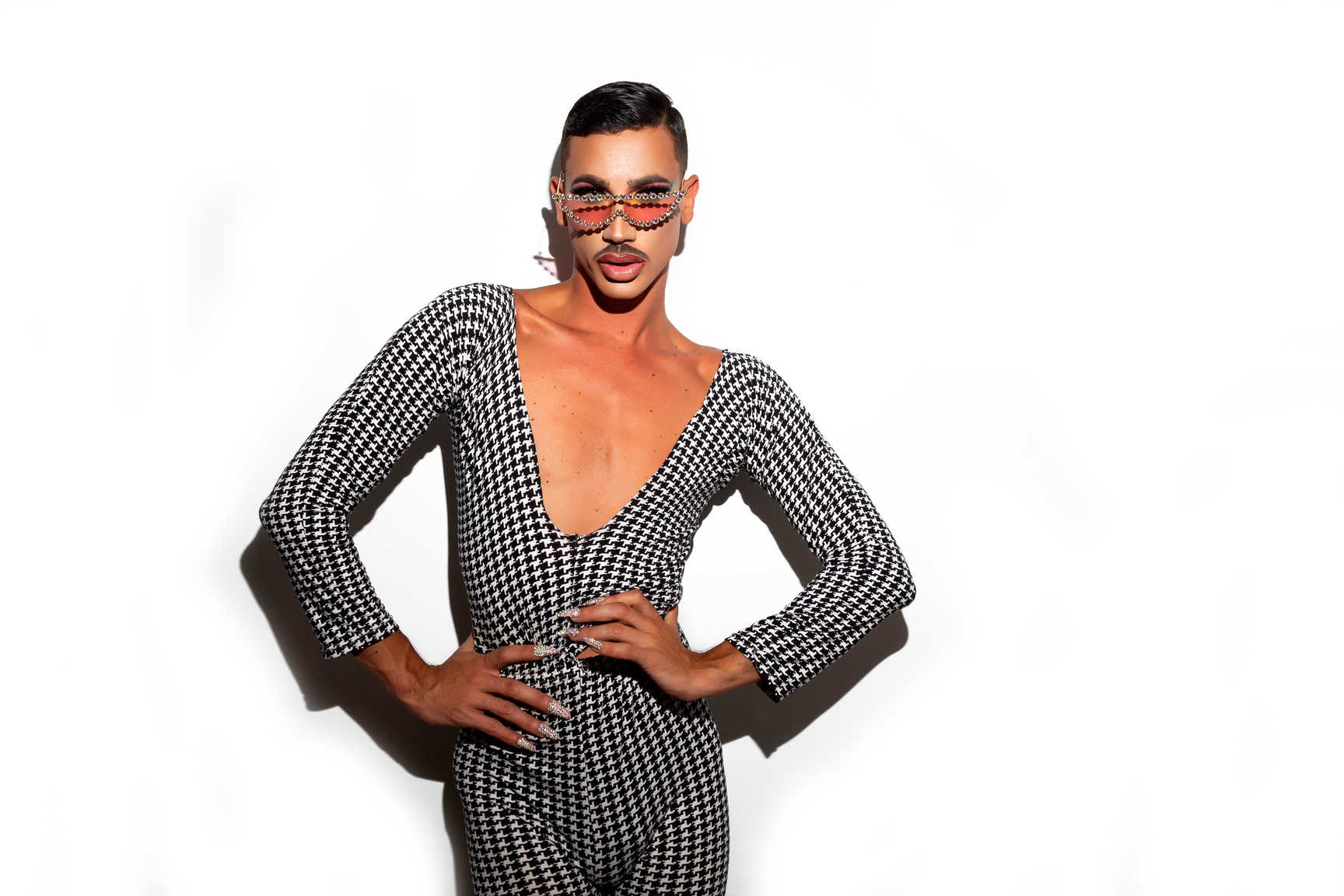
Start small and experiment. The goal is to train your eye and build muscle memory. Once you understand how each light behaves, you’ll move faster and get more consistent results.
- Use a single light to master one setup at a time.
- Move the light and watch how the shadows shift across the face.
- Change only one thing at a time: light height, angle, or subject pose.
- Use modeling lights or continuous lighting when learning. What you see is what you get.
- Always check for catchlights in the eyes. They make portraits feel alive. A round softbox creates a round catchlight, a ring light creates a ring, and a rectangular strip light creates a rectangular catchlight… You get the point.

Three-point lighting: You see the key and fill light reflections in the eyes, creating natural, balanced catchlights.
Ring light: A circular catchlight appears in the pupils, giving a distinct, even glow.
Clamshell lighting setup: Soft catchlights from a key light above and fill light below produce a flattering, even reflection.
Another ring light: Again, a round catchlight highlights the eyes, emphasizing brightness and detail.
Catchlights reveal the light source and add life to portraits by making the eyes sparkle.
Summing Up
Light shapes how a face is seen. It reveals texture, directs attention, and sets the overall mood of your image. Soft light produces gentle shadows and a relaxed look. Hard light produces sharp shadows and a dramatic feeling. Learning a few repeatable setups gives you control when you’re working with different faces and backgrounds.
Read Next: Want to level up your photography skills?
Explore our Photography section for guides on lighting, composition, camera settings, and creative techniques across genres like portrait, landscape, and street.
Whether you’re shooting on a mirrorless camera or your phone, you’ll find sharp, practical tips to take more intentional and creative photos.
Also check out our Visual Composition section, with deep dives into framing, color psychology, and visual art history—key tools for any photographer thinking like an image-maker.
