

Published: August 4, 2025 | Last Updated: October 3, 2025

What is Black comedy? Definition & Meaning
Black comedy (aka Black/Bleak/Gallows/Morbid Humor) is a type of humorous film genre that makes light of serious or taboo subjects like death, war, corruption, or illness by treating them as ordinary or absurd. It’s a subgenre of comedy.
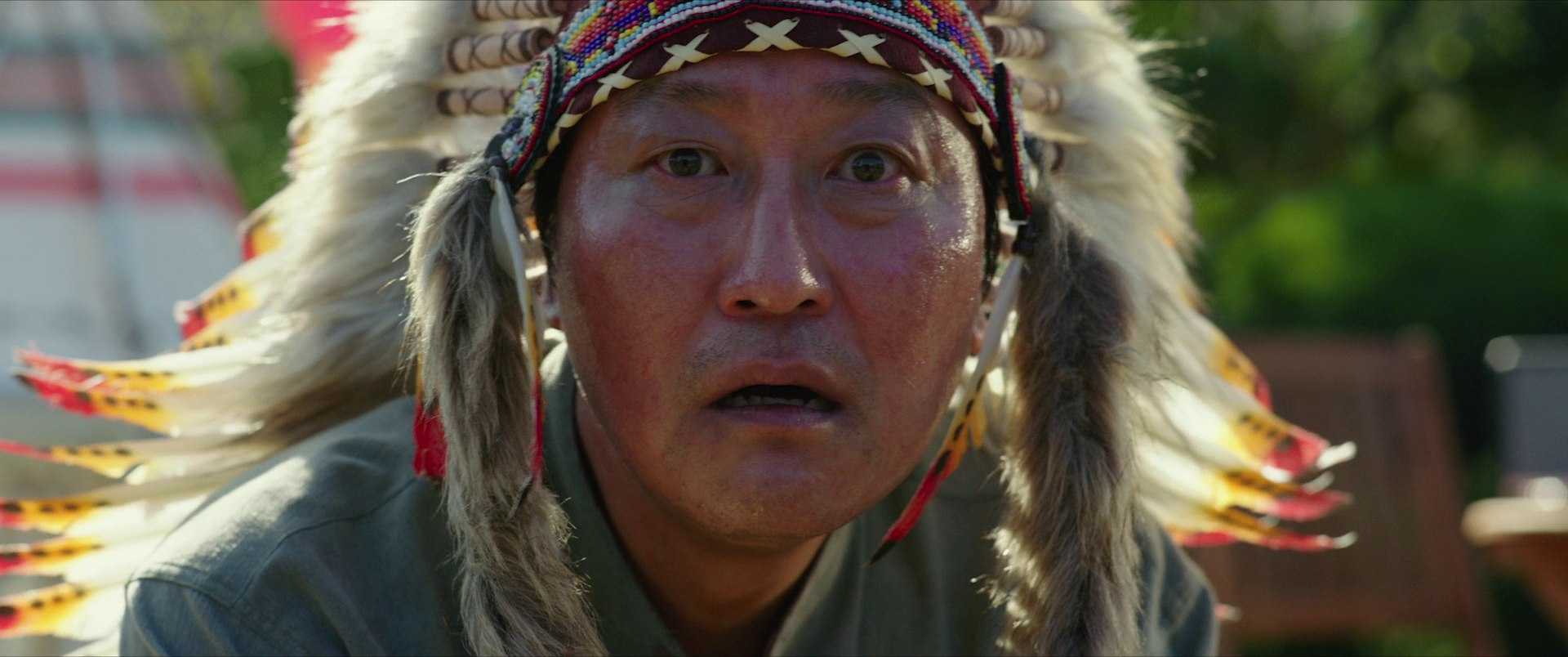
Common Traits of Black Comedy
Black comedy depends on irony, satire, and deadpan tone. It uses shock or discomfort to prompt reflection. The humor comes from the clash between what happens and how characters respond. That tension makes you laugh but also leaves you thinking, without giving you a break from what’s uncomfortable.
- Subjects such as death, trauma, injustice, or political wrongs
- Flat or calm delivery even when events are extreme
- Characters who treat serious acts without moral concern
- Satirical critique of authority, social systems, or culture
Historical Background
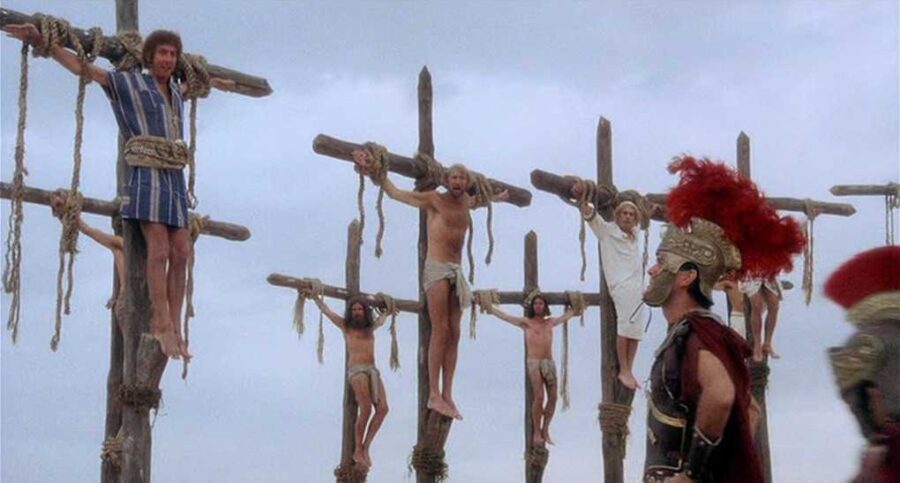
The phrase black humor was popularized in the 1930s by writer André Breton, who used it to describe works by authors like Jonathan Swift.
However, the style goes back even further. Ancient Greek plays used dark humor to mock politics and war. During the Middle Ages, people laughed about death and disease in poems and ballads.
In the 20th century, black comedy appeared in novels, theater, and eventually film. It gave writers and filmmakers a way to deal with fear, loss, or injustice through comedy.
Social Function
Black comedy often helps people confront painful or taboo subjects. It lets you laugh at injustice, cruelty, or fear without ignoring them.
It can also be a tool for protest. Joking about authority or trauma can take away some of their power. That’s why black comedy often shows up during times of political tension or social change.
Examples in Film
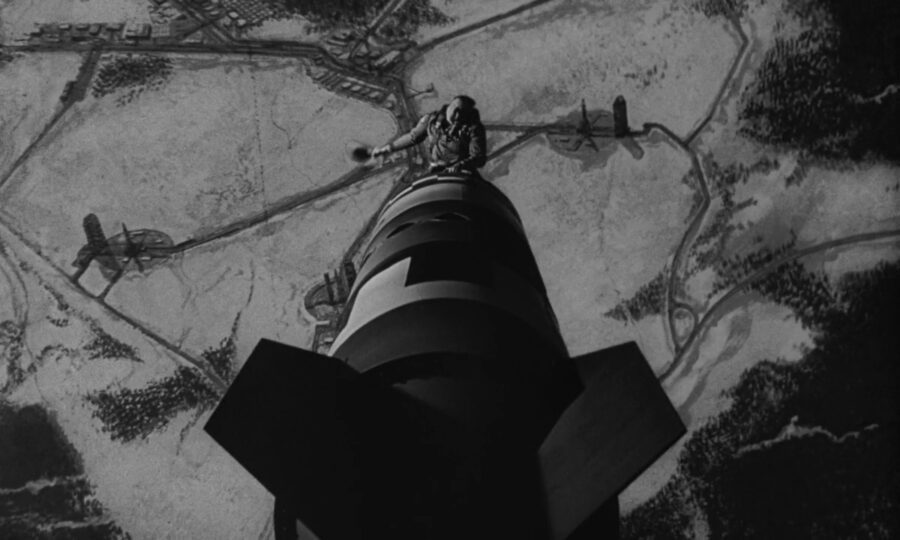
One of the clearest examples is Dr. Strangelove (1964, Columbia Pictures). It treats nuclear war as absurd, showing leaders making insane plans while keeping calm. That contrast creates humor rooted in real danger.
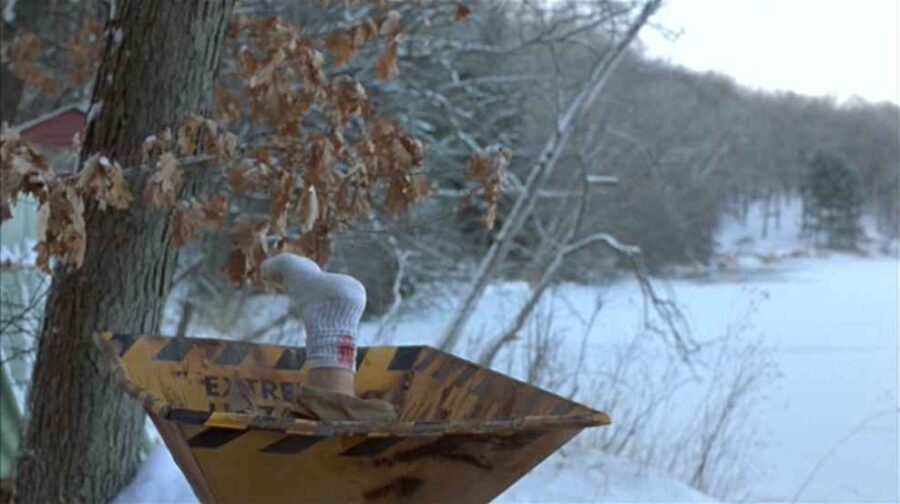
Fargo (1996, Gramercy Pictures) shows small-town life alongside violent crime. A composed, pregnant police chief investigates a kidnapping while remaining polite. The film’s quiet tone turns a brutal story into a strange mix of kindness and horror.
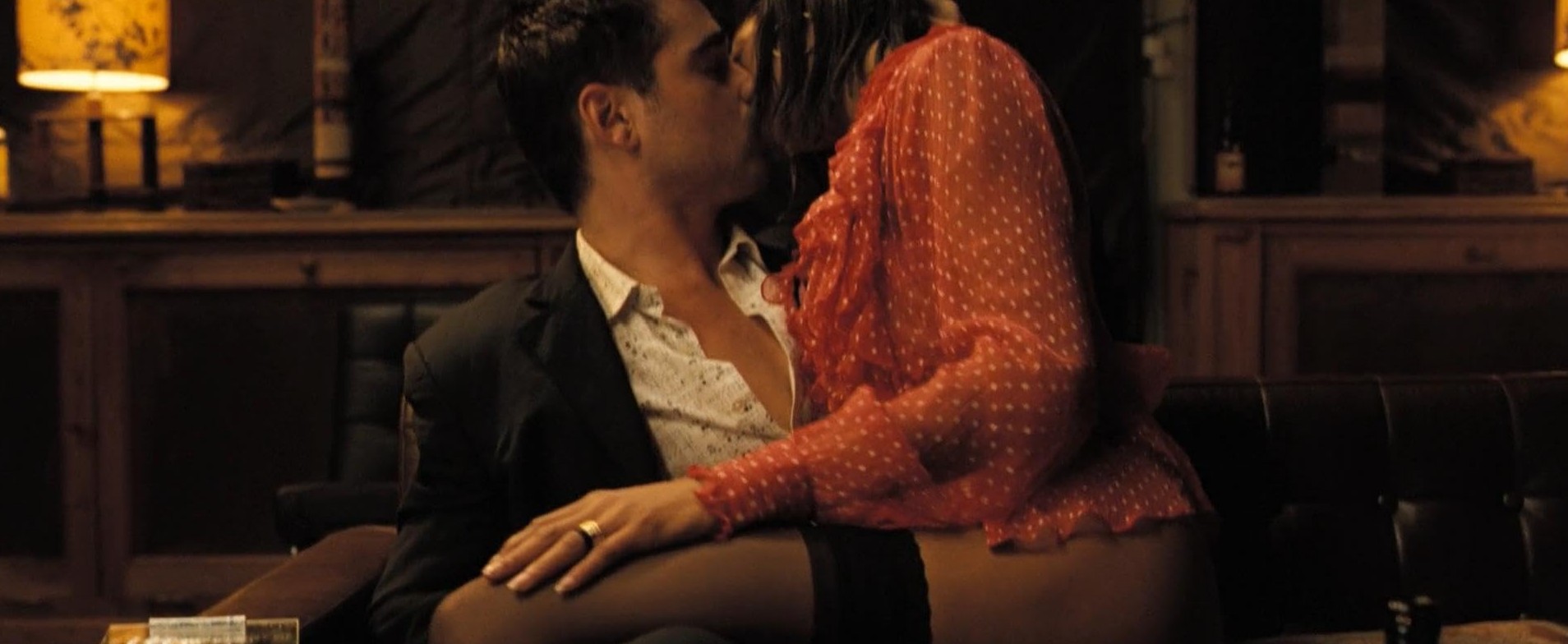
In Bruges (2008, Focus Features) follows two hitmen hiding after a failed job. Their jokes about guilt, morality, and death sit next to deep emotional pain. The setting is peaceful, but the story deals with murder and regret. That tension makes the humor feel risky and personal.
If you want to dive deeper into the genre, I’ve created a table with more of the best black comedy films, I can recommend:
| Film | Year & Studio | Why It’s Black Comedy |
|---|---|---|
| Parasite | 2019, CJ Entertainment | Turns class inequality into a tense, ironic tragedy with moments of dark humor and social satire. |
| Heathers | 1989, New World Pictures | High school bullying, murder, and suicide are treated with sharp irony and stylized dialogue. |
| The Death of Stalin | 2017, IFC Films | Political murder and Soviet terror become absurd power games with snappy insults and deadpan chaos. |
| American Psycho | 2000, Lionsgate | A Wall Street killer obsesses over business cards and pop music while committing brutal murders with eerie calm. |
| Harold and Maude | 1971, Paramount | A teenager obsessed with death falls in love with an elderly woman. Suicide jokes meet gentle romance. |
| Burn After Reading | 2008, Focus Features | Misunderstandings and selfishness spiral into senseless violence. The government shrugs it off. |
| Wild Tales | 2014, Warner Bros. Argentina | Six short stories explore revenge, pride, and absurd reactions to everyday conflict — all ending in chaos. |
| To Die For | 1995, Columbia Pictures | A TV-obsessed woman seduces a teen to kill her husband. Satire meets true-crime irony. |
| Life of Brian | 1979, Handmade Films | Religious and political structures fall apart as Brian is mistaken for the messiah — ending in cheerful crucifixion. |
| Death to Smoochy | 2002, Warner Bros. | Children’s television becomes a battlefield of backstabbing, corruption, and accidental assassination. |
Why Directors Use Black Comedy
Black comedy gives you a different way to process fear, loss, or cruelty. Laughing at something that should scare you can feel strange, but it also makes the subject easier to face. That’s why black comedy works so well for stories about war, death, mental illness, or power.
These films also allow characters to break moral rules. Someone might lie, cheat, or kill without any clear punishment. That freedom makes the story feel more honest or more disturbing. It keeps you on edge while raising tough questions.
Summing Up
Black comedy uses humor to explore dark or taboo subjects. It relies on irony, satire, and a calm tone to turn fear or cruelty into uneasy laughter. It invites thought as well as amusement. That discomfort is part of what gives the genre power and longevity.
Read Next: Curious how visual styles define film genres?
Explore our breakdown of Genre & Visual Style to see how movements like naturalism, noir, and surrealism shape what we watch.
Looking for the big picture? Visit our Film History, Theory & Genre page to connect techniques with the eras and ideas that shaped them.
