
Published: July 26, 2025 | Last Updated: January 8, 2026

What Does Lynchian Mean? Definition & Meaning
Lynchian means a film or scene that reflects the mood, visuals, or structure often found in the work of director David Lynch (R.I.P.). It usually involves surreal images, sudden shifts in tone, and a strong sense of mystery or discomfort.
The word comes from David Lynch, the American arthouse filmmaker behind Eraserhead (1977, Libra Films), Blue Velvet (1986, De Laurentiis Entertainment Group), and the TV series Twin Peaks (1990, ABC). His work mixes quiet American settings with strange behavior, violent outbursts, or dreamlike scenes that feel both familiar and bizarre.
Also, check out the David Lynch masterclass where he teaches his directing and creative style.
Authoritative definitions and usage of “Lynchian”
The Oxford English Dictionary defines Lynchian as “characteristic, reminiscent, or imitative of the films or television work of David Lynch.” [1] In other words, it’s a style label—not just “weird”—and it typically points to a specific kind of uncanny mood and audio-visual logic associated with Lynch.
Critics have also noted how the word is sometimes used too loosely as a catch-all for “strange,” which can flatten what’s distinctive about Lynch’s craft (tone, sound design, performance style, and the unsettling collision of the ordinary with the uncanny). [2] [3] [4]
Core Elements of Lynchian Style
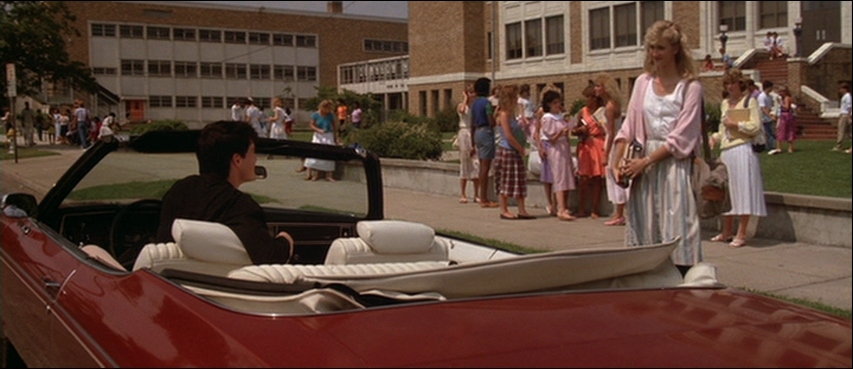
Lynchian films often create tension by blending ordinary life with surreal moments. A cheerful diner might hold a hidden threat. A soft-spoken character might suddenly say something disturbing. These shifts in mood make the world feel unstable. Read more about what mood is in film.
- Surreal visuals: Odd lighting, abstract sets, or symbolic objects
- Unexplained scenes: Events that happen without clear meaning or cause
- Shifts in tone: A scene may move from calm to disturbing without warning
- Quiet dialogue: Long pauses, slow pacing, and awkward silences
- Dream logic: Characters may act strangely or forget who they are
Why Lynchian Films Feel Different
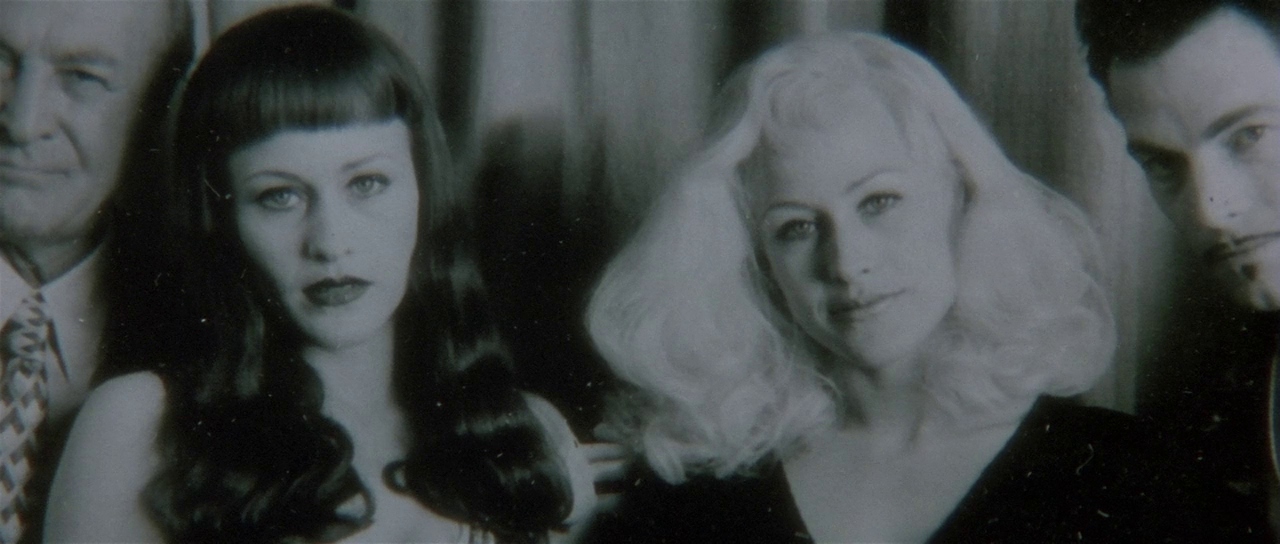
Lynch avoids explaining everything in his stories. Many scenes don’t follow normal rules. A character might appear in two different roles. A moment might repeat with slight changes. The patterns are meant to confuse us on purpose. You’re meant to feel something without always knowing why.
Sound is a big part of this effect. Lynchian scenes often use humming, static, or silence to build pressure. Music might stop suddenly or loop in an unsettling way. They help the scene feel tense even when nothing is happening.
Key Themes in Lynchian Stories

Lynchian films explore identity, memory, and duality. A character may seem one way at first, but turn into someone else. In Mulholland Drive (2001, Universal), the main character’s story shifts halfway through the film. In Twin Peaks, one town hides two very different sides: peaceful on the surface, yet chaotic underneath.
Dreams and nightmares often shape how scenes unfold. Many stories follow a dreamlike path where time jumps or events repeat. This “dream logic” creates tension because you can’t trust what’s real or what will happen next.
Examples of Lynchian Work

Here are the works you should know:
- Eraserhead (1977, Libra Films) – A black-and-white film about a man’s fear of fatherhood, told with industrial noise and surreal images
- Blue Velvet (1986, De Laurentiis Entertainment Group) – A mystery that reveals darkness beneath suburban life
- Mulholland Drive (2001, Universal) – A Hollywood dream story that shifts halfway through into something darker and stranger
- Lost Highway (1997, October Films) – A crime story where characters change identity mid-film
- Twin Peaks (1990, ABC) – A TV series that mixes detective story, surreal horror, and soap opera
Lynchian beyond Lynch: non-Lynch films often described as “Lynchian”
Although David Lynch’s own work defines the term, critics and film writers often use “Lynchian” for other movies that echo the same dream-logic unease, heightened atmosphere, and uncanny slippage between reality and nightmare.
- Eyes Wide Shut (Stanley Kubrick, 1999) — frequently singled out as “Lynchian” for its nocturnal, ritualistic drift through familiar spaces that feel subtly unreal. [5]
- Under the Silver Lake (David Robert Mitchell, 2018) — often described as a “Lynchian” LA mystery where paranoia and pattern-seeking become the point. [5]
- Vertigo (Alfred Hitchcock, 1958) — regularly included in “Lynchian” comparisons for its obsessive, spiraling psychological atmosphere and uncanny romantic fixation. [5]
- Persona (Ingmar Bergman, 1966) — cited as “Lynchian-adjacent” for its identity fracture, disorienting intimacy, and art-film nightmare logic. [5]
- The Double (Richard Ayoade, 2014) — described in review coverage as feeling like a surreal blend with a clear Lynch influence in its oppressive, off-kilter world and doubling anxiety. [6]
- The Lighthouse (Robert Eggers, 2019) — explicitly described by critics as having a “Lynchian” presence, especially in its soundscape and mounting psychic disorientation. [7]
- I Saw the TV Glow (Jane Schoenbrun, 2024) — described as “Lynchian” in tone (surreal dread, uncanny suburbia) while still being distinctly its own voice. [8]
Summing Up
Lynchian means more than just strange. It describes a mood where the ordinary becomes unsettling, where stories follow dream logic, and where sound and silence are used to build quiet fear.
It’s a style shaped by David Lynch’s work and is still evident in films that challenge traditional storytelling conventions. In fact, many directors use Lynchian techniques in their own work. A good example is Ari Aster, who builds dread with awkward silences and slow pacing in Hereditary (2018, A24) and Beau Is Afraid (2023, A24).
Read Next: Curious how visual styles define film genres?
Explore our breakdown of Genre & Visual Style to see how movements like naturalism, noir, and surrealism shape what we watch.
Looking for the big picture? Visit our Film History, Theory & Genre page to connect techniques with the eras and ideas that shaped them.
Footnotes and Further Reading
- Oxford English Dictionary — “Lynchian, adj.” https://www.oed.com/dictionary/lynchian_adj ↩
- Los Angeles Review of Books — “Defining ‘Lynchian’” https://lareviewofbooks.org/article/defining-lynchian/ ↩
- BFI — “Where to begin with David Lynch” https://www.bfi.org.uk/features/where-begin-with-david-lynch ↩
- BFI (Sight and Sound voters) — Hope Dickson Leach (commentary on “Lynchian” used as shorthand) https://www.bfi.org.uk/sight-and-sound/greatest-films-all-time/all-voters/hope-dickson-leach ↩
- Collider — “10 Most Lynchian Movies Not Directed by David Lynch” https://collider.com/lynchian-movies-not-directed-by-david-lynch/ ↩
- Richard Crouse — “The Double… plays like a movie made by the love child of David Lynch and Terry Gilliam” https://richardcrouse.ca/the-double-3-stars-plays-like-a-movie-made-by-the-love-child-of-david-lynch-and-terry-gilliam/ ↩
- PopMatters — “‘The Lighthouse’ Finds Lynchian Beauty…” https://www.popmatters.com/the-lighthouse-robert-eggers ↩
- Decider — “I Saw the TV Glow… (described as ‘Lynchian’ yet uniquely their own)” https://decider.com/2024/06/18/i-saw-the-tv-glow-director-jane-schoenbrun-queer-cinema-auteur/ ↩