Published: October 30, 2019 | Last Updated: September 22, 2025

What is a Cine lens? Definition & Meaning
A cine lens (short for cinema lens) is a specialized lens built for recording motion. It offers precise manual control over focus and aperture. Unlike still lenses, cine lenses are optimized for consistency, smooth focus pulls, and accurate light transmission using T-stops.
Still lenses might get the job done, but cine lenses are made for control, consistency, and cinematic quality. They have manual gears, no electronic fuss, and markings you can use on set. Whether you’re a student, DP, or indie director, cine glass gives you tools to work like the pros—even if your budget’s closer to $500 than $50,000.
How Cine Lenses Differ from Still Lenses

Most of the differences come down to precision. Cine lenses use T-stops instead of F-stops. T-stops measure the actual amount of light passing through the lens. In contrast, F-stops are based on a theoretical formula comparing the focal length to the diameter of the aperture. This means two different cine lenses set to the same T-stop will deliver the same exposure—something F-stops can’t guarantee.
They also have geared rings for focus and aperture, designed to work with follow-focus systems. Unlike many still lenses, cine lenses are built to minimize lens breathing—that annoying zoom-like effect when you rack focus:
They also have fixed apertures and are often parfocal, so your subject stays sharp as you zoom.
And because they’re built for motion, cine lenses reduce vignetting, control barrel distortion, and maintain consistent color and contrast between lenses of the same series.
Another strength of cine lenses is their ability to reduce chromatic aberration—the color fringing you sometimes see at high-contrast edges, like a tree branch against a bright sky. This happens when the lens fails to focus different wavelengths of light to the same point. High-end cine lenses are designed with better glass coatings and precise optical formulas to control this effect, ensuring cleaner, sharper images. Budget cine lenses may still show mild fringing, but overall, they tend to outperform most still lenses in this area.
Manual Control: Why It Matters
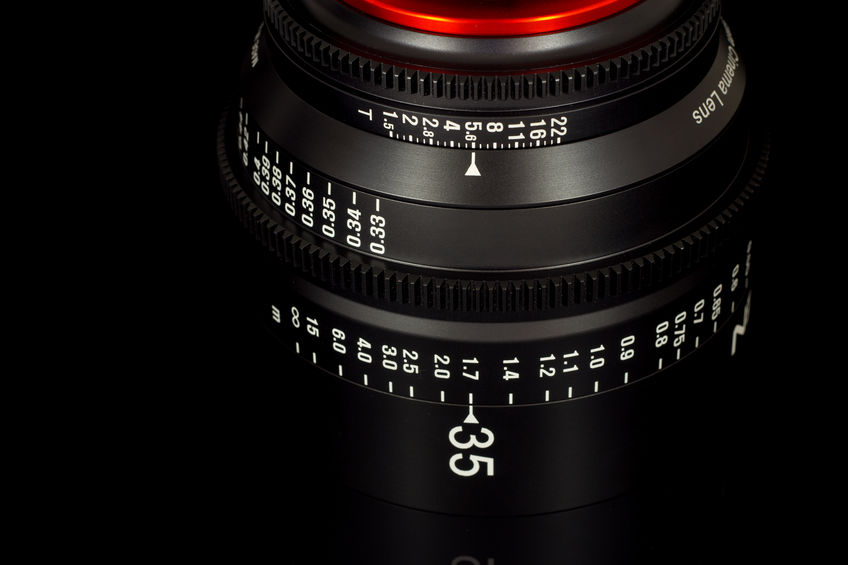
The beauty of a cine lens is full manual control. You get a big, smooth focus ring with hard stops, which makes pulling focus predictable and repeatable. Same goes for the aperture ring, which lets you fine-tune exposure without clicking between values. It’s a tactile, physical way to work—one of the biggest perks when aiming for visual consistency across scenes or shooting days.
When Should You Use a Cine Lens?
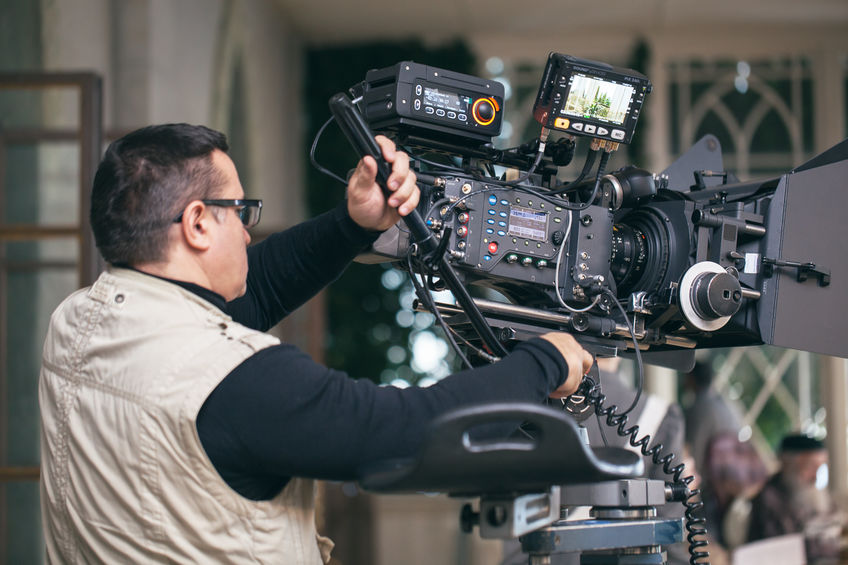
Cine lenses are worth it if you’re working with controlled setups, doing planned blocking, or collaborating with a focus puller. They’re ideal when you need repeatable results, consistent lighting across lenses, and want to avoid the distractions of breathing or shifting apertures.
But they’re not perfect for everything. They’re usually heavier, lack autofocus, and don’t zoom (unless you go for expensive cine zooms). So they can slow you down if you’re doing run-and-gun, shooting solo, or on the move.
What Makes Cine Lenses Unique?
They’re not just “nice lenses.” They’re built for motion. Cine lenses offer:
- Manual aperture control for subtle exposure shifts
- Rack-focus precision with long throw focus rings
- Minimized breathing and distortion
- Consistent color and contrast across matched sets
- Reliable performance in harsh lighting or low light
High-end cine lenses can even reduce contrast slightly, helping preserve details in high-contrast scenes—giving you more flexibility in color grading.
Essential Cine Lens Accessories
Since cine lenses are expensive, you want to take good care of them. Here are some essential accessories I recommend:
Hard-Shell Case
If you’re investing in cinema glass, protect it. A case like a Pelican will save your gear (and your wallet).
Variable ND Filter
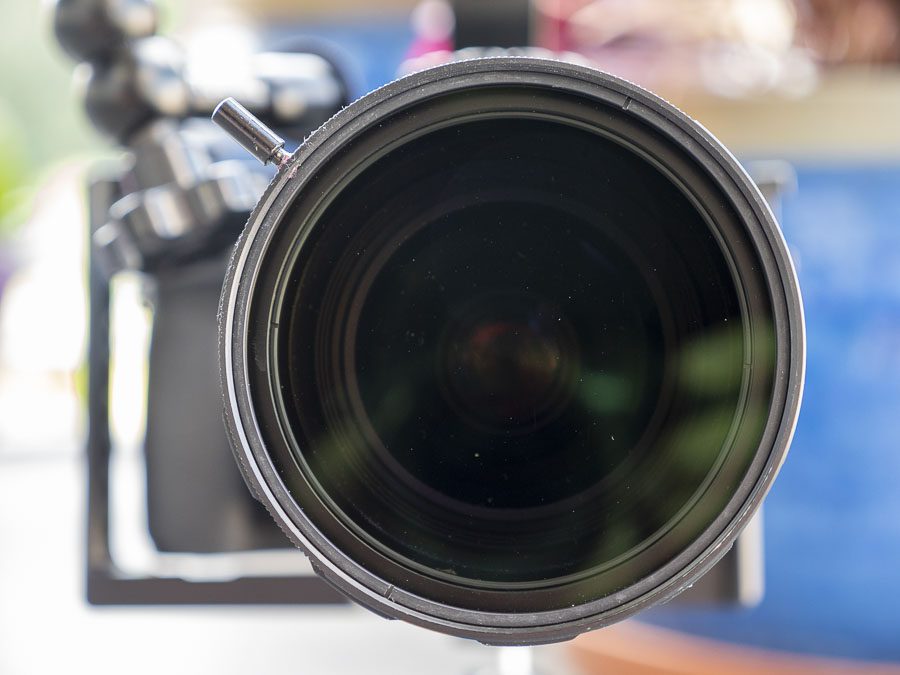
Most cine lenses have wide apertures, so you’ll need a variable ND when shooting in daylight. Buy one that fits your largest lens (e.g., 82mm), and use step-up rings if needed.
If you want an in-depth explanation of ND filters, I recommend you read our comprehensive guides on ND filters and Variable ND Filters For Video.
Lens Adapters
If your lens mount doesn’t match your camera, a manual adapter will do the job. Just avoid cheap ones that cause light leaks or wobble. PL mount lenses, for example, require rock-solid adapters.
Follow Focus
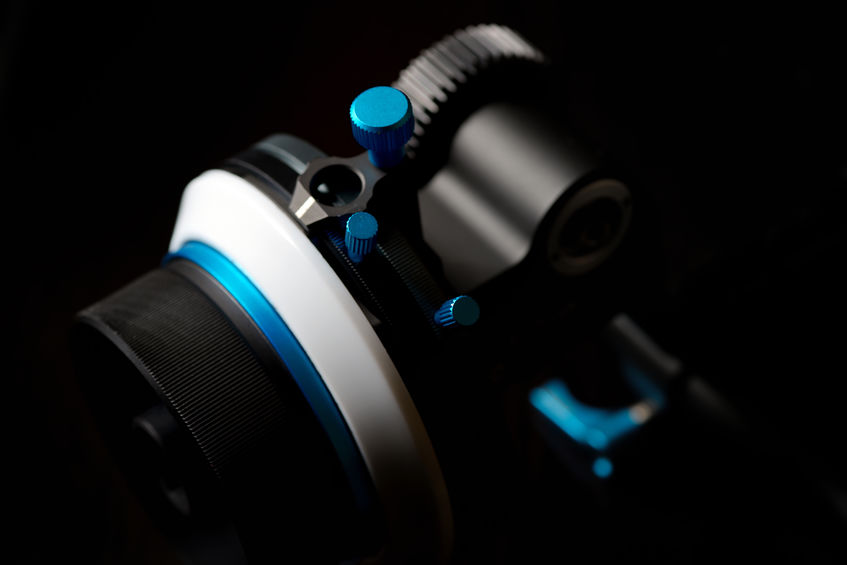
Want clean, repeatable focus pulls? You’ll need a follow focus rig. Brands like Viltrox and Neewer have budget options that work great. Follow focus rigs typically include:
- Rail clamp and baseplate
- 15mm rods
- Arm and gear mechanism
- Focus knob (rotary dial)
- White marking disc for focus points
- Lens gear ring (if your lens doesn’t already have gears)
This setup lets you mark and execute your focus pulls with smooth, professional results.
Matte Box
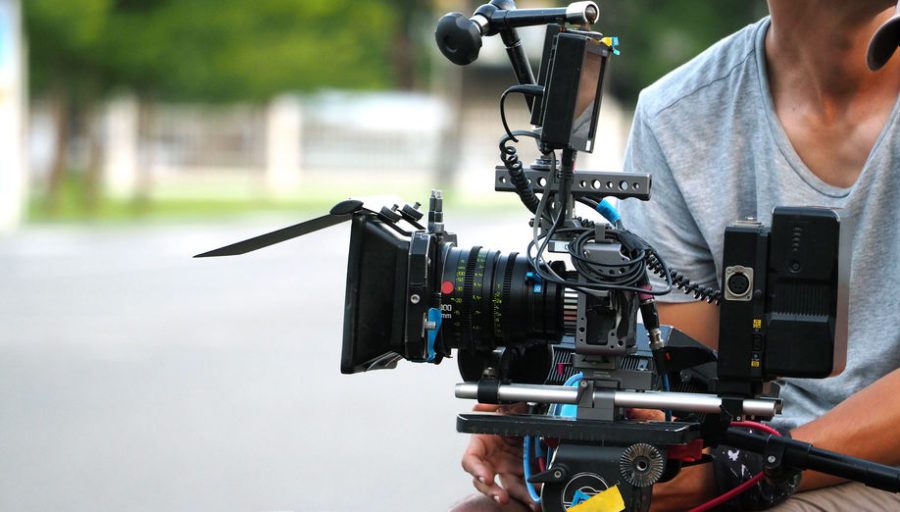
A matte box is a great upgrade for blocking flares and harsh light, especially outdoors. Some mount directly to the lens, while others need rails. Plus, you can stack filters with easy drop-ins.
Can You Fake Cine Lens Features?
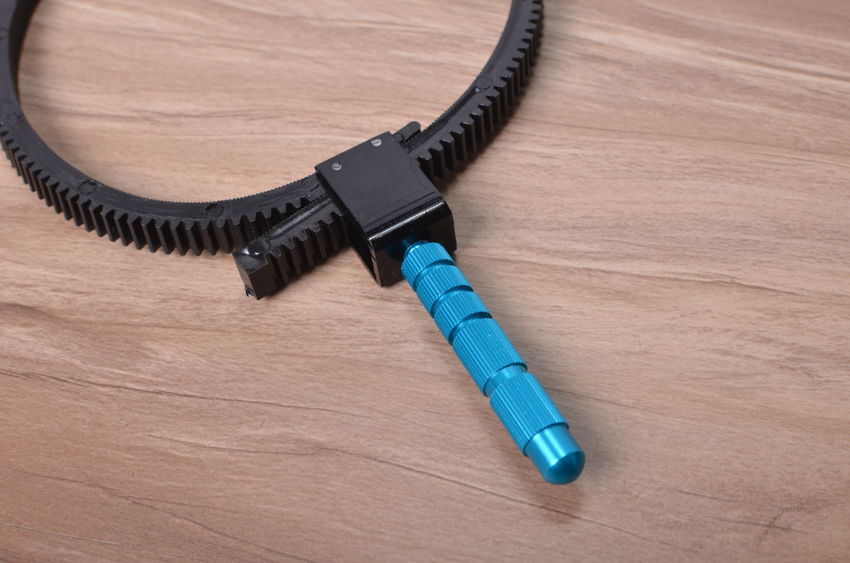
Yep. If you’re on a budget, modify your still lenses: add focus gears, use ND filters, and even de-click the aperture ring (if you’re brave). Follow-focus systems often include gear rings that wrap around your still lens to give you better control.
Prime vs. Zoom Cine Lenses
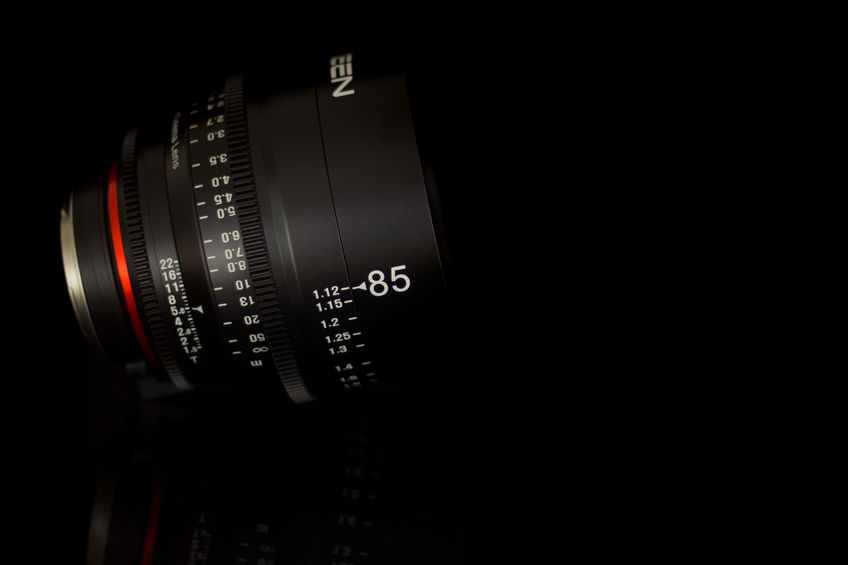
Most cine lenses are primes—fixed focal lengths like 35mm or 85mm. They’re lighter, sharper, and cheaper. Zoom cine lenses do exist, but they’re expensive and heavy. Most indie filmmakers build their kits around primes.
A good starter kit? Something like the Rokinon 14mm, 24mm, 35mm, 50mm, 85mm set. It covers wide to telephoto, and it’s affordable. Budget brands include Rokinon and SLR Magic, while mid-range includes Tokina. For pro gear, look to Canon, Zeiss, Cooke, or Fujinon (if you’ve got $99K lying around).
How to Choose Your First Cine Lens
Start with your focal length needs. If you shoot a lot of interviews or narrative work, a 50mm or 85mm is a solid bet. Shooting in tight spaces? Go wide—something like 24mm. Then ask yourself:
- What’s your budget?
- What mount does your camera use?
- What filter size do you need?
Matching focal lengths across the same brand helps your project look consistent. And if you buy wisely, you can build a full set over time.
See also Affordable Cine Lenses (Budget, Mid-Range, and Professional)
Summing Up
Cine lenses aren’t just for Hollywood. They’re tools that offer consistency, control, and professional polish—whether you’re shooting a short or building your reel. Start with what you can afford, and build your kit smartly. Know your needs, match your gear, and use the tools that bring the most out of your image.
Read Next: Want to explore how lenses affect your shot?
Browse all lens-related articles, from focal length and bokeh to distortion, compression, and more.
Looking for a broader context? Visit the Cinematography section for composition, movement, and lighting techniques.