

Published: May 2, 2024 | Last Updated: March 16, 2026

When you pick a film to watch, you’re almost always making a genre decision, whether you realize it or not. Genre is the invisible contract between a filmmaker and an audience, and understanding how it works changes the way you watch movies. This guide breaks down what genre means in cinema, how studios use it commercially, and why critics argue it’s far more fluid than a simple label.
What Is Genre in Film? Definition & Meaning
Genre is a system for classifying films by their shared narrative conventions, visual style, and audience expectations. Genre guides filmmakers in creating movies and helps audiences know roughly what kind of story they’re about to watch.
Stephen Neale, a British film scholar known for his research on Hollywood genre, describes genres as “systems of orientations, expectations, and conventions that circulate between industry, text, and subject.” Genre exists in the relationship between the film, the industry that made it, and the audience watching it. Over time, this produces new film subgenres as filmmakers push the limits of what each category can do.
In this article, I’ll examine what makes up genre in cinema and look at how genres function as dynamic, constantly evolving systems.
Understanding Genre in Cinema
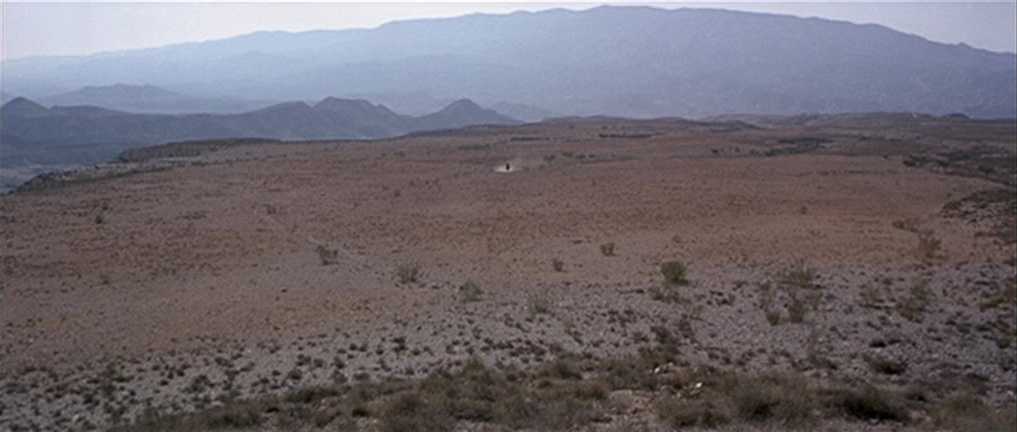
Image Source: Film-Grab
When you think about genre in cinema, you’re entering a framework that sorts films by their shared themes in film, narrative techniques, and visual approaches. Genres help audiences set expectations and give filmmakers a set of genre conventions to work with or push against.
Neale argues that this dynamic interaction makes genre a language through which films communicate with their audience. Genre classifications create a shared vocabulary among critics, scholars, and fans that makes comparing and contrasting films far easier.
The Role of Genre in Setting Expectations
Genres work through identifiable patterns and familiar elements that viewers recognize. A Western typically features rugged landscapes (spaghetti Westerns were often filmed in Southern Spain) and themes of frontier justice, as seen in The Good, The Bad, and The Ugly (1966). Science fiction focuses on advanced technology and futuristic settings, as in Blade Runner (1982). These patterns are both artistic choices and signals that prepare viewers for the kind of narrative experience ahead.
Jim Samson, a British musicologist and author of Genre (2001), made a point about genre in music that applies equally well to film:
[Genres are a] class, type or category, sanctioned by
Jim Samson, in Genre (2001).
convention [and] are based on the principle of repetition. They codify past repetition, and they invite future repetitions.
This adaptability is central to understanding how genres evolve with cultural and societal shifts. They come to reflect and respond to changing tastes and ideas.
Genre as a Marketing Tool
Genres are invaluable from a commercial perspective. By categorizing films, the industry can target specific audience segments, streamline its marketing strategies, and boost box office success.
Historically, genres emerged as the film industry grew. They served as a tool to streamline production and marketing. Studios could target specific audiences and create films within established frameworks that had already proven successful. This categorization includes familiar genres like action, comedy, drama, fantasy, and horror.
Horror films such as The Exorcist (1973) attract viewers who enjoy suspense in film and supernatural thrills, while romantic comedies like When Harry Met Sally (1989) appeal to those looking for humor intertwined with love stories.
Genre Innovation and Hybridization
Genres evolve and intersect over time. They respond to shifts in society, technology, and audience tastes. New genres emerge while older ones fade, transform, or blend with other genres to create hybrid forms.
The evolution of genres is a testament to the dynamic nature of cinematic art, which constantly responds to and reflects human culture and creativity.

Image Source: Film-Grab
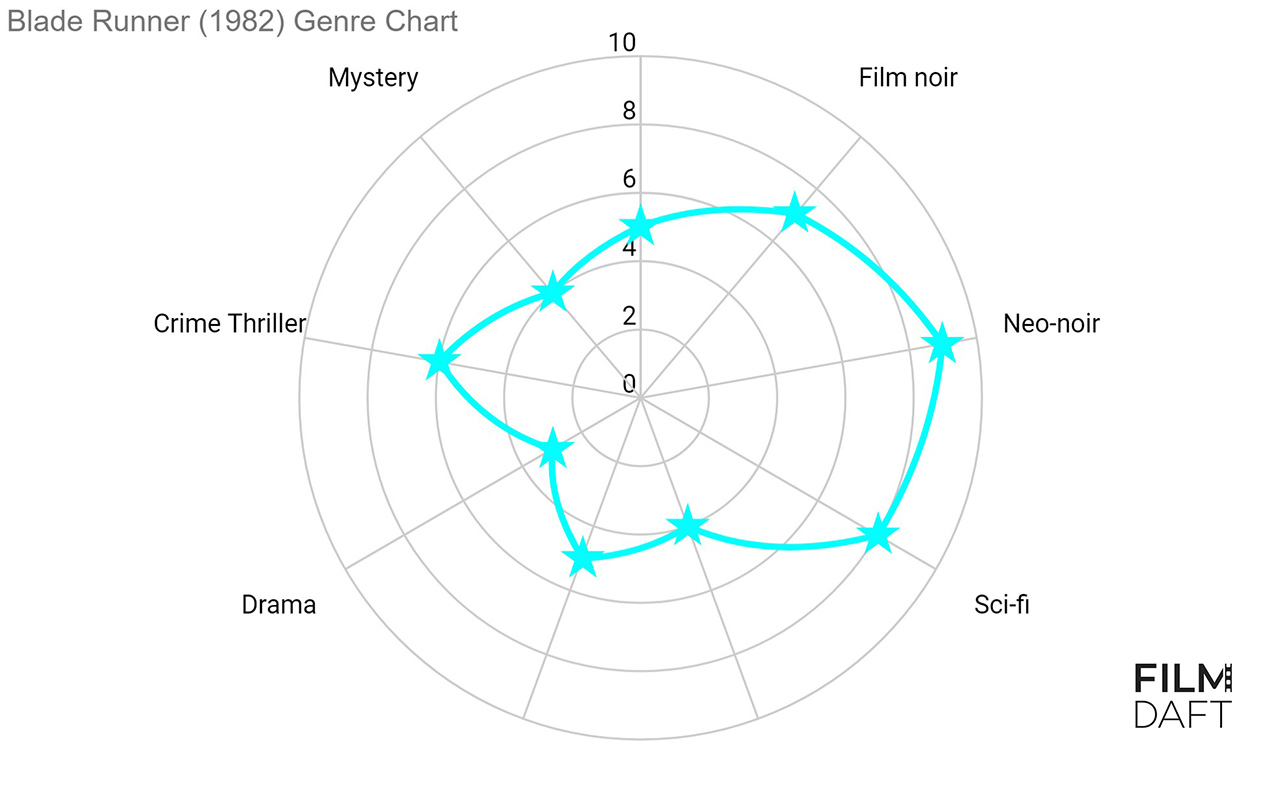
Filmmakers often blend elements of different genres to create hybrid films that appeal to diverse audiences and break conventional boundaries. Blade Runner (1982) is a science fiction film that also incorporates elements of film noir, with its complex protagonist and shadowy, rain-drenched cityscapes.
Genre blending reflects the complexity of social life and the intertextuality in film of all cultural forms.
Critical Perspectives on Genre
American literary critic and cultural theorist Fredric Jameson is among those who have argued that genre helps connect a society’s economic structures to the films it produces.
Jameson argues that genres reflect a particular society’s beliefs and values at a particular time. In other words, a genre evolves as societal norms and values shift.
In “The Political Unconscious” (1981), Jameson discusses how narrative structures within genres are “strategically selective” in representing social realities, which can serve to normalize specific ideologies (for example, the process that happens when Hollywood adopts a subculture and makes it mainstream).
In his article “Towards a New Awareness of Genre” (1982), Jameson argues that genre categories must be treated as fluid entities, and that a given work is best understood in relation to other works:
pure textual exemplifications of a single genre do not exist; and this, not merely because pure
– F. Jameson (I added the bold formatting)
manifestations of anything are rare, but […] because texts always come into being at the intersection of several genres and emerge from the tensions in the latter’s multiple force fields.
This discovery does not, however, mean the collapse of genre criticism but rather its renewal: we need the specification of the individual “genres” today more than ever, not in order to drop specimens into the box bearing those labels, but rather to map our coordinates on the basis of those fixed stars and to triangulate this specific given textual moment.
Although Jameson’s example deals with text genres, it applies equally well to film. As he describes it, no movie contains the pure exemplification of a single genre.
Graphically, one could illustrate Jameson’s idea of triangulation and fixed stars as follows:
Summing Up
Genre in cinema covers artistic, commercial, and ideological dimensions. It serves as a roadmap for filmmakers and audiences and guides how films are created and consumed.
As cultures and technologies evolve, so do the genres that resonate with audiences. This reflects broader trends in society and the arts. You can find a full overview in the movie genres list.
Whether through a classic like Casablanca (1942) or a modern blockbuster like Avengers: Endgame (2019), genre in cinema continues to define how stories are told and experienced.
Read Next: Curious how visual styles define film genres?
Explore our breakdown of Genre & Visual Style to see how movements like naturalism, noir, and surrealism shape what we watch.
Looking for the big picture? Visit our Film History, Theory & Genre page to connect techniques with the eras and ideas that shaped them.
