

Published: January 31, 2024 | Last Updated: February 12, 2026

Overview
Definition: Context is the information around a moment that changes how you read it.
What you’ve seen before: You have seen a line feel harmless in one scene, then feel threatening later because you learned new facts.
Example: A character says, “I’ll take care of it,” and it lands as neutral at first. Later you see the same character hide a weapon and lie to someone close to them. Now the line lands as a warning because you have new setup.
Why it matters: Context steers meaning. When you write, shoot, or edit, you choose what we know right now. That choice changes how key beats land. If you miss needed context, the scene can play as confusing, flat, or accidentally funny.
- Key takeaway 1: Decide what you want us to believe in this moment, then give the minimum details that support that read.
- Key takeaway 2: Place key information before the moment that depends on it, so a line or action lands the way you intend.
- Key takeaway 3: Check every scene for missing setup: relationships, stakes, rules, and recent events.
Next, let’s break context into clear types and show how films deliver it through craft.
What is context in film? Definition & Meaning
Context is the framework that makes a moment readable. In film, that framework comes from where the moment sits in the cut, what the story world has established, and what the film signals through craft. Context answers practical questions like, “What do we know right now?” and “What does this moment mean because of what we already saw?”
Context does not replace evidence. A good reading still needs proof in the film’s choices, like framing, timing, performance, sound, and scene order. If a claim only works because you add outside trivia that the film never supports, then the “context” is not doing real work.
Context can also come from outside the story, like history, culture, and production limits. That outside context is useful when it helps explain what the film is doing on screen. It becomes a problem when it becomes a shortcut that skips the cut itself.
Why context matters when you write and watch
Context is how a film guides your interpretation without stopping to explain everything. The same line can land as funny, cruel, romantic, or threatening based on what you already know. The same close-up can feel harmless or alarming based on what the film has trained you to expect.
When you track context, you guess less. You can point to specific setup, timing, perspective, and payoff choices.
The four context types you can name
People say “context” as if it is one thing. In practice, it helps to name the type you mean. That makes your notes clearer on set and in analysis.
- Textual context: What comes right before and right after. A threat feels serious when the next beats show consequences.
- Narrative context: What the story has established so far. Track who knows what, what the characters want, and what the film has taught you to expect.
- Historical and cultural context: The real-world ideas, events, and social conditions that the film draws from or responds to. This matters most when the film clearly points to real institutions, real communities, or real history.
- Production and release context: Real-world limits and goals that affect what you see, like budget, censorship rules, and rating targets. This context can explain constraints, and it does not automatically fix unclear writing or missing coverage.
How films deliver context on screen
A film rarely gives you all the context in one speech. It builds context through repeated signals across image, sound, performance, and structure. When those signals line up, you settle on an interpretation fast. When they clash, you feel uncertainty, and that uncertainty can be the point.
Context through setup, payoff, and timing
Setup is information placed early. Payoff is the moment that reuses that information for meaning. Timing controls how hard the payoff hits. If a film plants a detail early, then returns to it under new pressure, the same object can gain a new meaning.
A good example is Get Out (2017, Universal). Early social moments establish what “polite” looks like in that world. Later scenes repeat similar behavior under higher stakes, so the earlier context shifts from awkward to alarming.
Context through framing, staging, and performance
Context often lives in where the camera stands and what it hides. A close-up tells you, “Treat this as important.” A wide shot can make a character look exposed. Performance adds context too. A line can read as sincere or strategic based on pauses, eye contact, and physical distance.
This is one reason subtext works. The surface line says one thing, and the context points to another meaning. FilmDaft’s guide to how to create subtext in film can help you connect intention to on-screen proof.
Context through repetition and pattern
Repeated details build context by training you to notice. The first time, a detail is just information. After a few repeats, it becomes a pattern. Patterns are where motifs, symbols, and themes start to form.
If you want to separate these ideas cleanly, FilmDaft has guides to motif, symbolism, and theme in film. The overlap becomes easier to manage when you track how the film builds context across scenes.
Context through genre expectations
Genre context is what the film assumes you already know. Horror teaches you to scan the frame for danger. Romantic comedy teaches you to watch for misunderstandings and repairs. Genre can save time in writing, and you still need specific setup so the moment does not feel unsupported.
A good example is Jaws (1975, Universal). The early beach scenes establish routine and safety. Later scenes reuse similar setups under higher stakes, so the earlier context turns into dread.
Context in film studies
In film studies, context is also a method. You choose outside information, and you test whether it helps explain what the film does on screen. The goal is a better explanation, not a bigger pile of facts.
Formal analysis and contextual analysis
Formal analysis stays close to craft. You focus on framing, editing, sound, performance, color, and structure. Contextual analysis brings in outside factors like history, culture, industry practice, and reception, such as how the film was marketed, reviewed, or debated.
Many readings use both approaches. You start with what is on screen, then you pick the outside context that earns its place.
Intertextuality as a context tool
Intertextuality is how one work gains meaning through its relationship with other works. A film can quote, mirror, remix, or argue with earlier stories. When you spot that link, you gain context for tone and what the film seems to be doing with the reference.
A good example is Scream (1996, Dimension Films). The film uses intertextuality and genre conventions as part of the story. It also leans on your knowledge of horror tropes so jokes and reversals land.
A practical workflow for contextual analysis
Contextual analysis works best when you treat it like a test. You make a claim, then you check whether the film supports it through specific choices. This keeps your reading tied to evidence.
- Pick a small unit. Name the exact scene, line, shot, cut, or sound moment.
- Describe what you can observe. Note framing, timing, performance, sound, and the order of information.
- Name the context type. Say whether your claim depends on textual, narrative, historical, or production context.
- Test the claim against the cut. Ask what would change if you remove that context. If nothing changes on screen, the context might be extra information, not an explanation.
- Finish in cause-and-effect. Explain how the context changes meaning, and what result it creates, like tension, irony, sympathy, or a shift in character judgment.
When context helps and when it gets in the way
Context helps when it explains the film’s choices and your response to them. It becomes a problem when it becomes a shortcut that skips on-screen evidence.
- Context helps with ambiguity. Outside context can map multiple readings, and each reading still needs on-screen support.
- Context helps when the film points outward. Films about war, race, religion, labor, or media often expect real-world knowledge. The film signals this through names, settings, institutions, and repeated ideas.
- Context fails when it becomes mind-reading. Claims about author intent need support in the work itself. Interviews can inform your view, and they do not prove what the cut communicates.
- Context fails when it becomes excuse-making. Budget limits can explain missing coverage. They do not automatically fix confusing staging or unclear motivation.
A quick context check you can use on set
Context is not only an analysis tool. It is also a set tool. Coverage, blocking, and emphasis decide what we know at the exact moment a line lands. If context is missing, the edit has less to work with.
- What do we know right now? Name the key facts and the key emotional state we should carry into the scene.
- What is the scene trying to change? Identify the shift, like knowledge, trust, fear, desire, or power between characters.
- What is the proof beat? Choose the shot or moment that proves the change, like a reaction, a reveal, or a physical action that locks the meaning.
- What extra context might the edit need? Grab an insert, a clean reaction, or a room tone moment when meaning depends on timing.
Types of context in film and how you spot them
These are common ways films give you context. Each one answers the same question: “What do we know now that changes how this moment reads?”
Dialogue that carries rules or stakes
Dialogue can deliver context directly, especially in stories with rules you must understand to follow the plot. Dialogue works best when it delivers information while characters push for something, like trust, control, or agreement.
A scene from Inception (2010) that explains dream-sharing and why the mission matters.
In Inception (2010, Warner Bros.), the rules are explained through conversation where characters test each other and set expectations. The context lands because it is tied to decision-making in the moment.
Visual context through mise-en-scène
Mise-en-scène is the arrangement of what you see in the frame, like sets, props, costumes, lighting, and blocking. It can tell you where you are, what matters, and what kind of world this is before anyone speaks.
FilmDaft’s illustrated guide to mise-en-scène goes deeper on how these elements work together.
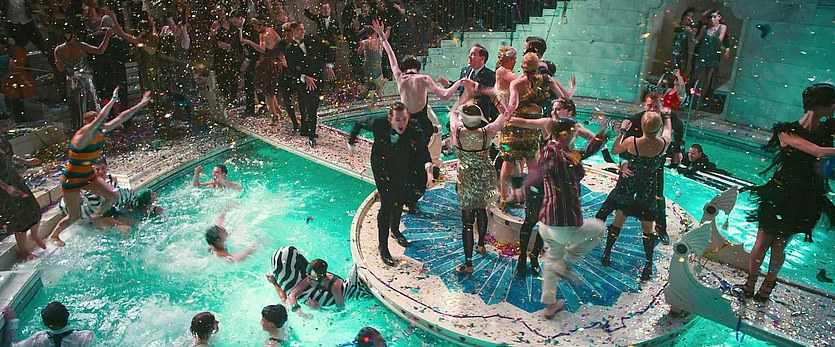
Production design choices like signage, furniture, wear-and-tear, and clutter can also signal money, taste, and control. FilmDaft’s guide to set dressing is useful if you want this broken down as a set role and workflow.

Flashbacks that reframe the present
Flashbacks add context by showing a past event that changes how you read the present. They work best when they answer a question the story already raised, like why a character fears something, or why a relationship is broken.
FilmDaft’s guide to flashbacks explains common structures and mistakes, like using flashbacks as late patchwork instead of planned setup.
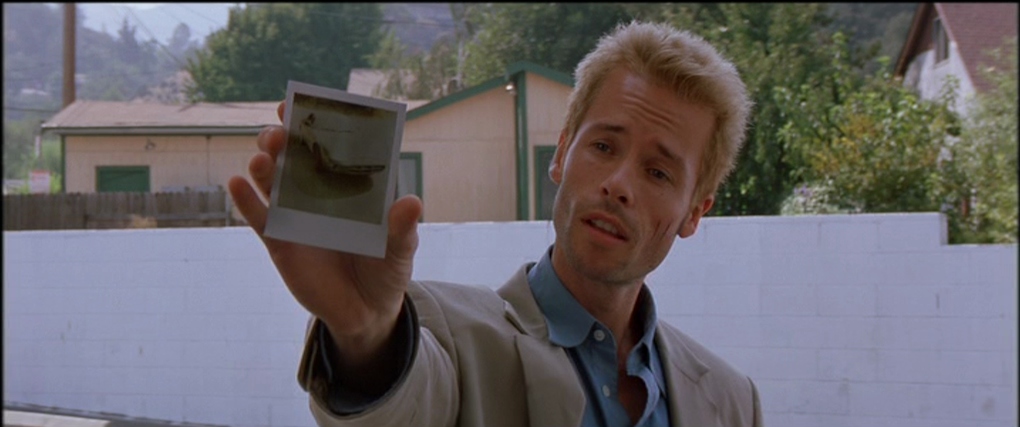
See also: How to Write and Reveal Backstories that Work in Film.
Voiceover and direct address
Voiceover can add context by giving you a character’s view of events, including their bias. It works best when it adds a second layer, like self-justification, denial, or a hidden agenda.
Related FilmDaft guides: voiceover, breaking the fourth wall, and diegesis.
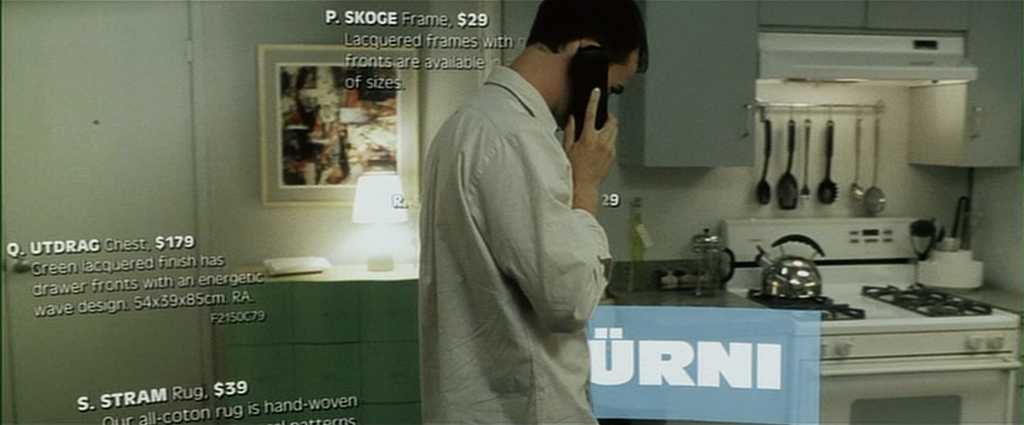
Cultural, historical, and genre context
Some films expect you to bring outside knowledge, like a real historical event or a familiar genre pattern. The film should still signal that link through names, settings, and repeated ideas, so you are not guessing what matters.
A clip from Selma (2014) that shows the story grounding its drama in real-world history.
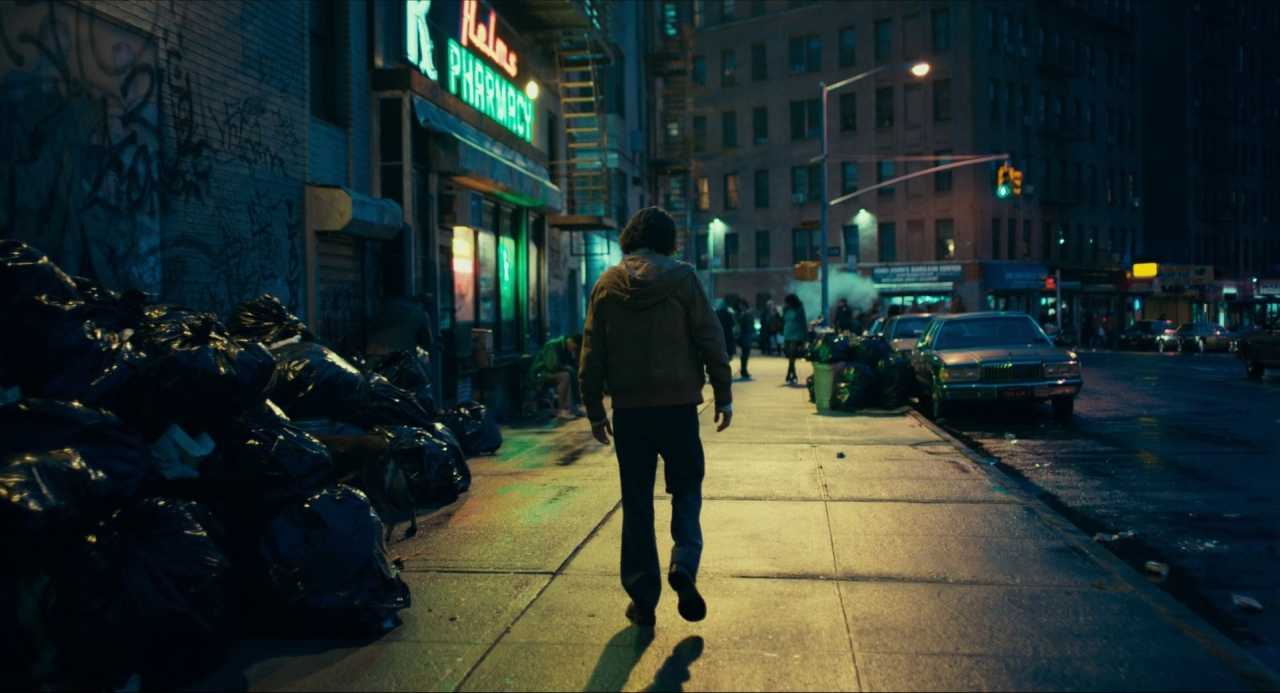
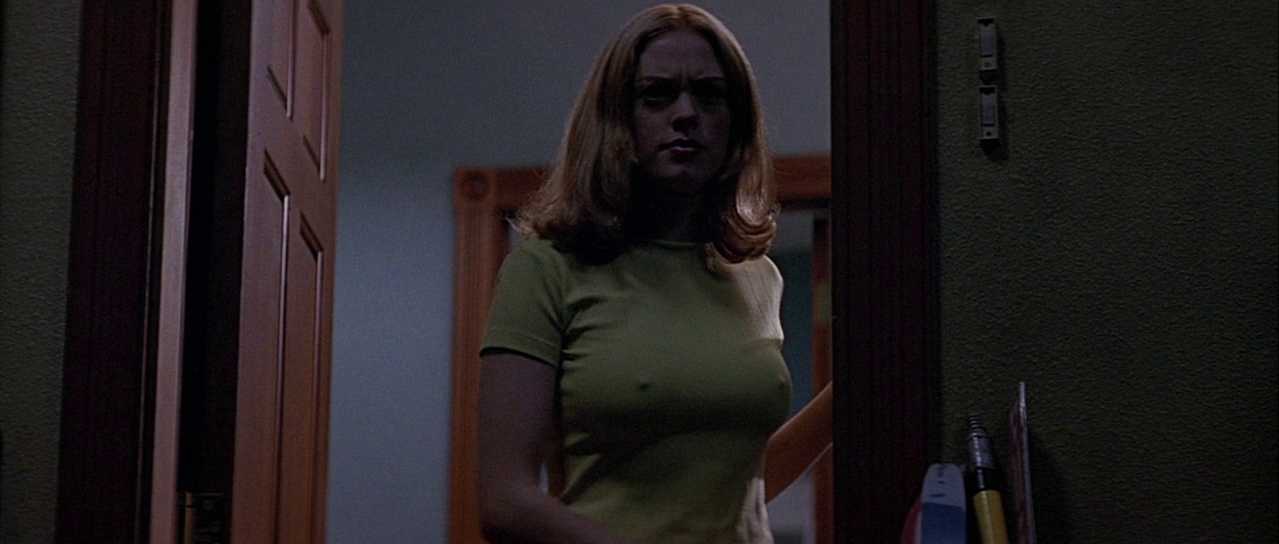
FilmDaft companions that fit here: horror tropes, intertextuality, and genre conventions.
Shifting perspective and unreliable narration
Some films build one version of context, then replace it. This works when the film plants consistent clues, so the new information still fits what you saw earlier.
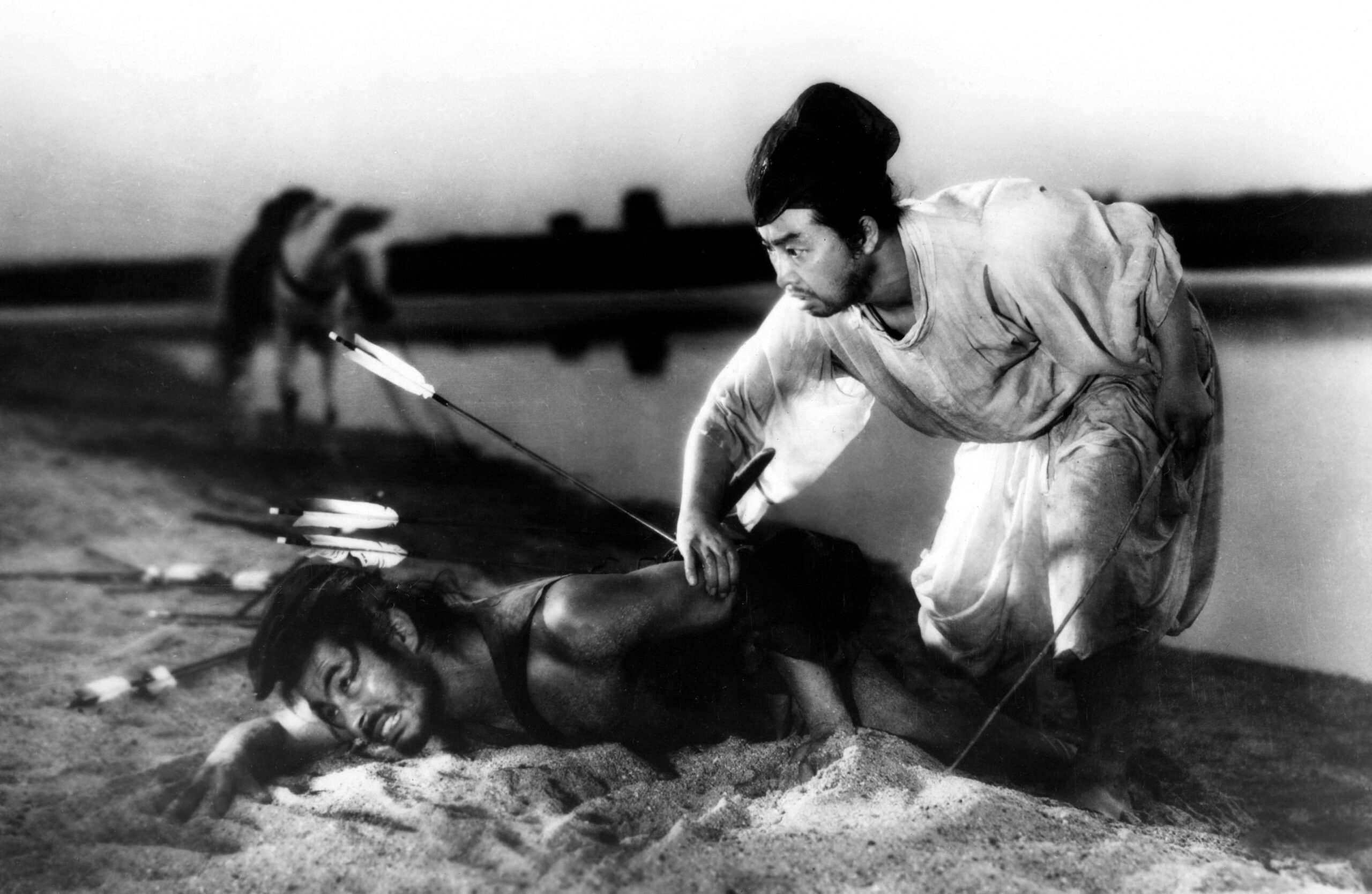
Rashomon (1950) is strongly tied to the term Rashomon effect, where conflicting accounts force you to question what is true.
Withholding context for twists
Some films hide one key fact until late. When the reveal lands, it changes how you interpret earlier scenes. This works best when the film plants consistent clues, so you can see the logic on a second watch.
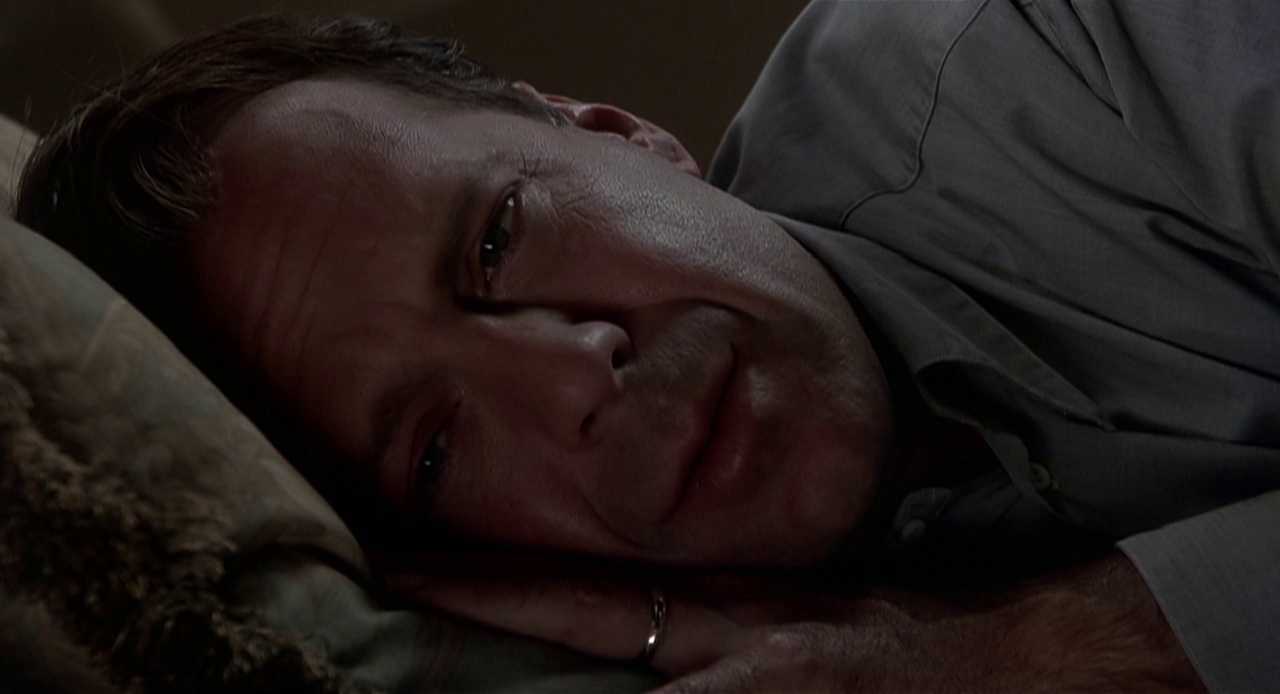
In The Sixth Sense (1999), we spend most of the film treating Malcolm Crowe as a living therapist helping a boy. In the denouement, the reveal changes how earlier scenes read. FilmDaft’s guide to plot twists goes deeper on how this kind of withheld context stays coherent.
Using context clues as a viewer
Not all context is handed to you. Sometimes you have to notice small signals, like a glance between characters, a photo on a wall, a repeated sound, or a change in music. These are context clues.
FilmDaft’s guide to context clues breaks down the clue types and how to use them without over-reading.
If you write scripts, you can plant context clues in props, reactions, and repeated behavior. If you direct or shoot, you can plant them through blocking, emphasis, and inserts. A clue works when it is visible, repeatable, and tied to something that matters later.
Related FilmDaft guides that connect here: setting, mood, and conflict.
Summing Up
Context is the information around a moment that changes how you read it. In writing, context comes from what surrounds a line and what the story has already established. In film, context comes from craft choices like framing, timing, sound, performance, and pattern. In analysis, context stays reliable when you name the type you are using and connect it to on-screen proof. In production, context becomes practical when you shoot the proof of a shift and protect the edit with the right coverage.
Read Next: Got a cool idea but no story yet?
Check out our Story Development section for help turning rough ideas into clear concepts, building stronger characters, and finding the heart of your script before you write page one.
Want to build the whole toolkit? Explore the Screenwriting archive for structure, formatting, and career advice that supports every step of your writing process.
