

Published: April 19, 2025 | Last Updated: July 4, 2026

What is Radial balance in art? Definition & Meaning
Radial balance in art is a type of visual symmetry where elements are arranged around a central point, spreading outward in a circular or spiral pattern.
How Radial Balance Works

In radial compositions, every element relates to the same center. This creates a strong focal point and a balanced visual flow.
Unlike symmetrical or asymmetrical balance, which divides space vertically or horizontally, radial balance distributes visual weight evenly in all directions.
Radial balance is found in religious art, design, and nature, from mandalas to flower petals to Gothic rose windows. Radial layouts are also used in architecture, logo design, and product packaging to guide attention and create structure.
Historical Examples of Radial Balance
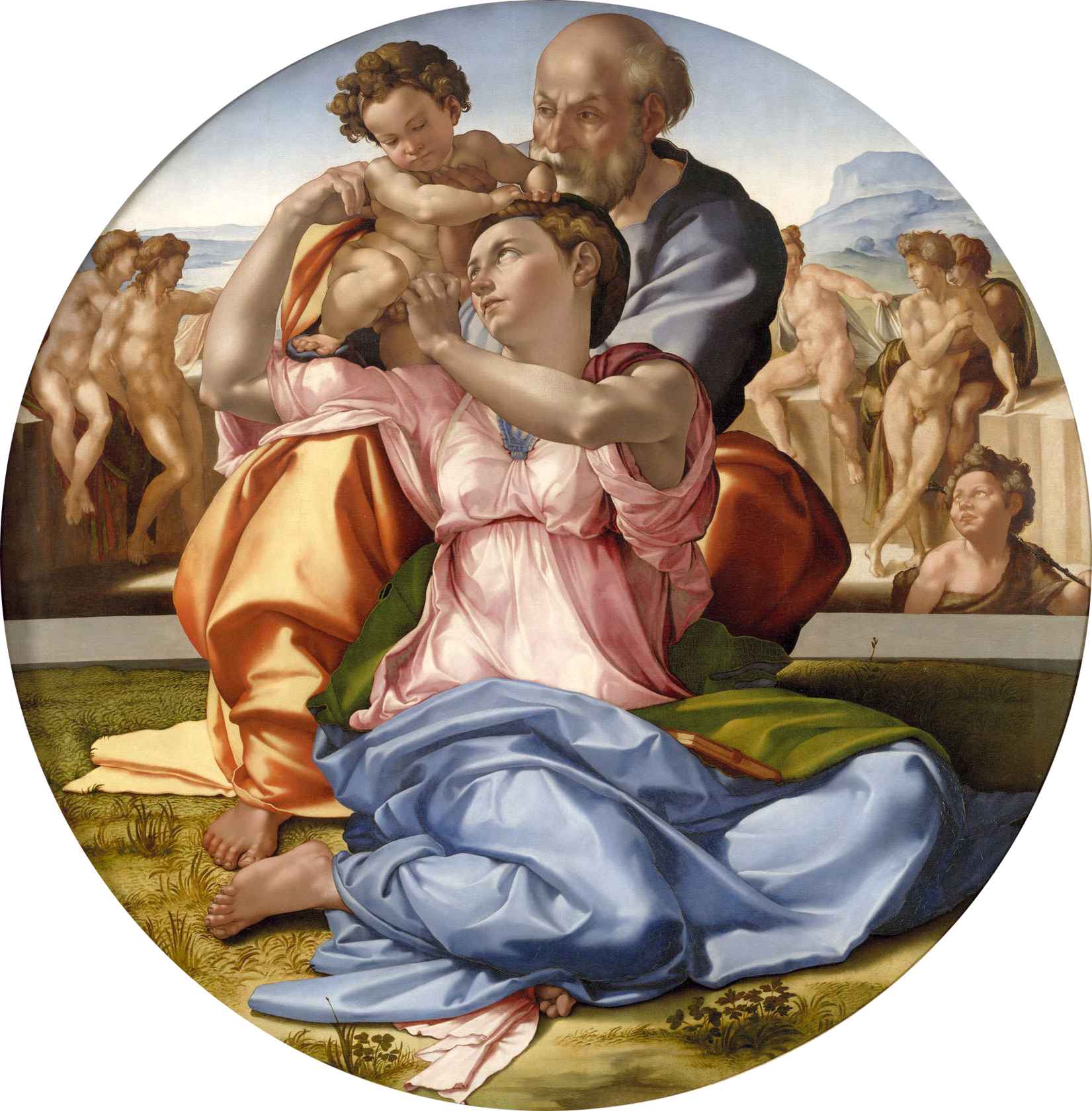
Circular formats have deep roots in art history. During the Renaissance, artists used the tondo (a round painting) to explore family, harmony, and spiritual unity.
A good example is Michelangelo’s Doni Tondo (1507, Uffizi Gallery), where the Holy Family is arranged in a perfect circular composition:
In Gothic cathedrals, rose windows organize stained glass around a center, blending narrative with symmetry. They guide the eye, structure space, and express symbolic meaning.

Radial Balance in Mandalas
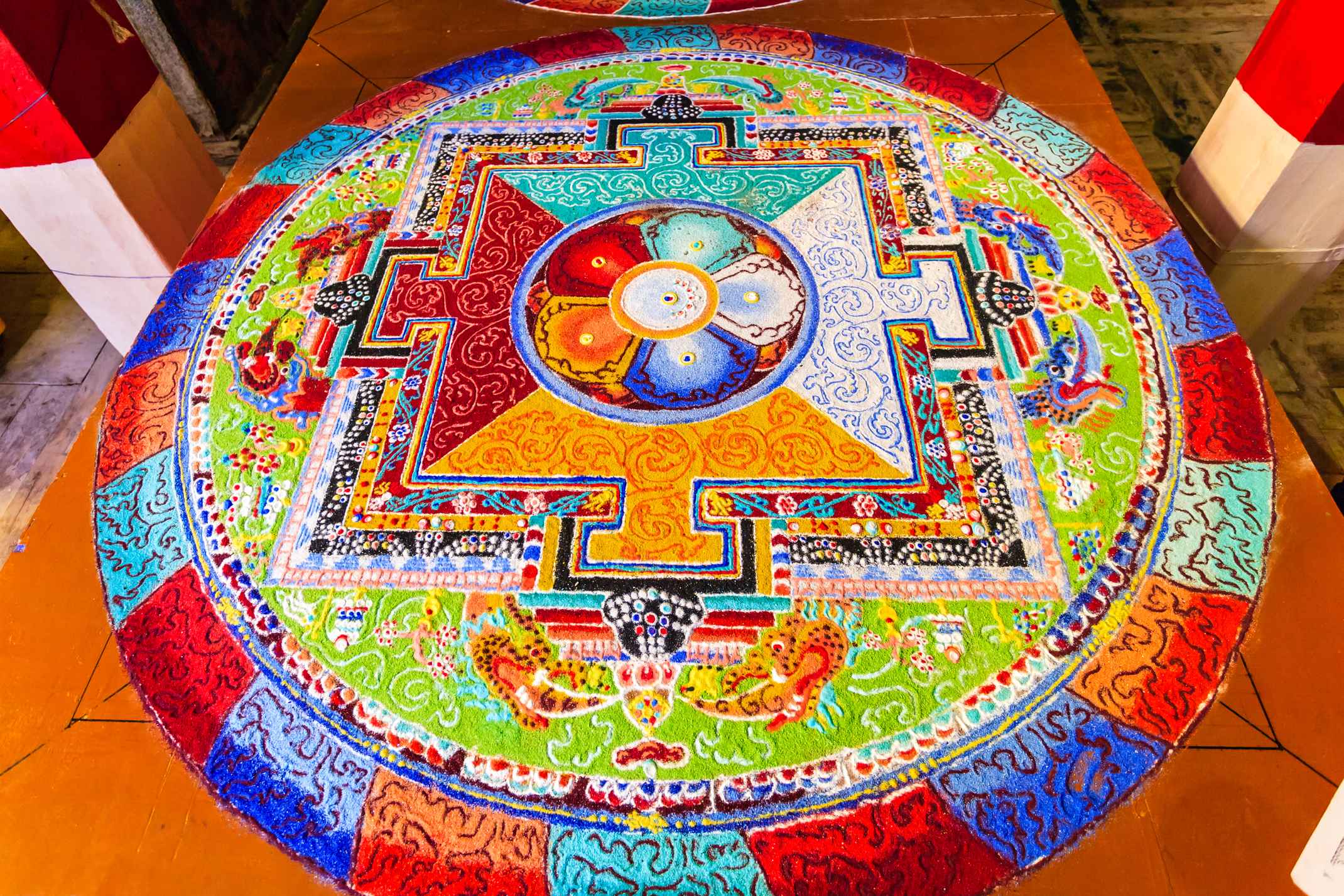
Radial symmetry is central to Hindu and Buddhist mandalas, where geometric patterns and figures are arranged around a single point to represent the cosmos, consciousness, or spiritual order.

In Tibetan traditions, monks create sand mandalas (using colored sands) over days or weeks. When finished, they destroy them to teach the impermanence of things. The process uses radial balance as a tool for meditation and visual clarity:
Modern Uses of Radial Design
In the 20th century, artists like Robert Delaunay used radial forms to explore movement and color. His Circular Forms series (1913, various collections) arranges shapes around a center to build rhythm and depth.

M.C. Escher also worked with radial structure in optical illusions.
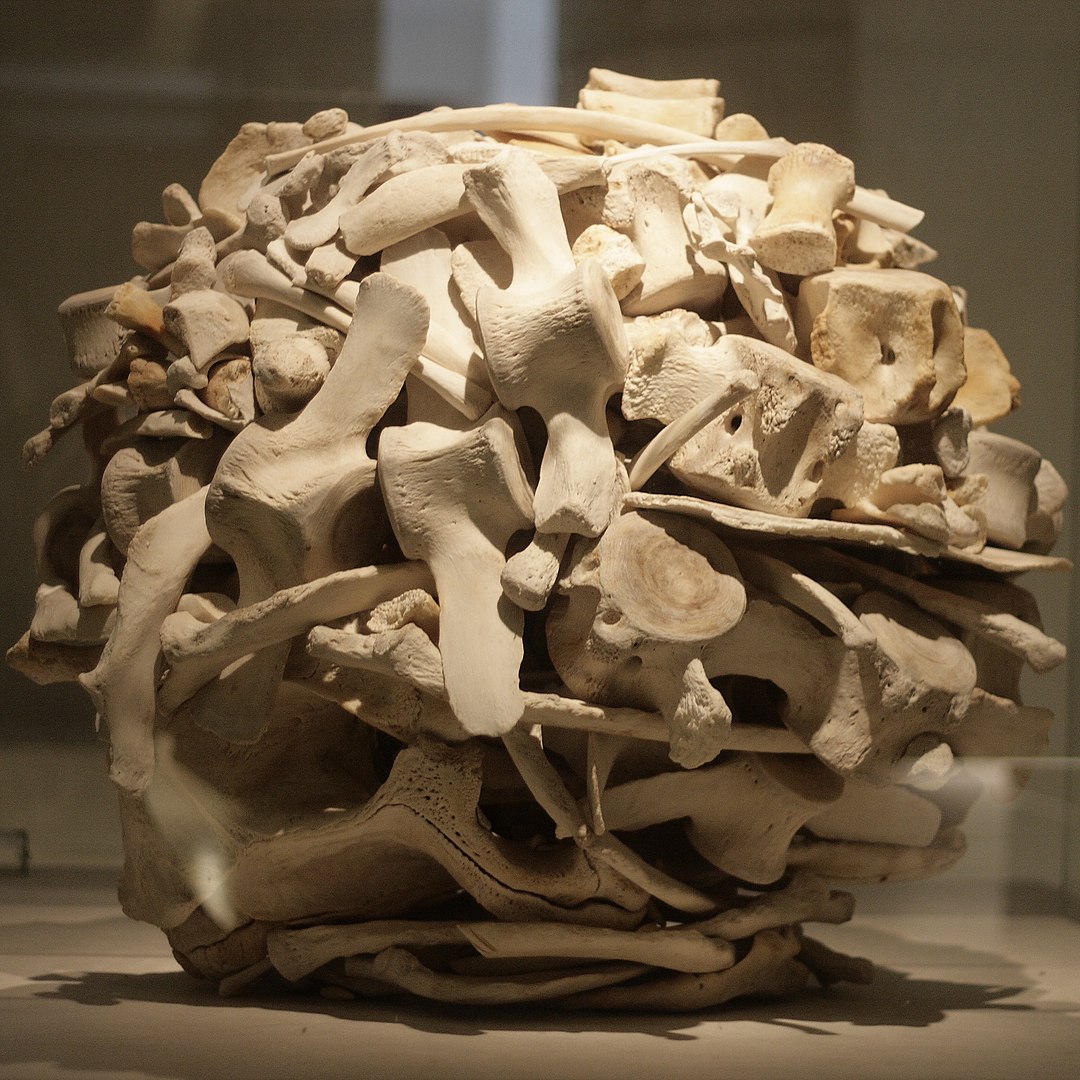
In environmental art, Andy Goldsworthy builds natural installations using leaves, stones, and ice in radial patterns that blend symmetry with impermanence:
Radial Balance in Film and Design
Radial balance also appears in film. Take, for instance, director Stanley Kubrick centers objects in circular frames to reflect stability and precision.
To create the rotating space station in 2001: A Space Odyssey (1968, MGM), Kubrick used radial design both in form and camera movement. The radial design is evident in both the overall shape of the station and its interior (such as the elevators) are round:
It’s also present in the spaceships, probably best shown in the famous exercise sequence on the trip to Jupiter:
How It Differs From Other Types of Balance

Symmetrical balance divides space into equal halves. Asymmetrical balance relies on visual weight rather than reflection. Mosaic balance distributes many elements across the surface without hierarchy.
Radial balance differs because it anchors everything to a central point and organizes visual flow outward or inward. This structure gives radial balance its unique power to center, stabilize, and direct attention at once.
Summing Up
Radial balance is a compositional technique that places all visual elements around a shared center. It appears in sacred art, design, nature, and film. By spreading forms evenly in all directions, artists and creators use radial symmetry to create harmony, focus, and motion in a single structure.
Radial Balance FAQ
What is radial balance in art?
A composition where elements radiate outward from (or inward toward) a central point, like the spokes of a wheel, creating a circular sense of order and movement.
What are examples of radial balance?
Rose windows in cathedrals, mandalas, sunbursts, and overhead shots arranged around a central figure.
What is the difference between radial and symmetrical balance?
Radial balance is a type of symmetry organised around a centre point, while standard symmetry mirrors across an axis.
How is radial balance used in film?
Through circular staging, overhead “God’s-eye” shots, and framing that arranges the scene around a central subject.
Why use radial balance?
It creates a strong, hypnotic focal point and a sense of movement, unity, or spectacle.
Read Next: Curious how art movements shaped film?
Explore our full Visual Art Timeline to see how styles like Surrealism, Cubism, and Suprematism influenced cinema’s most experimental moments.
Or keep browsing our Film Movements & World Cinema section for more on the histories that shaped screen culture around the globe.
