Published: October 22, 2025 | Last Updated: November 14, 2025

What is Pre‑Code Hollywood? Definition & Meaning
Pre‑Code Hollywood is the era of American filmmaking between 1929 and mid‑1934, when studios produced sound films without the strict enforcement of the Motion Picture Production Code (also called the Hays Code).
During these years, films included sexual themes, violence, and characters who were neither clearly good nor clearly evil before the censorship of the code fell like a hammer. This short window allowed directors and writers to take creative risks that shaped early Hollywood.
When Was the Pre‑Code Era?
The era began in the late 1920s when synchronized sound became standard. The Motion Picture Production Code was introduced in 1930, but studios didn’t follow it.
There was no strong enforcement until July 1, 1934, when the Production Code Administration (PCA) gained real power. From that point on, all scripts had to meet strict moral guidelines before production.
Key Dates to Know
These dates outline the rise and fall of the pre‑Code era. Each marks a major shift in how the industry handled censorship.
- 1929 – Widespread release of sound films
- 1930 – Code written, studios sign but ignore it
- 1934 – PCA begins full enforcement
See a full timeline of film and animation.
What Was Allowed in Pre‑Code Films?
Pre‑Code films included topics that would later be banned or heavily restricted, including real-world issues like poverty or sexual behavior. They often reflected struggles from the Great Depression and used genres like horror, gangster films, and musicals to show subjects that were considered inappropriate at the time.
The list below breaks down the major themes, character types, and genres that made pre‑Code films stand out.
- Sexual themes – Affairs, innuendo, prostitution, and women using sex as power
- Violence and crime – Gangsters as leads, police corruption, and blurred moral lines
- Independent women – Female characters who pursued money, pleasure, or control without being punished
- Social issues – Unemployment, racism, prison abuse, and working-class poverty
- Controversial characters – Queer-coded roles, interracial relationships, and flawed religious figures
- Genre films – Horror, musicals, and adventure stories explored sex, death, and rebellion in bold ways
Famous Pre‑Code Films
The examples below show how different genres and characters broke taboos before censorship forced Hollywood to clean up its image. These films are still discussed today for their honesty and direct approach.

Baby Face (1933, Warner Bros.) – Barbara Stanwyck plays a woman who sleeps her way to the top of a bank.
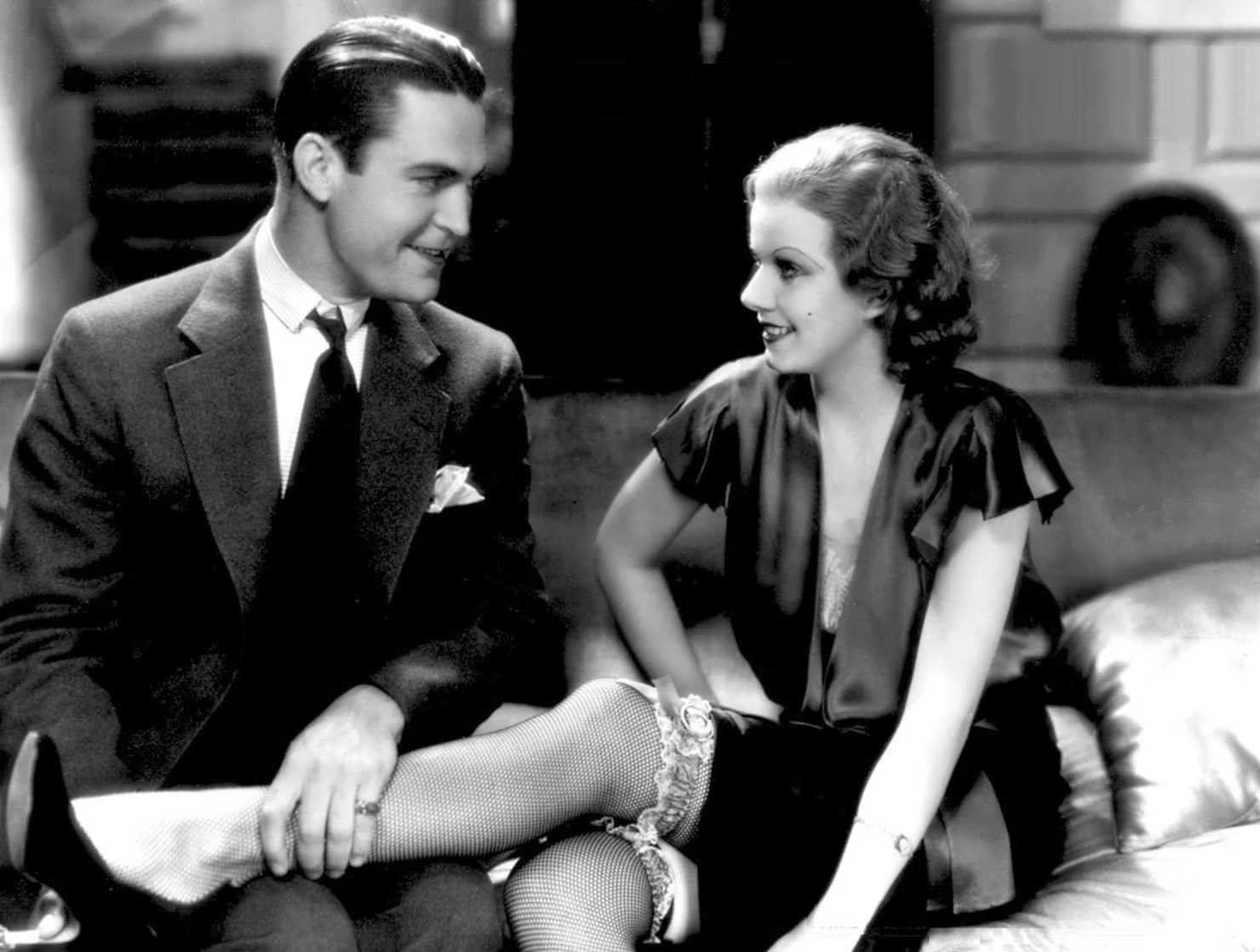
Red‑Headed Woman (1932, MGM) – Jean Harlow’s character uses sex to gain power without facing moral punishment.
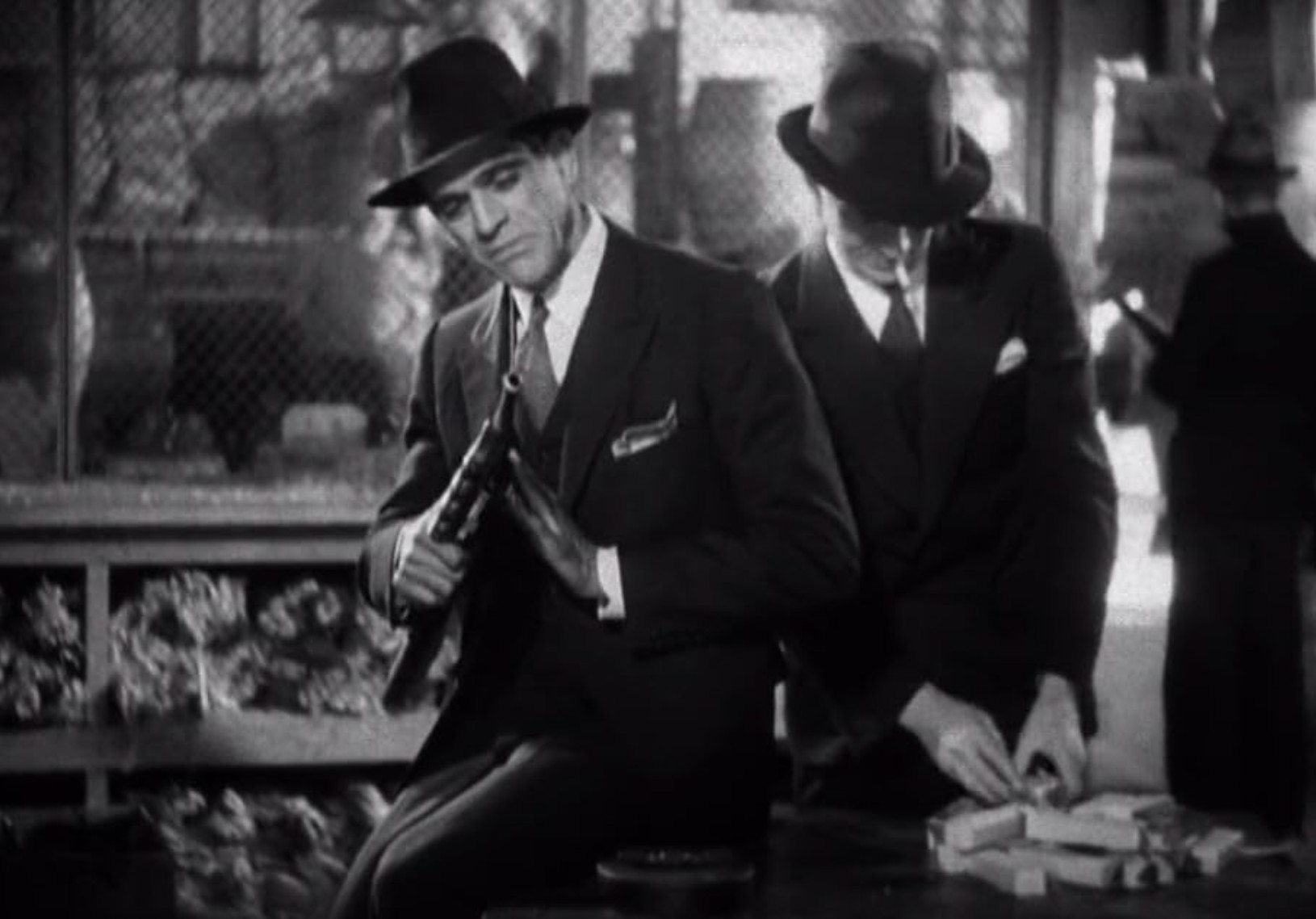
Scarface (1932, United Artists) – Paul Muni stars as a gangster in a violent film that glamorizes crime.

Freaks (1932, MGM) – Tod Browning’s horror film cast real sideshow performers and was banned in multiple countries.
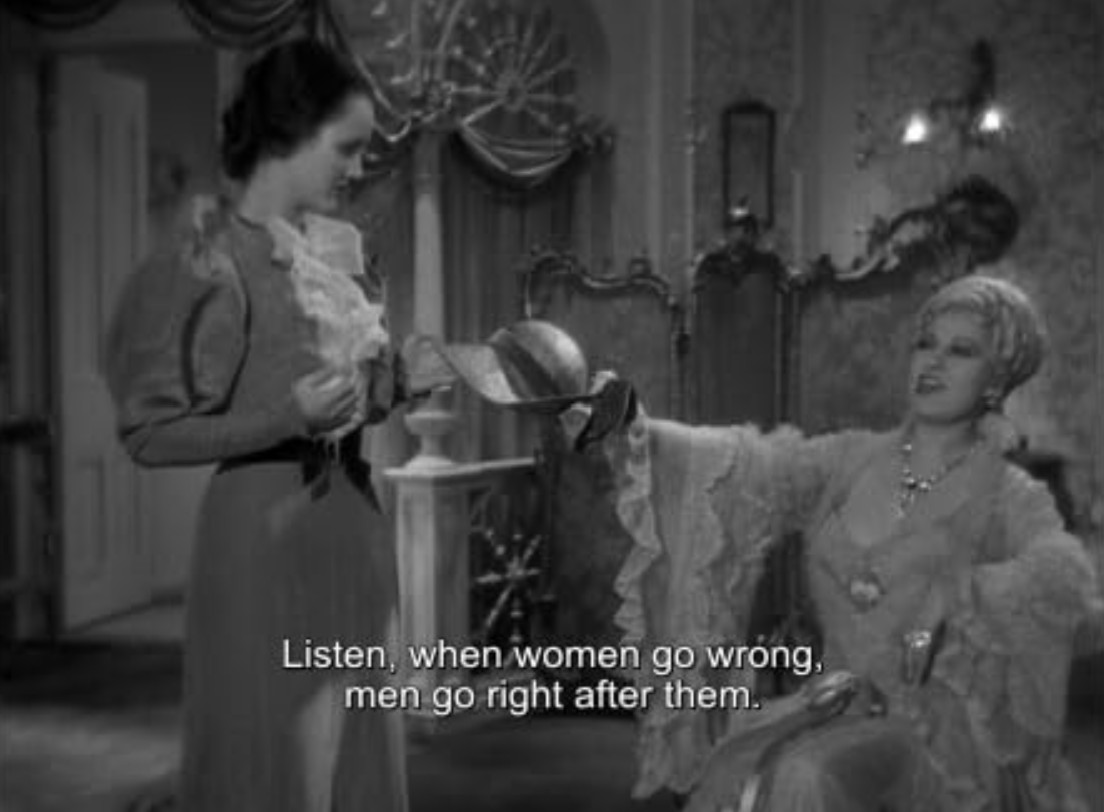
She Done Him Wrong (1933, Paramount) – Mae West plays a saloon singer who uses bold innuendo and playful wordplay to control every man in the room. Her lines like “Why don’t you come up sometime and see me?” made sex a joke, a weapon, and a business strategy, all without breaking the law.
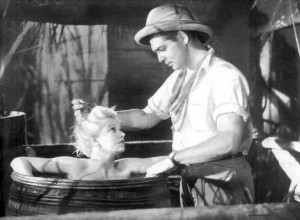
Red Dust (1932, MGM) – Clark Gable stars alongside Jean Harlow in a steamy jungle romance that features adultery, bath scenes, and Harlow lounging in a rain barrel. It’s a clear example of how pre-Code films openly mixed sex and humor, especially in exotic or colonial settings.
What Was the Hays Code?
The Hays Code was a set of moral guidelines written in 1930 to control what could be shown in American films. Its full name was the Motion Picture Production Code, but it was nicknamed after Will H. Hays, the head of the Motion Picture Producers and Distributors of America (MPPDA).
The Code banned or restricted content related to sex, crime, profanity, drugs, religion, and anything that might “lower the moral standards” of viewers. Studios technically agreed to follow it in 1930, but they ignored it until 1934, when the Production Code Administration (PCA) took over and began strict enforcement. From then on, every script had to be approved before production.
The Code stayed in effect until the late 1960s, when it was replaced by the MPAA rating system we use today (G, PG, R, etc.).
Why the Code Was Enforced (and What Changed After)
By 1934, pressure from religious groups like the Catholic Legion of Decency, along with threats of government regulation, forced studios to follow the rules. The PCA, led by Joseph Breen, reviewed every script and blocked content that broke moral standards of the time.
Once the Code took hold, criminals had to be punished. Sex had to be implied, not shown. Topics like abortion, drug use, and interracial romance were completely removed.
Writers and directors used clever dialogue, metaphors, and visual suggestions to get around censorship. That helped define the indirect style of classic Hollywood films.
Modern Legacy of Pre‑Code Films
Today, pre‑Code films are studied for how honestly they reflect the struggles, values, and fears of early 1930s America. They show what early Hollywood dared to put on screen before censorship forced studios to hide it.
Pre-Code films challenge social expectations about gender, sex, class, and power. They center complex women, show real-life struggles, and “boldly went where no (wo)man in cinema had gone before” (to paraphrase Captain Picard from Star Trek) in terms of stories that still feel relevant today.
Some were lost or edited after 1934, but many have been restored for modern audiences.
Summing Up
Pre‑Code Hollywood was a short but important chapter in film history. From 1929 to 1934, studios made movies that broke moral taboos, reflected real social problems, and showed behavior that censorship would soon ban. Understanding this era helps you see how film content is shaped, not just by artists, but by the rules they’re forced to follow.
Read Next: Curious how art movements shaped film?
Explore our full Visual Art Timeline to see how styles like Surrealism, Cubism, and Suprematism influenced cinema’s most experimental moments.
Or keep browsing our Film Movements & World Cinema section for more on the histories that shaped screen culture around the globe.