

Published: October 9, 2025 | Last Updated: July 4, 2026

What is Atmosphere in writing? Definition & Meaning
Atmosphere in literature is the overall feeling or emotional environment that you create through description, setting, tone, and sensory detail. It gives your scene emotional weight. Readers can feel tension, safety, mystery, or unease before any action begins. Atmosphere builds gradually through specific, physical details, and often shifts as your story unfolds.
Why Atmosphere Matters
Atmosphere sets the emotional tone of a scene before the plot moves forward. It tells the reader what kind of world they’ve stepped into.
You can use atmosphere to guide the reader’s expectations, raise tension, or create a sense of peace. It also builds trust between you and the reader, so that even silence or stillness can feel heavy with meaning.
How to Build Atmosphere
You don’t need to explain the mood directly. Build it through setting, tone, sensory detail, and the way your characters behave. Each part of the scene works together to shape the emotional feel.
1. Use Specific Setting Details
The physical world creates the emotional frame. Choose locations, time of day, objects, and weather that match the feeling you want to create.
- A foggy street at dawn feels different than a crowded café at noon.
- A child’s bedroom feels different if the window is cracked and the hallway is silent.
Example: In Wuthering Heights (1847), the wind-swept moors feel wild and empty. That harsh setting builds emotional pressure before any dialogue begins.
2. Use Sensory Language
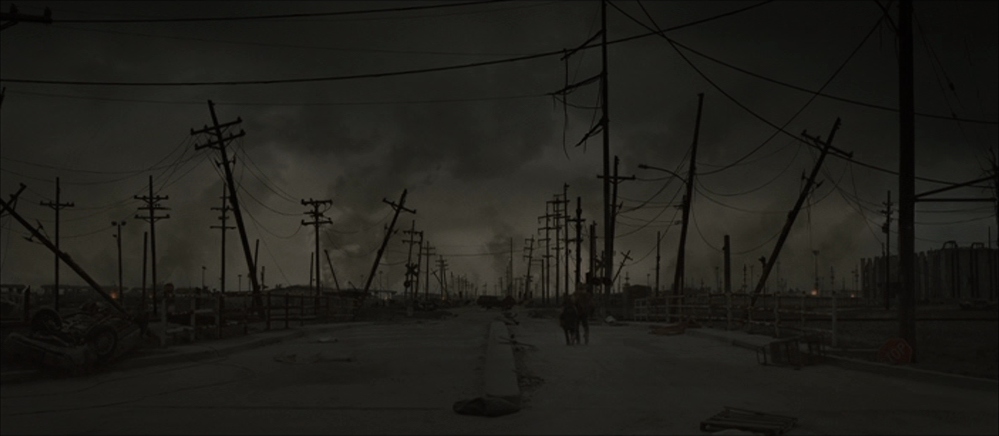
Don’t stop at how the scene looks. Try describing how the air feels, what sounds fill the space, or what smells linger. Sensory cues pull the reader into the moment.
- The air might be still and heavy, filled with the scent of rotting leaves.
- The walls might feel too close, the floorboards cold and creaky.
Example: In The Road (2006), ash covers the ground. The silence is deep. The world feels lifeless. Every detail supports the bleak atmosphere.
Read more on the elements that create atmosphere in film.
3. Use Tone, Word Choice, and Character Reactions
Your tone shapes the scene’s emotional effect. Choose words that match the mood you want; sharp, harsh words build tension; soft, flowing words create calm.
Also, remember to let your characters’ reactions reinforce that tone. If they act nervously, the reader will feel it. If they speak slowly or stare too long, the atmosphere shifts.
- If someone lowers their voice and glances behind them, the space feels unsafe.
- If someone pauses mid-sentence and smiles too long, it creates discomfort.
Example: In The Tell-Tale Heart (1843), Poe uses words like “hideous,” “vulture,” and “mad.” The narrator’s voice is sharp and frantic, which makes the room feel small, tense, and disturbed.
Example: In Of Mice and Men (1937), characters speak quietly when Curley is mentioned. Their silence creates an atmosphere of tension before he even enters the scene.
4. Use Foreshadowing and Symbolic Detail
Include small details that hint at future changes. A creaking door, a cracked photo frame, or a flickering light can shift the mood before the plot does. Elements such as these are great for building tension or sadness without direct explanation. Even in writing, the old saying is true: show, don’t tell!
Example: A shattered picture frame in a clean room might suggest that something in this family is broken. You don’t need to say it; the reader will feel it.
Tip: Let the atmosphere shift as the story moves. A calm morning can slowly feel wrong if you remove sound, dim the light, or show strange behavior. Small, steady changes keep the emotional tone alive and reactive.
Atmosphere vs Mood vs Tone
These concepts work together, but they’re not the same. Knowing the difference helps you write with more control.
- Atmosphere is the emotional feel of the scene that you create through setting and detail.
- Mood is the emotional response the reader has to that scene.
- Tone is your attitude or voice as the writer.
When you control tone, you shape atmosphere. When you shape atmosphere, you control how the reader feels. They’re linked, but atmosphere is the emotional space your story lives in.
Examples from Literature and Film
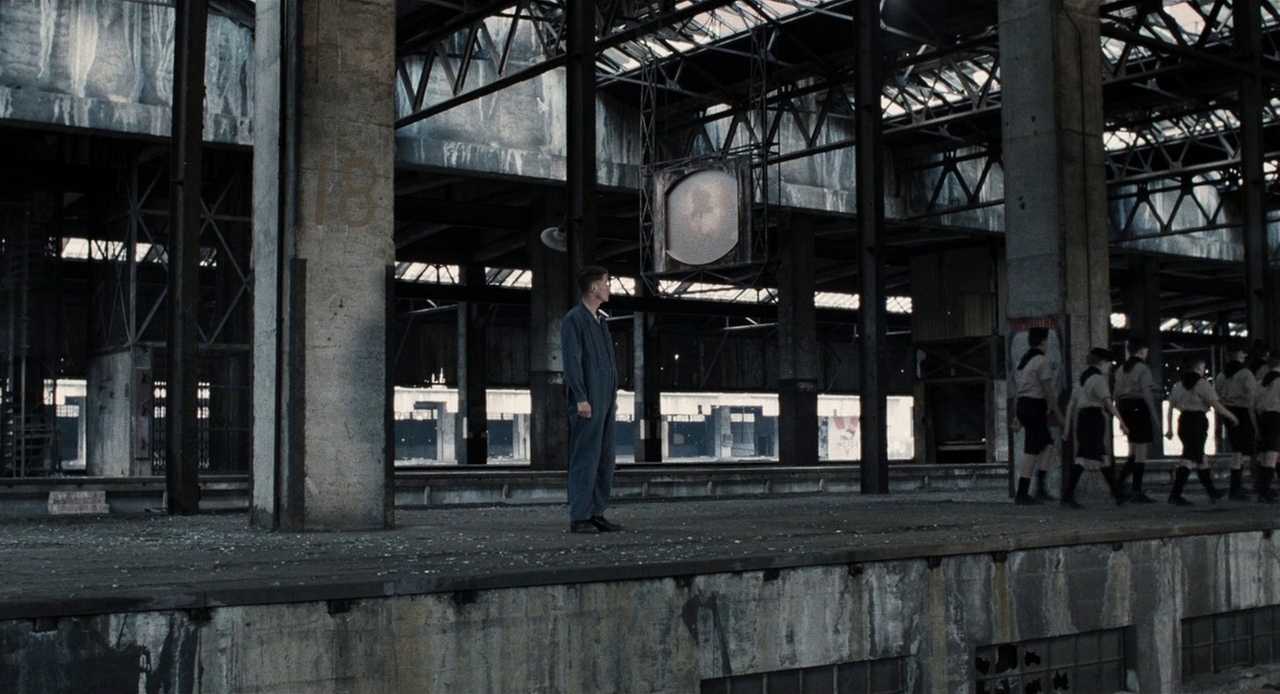
The best examples of atmosphere build emotion before anything is said or done. These scenes use quiet, space, color, and small cues to create emotional weight.
- In The Fall of the House of Usher (1839), everything feels damp, decayed, and closed in. That heavy atmosphere builds dread long before anything happens.
- In 1984 (1949), the city feels grey, watched, and silent. The atmosphere is sterile and oppressive, shaping the reader’s fear of control.
- In Get Out (2017), the polite family dinner feels calm at first. But strange pauses and long silences slowly make the scene feel dangerous.
- In Children of Men (2006), every space is dim and smoky. The atmosphere feels hopeless, even in moments of action or escape.
Common Mistakes to Avoid
Atmosphere is easy to break if your language isn’t consistent. Watch out for these common problems when building mood in your scenes.
- Breaking the mood too early – Don’t explain everything upfront. Let tension or emotion build slowly through detail.
- Using vague language – Words like “creepy” or “nice” don’t do enough. Describe what makes it feel that way.
- Clashing tone and setting – Don’t shift from calm to chaos in one sentence unless that contrast is the point. Let the tone change naturally with the story.
Summing Up
Atmosphere is the emotional tone of a scene, created through setting, sensory detail, tone, and character behavior. You don’t need to explain the mood directly, but you must guide the reader through what the space feels like. Build it slowly. Let it shift with the story. Keep it grounded in real detail. The stronger your atmosphere, the more your scenes will stay with the reader.
Atmosphere in Writing FAQ
What is atmosphere in writing?
The overall feeling a setting creates — the emotional quality of a place, built from description, detail, and sensory imagery.
What is the difference between atmosphere, mood, and tone?
Tone is the writer’s attitude toward the subject; mood is the feeling the reader takes away; and atmosphere is the feeling of the environment itself, which shapes the mood. Atmosphere and mood are closely linked, while tone comes from the author’s voice.
How do you create atmosphere in writing?
Through setting, sensory detail (light, weather, sound, smell), word choice, and pacing. A fog-bound moor and a warm, cluttered kitchen each build a very different atmosphere.
What are examples of atmosphere?
The bleak, isolated moors of Wuthering Heights, or the dark, Gothic dread of Frankenstein — settings whose details create a strong emotional charge.
How is atmosphere created in film?
Through lighting, colour, production design, sound, and music, which combine to give a scene its emotional feel before a word is spoken.
Read Next: Want to dig deeper into screenwriting?
Start with the Screenwriter’s Toolkit on literary devices vs. elements – a deep resource covering every major literary device and element used in writing.
Then explore our collection of practical writing techniques covering dialogue, structure, and pacing.
Or jump into the free screenwriting course to start your first draft today.
You can also head back to the Screenwriting section for more tools, theory, and breakdowns.
