

Reading Time: 7 minutesFor a basic three-point lighting setup, you must choose the wattage for your key, fill, and backlight (if you have one). Key lights are your strongest and should generally be around 500-2000 watts. The fill light used to fill in the shadows of your subject should be less powerful, 250-500 watts. Finally, your backlight used… Continue reading How Many Watts Do I Need for Video Lighting?
Lighting
Basic lighting setups and concepts explained for indie filmmakers and video content creators.
What is Low-Key Lighting? And How to Use It?

Reading Time: 6 minutesWhat is low-key lighting? Definition & Meaning Low-key lighting is a high-contrast style of lighting used in photography and film, most commonly seen in film noir, thriller, and horror, and is associated with dramatic action. It is characterized by strong areas of shadow within the frame, wrapping and contouring a subject. Low-key lighting is achieved… Continue reading What is Low-Key Lighting? And How to Use It?
Five DIY Video Light Diffusers You Already Own

Reading Time: 4 minutesBefore we start: a note about heat and potential fire hazards. Studio-level tungsten lights run hot. There’s no way around it. Keep this in mind when placing your diffusion. Some of the below-mentioned DIY options are not heat-resistant and must be placed at a safe distance from your light to avoid catching fire or melting.… Continue reading Five DIY Video Light Diffusers You Already Own
What Is Rembrandt Lighting? Definition and Examples

Reading Time: 4 minutesWhat is Rembrandt lighting? Definition & Meaning Rembrandt lighting is a classic lighting technique where a triangle of light appears on the shadowed cheek of a subject, typically created by placing a single light source above and to the side of the face, creating contrast while maintaining detail. The Origins of Rembrandt Lighting The technique… Continue reading What Is Rembrandt Lighting? Definition and Examples
Lighting in Film 103: Basic Lighting Setups
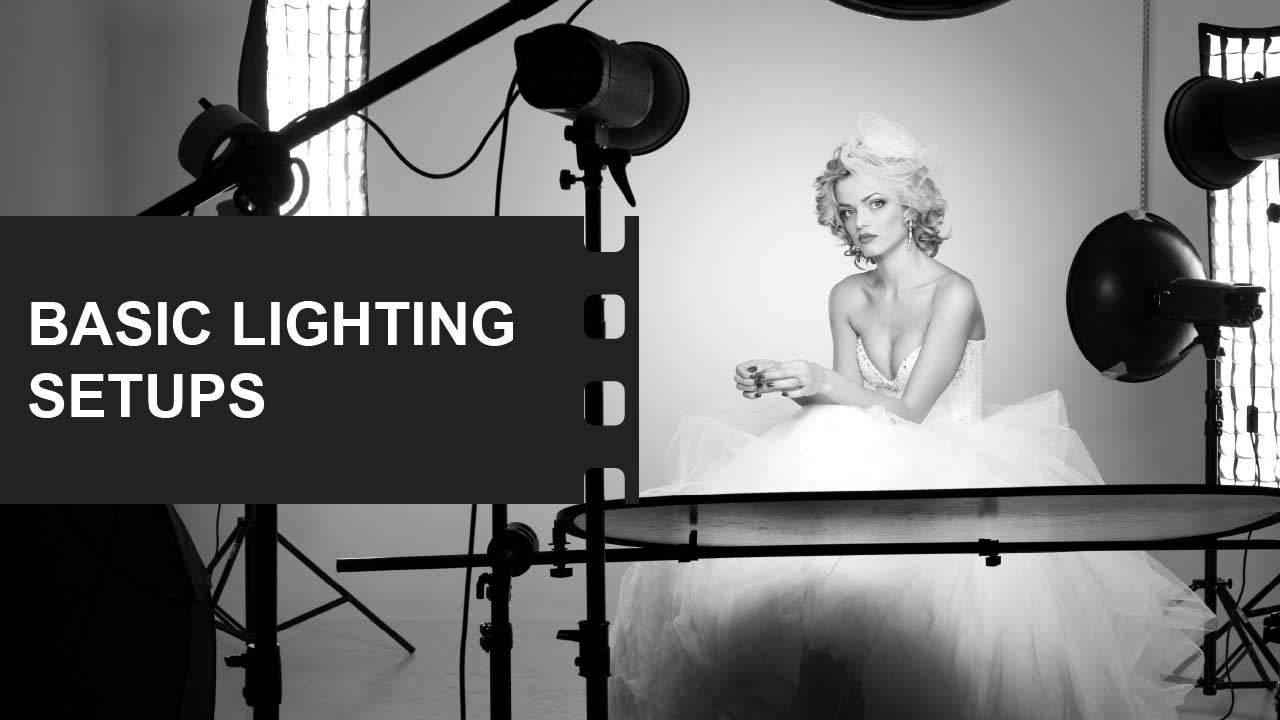
Reading Time: 11 minutesIn this article, I’ll guide you through the basic light setups for video – from 1-point- to 4-point lighting. The information is meant as a recipe to get you started. In reality, though, nothing beats real-life experience. You are responsible for using the information and experimenting. Key Takeaways What is a lighting setup? A lighting… Continue reading Lighting in Film 103: Basic Lighting Setups
Lighting In Film 102: Types of Lamps, Lights & Modifications
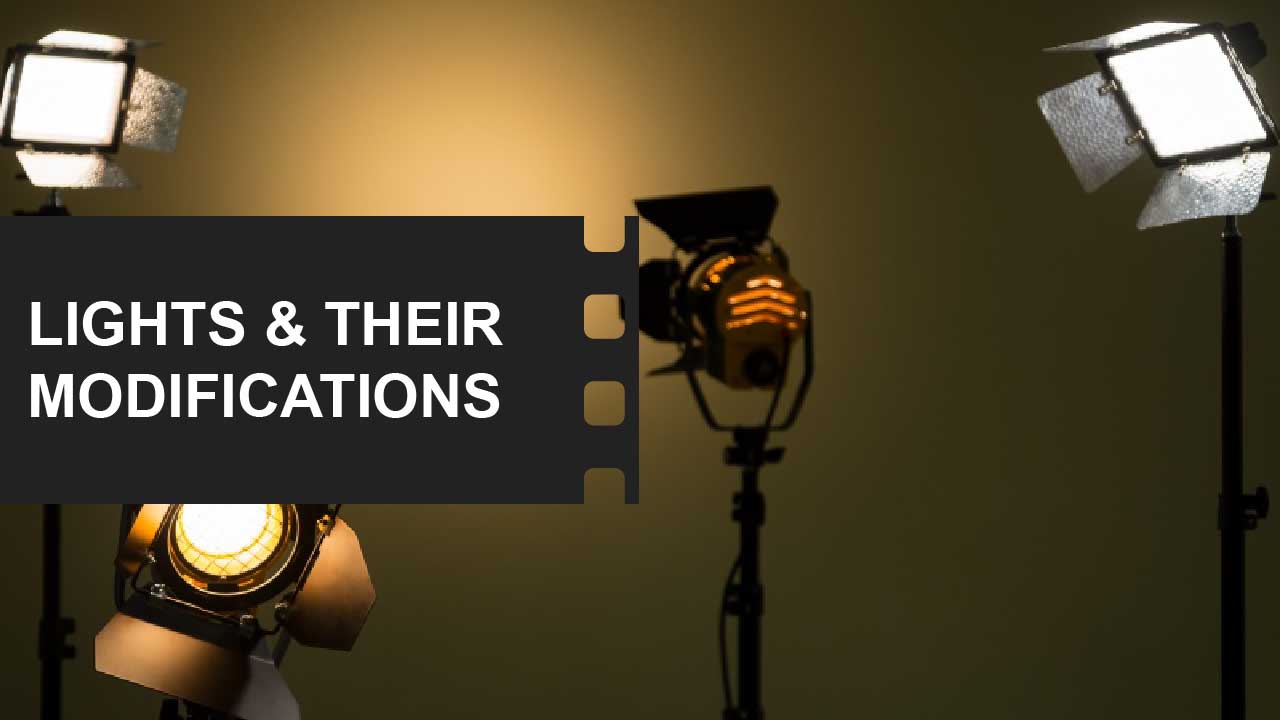
Reading Time: 11 minutesIn the previous article, we looked at different lighting types, such as natural and artificial. Now it’s time to move on to light bulbs and accessories that help to manipulate the light. As you probably know, different bulbs produce light, such as incandescent, halogen, tungsten, etc. Each has its properties and is suitable for particular… Continue reading Lighting In Film 102: Types of Lamps, Lights & Modifications
Lighting In Film 101. Part 1: Different Types of Light
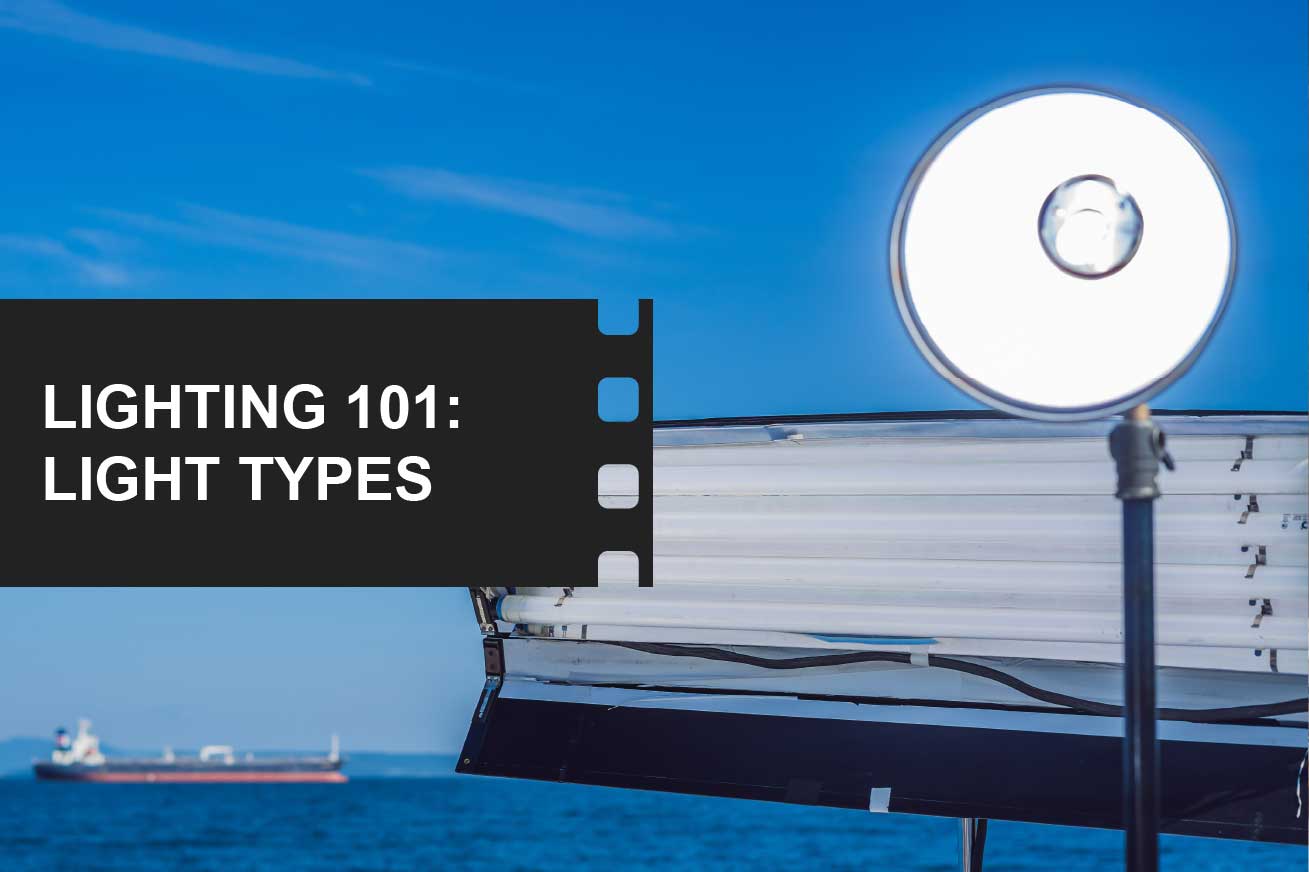
Reading Time: 10 minutesCinematographers use a combination of lights, colors, and shadows to “paint the scene” and draw attention to the most essential aspects. Choosing the right light type when filming dramatically impacts its quality, mood, and overall aesthetic. When you want to shape your scene, you have numerous lighting types, such as natural, hard, soft, mixed, etc.,… Continue reading Lighting In Film 101. Part 1: Different Types of Light