

Published: August 10, 2020 | Last Updated: February 4, 2026

Overview
Definition: A motif is a repeatable element in a film (an image, sound, object, line, or action) that returns at meaningful moments, so its meaning builds through repetition and variation.
What you’ve seen before: You notice the same detail come back across scenes. After the second or third return, you start tracking it like a clue.
Example: In Jaws (1975, Universal), the two-note music returns when the shark is close or about to attack. The cue warns you before the image does, so you scan the frame and brace for impact.
Why it matters: A motif guides what you notice without pausing the scene for explanation. It also helps in rewrites, because you can track where the motif shows up and whether each return adds new meaning or pressure.
- Key takeaway 1: Pick one clear element you can repeat without it blending into other details.
- Key takeaway 2: Repeat it at beats that share the same kind of pressure, so the pattern stays readable.
- Key takeaway 3: Change the context each time, so the repeat adds meaning instead of only reminding.
Next, let’s define motif in a broader story framework, so you can separate it from symbol and theme.
What is a motif in film? Definition & broader Meaning
A motif is a recurring element you can recognize across a film (a visual detail, a sound, a phrase, an object, or a repeated action). Each return teaches you “this matters,” and the meaning builds when the motif shows up in new contexts.
Motifs support theme and mood because repetition trains attention. You do not need a character to explain the idea out loud when the pattern already points you there.
This article breaks down motifs in film and literature, then shows how to plan motifs in your own script with clear, repeatable tests.
How motifs work
A motif works because your brain loves patterns. Repetition teaches you what to watch for. Variation changes what the repeated element means in the moment.
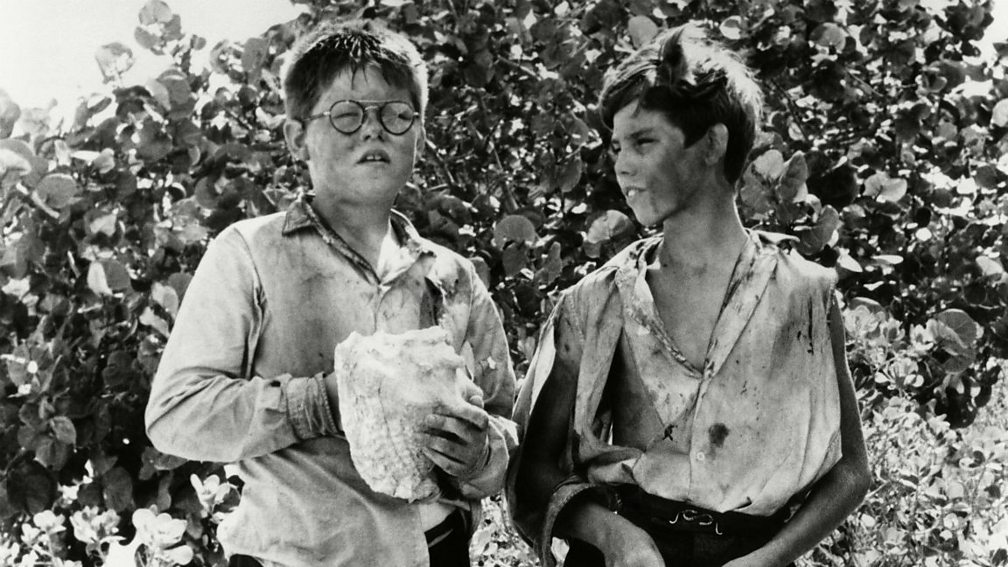
In film terms, a motif can be:
- Visual: a color accent, a repeated framing idea, a repeated prop, a repeated location detail.
- Audio: a musical figure, a repeated sound effect, a repeated silence pattern.
- Verbal: a repeated line, a repeated joke, a repeated lie.
- Behavioral: a repeated gesture, a repeated routine, a repeated avoidance move.
Repetition alone is not enough. The recurrence needs to feel intentional, and the meaning needs to deepen or shift as the story moves forward.
A symbol can become a motif when it returns in meaningful placements (turning points, reveals, emotional peaks), so its meaning stacks over time. Read more about symbolism in film.
Motif vs Theme vs Symbol
These terms get mixed up because they work together. The clean way to separate them is to focus on what each term describes.
Theme
Theme is the idea the story argues about a subject. A subject can be grief, identity, power, love, or freedom. A theme is a sentence about that subject.
Example themes: “Power reshapes morality.” “Grief changes who we become.” “Freedom has a cost.” See more examples here: movie theme examples.
Symbol
A symbol is a concrete element (object, gesture, place, image) that suggests meaning beyond itself. A symbol can appear once or many times. The meaning comes from context and emphasis.
Micro example: A wedding ring can suggest commitment, fear, control, or loss. The scene context decides the meaning.
Motif
A motif is a recurring element whose meaning accumulates because it repeats and changes with the story. A motif usually shows up at moments that share the same kind of pressure.
Rule of thumb: If an element appears once, it reads like a symbol or a one-off image. If it returns across key beats, it starts to read like a motif.
Motifs in literature
Motifs are older than film. Writers use motifs because repetition helps readers spot patterns and infer subtext without a lecture.
Literature definition: A literary motif is a recurring image, object, phrase, setting detail, or situation that reinforces theme, character change, or a story’s emotional logic.
Motif examples from literature
Here are some well-known examples that translate cleanly into screenwriting and film language.
- The Great Gatsby: the green light. A recurring image tied to longing and an unreachable future.
- Lord of the Flies: the conch. A repeated object linked to order, authority, and the fragility of rules.
- Edgar Allan Poe’s The Raven: “Nevermore”. A recurring word that tightens obsession and grief.
- Macbeth: blood imagery. Repeated images that track guilt and moral contamination.
Why this helps for film: motifs in prose translate into props, blocking patterns, repeated locations, repeated camera ideas, color accents, and sound cues.
Common motif families
These are not themes by themselves. Think of them as repeatable pattern families you can thread through scenes. The meaning comes from context and how the motif changes over time.
Nature and environment
- Storms and harsh weather: turmoil, change, escalation.
- Seasons changing: growth, decay, renewal.
- Rivers and water: transition, cleansing, danger, crossing a point of no return.
- Fire and heat: desire, destruction, purification, rebirth.
Objects and spaces
- Mirrors and reflections: identity, doubling, self-deception, self-recognition.
- Windows and thresholds: longing, separation, choices, entering a new life.
- Clocks and timepieces: urgency, mortality, countdown pressure.
- Keys and locked doors: access, secrets, forbidden knowledge, withheld truth.
Behavior and routine
- Masks and disguises: performance, hidden self, social roles.
- Repeated routines: control, denial, anxiety, obsession.
- Recurring argument beats: the same fight returning in new form can track relationship decay.
Language
- Recurring phrase, joke, or lie: a character pressure point you keep hearing.
- Repeated metaphors: how a character explains the world, and how that view changes.
Tip: Pick one motif family (water, mirrors, clocks) and develop it. Ten unrelated motifs often read like decoration. One developed motif reads like design.
Visual and audio motifs in cinema
Film motifs land fast because you experience repetition through image and sound in real time. Interpretations can vary, so the best practice is simple: point to repeated moments and explain what changes each time.
Visual motif examples
- The Sixth Sense: red accents. Often discussed as a recurring visual cue that clusters around supernatural contact and concealed truth.
- Vertigo: spirals and circles. Repeated shapes that support obsession, looping thought, and destabilization.
- Black Swan: mirrors and reflections. Repeated visuals that support doubling, self-surveillance, and fracture.
- Rear Window: frames within frames. Repeated compositions that reinforce voyeurism and separation.
Audio motif examples
- Jaws: a short musical figure. A repeated cue that signals threat, often before the danger is shown.
- Dunkirk: ticking and time pressure. A recurring sound idea that reinforces urgency and time as a threat.
- M (1931): a repeated whistled tune. A sound cue that identifies a character through audio, even when the character is off-screen.
Leitmotif vs motif in film
A leitmotif is a music-based motif. It is usually a short, recognizable musical phrase tied to a character, place, object, or idea.
- Motif: can be visual, verbal, musical, behavioral, or conceptual.
- Leitmotif: is musical by design, and it returns as a recognizable phrase.
Famous leitmotif examples
- Star Wars: recurring themes tied to characters and big ideas.
- The Lord of the Rings: recurring themes tied to cultures and places (for example, the Shire).
- Harry Potter: recurring themes that signal the world and its mood.
Screenwriting note: scripts usually do not dictate exact music. You can suggest a recurring sound idea sparingly, then let the composer and sound team build it.
How to plan motifs in a script
Motifs work best when you place them on purpose at beats that share the same pressure. The goal is a readable pattern with meaning that grows.
- Start with a theme sentence.
Example: “Growing up means accepting loss.” - Pick a motif that can recur naturally.
Objects (keys), environments (rain), actions (washing hands), phrases (“I’m fine”), sounds (a distant train). - Introduce it early.
The first appearance is a detail. The second appearance starts the pattern. - Repeat it at turning points.
Place the motif near act breaks, reveals, moments of choice, or emotional reversals. - Change the meaning with context.
Let the same element feel safer, darker, funnier, or more threatening as the character changes. - Do the removal test.
If you remove the motif and nothing changes (tone, meaning, arc), the motif is not doing real work yet.
For film production: motifs land harder when multiple departments support them (prop, costume, lighting, sound). A single repeated idea can become part of the film’s visual and sonic language.
Types of motifs in film
Motifs come in different forms. The key test stays the same: does it repeat, and does the meaning build each time it returns?
- Visual motif: a repeated image or prop that returns at key beats, such as a cracked mirror that keeps showing up around identity breaks.
- Sound motif: a repeated music or sound cue that returns with the same pressure, such as ticking that tracks urgency. You may also want to read about acousmatic sound.
- Color motif: a color that returns in emphasized placements, so you start treating it like a signal.
- Action motif: a repeated behavior, such as checking locks, washing hands, or looking out a window whenever the character feels trapped.
- Language motif: a repeated line, joke, or lie that keeps returning when the character hits the same inner problem.
Motifs often support theme because they turn abstract ideas into repeatable screen moments you can see and hear.
Famous motif breakdowns
The examples below focus on the same question: what repeats, where it repeats, and what changes each time it returns?
2001: A Space Odyssey (1968, MGM): eating as a motif
In Stanley Kubrick’s 2001: A Space Odyssey (1968, MGM), eating returns across different stages of “human” life. You see apes feeding at the start, then astronauts eating in a controlled, clinical way in space. The repeated action links bodies, survival, and progress, even as the environment and tools change.

Moonlight (2016, A24): moonlight and blue as a motif
In Moonlight (2016, A24), moonlight and blue light return around moments where Chiron has space to feel without performing toughness. The repeated lighting idea becomes a visual signal for vulnerability, tenderness, and private truth.

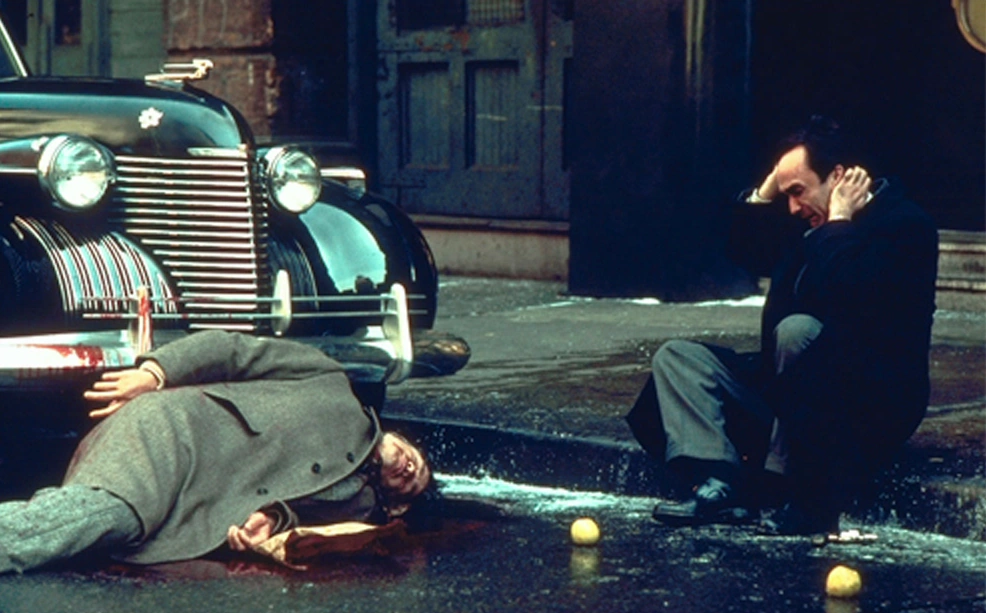
The Godfather (1972, Paramount Pictures): oranges as a motif
In The Godfather (1972, Paramount Pictures), oranges show up in scenes that sit close to violence and death. The repetition trains you to treat the bright fruit as a warning color in a world of dark suits and shadow.
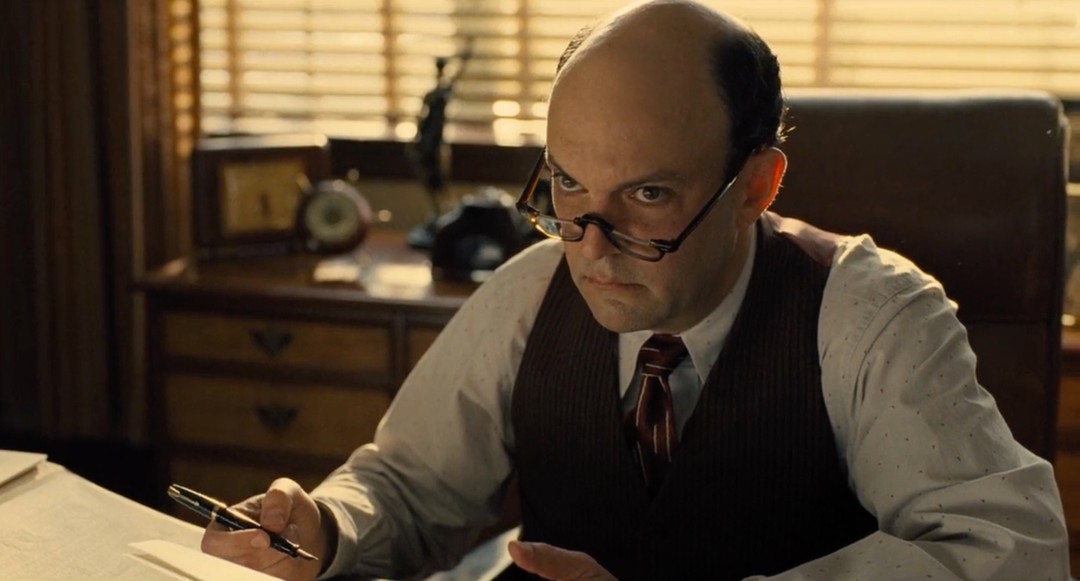
Coen brothers films: desks as a motif
Across several films by Joel and Ethan Coen, large desks return in scenes where a character meets a gatekeeper. The desk becomes a repeated staging idea: one person sits behind “authority,” and the protagonist must negotiate power that can feel real, absurd, or both.
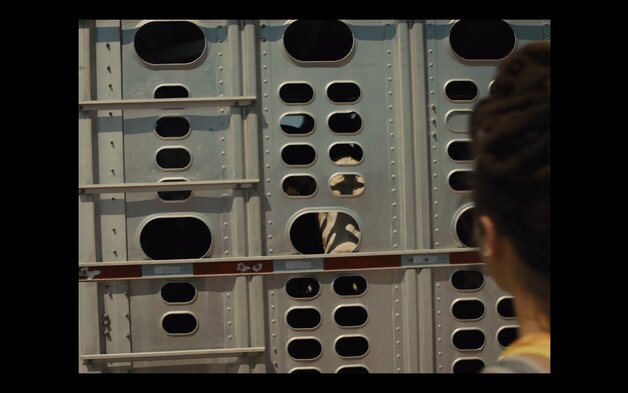
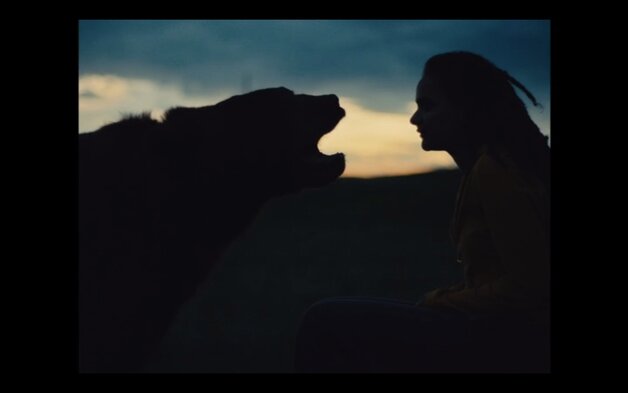
American Honey (2016, A24): animals as a motif
In American Honey (2016, A24), animals return as quiet mirrors for Star’s emotional state. Early encounters often show barriers, cages, or containment. Later encounters lean toward release and connection.
The Matrix series (1999 to 2021): recurring choice and transformation cues
The Matrix films repeat choice language, awakening cues, and identity transformation beats across the series. The repetition keeps pushing the same pressure: who controls your life, what counts as real, and what it costs to change yourself.
Many viewers read The Matrix through a trans allegory lens because the films return to identity, embodiment, and transformation across multiple story beats.
In a 2020 Netflix Film Club discussion, co-creator Lilly Wachowski connected the trilogy’s focus on transformation to feelings she had while she was still closeted. She also expressed appreciation for how audiences have connected with that reading. The films can support multiple interpretations, and this creator commentary is one reason the trans-allegory lens is widely cited.
Famous motifs in movies
This table is a quick reference list of recurring elements that are widely discussed as motifs. For any example, the best proof is simple: name two or three specific moments where it appears, then explain what changes each time.
| Film | Recurring element | What the repetition tends to do |
|---|---|---|
| Jaws (1975) | Two-note musical figure | Trains dread before the image, so you brace for threat. |
| The Sixth Sense (1999) | Red accents | Clusters attention around supernatural contact and concealed truth in many common readings. |
| Vertigo (1958) | Spirals and circles | Reinforces looping obsession and psychological instability. |
| Rear Window (1954) | Frames within frames | Reinforces voyeurism and separation through repeated composition. |
| M (1931) | Whistled tune | Identifies a character through sound even when the character is off-screen. |
| Dunkirk (2017) | Ticking and time pressure | Keeps urgency alive, so time feels like a threat you cannot escape. |
| The Godfather (1972) | Oranges | Creates a repeated warning color near looming violence and death. |
| There Will Be Blood (2007) | Oil and blackness | Returns as a visual stain linked to greed, contamination, and moral rot. |
| Schindler’s List (1993) | The girl in red | Forces focused moral witnessing through a repeated, emphasized visual detail. |
| Black Swan (2010) | Mirrors and reflections | Reinforces doubling and self-surveillance as pressure rises. |
| Chinatown (1974) | Water references | Returns as a clue pattern for hidden systems and control. |
| Pan’s Labyrinth (2006) | Labyrinth and thresholds | Repeats transition imagery, so choices feel like tests with consequences. |
| The Matrix series (1999 to 2021) | Choice language and awakening cues | Keeps identity and control as a repeated pressure across scenes and films. |
Tip for teaching and learning: For any motif above, add a short “proof” line: name two or three moments where it appears, then explain how the meaning shifts. That turns a claim into analysis.
Summing Up
If you want to use motifs well, treat them like planned patterns. Repetition trains attention. Variation builds meaning.
Ask yourself these three questions:
- In each scene, what can you show that carries meaning without a line of explanation?
- What repeatable element can track the same inner pressure across multiple beats?
- Where can the motif return near turning points, so the repetition feels intentional?
One useful way to think about this is Ernest Hemingway’s iceberg idea for subtext. The surface is the visible action and dialogue. The deeper meaning sits under the surface, and motifs help you point to that meaning through imagery, symbols, and repeated patterns.
Read Next: Want to dig deeper into screenwriting?
Start with the Screenwriter’s Toolkit on literary devices vs. elements – a deep resource covering every major literary device and element used in writing.
Then explore our collection of practical writing techniques covering dialogue, structure, and pacing.
Or jump into the free screenwriting course to start your first draft today.
You can also head back to the Screenwriting section for more tools, theory, and breakdowns.
Sources: Vanity Fair (Aug 4, 2020), Entertainment Weekly (Aug 5, 2020), SYFY Wire (Aug 5, 2020)

There is no green lighthouse in The Great Gatsby. There is a green light at the end of a dock, but not an entire lighthouse. Just a simple light.
You’re absolutely right, of course. I don’t know where that lighthouse came from 😀
Nice catch! Thanks.