

Published: October 23, 2025 | Last Updated: October 27, 2025

What is A medium shot (MS)? Definition & Meaning
A medium shot (MS) frames a subject from roughly the waist up, showing both facial expressions and body language at the same time. It’s one of the most common shots in film because it balances emotion with character movement and keeps characters grounded in their surroundings.
Why Medium Shots Matter

The medium shot gives you flexibility. You can show how a character feels, how they move, and where they are, all in one frame.
This makes the medium shot ideal for scenes where performance, gesture, and location all need to be visible at once. Here’s a video with some examples:
That’s why it’s often used for dialogue, actions with the hands, and moments where both words and movement reveal meaning.
When and Why to Use a Medium Shot

Medium shots work best when you want the audience to focus on both what a character is saying and how they’re behaving.
They keep enough space around the subject to show their surroundings, but still feel personal. Here are some of the most common reasons to use a medium shot:
- Dialogue scenes — You can show both speakers and their body language.
- Interviews — Gestures matter, not just words.
- Scenes with small actions — Like picking up a coffee mug, typing on a laptop, or turning to speak to someone.
- Bridging edits — Medium shots help the scene flow by giving the editor a middle option between a wide shot and a close-up.
How to Frame a Medium Shot
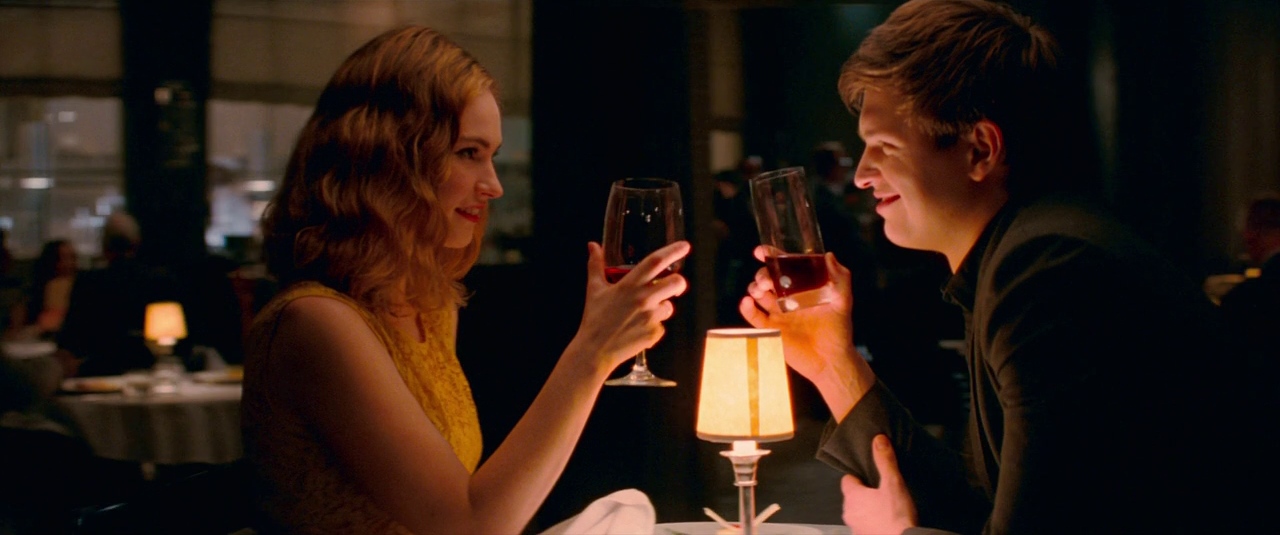
A medium shot might seem simple, but getting it right requires attention to detail. You need to think about camera placement, subject framing, and background elements. Here’s how to frame a clean and balanced medium shot:
Camera Height and Lens Choice
Often, the camera should sit at eye level or just above. This keeps the subject looking natural and avoids distortion. However, there are times when you want to choose another camera angle, for example, when you want to enlarge or diminish the power of a character:
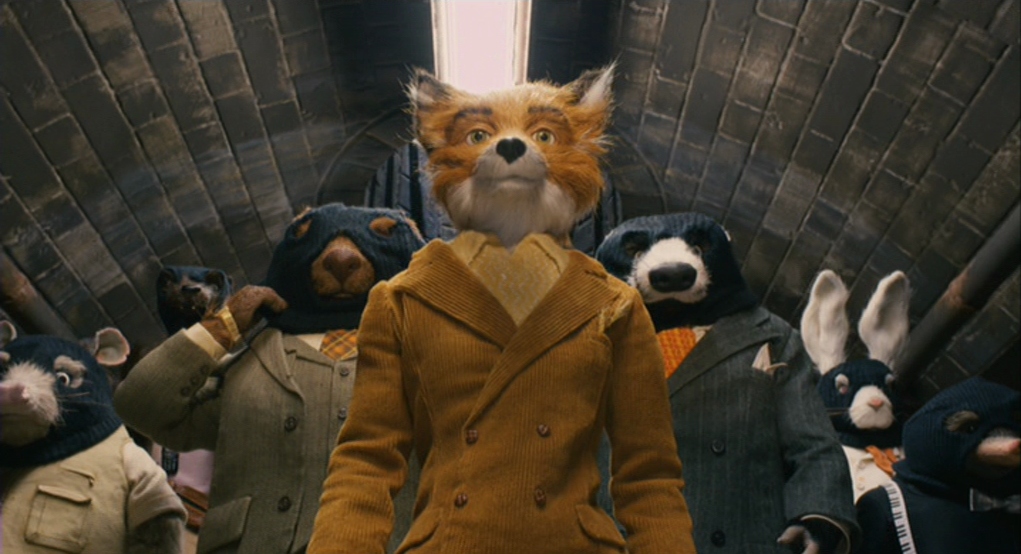
Most medium shots use lenses between 35mm and 70mm on a full-frame sensor. Wider lenses can warp the subject, while longer lenses make the background appear too close to the foreground and flatten the sense of depth.
Subject Placement and Balance
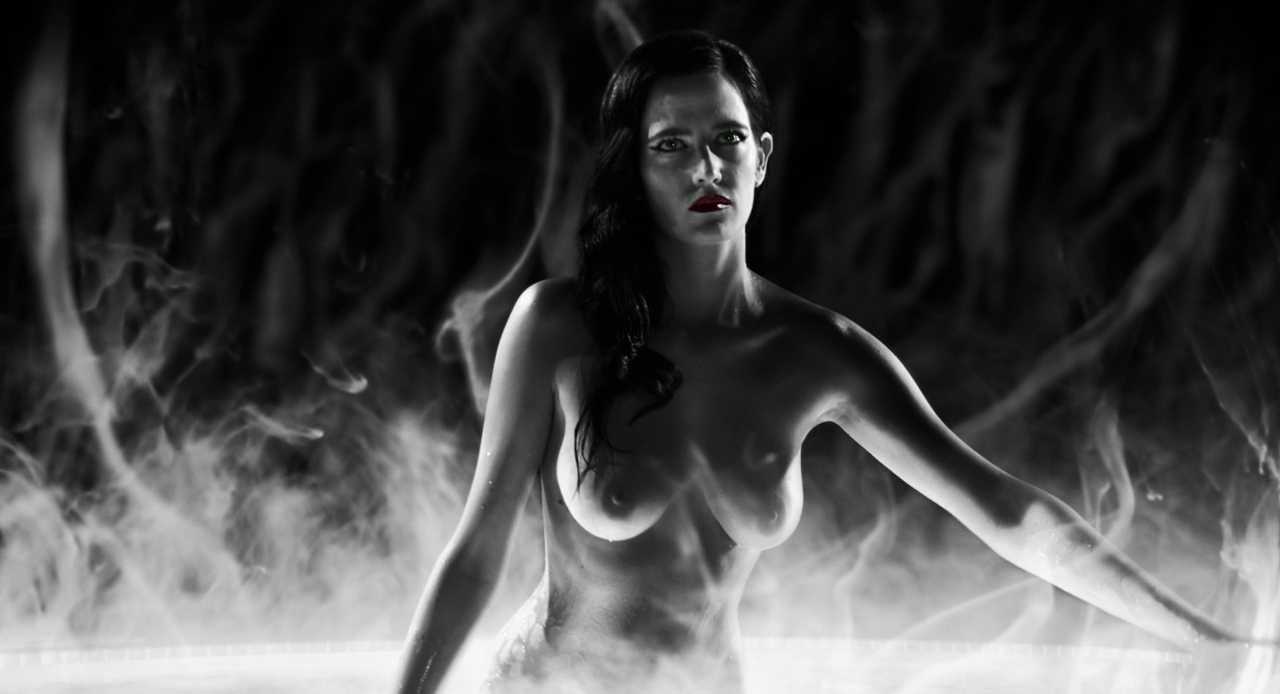
Frame the subject from the waist up. Keep the head near the top third of the frame, and avoid cutting them off at joints like the elbows or wrists.
Use the rule of thirds to make the composition feel stable. Don’t crowd the subject, and leave enough space around them for their movement to read clearly.
Background and Environment

The background helps show where the character is (like a room, street, or hallway) so their actions feel connected to a real place. A good medium shot includes just enough background to create that sense of place, but not so much that it pulls focus. Keep the area behind your subject clean, with no distractions like cluttered walls or awkward objects.
Variations of the Medium Shot

The term “medium shot” covers a range of framing styles. Depending on how close or wide you go, you may be using one of its common subtypes. These small changes shift how we read the scene or how much emotion we feel:
- Medium Close-Up (MCU): Frames from the chest or shoulders up. Best when facial expression matters more than physical action.
- Medium Wide Shot (MWS) / Medium Long Shot (MLS): Frames from the knees up. Useful when characters move around while talking or interact with their environment.
- Over-the-Shoulder Shot (OTS): A medium shot with another character’s head or shoulder in the foreground. Helps establish perspective and reactions in conversation.
Medium Shot vs Other Shot Types
Different shot sizes create different effects. A medium shot fits between close-ups and wider shots, giving you just enough detail without feeling too tight or too distant. Here’s how it compares to other basic shot types:
- Close-Up (CU): Shows only the face. Used to show strong emotion or reaction.
- Medium Shot (MS): Shows from the waist up. Good for both expression and movement.
- Full Shot (FS): Shows the full body. Used when actions, posture, or costume matter most.
What to Avoid
Medium shots are versatile, but they can be misused if you’re not careful. These are some common problems to avoid:
- Don’t cut off limbs at the elbows, wrists, knees, or ankles unless it’s deliberate.
- Don’t leave too much space above the head or place the subject too low in the frame.
- Don’t ignore the background. Messy environments can distract from the scene.
- Don’t rely on medium shots alone. Use close-ups and wide shots to give your scene rhythm and contrast.
Summing Up
The medium shot (MS) is a flexible, balanced framing that shows both emotion and movement. It frames your subject from the waist up and works best in dialogue scenes, interviews, or any moment where physical expression matters. Watch your framing, avoid cutting limbs at odd points, and make sure the background supports the scene. Use it with purpose, and keep it clean and intentional.
Read Next: Want to explore more shot types?
Browse all camera shots and angles, or see more cinematography techniques on lenses, lighting, and composition.
New to shot types? Read our Camera Angles FAQ for quick answers and visual examples.
