

Published: September 24, 2025

What is Tragedy? Definition & Meaning
Tragedy is a genre of storytelling where the main character experiences downfall, often due to a personal flaw or forces beyond their control. It usually ends in sadness or disaster. Tragedy focuses on human weakness, emotional struggle, and the cost of choice.
The idea of tragedy comes from ancient Greek theater. Playwrights like Sophocles shaped the genre with stories like Oedipus Rex, where the hero’s own actions (and fate) lead to ruin. That structure still shapes literature and film today.
Key Elements of Tragedy
Most tragedies follow a clear pattern built around a tragic hero. This character is usually admirable or noble but has a fatal flaw, called hamartia. That flaw causes them to make bad choices or fail when it matters most.
A strong example is Macbeth (1606, Shakespeare). Macbeth is a respected warrior, but his ambition drives him to murder and betrayal. That ambition (his tragic flaw) leads to his downfall and death.
Tragedy also creates catharsis, which means it brings out strong emotions in the audience (like pity or fear) and then releases them. You feel the weight of the character’s fall and come away with a deeper understanding of human limits.
Many tragedies also include a sense of fate or destiny. The hero may try to fight it, but they can’t escape. This adds tension and makes the story feel bigger than the character’s choices alone.
Tragedy in Film
In film, tragedy creates stories that are heavy with emotion, and you often leave the theatre feeling down. You follow characters who feel real, and watch as their flaws or choices pull them toward loss or destruction. Here I’ve picked some real downers for you:
Romeo + Juliet (1996, Warner Bros)

Romeo + Juliet (1996) retells Shakespeare’s tragic play. Romeo and Juliet are doomed not because of anything they do, but because of the feud between their families. Their deaths show how love, fate, and conflict can collide in tragedy.
Requiem for a Dream (2000, Artisan Entertainment)
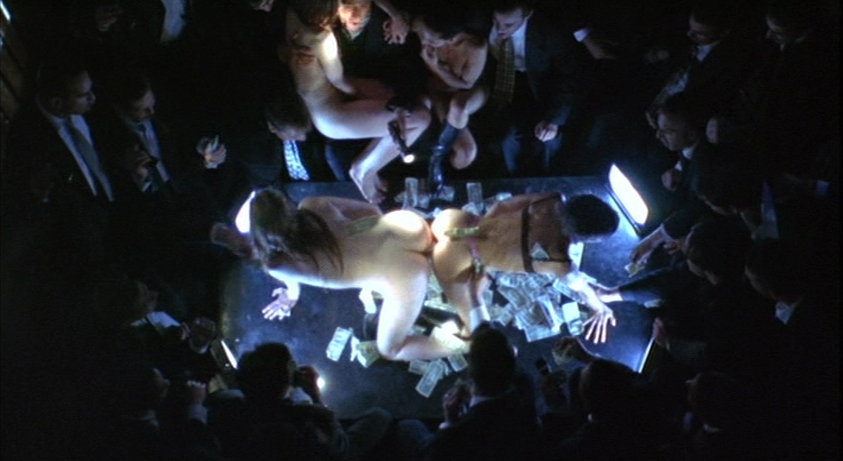
Requiem for a Dream (2000) is another example. Each character’s personal flaw (such as addiction, denial, or obsession) leads them into ruin. Their paths never cross again once their lives fall apart, making the emotional impact even stronger.
Tragic films often end with death, loss, or broken relationships. These endings make you think about how small choices can lead to big consequences.
Tragedy and Irony
Tragedy often includes tragic irony and cosmic irony.
Tragic irony happens when the audience understands the tragic outcome of a character’s actions before the character does, but what makes it tragic is that the actions are often driven by good intentions. The hero thinks they’re fixing the problem, but they’re making it worse.
For example, in Romeo and Juliet, Romeo believes Juliet is dead and takes poison. Moments later, Juliet wakes up and kills herself. The tragic irony is that their love and loyalty lead them to make irreversible choices at exactly the wrong time.
Cosmic irony shows how larger forces (like fate, the universe, or even the gods) seem to work against the character. No matter what they do, they can’t win. This makes the tragedy feel cruel and unavoidable.
How Tragedy Works in Stories
Tragedy gives stories emotional depth. You connect with the hero because their flaw feels real. You understand their mistake, and you watch how it grows until there’s no turning back.
It also teaches lessons. Tragedy warns about pride, ambition, jealousy, or denial. It shows that good people can fall, and how their actions affect others around them.
If you’re writing a tragic story, focus on the flaw. Show how that flaw builds tension over time. Each decision should bring the character closer to a point where they can’t escape the result. That final downfall should feel both surprising and unavoidable.
Summing Up
Tragedy in literature and film shows how human flaws, fate, or both can lead to loss or disaster. These stories feel powerful because they reflect real emotions and consequences. You see this clearly in Oedipus Rex, Macbeth, Romeo + Juliet, and Requiem for a Dream. Understanding tragedy helps you recognize how storytelling can explore the darker side of human nature, and still leave a lasting impact.
Read Next: Want to dig deeper into screenwriting?
Start with the Screenwriter’s Toolkit on literary devices vs. elements – a deep resource covering every major literary device and element used in writing.
Then explore our collection of practical writing techniques covering dialogue, structure, and pacing.
Or jump into the free screenwriting course to start your first draft today.
You can also head back to the Screenwriting section for more tools, theory, and breakdowns.
